REVIEW · PUERTO IGUAZU
From Iguazú: Explore natural diversity at the Biocenter
Book on GetYourGuide →Operated by Gray Line Argentina · Bookable on GetYourGuide
Color hits fast at the Biocenter. In the Iguazú Biocenter, you get a close-up, easy walk through Misiones wildlife—from a butterfly house to tropical plants—without needing hiking stamina. Two things I really like about this stop are the chance to see insects and animals up close in designed spaces, and the way the orchid and bromeliad garden turns the landscape into something you can actually appreciate at arm’s length. The one consideration: even though the tour is listed as 90 minutes, the experience can feel noticeably shorter once you’re inside.
What makes it work well for a day in Puerto Iguazú is the “done-for-you” flow. You’ll move through the main themed areas with a bilingual guide, plus round-trip hotel transfers (from the Argentine side) and skip-the-ticket-line entry. If you’re hoping for a long, slow nature safari, plan your expectations around a compact, curated circuit.
In This Review
- Key highlights worth clocking
- A close-up nature walk in the Iguazú Biocenter
- Pickup, timing, and how long you’ll really be inside
- Serpentarium: snakes you can observe without the stress
- El Jardín and the orchid/bromeliad collection you’ll remember
- Butterfly house: hundreds of wings, calm wandering pace
- Aquarium, reptiles, and exotic birds: completing the biodiversity picture
- Price and value: about $33 for a compact, guided circuit
- What to watch out for: guide timing and language mix
- Who this Biocenter tour suits best
- Should you book the Iguazú Biocenter tour?
- FAQ
- How long is the Biocenter tour?
- What does the tour price include?
- What’s not included?
- Do I need my own transportation to the Biocenter?
- What languages is the guide available in?
- Can I cancel and get a refund?
Key highlights worth clocking
- Serpentarium with special viewing spaces: designed snake environments, not just a random exhibit.
- Orchids and bromeliads at El Jardín: a focused tropical plant stop that feels like its own attraction.
- Butterflies you can watch up close: a butterfly house where hundreds flutter freely.
- A full wildlife circuit: snakes, butterflies, reptiles, birds, and an aquarium, all in one visit.
- Small-park feel, big variety: many sections, but you won’t be there all day.
- Bilingual guide support (English/Spanish): helpful for understanding what you’re seeing, even if timing varies.
A close-up nature walk in the Iguazú Biocenter
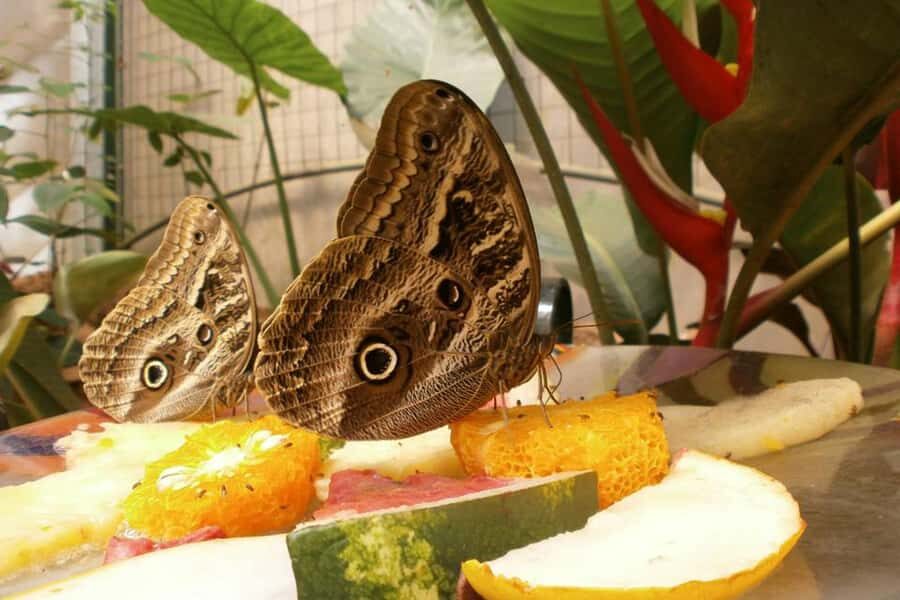
The Iguazú Biocenter (in Misiones Province) is built for people who want nature details without the logistics headaches. This is not about climbing over rocks or spending hours tracking animals. Instead, you follow paths through themed zones where animals and plants can be observed in a controlled, visitor-friendly way.
You’ll start with animals that tend to feel intimidating at first—especially snakes—and then work toward softer, more colorful parts of the circuit like orchids, bromeliads, and butterflies. That pacing matters. It keeps the experience from feeling like one long “look at cages” moment and makes it more like a guided nature gallery where the focus is on diversity.
One reason this Biocenter is so popular for short trips is variety. You don’t just get one theme. You’re checking off serpents, butterflies, tropical plants, an aquarium, reptiles, and exotic birds. If you like wildlife but also like moving efficiently, this format fits.
Other Iguazu Falls tours we've reviewed in Puerto Iguazu
Pickup, timing, and how long you’ll really be inside
The tour duration is listed at 90 minutes, and transfers are included from hotels in Puerto Iguazú on the Argentine side. That makes it easy to slot in between bigger Iguazú plans.
Still, it helps to know what people tend to feel once they arrive. A few booking experiences described the on-site time as shorter than expected—closer to around an hour, and in at least one case even under that. So even if the schedule says 90 minutes, think “short and sweet,” not “full-day adventure.”
Also note a practical detail: some hotels are not included in the pickup route. If yours isn’t, the operator contacts you with the nearest meeting hotel. Plan to be ready in the lobby when the guide arrives so you don’t lose time.
Serpentarium: snakes you can observe without the stress
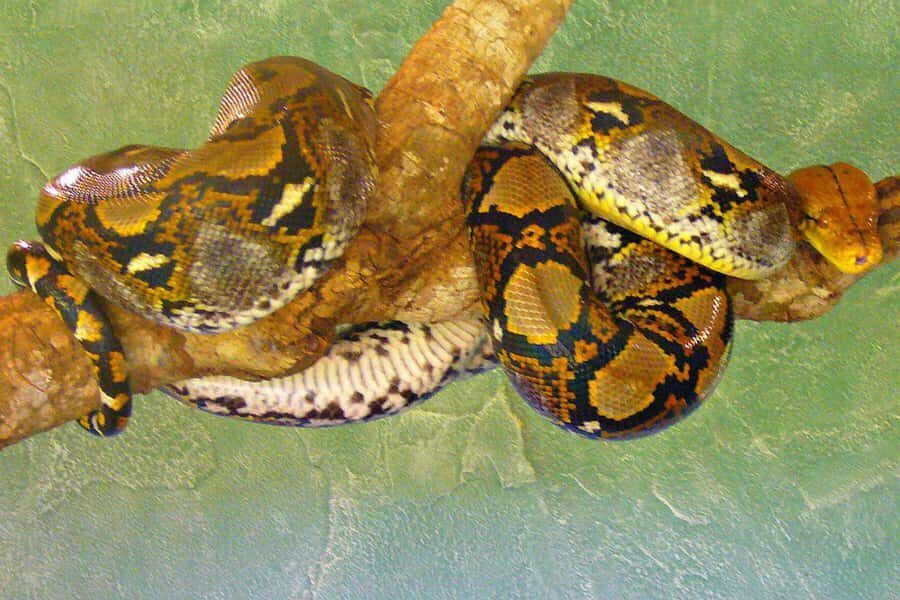
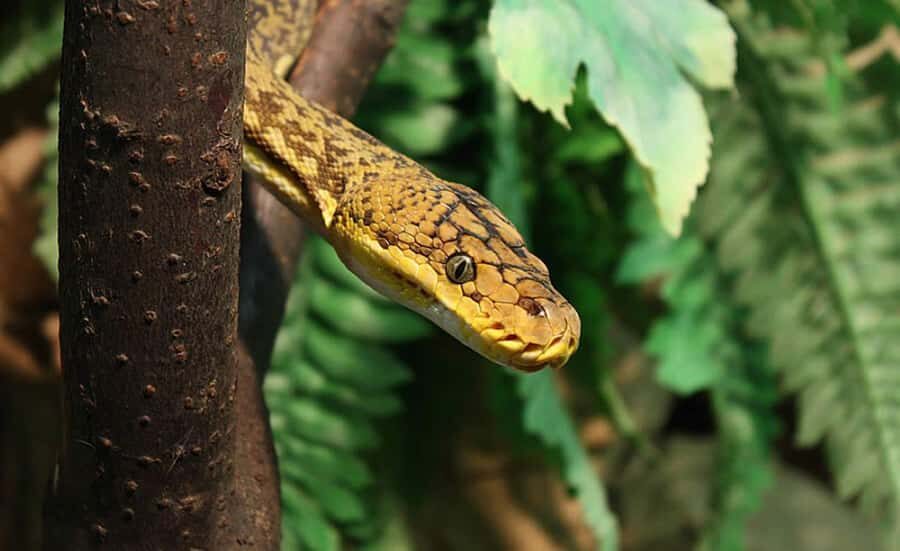
The serpentarium is where you begin, and it sets the tone. You’ll see different snake species in specially designed environments, which is a big part of why this section is worth doing. The goal here isn’t shock value. It’s viewing—up close enough to understand what you’re looking at, but organized so you’re not wandering around guessing.
If snakes are your favorite topic, this is your “first stop” moment. If snakes make you nervous, this is still a smart starting point because you’re eased in right away, and then you move on to calmer sections like the gardens and butterfly house.
Practical tip: slow down in this area. When you’re watching animals that don’t move quickly, rushing just means you miss the brief moments they decide to show themselves.
El Jardín and the orchid/bromeliad collection you’ll remember
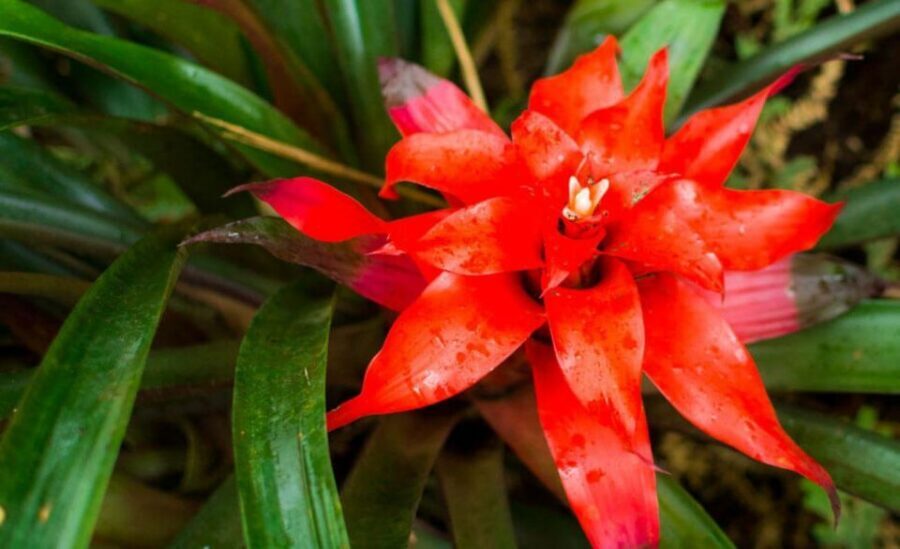
Then comes El Jardín, a charming plant section that can be surprisingly satisfying even if you’re not a plant person. The highlight is the collection of orchids and bromeliads, plus other tropical plants that give the space its color and structure.
This stop is valuable because it changes what “wildlife viewing” means. Instead of looking for motion in an animal exhibit, you’re reading the environment. You’ll notice how epiphytes (plants that grow on other plants) fit naturally into this type of habitat, and how the garden design helps you get close without stepping into fragile areas.
If you’re the kind of traveler who likes a “one really good photo spot,” this is that. The orchid and bromeliad areas tend to make camera work easier because the plants are stationary and the shapes and textures are dramatic.
One more thing: the garden helps you reset your brain after the serpentarium. It’s a soft landing, and it makes the later butterfly house feel even more magical.
Butterfly house: hundreds of wings, calm wandering pace
The butterfly house is the star for many people—and it’s easy to see why. You enter a space where hundreds of butterflies flutter freely, and you get to watch them in motion without needing to spot them in the wild.
This is where the Biocenter feels most like a “living exhibit.” Butterflies don’t pose like museum displays. They move. They drift. They choose where to land. The experience becomes less about finding the right angle and more about staying alert and letting the moment happen near you.
In a circuit like this, the butterfly house also serves a pacing function. It breaks up the heavier animal sections with something that feels lighter and more sensory—colors, movement, and that constant sense of small activity around you.
If you want to get the most from it, give yourself time to simply walk the paths slowly. The best sightings often come when you stop chasing butterflies and start watching their patterns.






Aquarium, reptiles, and exotic birds: completing the biodiversity picture
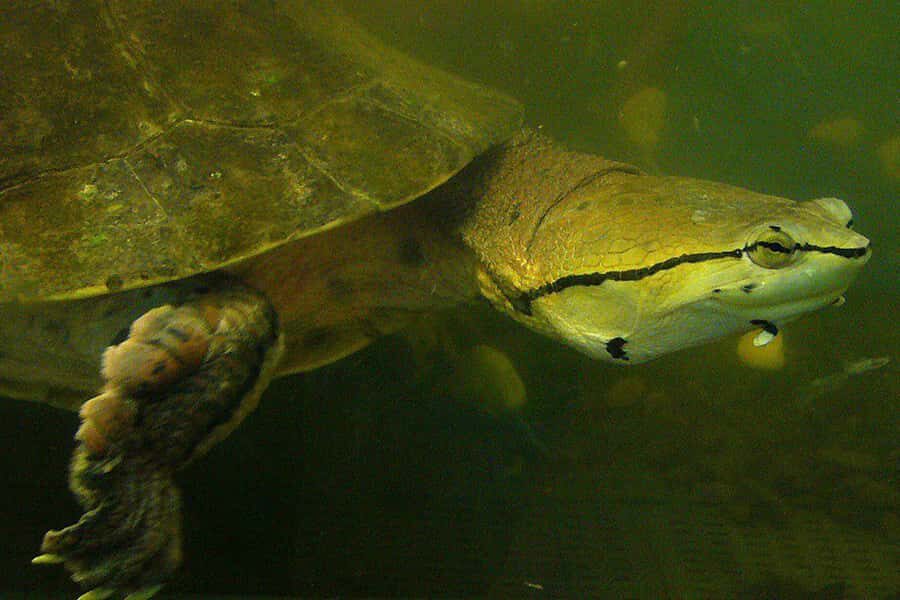
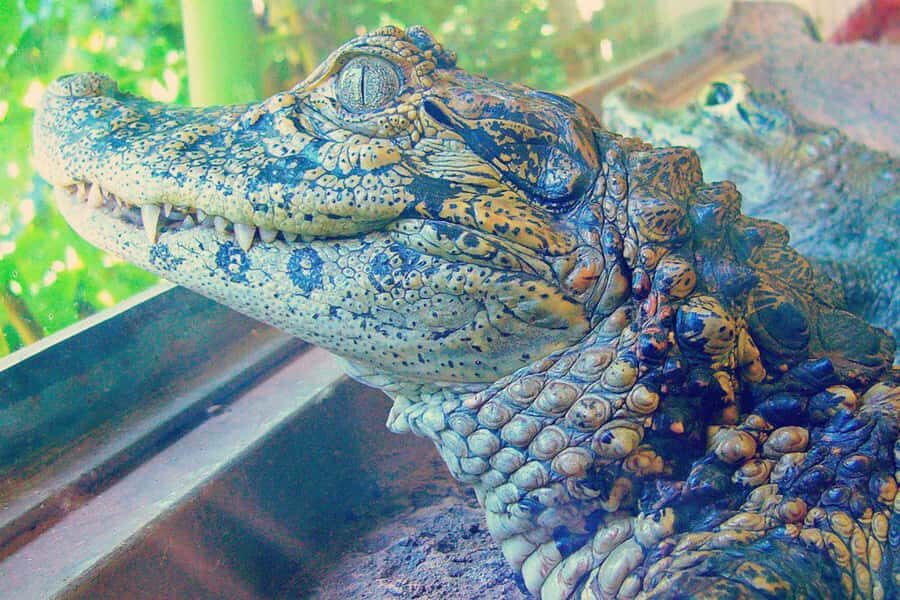
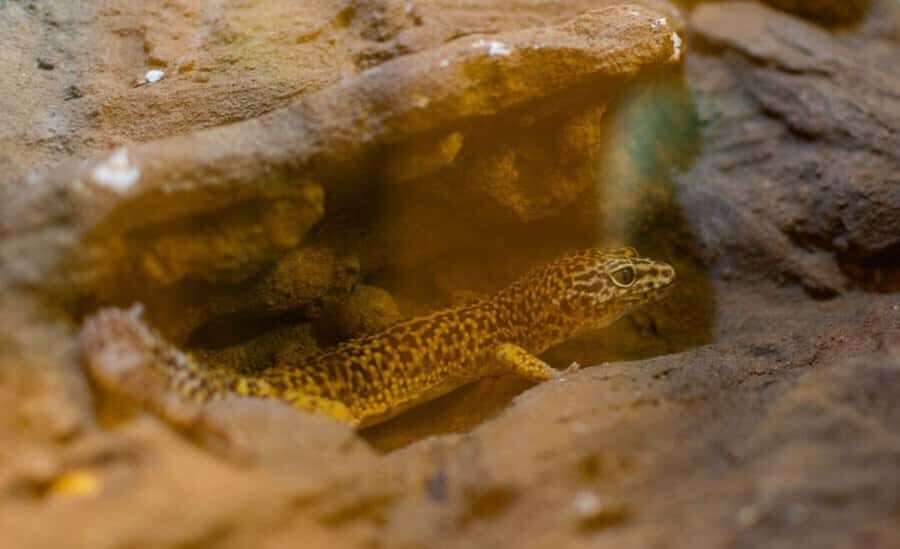
After butterflies and plants, you continue into aquatic and additional wildlife sections. You’ll visit an aquarium with fascinating aquatic species, plus areas dedicated to reptiles and exotic birds.
This part of the tour is valuable because it expands the idea of biodiversity beyond one category. Iguazú region nature is often described through rainforests and big wildlife, but here you see how biodiversity also shows up in water life and in bird species that add movement and color even when you’re not focused on the forest floor.
Aquarium time is also a good option when wildlife movement slows down in other sections. In a short tour, you want every stop to deliver, and the aquarium tends to do that because there’s always something to track—swimming patterns, feeding moments if they happen, and steady viewing.
For reptiles and exotic birds, the key is expectation-setting: you’re there to appreciate them as part of the circuit, not to wait for a dramatic performance. If you’re patient and keep your eyes moving, you’ll get more out of it.
Also, one reason people enjoy this Biocenter is the layout. You walk along paths surrounded by lush vegetation and you can make direct eye contact with the creatures—so it doesn’t feel like you’re far away behind barriers.
Price and value: about $33 for a compact, guided circuit
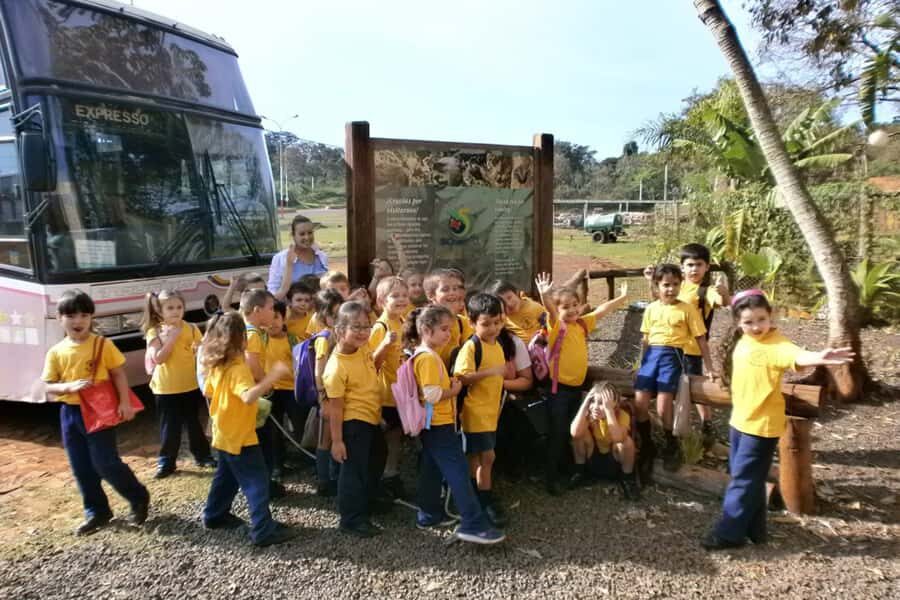
At $33 per person, this is priced like a short “nature add-on” rather than a full-day attraction. That’s exactly how it tends to play: you get a guided, organized tour through several themed areas, with the main entrance covered and transfers arranged.
So the value question comes down to fit.
- If you want to see a lot of variety in a limited time, $33 feels reasonable.
- If you were expecting a long, deep nature outing, the time mismatch can hurt value perception.
- If you’re traveling without a car and want hotel pickup on the Argentine side, the transfer component makes the deal easier to justify.
The best way to think about it: this is a focused “wildlife sampler.” It’s not trying to replace Iguazú Falls or a full rainforest day. It complements those big trips by giving you themed animals and tropical plant beauty in a shorter window.
What to watch out for: guide timing and language mix
The tour includes a live bilingual guide in English and Spanish, and in normal conditions that should make signage and animal context much easier to understand.
But the experience quality can depend on how smoothly the guide part goes on the day. One booking described a situation where the guide that should have been provided did not arrive, leaving the group to wander and rely on mostly Spanish signage. Another experience mentioned a language mismatch—English booked, Spanish received—and that can matter if you’re counting on explanations.
There’s also the “timing reality” issue again. When a tour feels much shorter than described, it can be disappointing even if the attractions themselves are enjoyable.
My practical advice: if English is a must, choose the tour with the language you need and go in with a flexible mindset. Also, treat this as a 1–1.5 hour site visit in your mental schedule, not a multi-hour expedition once you’re inside.
Who this Biocenter tour suits best
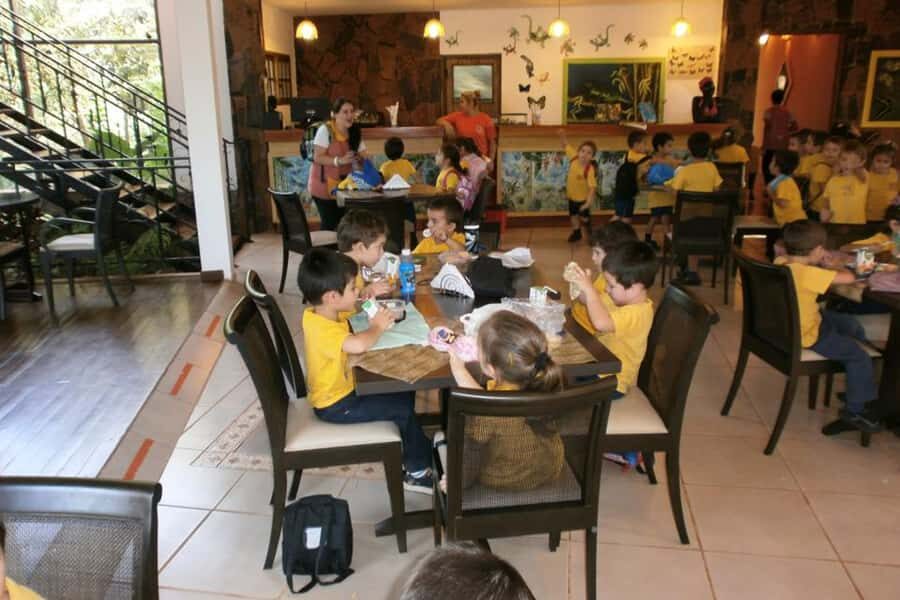
This experience is a good match if you:
- Want butterflies, orchids, and wildlife variety without a long hike
- Prefer guided context but still want a stroll-style pace
- Are short on time and want something easy to add from Puerto Iguazú
- Like seeing both land and water life (snakes, reptiles, aquarium, plus birds)
It’s less ideal if you:
- Expect a long, detailed rainforest-style tour
- Need a guaranteed language experience with no risk of mismatch
- Are sensitive to the fact that the park can feel small compared with massive nature sites
It also helps if you enjoy structured “circuits.” The Biocenter works best when you treat it like a route with stops, not a place to roam freely for hours on end.
Should you book the Iguazú Biocenter tour?
I’d book it if your priority is quick, close-up biodiversity in Misiones—especially if orchids/bromeliads and butterflies are your main draw. The price is fair for what you get: entrance handled, transfers on the Argentine side, skip-the-ticket-line entry, and a guide who can help connect the animals and plants you’re seeing.
I’d skip or rethink it if you’re the type of traveler who needs long hours and deep explanations, or if language matters so much that even a mismatch would ruin your day. In that case, you might want to compare with other Iguazú options that are designed for longer time on site.
If you do book, go with the right frame: a compact guided circuit, a strong butterfly and plant experience, and enough wildlife variety to make your short window worthwhile.
FAQ
How long is the Biocenter tour?
The duration is listed as 90 minutes.
What does the tour price include?
It includes round-trip transfers from hotels in Puerto Iguazú (Argentine side), the Biocenter entrance fee, and a live bilingual tour guide (English and Spanish). The ticket line is also skipped.
What’s not included?
Food and drinks are not included. Transfers from hotels in Foz de Iguazú (Brazilian side) are also not included.
Do I need my own transportation to the Biocenter?
No, round-trip hotel transfers are included for some hotels in Puerto Iguazú on the Argentine side. If your hotel isn’t in the pickup itinerary, you’ll be contacted with the nearest pickup location.
What languages is the guide available in?
The tour guide operates in Spanish and English.
Can I cancel and get a refund?
Yes. Free cancellation is available up to 24 hours in advance for a full refund.