REVIEW · PUERTO IGUAZU
Minas de Wanda – Foz do Iguaçu/Puerto Iguazú
Book on GetYourGuide →Operated by Iguassu Planet Turismo · Bookable on GetYourGuide
Crystal caves beat the usual waterfall day.
Minas de Wanda is a real working gemstone site, not just a pretty stop. I like that you’re seeing how crystals formed from volcanic lava thousands of years ago, where trapped air bubbles helped create the variety of colors you can spot today. The five mines are close to Puerto Iguazú (about 45 km from the border area with Foz do Iguaçu), so it’s a good change of pace from the falls day.
Two things I especially like: the small-group setup (up to 15 people) keeps the guide’s explanations easy to follow, and you get time for both open-air extraction and cave mining. One consideration: the full day feel can hinge on border crossing timing, so plan for possible delays on the route between Brazil and Argentina.
In This Review
- Key points before you go
- Why Minas de Wanda feels different from the usual Iguazú day
- Price and what you actually get for $52
- Getting from Brazil to Argentina: short drive, long paperwork
- The 4-hour rhythm: what happens once you’re picked up
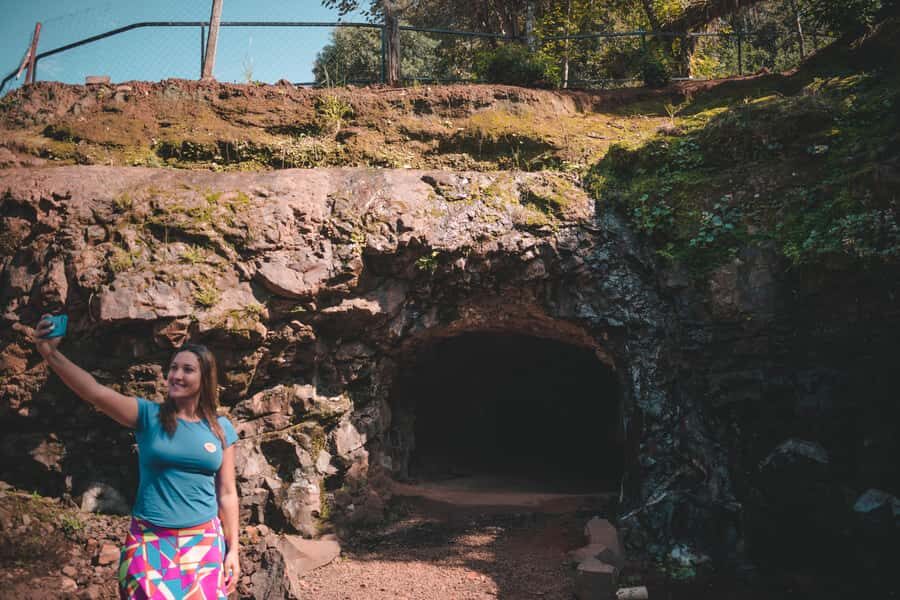
- Entering the Wanda tunnels: five mines and real extraction work
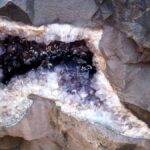
- Stones you’ll recognize: emeralds, rubies, amethysts, and more
- The open-air vs. cave comparison you’ll remember
- The Stone Museum display and what it adds (besides souvenirs)
- Photo stop and sightseeing: quick but helpful
- What the guide languages mean for your comfort
- Who this tour suits best
- Possible drawbacks to plan around
- Should you book Minas de Wanda?
- FAQ
- How long is the Minas de Wanda tour?
- Where does pickup happen for this tour?
- What’s included in the price of the tour?
- What is not included?
- How big is the group?
- What languages does the live guide speak?
- Is there free cancellation?
Key points before you go
- Active mining, not a staged museum: you’ll see live extraction in the open and in caves.
- Five mines in one tour: enough variety to feel like a mini gemstone crawl.
- Volcanic geology explains the colors: lava + air bubbles + crystallization is the story.
- Small group pace: limited to 15 participants, guided in Portuguese, English, and Spanish.
- You can shop afterward: raw and worked samples are sold in specialized stores on site.
Why Minas de Wanda feels different from the usual Iguazú day
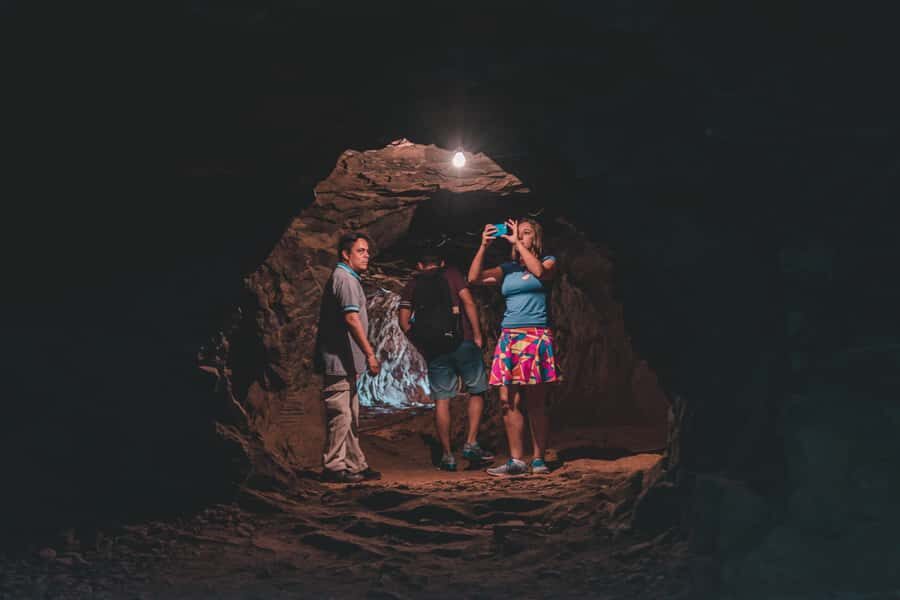
Most people plan around waterfalls. This tour swaps that roar for something quieter and more hands-on: rocks, tunnels, and the practical side of extraction.
Minas de Wanda traces its gemstone story back to volcanic lava spills. The hot, boiling lava created balls of air inside the rock, and over time the material crystallized. That’s why you can end up looking at multiple stone types in one area, rather than just one signature rock. The tour also highlights that mining is still active today, with staff closely monitoring both open-cast and cave work.
If you care about how something is made, this is the angle. You’re not only seeing finished gems behind glass. You’re seeing the fragile, slow process that turns raw material into something worth keeping.
Other Iguazu Falls tours we've reviewed in Puerto Iguazu
Price and what you actually get for $52
At about $52 per person, this tour can feel fair because you’re buying more than a taxi ride to a quarry. Your price covers guide service plus shared round-trip transportation from central hotel areas in Foz do Iguaçu (Brazil) or Puerto Iguazú (Argentina), depending on your starting city.
You also get a live guide in Portuguese, English, or Spanish, and the tour is set up as a small group. That matters, because gemstone mines can be visually confusing if nobody explains what you’re looking at. A good guide helps you connect the rock you see with the stone names you’ll hear.
What’s not included is important for budgeting: Wanda Mines admission, an ecotourism fee, plus food and drinks and personal expenses. In other words, your ticket price is for the tour and logistics, while your on-site access and on-the-ground costs still need to be planned.
Getting from Brazil to Argentina: short drive, long paperwork
This experience is timed for people staying on either side of the border. If you’re in Foz do Iguaçu, you’ll start with a hotel pickup in the central area and go over toward Puerto Iguazú (Argentina). If you’re based in Puerto Iguazú, there are also central pickup options (and the Centro area is specifically listed).
One practical reality: border crossing can slow things down. The tour is run by Iguassu Planet Turismo, and their job is to coordinate schedules and keep the group moving, but customs and immigration aren’t under their control. If you’re the type who hates waiting around, build in patience and treat the day as flexible.
The 4-hour rhythm: what happens once you’re picked up
The whole tour runs about 4 hours. Within that, you’ll spend roughly 1.5 hours on the core mine visit, with stops that include a photo stop, a guided tour, and a bit of sightseeing.
Here’s the way I’d mentally plan your time:
- You’ll be collected from a central hotel area (or a listed Centro pickup point in Puerto Iguazú).
- You’ll travel with the group, including time that can stretch a bit depending on border flow.
- You’ll then concentrate your attention on the mines and what’s happening inside and outside the work area.
- You’ll return to the two possible drop-off locations in Puerto Iguazú (Centro and Puerto Iguazú area).
Because the tour is short, you get less time to wander alone. That’s not a bad thing here. The value is in the guided flow: you’ll want that direction while you’re learning which stone types to look for and how mining differs between cave and open areas.
Entering the Wanda tunnels: five mines and real extraction work
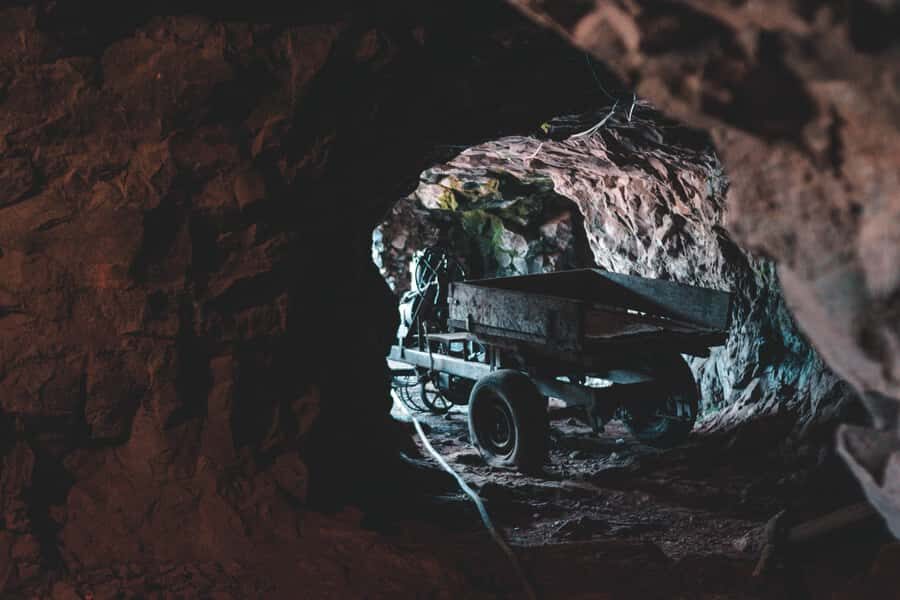
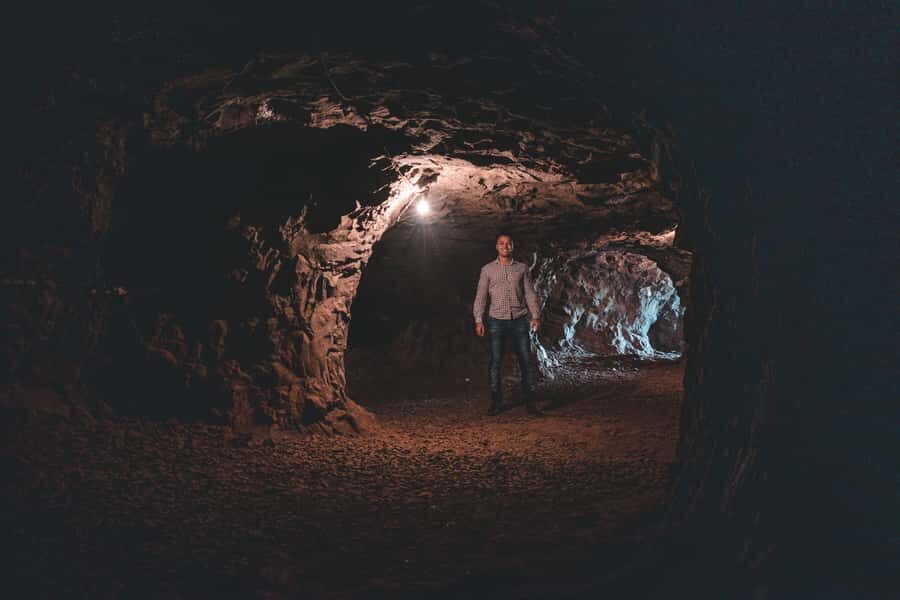
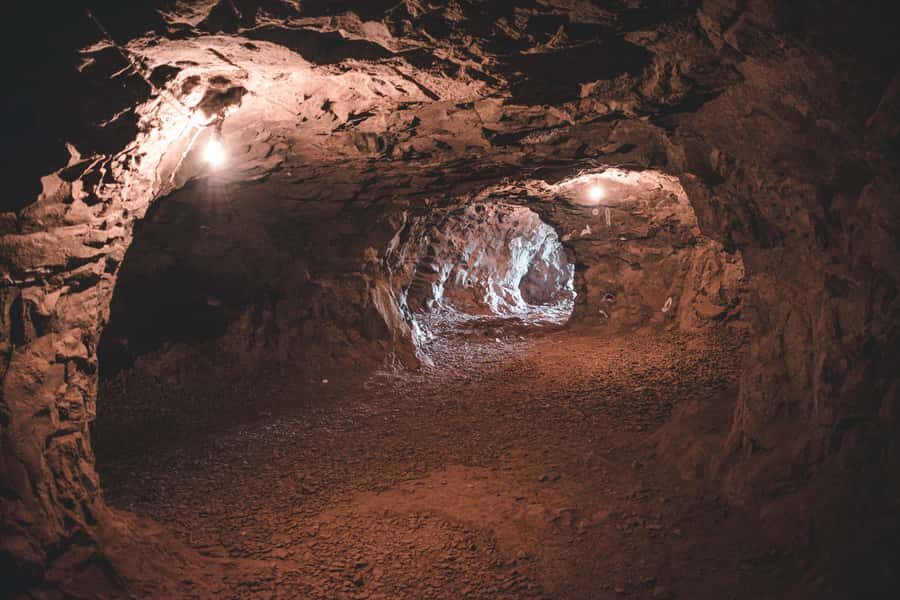
The tour’s headline is simple: discover gems hidden in the tunnels of Minas de Wanda. The setting is striking because you’re walking through the same world where people actively work with fragile materials.
You can access five gem mines during the tour. That gives you variety without forcing you to choose between completely different sites. The guide also connects what you’re seeing to the geology and the mining methods, especially the contrast between:
- open-air extraction (where you can observe the work more directly), and
- cave mining (which tends to feel tighter and more controlled because of space and fragility).
The operation is described as closely monitoring mining activity in both open-cast and cave areas. Translation for you: you’re not just looking at old history. You’re seeing an ongoing craft where timing and care matter.

Stones you’ll recognize: emeralds, rubies, amethysts, and more
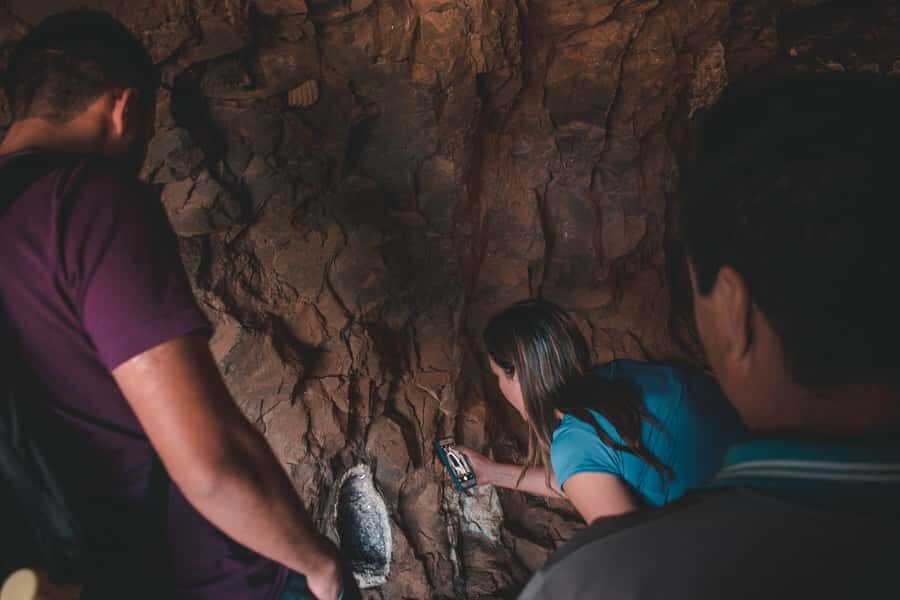
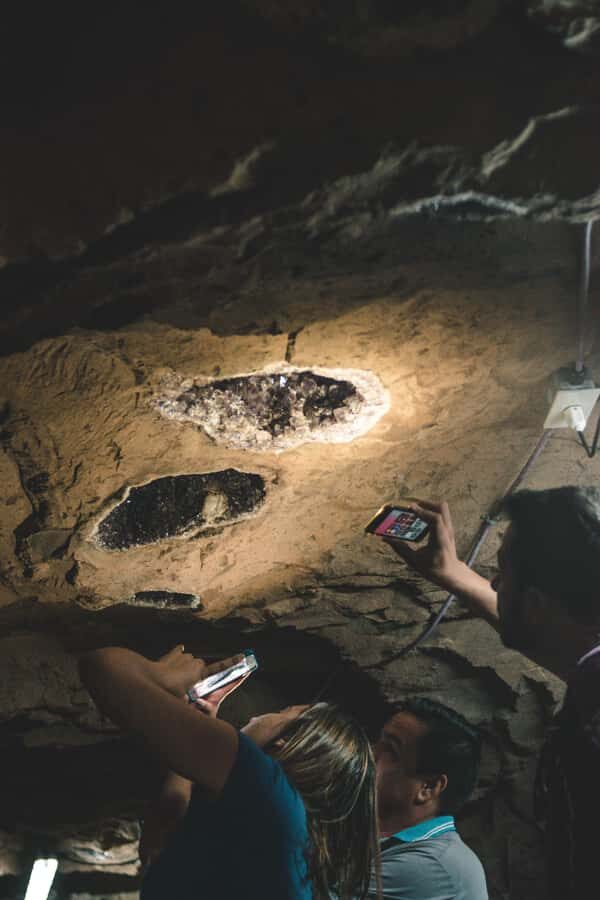
This is where the tour can be surprisingly satisfying. You’re told to expect a wide range of stones, not just one or two “main attractions.” The mines are said to offer at least 52 varieties, and the tour specifically references a list including:
- emeralds
- rubies
- amethysts
- agates
- topazes (yellow, blue, brown)
- pink rock crystals
- Venus crystal
- aquamarine
- plus other species
Even if you’re not a gem collector, this list helps you do two things:
1) match the stone names you hear to colors and textures you see, and
2) understand that the “gem mine” idea is really a mix of mineral types formed from the same volcanic story.
If you like photography, this section is also where you can get the best visuals—especially when the guide points out what to look for rather than letting you guess.
The open-air vs. cave comparison you’ll remember
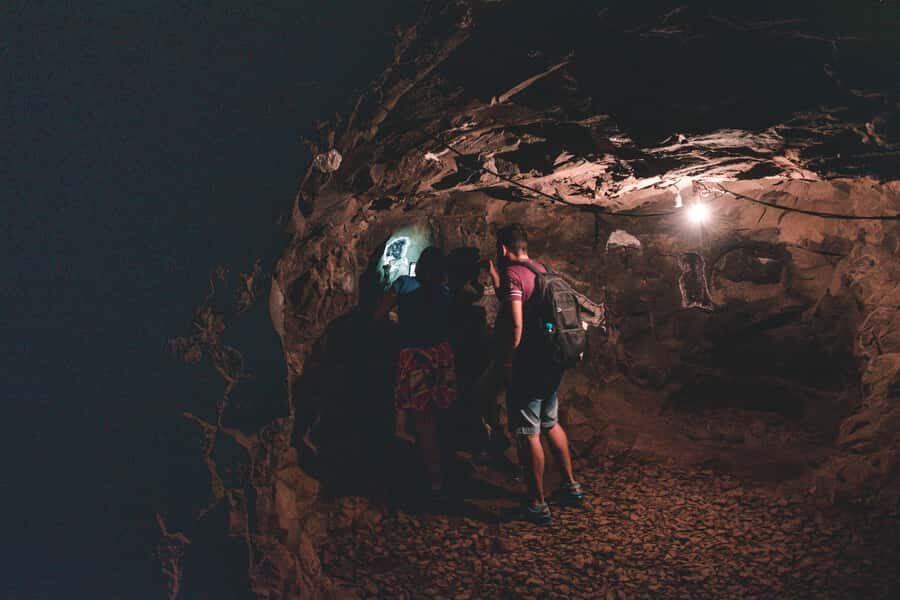
A tour that mixes both open-air and cave access changes the way you experience the mine. In open areas, you can better observe the workflow and scale. In caves, the environment emphasizes fragility: small movements and careful handling become a bigger deal because the treasures are described as fragile.
The tour also notes that artisanal handling can take more than a year in some cases. You don’t need to know the exact schedule to understand the point: quality work is slow. That mindset makes the stones feel more earned.
The Stone Museum display and what it adds (besides souvenirs)
On top of the mine stops, there’s a Stone Museum showing a collection of local species. This is useful because the mine environment can be visually intense. The museum gives you a calmer way to connect names and categories to what you’ve just seen.
You also get access to specialized stores where you can buy raw or worked samples. I like that this isn’t just about selling. If you want something small—like a souvenir that still has real mineral character—you’ll have options here. If you’re shopping, go in with your expectations set: you’re buying stone samples, not a guaranteed retail gem appraisal.
Photo stop and sightseeing: quick but helpful
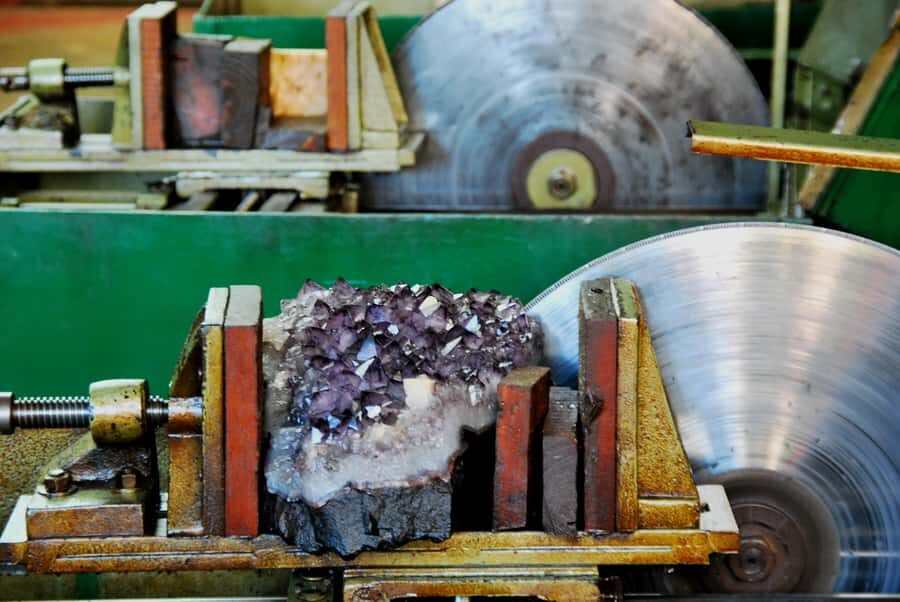
The tour includes a photo stop plus sightseeing time alongside the main guided mine visit. It’s not a long scenic detour, but it’s valuable for orientation. A quick photo moment also helps you document the unique look of the mining setting, especially if you plan to compare what you saw in Brazil vs. Argentina during the rest of your trip.
This tour is best when you treat it as a short focused visit. If you try to do it like a half-day hike, you’ll feel rushed. But if you lean into the guided explanations and use the sightseeing windows to reset your attention, it works well.
What the guide languages mean for your comfort
You’ll have a live tour guide in Portuguese, English, and Spanish. That’s more than a convenience detail. Mining tours depend on clear explanations: which stone types are being referenced, why the geology matters, and how cave vs. open mining changes the feel of the work.
In the feedback, the guide quality shows up as a common theme, with people pointing out that the tour is entertaining and that the guide knows the mines and the surrounding area. For you, that’s a big sign that the guide time is doing real work, not just walking you to a few doorways and hoping you figure it out on your own.
Who this tour suits best
This is a good fit if you:
- want a break from waterfall-heavy days,
- enjoy geology, minerals, and how processes work,
- like guided instruction while looking at something technical,
- prefer small group pacing over big bus tours.
It’s also a smart choice if you’re traveling with mixed ages. The excitement here isn’t just scenic views. It’s the tactile story of how gems form and how people extract them carefully.
Possible drawbacks to plan around
Two issues are worth considering before you book:
Time pressure: The tour is about 4 hours total, with about 1.5 hours in the mine visit. That can feel short if you’re the kind of person who wants to linger. The upside is that you get a guided overview without spending your whole day underground.
Border timing: On the route between Brazil and Argentina, crossing can be slow at times. It’s not a problem you can eliminate, but you can avoid frustration by treating the schedule as flexible and not pairing this with another tightly timed appointment.
Should you book Minas de Wanda?
I’d book this tour if you want something hands-on and different from the Iguazú falls circuit. At around $52, the guide + shared transportation value is solid, and the chance to see five active mines, including both open-air and cave mining, makes it feel more real than a static show.
I’d skip it—or at least adjust expectations—if you can’t handle border-day variability or if you want lots of free time to wander slowly. In that case, the tour’s short, guided structure may feel like a whistle-stop.
FAQ
How long is the Minas de Wanda tour?
It’s about 4 hours total, with around 1.5 hours spent in the guided mine area.
Where does pickup happen for this tour?
Pickup is available in central areas. If you’re in Puerto Iguazú, there are pickup options in the Centro area. If you’re in Foz do Iguaçu, the tour includes pickup from hotels in the central area.
What’s included in the price of the tour?
The tour includes guide service and shared round-trip transportation from hotels in Foz do Iguaçu or Puerto Iguazú (central areas).
What is not included?
You’ll need to budget for Wanda Mines admission, an ecotourism fee, and personal expenses. Food and drinks are also not included.
How big is the group?
The tour is limited to a small group of up to 15 participants.
What languages does the live guide speak?
The live guide can be provided in Portuguese, English, and Spanish.
Is there free cancellation?
Yes. You can cancel up to 24 hours in advance for a full refund.