REVIEW · BUENOS AIRES
Recoleta & Cemetery for curious people
Book on GetYourGuide →Operated by Social&Cultural · Bookable on GetYourGuide
Recoleta has a voice, and this tour lets you hear it. This is an interactive, anthropology-style walk that treats the neighborhood like a social story, not a sightseeing checklist. You start at Plaza San Martín, work through elite landmarks tied to the Parisian illusion, and finish at La Recoleta Cemetery to talk about who gets remembered and why.
I especially love how the guide turns architecture into conversation—asking you to notice details and then connecting them to bigger themes like Argentina’s rise and fall as a potential world power. I also like the pacing in a small group, with time for questions and the chance to shape how long you linger at certain spots. The main drawback to plan around: cemetery entry is optional, and the ticket is not included, so you may pay extra depending on what you want to do inside.
In This Review
- Key takeaways
- Recoleta & Cemetery: the neighborhood as Argentina’s social diary
- Starting at Rapa Nui Store and warming up at Plaza San Martín
- Edificio Kavanagh and Torre Monumental: when architecture signals ambition
- Mansión Estrugamou (Casa Basavilbaso) and Palacio San Martín: wealth written in stone
- A quick break at Carrefour Express before the institutions
- Embassy of France, Jockey Club, and Park Hyatt area: the Parisian illusion in public institutions
- La Recoleta Cemetery: the social meaning behind who’s remembered
- Guide style and why the small-group format keeps scoring high
- Price and value: what $34 gets you (and what costs extra)
- Who this tour suits best (and who may want a different option)
- Should you book this Recoleta & Cemetery tour?
- FAQ
- Where does the tour start?
- How long is the tour?
- How much does it cost?
- Is the cemetery ticket included?
- Can I buy the cemetery ticket in advance?
- What languages are available for the guide?
- Is this tour wheelchair accessible?
- What group size should I expect?
- Is free cancellation available?
Key takeaways
- Interactive discussion over lectures that connects buildings to Argentina’s social power
- Recoleta Cemetery is optional entry with tickets handled separately
- A “3-act” route: Plaza San Martín → elite mansions/institutions → La Recoleta Cemetery
- Small-group feel that makes room for individual questions
- Multi-language guides (Spanish, English, French) with a history-minded approach and humor
Recoleta & Cemetery: the neighborhood as Argentina’s social diary
This experience is built around a simple idea: Buenos Aires didn’t earn its reputation for elegance by luck. In Recoleta, you can still read the ambitions of Argentina’s elite in stone, scale, and style. The tour frames it as Argentina’s Gilded Age—an era when opulence was available to a few, and the rest watched from the sidelines.
What makes the walk feel different from a standard history tour is the way the themes are handled. You don’t just hear dates and names. You’re prompted to connect the past with the present and argue about what that means for the future of the capital. Expect spirited discussion around three big questions:
- How Buenos Aires learned to imitate Paris and why that mattered
- How vast landowners and economic swings shaped Argentina’s claim to global importance
- How La Recoleta Cemetery becomes a mirror for society: who is memorialized, who fades out, and what secrets sit behind the walls
If you enjoy stepping off the tourist trail and looking at a city like a living puzzle, this tour is a strong match. You’ll walk past famous landmarks, yes—but you’ll also be taught how to read them.
Other La Recoleta Cemetery tours we've reviewed in Buenos Aires

Starting at Rapa Nui Store and warming up at Plaza San Martín
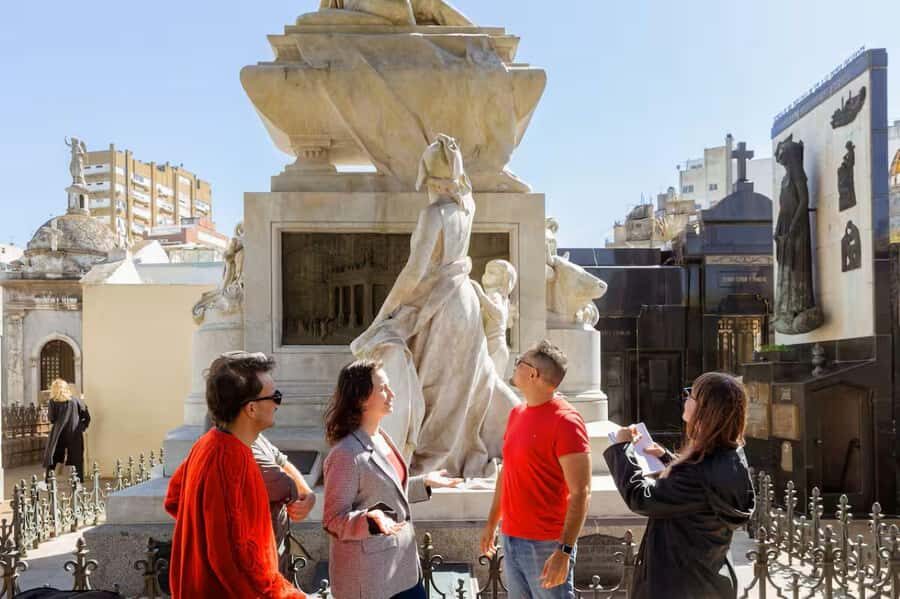
The meeting point is at Rapa Nui Store, and from there the tour begins with a guided introduction in Plaza General San Martín. This first stretch is more than getting your bearings. It sets the tone for the whole experience: the guide helps you notice how public space and elite space interact, and how the story of Buenos Aires can start in the open air before you move into private, grand buildings.
One nice touch is that Plaza General San Martín gets more than a quick stop. You spend guided time there, which helps the area feel less like a photo moment and more like a useful starting point. You’ll come away thinking about the city’s structure—what’s public, what’s reserved, and how power likes to show itself.
Practical tip: wear comfortable walking shoes. Even before the cemetery, the route is paced to keep you thinking, not just moving.
Edificio Kavanagh and Torre Monumental: when architecture signals ambition
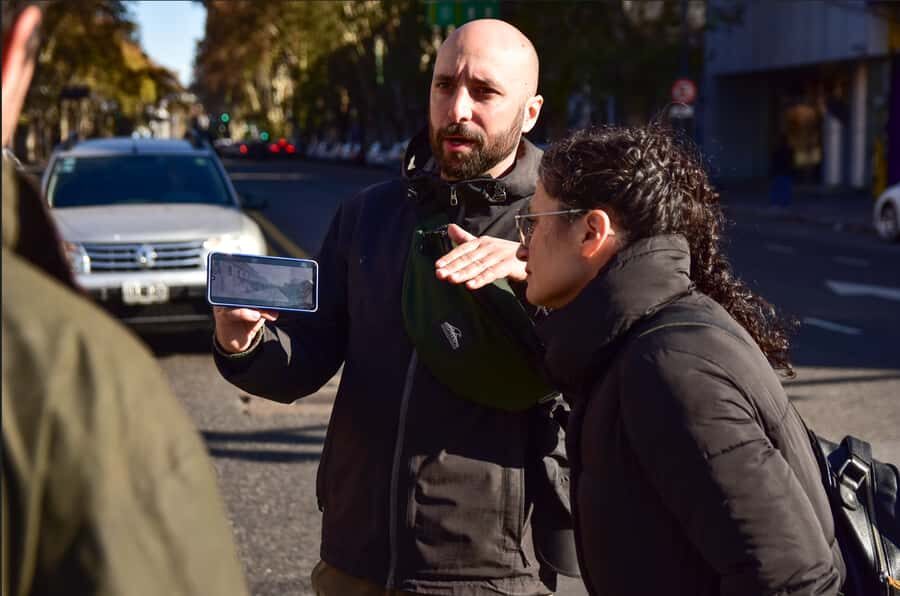
After Plaza San Martín, the route shifts into the “power signals” phase. You’ll pass Edificio Kavanagh and Torre Monumental, and the guide’s job is to get you to look at architecture as messaging.
Even without turning it into a technical lecture, this is where the tour starts paying off. These are the kinds of buildings that make you ask: who wanted to build this, and who were they trying to impress? That question feeds directly into the larger conversation about the ambition behind Buenos Aires’ famous nickname and the idea of a Parisian illusion—the belief that style, prestige, and status could be imported or manufactured.
What I like about this part is that it keeps the discussion grounded. You’re not asked to memorize facts for a quiz. You’re encouraged to interpret: how a city shows its confidence, and what happens when that confidence is tied to an elite class.
Mansión Estrugamou (Casa Basavilbaso) and Palacio San Martín: wealth written in stone
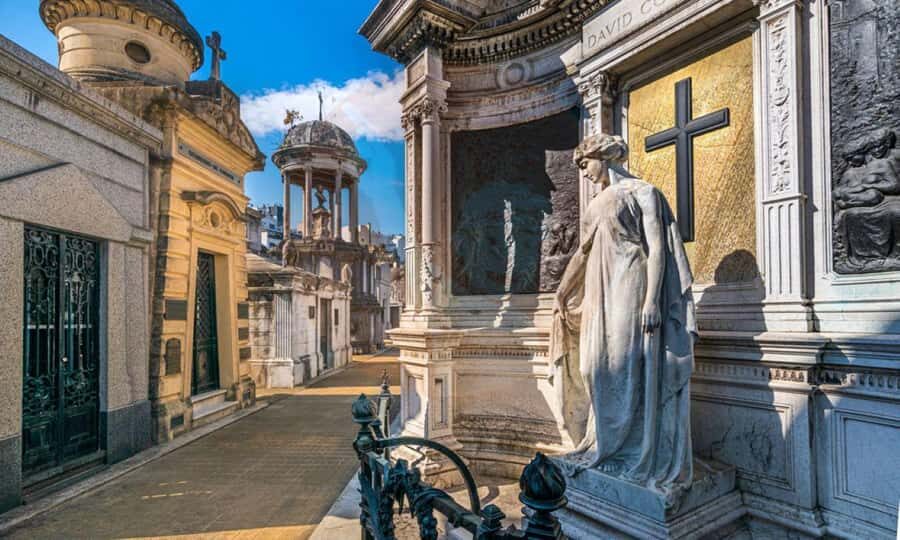
Next comes a run of stops focused on grand residences and landmark civic-adjacent buildings: Mansión Estrugamou (Casa Basavilbaso) and Palacio San Martín. The theme here is simple: elite power doesn’t only live in banks and clubs. It lives in the scale of your home, the confidence of your frontage, and the way your presence dominates the street.
This is also where the tour’s discussion about the rise and fall of Argentina’s fortunes starts to feel tangible. The guide links the neighborhood’s grandeur to a specific mindset: Argentina as a country with huge potential—paired with volatility and debates about what that potential could actually become.
Possible drawback for some people: if you only want quick photo stops and no conversation, this stretch might feel too talky. But if you like architecture as storytelling, this is one of the most rewarding sections.
A quick break at Carrefour Express before the institutions
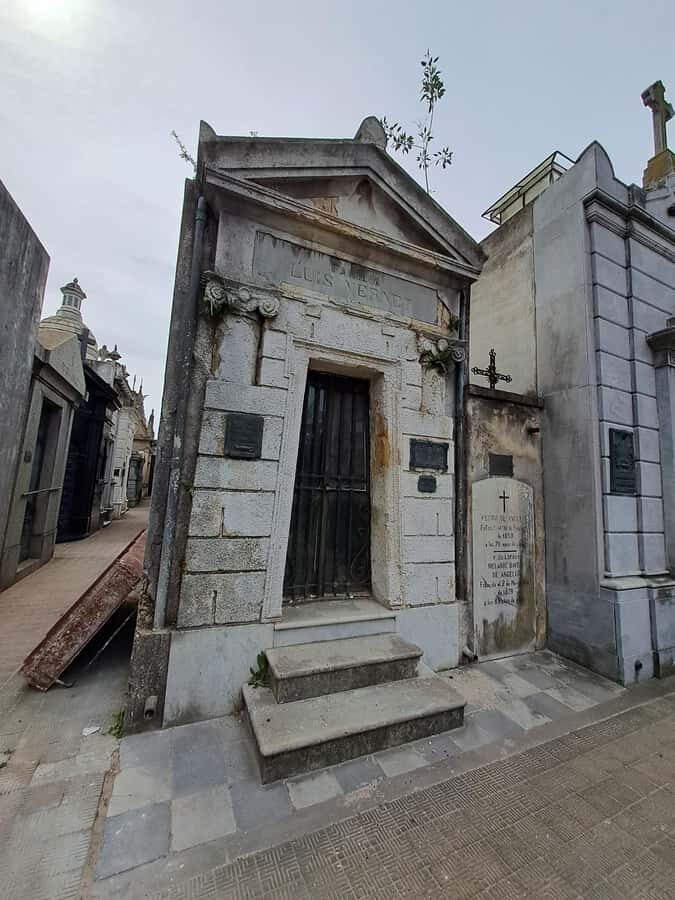
Between the grand residences and the French-linked stops, there’s a short break at Carrefour Express. It’s only about five minutes, so don’t expect a long pause—but it’s genuinely useful. You can grab water or a snack without breaking the flow of the walk.
This matters on a walking tour like this because the itinerary is designed for steady momentum: the discussion keeps building, and your brain stays engaged when your body is comfortable.






Embassy of France, Jockey Club, and Park Hyatt area: the Parisian illusion in public institutions
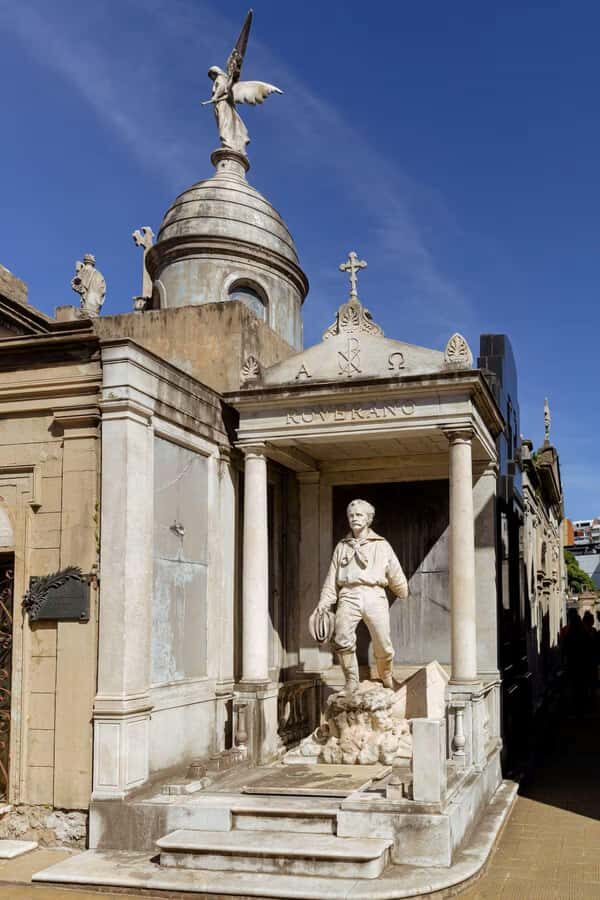
One of the tour’s recurring theme is the Parisian illusion, meaning the aspiration to be seen as sophisticated and modern. You see that idea repeated in the way the route connects culture and prestige.
The guided stops include:
- Embassy of France, Buenos Aires
- Jockey Club, Buenos Aires
- Palacio Duhau – Park Hyatt Buenos Aires (a shorter guided moment here)
Instead of treating these as separate sights, the guide ties them into a single argument: this neighborhood built its image through institutions and status spaces, not just private mansions. You start noticing patterns—where prestige goes, how it organizes itself, and how that shapes how a city feels to outsiders.
If you’re the kind of person who likes to connect dots, you’ll enjoy this section. It’s not just French association for the sake of it. It’s the deeper question: what does it mean to chase prestige, especially when political and economic reality is changing?
La Recoleta Cemetery: the social meaning behind who’s remembered
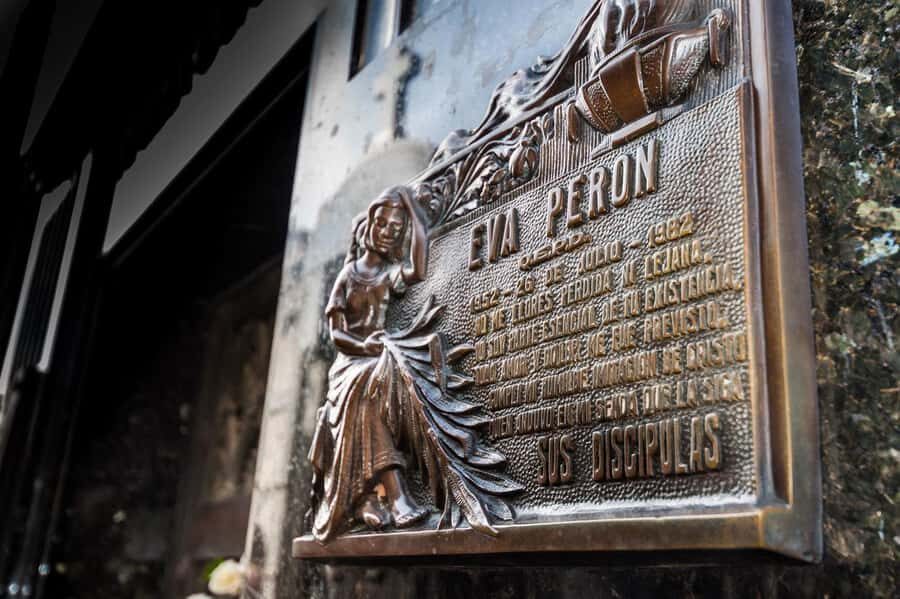
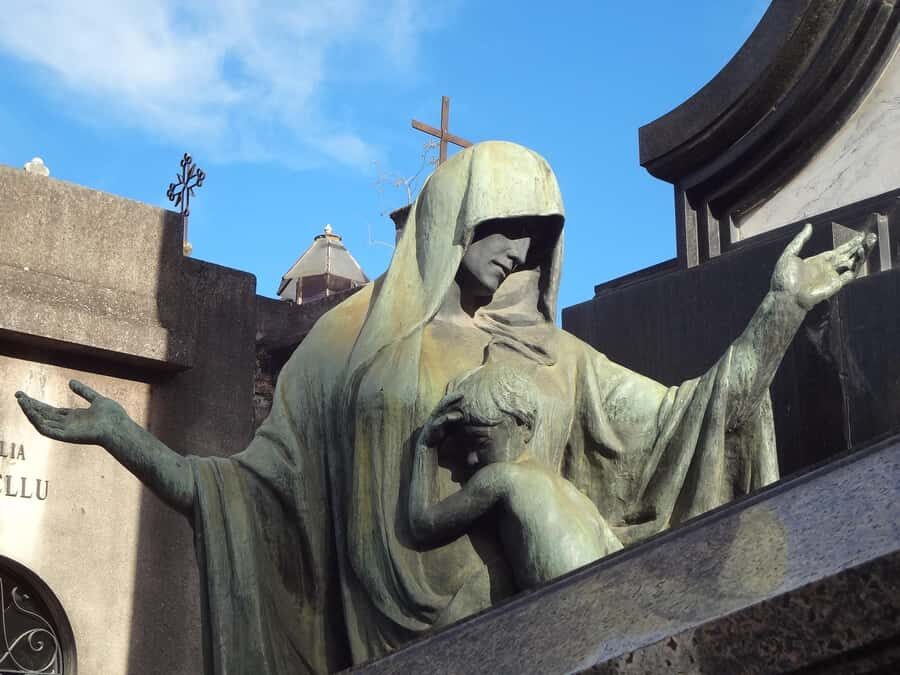
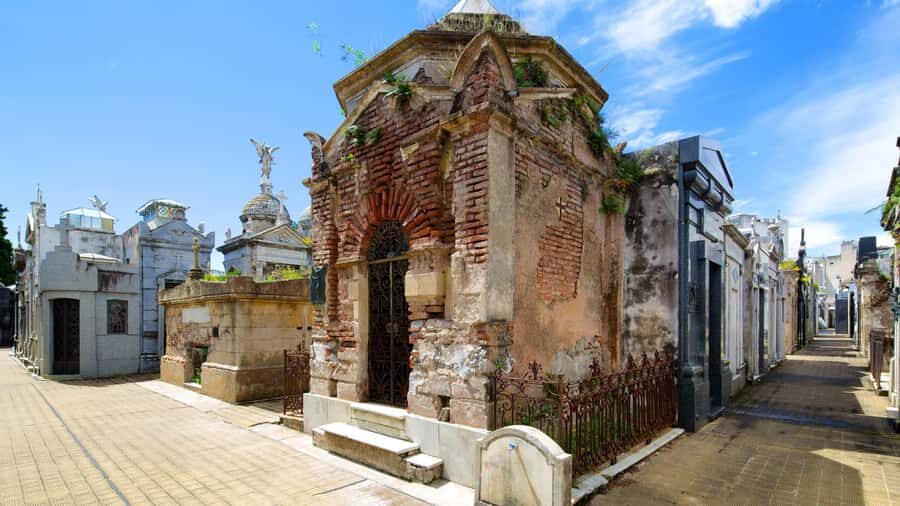
Then you reach the heart of the experience: La Recoleta Cemetery. The guided time here is about 45 minutes, and this part is framed as a “city of the dead” in a social sense.
The tour asks you to look for patterns, not just names:
- Who is remembered
- Who seems to be forgotten
- What kind of social message the cemetery sends
Entry into the cemetery is optional, and the cemetery ticket is not included. If you want the full experience, plan to buy your ticket either in advance online or at the entrance. The guide’s perspective will matter either way, but being inside is the difference between looking at the concept and seeing the physical evidence of it.
What I appreciate here is the tone. The cemetery isn’t treated as a spooky attraction. It’s treated as a lens. You’re guided to understand how elite societies use memory—how they define legacy—and how that affects what history looks like for the people who come later.
Small practical notes: take your time with the instructions from the guide, bring water if it’s warm, and wear shoes that handle uneven surfaces.
Guide style and why the small-group format keeps scoring high
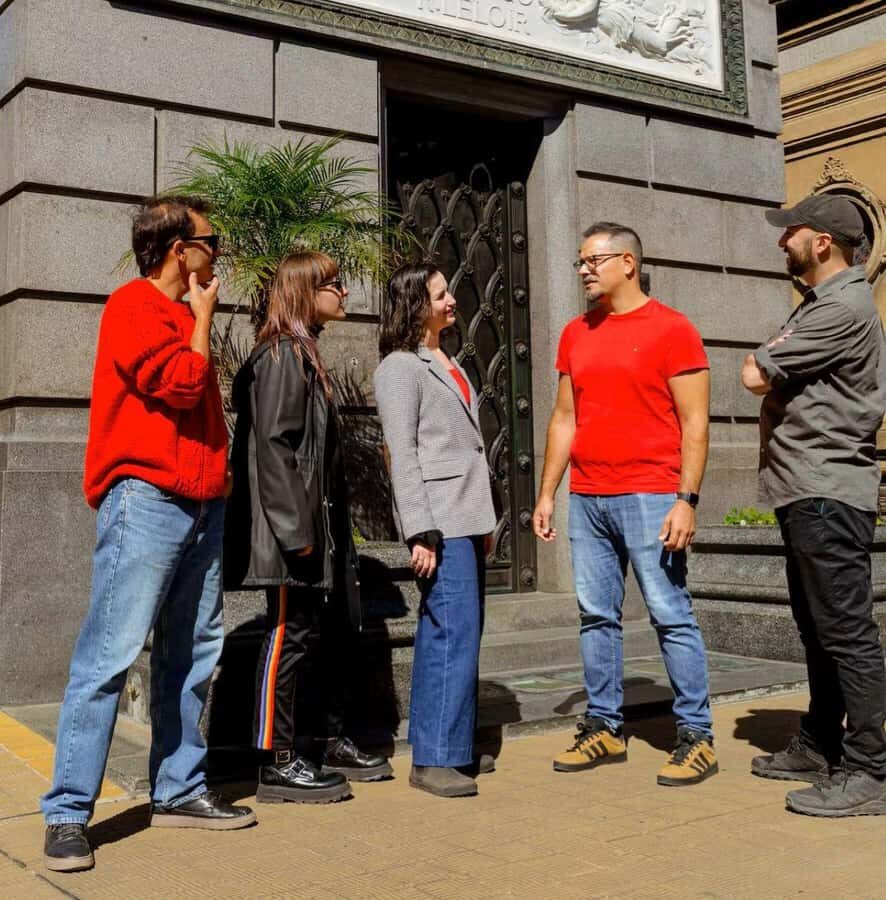
This tour is led by a live guide from Social&Cultural, and the format is built for discussion and back-and-forth questions. You’ll be in a private or small group, and the guide speaks Spanish, English, and French.
From the guide performances you’ll likely encounter, the common thread is that the conversation stays loose but structured. People named Nicolas Guise and Ignacio (often called Nico) are associated with a history-minded, humorous style, and with answering individual questions rather than rushing everyone along.
This matters because Recoleta can be intimidating if you feel like you’re supposed to know the references. A good guide does two jobs at once: they explain enough to get you started, then they let you ask your own questions so the neighborhood stops being a foreign code and becomes understandable.
If your idea of a good tour includes flexibility—pausing longer when something catches your attention—this setup is designed for that.
Price and value: what $34 gets you (and what costs extra)
At $34 per person for about 150 minutes, the price feels fair for a guided walk that covers multiple major landmarks plus an interactive discussion format. You’re paying for more than walking: you’re paying for a guide who connects architecture and institutions to the big themes—Parisian imitation, the elite’s power, and the social meaning of the cemetery.
What’s not included is the cemetery ticket, and entry is optional. That means the tour can work two ways:
- If you’re budget-focused, you can keep the cemetery part more conceptual.
- If you want the full “City of the Dead” experience, you should plan to add the ticket cost.
Compared to a longer half-day tour, this one is compact enough to fit cleanly into a busy Buenos Aires itinerary, especially if you’re staying central and want a focused slice of Recoleta.
Who this tour suits best (and who may want a different option)
This is a great fit if you:
- Enjoy history when it’s explained through discussion, not just facts
- Like walking routes that connect buildings to social power
- Want to understand why Recoleta looks the way it does and what that meant for Argentina
- Prefer small-group pacing so you can ask questions
It may be less ideal if you:
- Want a strict, silent photo walk with no themes or dialogue
- Expect the cemetery entry to be fully included and automatic
- Prefer purely academic history without debate-style prompts
Should you book this Recoleta & Cemetery tour?
I’d book it if you like Buenos Aires when it’s thoughtful: when the city isn’t just pretty, but explainable. The combination of Plaza San Martín orientation, elite architecture stops, and a cemetery segment that reads like social analysis gives you more than “what you see.” You leave with a framework for understanding Argentina’s capital and the contradictions behind its glamour.
If you’re curious, flexible, and happy to talk while you walk, this tour is one of the better ways to spend your time in Recoleta.
FAQ
Where does the tour start?
The tour meeting point is Rapa Nui Store.
How long is the tour?
The total duration is 150 minutes.
How much does it cost?
The price is $34 per person.
Is the cemetery ticket included?
No. Cemetery entry is optional, and the cemetery ticket is not included.
Can I buy the cemetery ticket in advance?
Yes. Tickets can be purchased online in advance or at the entrance.
What languages are available for the guide?
The live guide offers Spanish, English, and French.
Is this tour wheelchair accessible?
Yes. The tour is wheelchair accessible.
What group size should I expect?
You can choose private or small groups.
Is free cancellation available?
Yes. Free cancellation up to 24 hours in advance is offered for a full refund.