REVIEW · BUENOS AIRES
Buenos Aires Hop-On Hop-Off Bus and Exclusive Benefits
Book on GetYourGuide →Operated by Buenos Aires Bus (Hop-On Hop-Off) · Bookable on GetYourGuide
Buenos Aires is massive. This bus helps you tame it.
The Buenos Aires Hop-On Hop-Off service is flexible by design: you hop off when something catches your eye, then hop back on when you’re ready. I like that it pairs a panoramic ride past major neighborhoods with an audio guide in 9 languages, so you can learn as you go without joining a fixed walking group.
What I really like is the high-frequency service—buses run roughly every 15 minutes—so you’re not stuck waiting around all day. I also like that the ticket includes exclusive discounts at select restaurants, shops, and attractions, so the pass can pay back in small but real ways.
One thing to consider: the route is long on the road, and city traffic can stretch your timing. Also, some people find the onboard audio and music moments a bit uneven, so you may want to adjust headphone volume now and then.
In This Review
- Key Things I Think You’ll Notice
- Why Buenos Aires Hop-On Hop-Off Actually Makes Sense Here
- Price and Pass Options: What $35 Buys You (and What It Doesn’t)
- Meeting Point and Ticket Exchange: Don’t Show Up on Empty
- The Route: How Long You’ll Be Riding and Why Traffic Matters
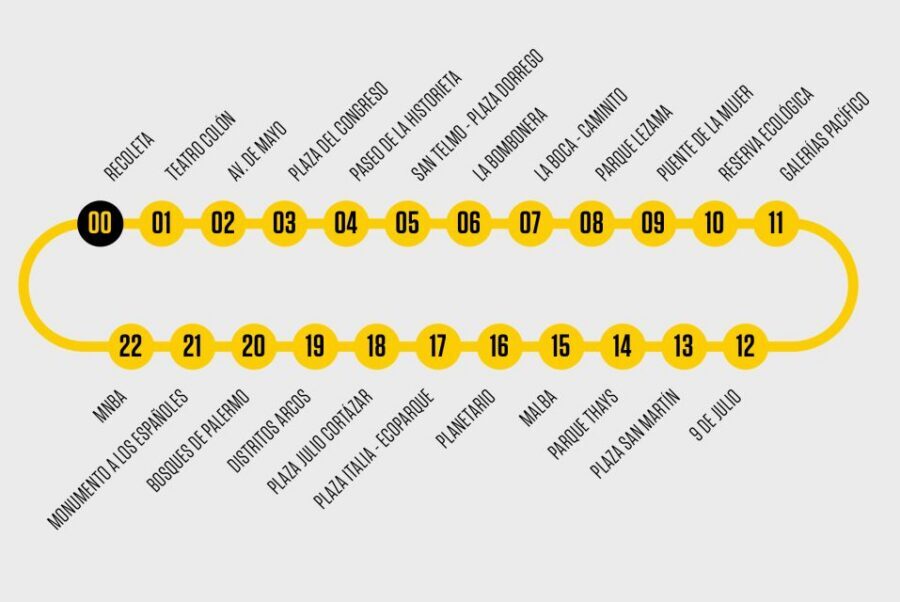
- Stop-by-Stop: What You’ll See and How to Use Each One
- Plaza de Mayo and the Obelisk for First-Arrival Orientation
- Teatro Colón Area for Architecture Fans
- La Boca and Caminito for Color, Energy, and Lunch Potential
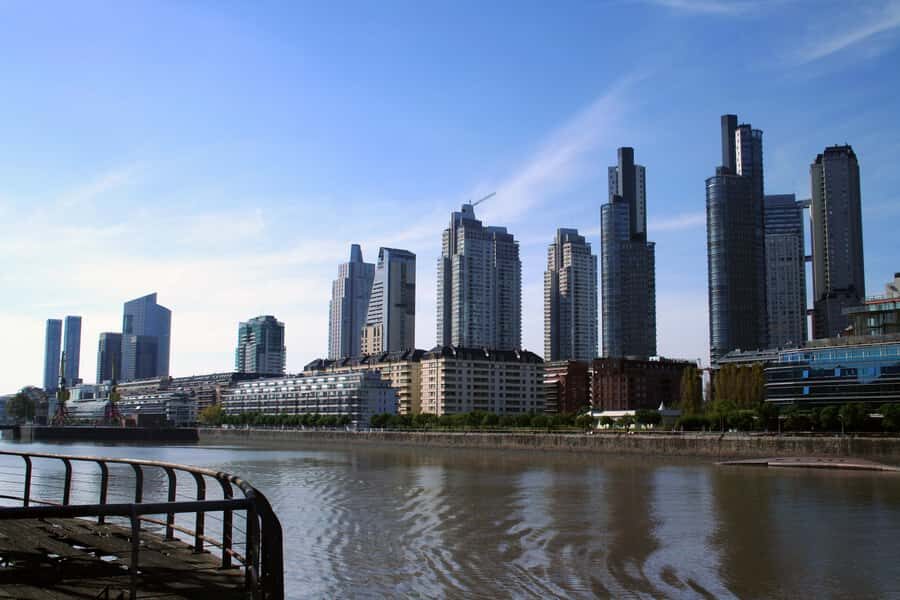
- Puerto Madero for Modern Views and a Cleaner Walk
- Recoleta and the Puente de la Mujer for Classic Buenos Aires Looks
- El Rosedal (Rose Garden) and Palermo for Scenic Road-Time
- Audio Guide on Headphones: Great in Theory, Mixed in Practice
- On the Bus Comfort: Top Deck Views, Noise, and Weather Reality
- Exclusive Discounts: How to Turn the Pass Into Savings
- Timing Strategy: The Best Way to Use 24, 48, or 72 Hours
- Who Should Book This Bus Pass (and Who Might Skip It)
- Should You Book the Buenos Aires Hop-On Hop-Off Bus?
- FAQ
- FAQ
- How long is the full bus route?
- How often do the buses run?
- Where do I exchange my voucher before boarding?
- What’s included with the ticket?
- What is not included?
- What should I bring?
- Is it wheelchair accessible?
Key Things I Think You’ll Notice
- 15-minute rhythm: frequent buses make hopping off and returning much easier
- 9-language audio guide: headphones with commentary plus music for the ride
- Major highlights included: Obelisk, Plaza de Mayo, La Boca, Puerto Madero, Recoleta, and more
- 24/48/72-hour flexibility: match the pass to how many times you’ll ride
- Discounts beyond the bus: save on select places around the city
- Long day feel: the full run takes about 3 hours 20 minutes without stops
Why Buenos Aires Hop-On Hop-Off Actually Makes Sense Here
Buenos Aires can feel like several cities stacked on top of each other. Distances are bigger than they look on a map, and cab or rideshare costs add up fast—especially if you’re trying to bounce between neighborhoods like Recoleta, La Boca, and Palermo.
This hop-on hop-off format is built for that problem. You get a structured route (with key sights marked along the way), but you’re not trapped in a rigid schedule. You can do the “orientation loop” first, then return later to the spots you actually want to spend time in.
The comfort factor matters too. You’re riding a proper bus for the transfers, not walking between far-apart areas. And because the audio runs by location, you can treat the drive like a moving museum label—only you decide when to step off and become a normal pedestrian.
If you’re visiting for 1 to 3 days, this is a strong way to see the big landmarks without turning your vacation into a logistics project.
Other Buenos Aires tours we've reviewed in Buenos Aires


Price and Pass Options: What $35 Buys You (and What It Doesn’t)

The price is listed as $35 per person, with options for 24, 48, or 72 hours. Here’s how I’d think about value.
For a first-time visit, a one-day pass is often enough to get your bearings. Do one full loop, then spend your second day (if you have one) focusing on neighborhoods you liked. If you want to slow down—stop for lunch in one area, then return for the evening light—48 or 72 hours are the more relaxed choice.
The pass includes the bus ride plus the 9-language audio guide, headphones, and online tracking. It also includes exclusive discounts at selected restaurants, shops, and attractions, which can stretch the value. One rider even mentioned seeing offers around 30% off at some spots (check what’s currently posted at the ticket office when you exchange).
What the pass does not include: food, drinks, and museum or attraction entrance fees. So if you’re planning paid entries (or timed museum visits), budget that separately.
Meeting Point and Ticket Exchange: Don’t Show Up on Empty
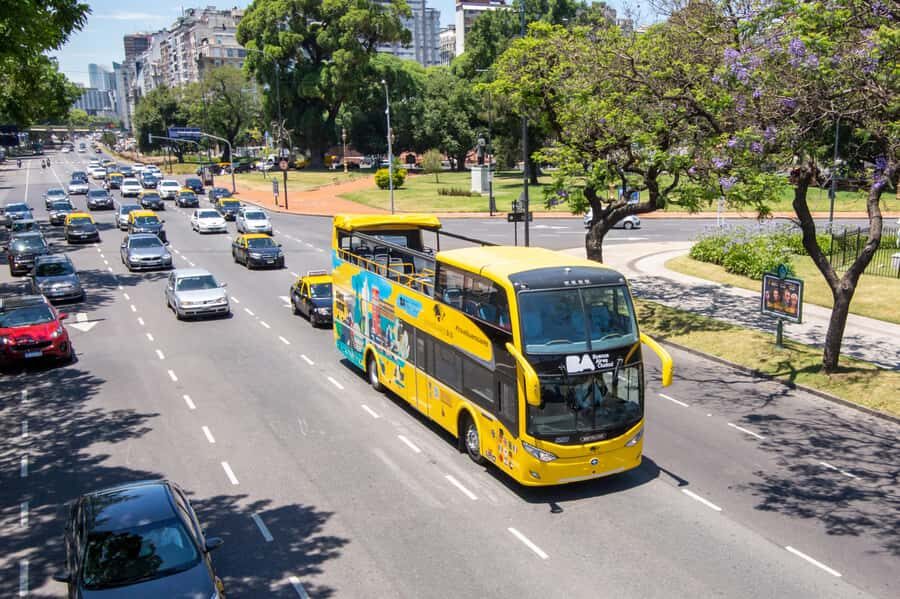
Plan to arrive about 15 minutes early. You can’t just roll up with your voucher. You need to exchange it at the ticket counter located at 466, Córdoba Avenue before the tour begins.
Once you’ve exchanged for the actual bus ticket, you can board at any of the bus stops. That’s an important point: you don’t need to cram yourself into the first bus like you’re catching a flight. You’re building your day around the stops you want.
Also bring a passport or ID card. The bus is comfortable, but the process is still a real-world voucher exchange, so keep it simple and go early.
If you’re the type who hates standing in lines, aim for the first start time of your chosen day. Buses are frequent, but popular stops can still get crowded.
The Route: How Long You’ll Be Riding and Why Traffic Matters
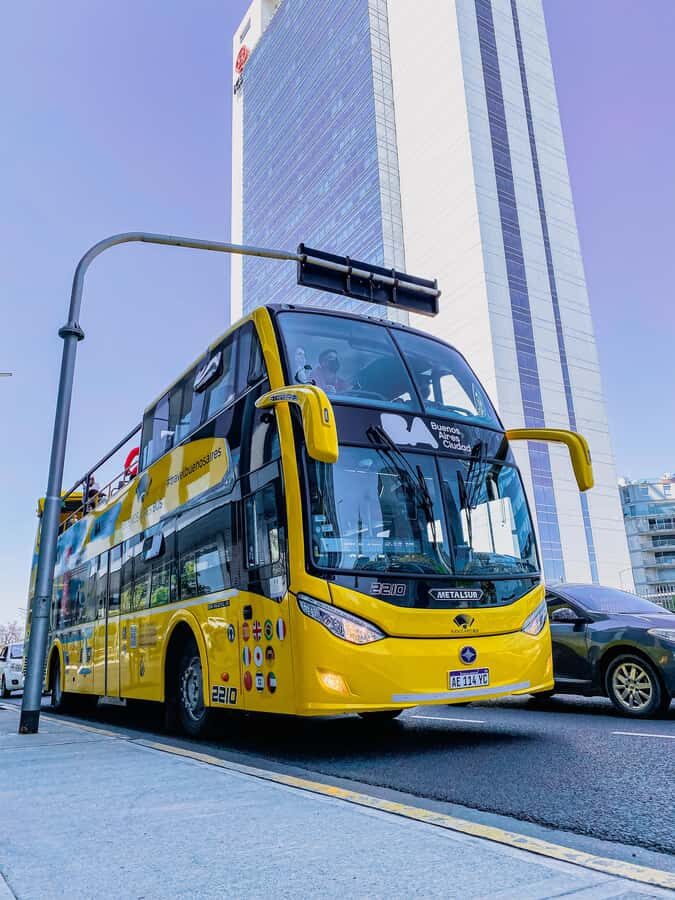
The full route takes about 3 hours 20 minutes without stops. That’s your baseline. In real life, boarding time, waiting for the next bus at a busy stop, and walking back and forth can stretch it.
Buses run throughout the day about every 15 minutes. One practical upside: if you hop off for coffee, you usually don’t lose your place for long. Still, Buenos Aires has traffic, special events, and demonstrations sometimes. Those can cause delays, so don’t schedule tight museum reservations right after a planned bus return.
You’ll also find that walking from stops to landmarks can be more than a quick hop. Some stops are close; others have a longer walk. If you’re doing a lot of “hop off then explore then hop back on,” build in comfortable walking shoes and buffer time.
Stop-by-Stop: What You’ll See and How to Use Each One

Other hop-on hop-off tours we've reviewed in Buenos Aires

Plaza de Mayo and the Obelisk for First-Arrival Orientation
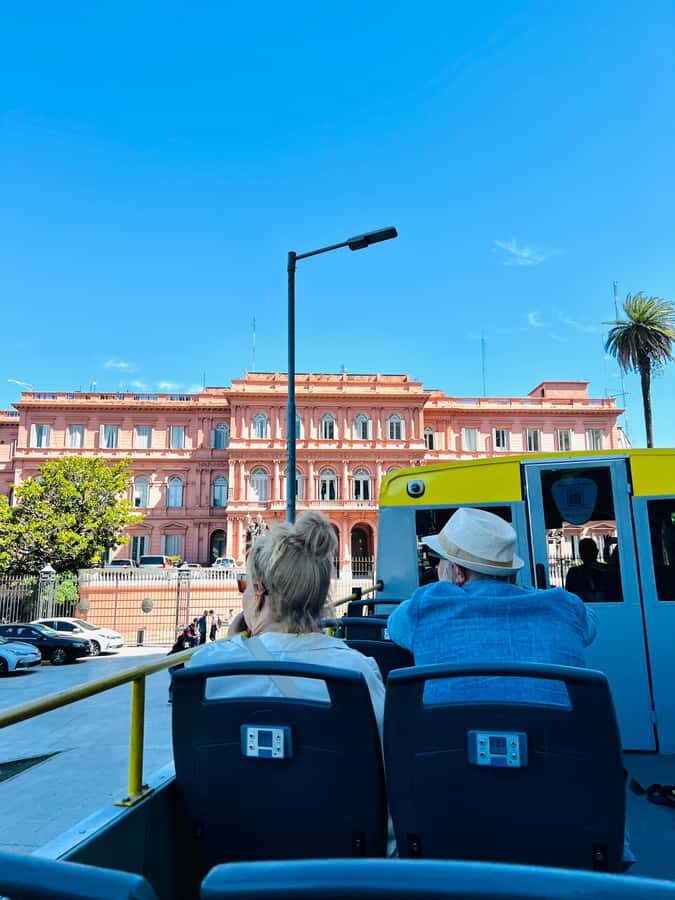
This is the civic Buenos Aires zone, and it’s the easiest place to understand why the city is so dramatic. When the bus passes the Obelisk and Plaza de Mayo, you’re in the center of Argentina’s public life—big squares, bold architecture, and a sense of scale that’s hard to get from a street-level walk alone.
The smart move: use this segment to orient yourself. Even if you don’t get off right away, watch where the landmarks sit relative to your future plans. Then, once you’ve seen the route once, you can hop off later for photos or a slower wander.
One caution: if you’re hoping for quick stops with zero walking, some nearby sights may require a bit of walking depending on the exact stop location.
Teatro Colón Area for Architecture Fans
The bus highlights Teatro Colón, one of Buenos Aires’ most famous cultural landmarks. If you’re into grand facades and classic city design, this is a great segment to pay attention to—even if you’re not entering.
Use it as a “look from the street first” moment. If you later decide you want a closer look (or a ticketed performance), you’ll already know where it sits and how to reach it without guesswork.
La Boca and Caminito for Color, Energy, and Lunch Potential
La Boca is where the city’s character turns loud and colorful. You’ll ride past the famous Caminito area, and you’ll get the kind of views that make you stop holding your phone and start watching the neighborhood itself.
A practical way to use this stop: plan a chunk of time. One reason people like this pass is that you can time lunch around the neighborhood you’re in. If you hop off for Caminito, consider staying long enough to walk a few blocks and not just take two photos and rush back.
Also, if you’re aiming for good lighting, know that street scenes can look different depending on the time of day. The hop-on hop-off format lets you adjust without paying for separate transport each time.
Puerto Madero for Modern Views and a Cleaner Walk
Puerto Madero shifts the mood. Instead of old-school streets, you get a more modern waterfront feel and cleaner lines for photos.
This is a good stop when you want a break from the more chaotic energy of the older neighborhoods. It’s also a helpful area to pause and reset before heading toward Recoleta.
Recoleta and the Puente de la Mujer for Classic Buenos Aires Looks
Recoleta is where you’ll feel the city’s more elegant architecture. The bus route includes Recoleta, and you’ll also pass the Puente de la Mujer, known for its photo-friendly shape and views over the water.
If your legs are tired, this is a nice segment to enjoy from the bus first, then get off only if you still have energy. The hop-on hop-off system lets you “spend” your energy where it matters.
El Rosedal (Rose Garden) and Palermo for Scenic Road-Time
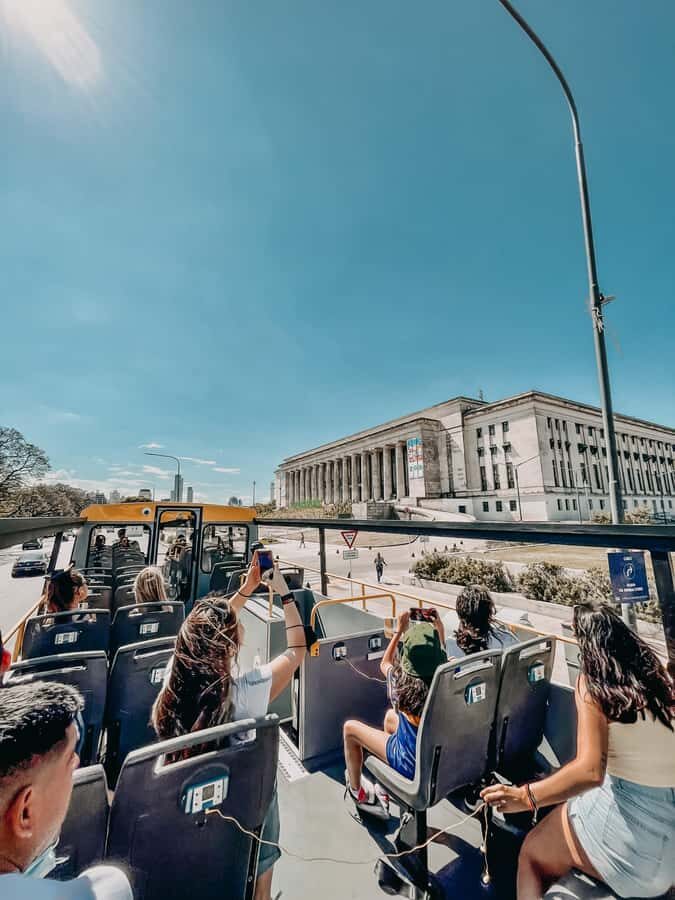
You might also catch El Rosedal and the broader Palermo area. One useful tip: use the bus ride for scenic passing views. The top-deck setup and panoramic riding help when you want photos without hunting for the perfect spot on foot.
Even if you’re not fully exploring Palermo yet, this segment can help you decide where you want to return later—especially if you love gardens, viewpoints, or a more modern city vibe.
Audio Guide on Headphones: Great in Theory, Mixed in Practice
The audio guide is a core part of the experience. It’s available in Chinese, English, French, German, Italian, Japanese, Portuguese, Russian, Spanish, and you’ll get headphones included.
In the best moments, it’s timed well with the stops and makes the drive feel like guided sightseeing. A lot of riders love how it helps them understand what they’re seeing and gives useful context on the fly.
But here’s the honest part. Some riders reported the audio can be inconsistent—sometimes music between segments is loud enough that you want to turn it down or remove an earplug, and in a few cases audio quality or clarity isn’t perfect. A couple of people also said the English audio didn’t work well for them.
My practical advice: bring your patience for occasional audio quirks. When the commentary starts, keep an ear on the volume. If the bus gets noisy, you may need to adjust your listening.
On the Bus Comfort: Top Deck Views, Noise, and Weather Reality
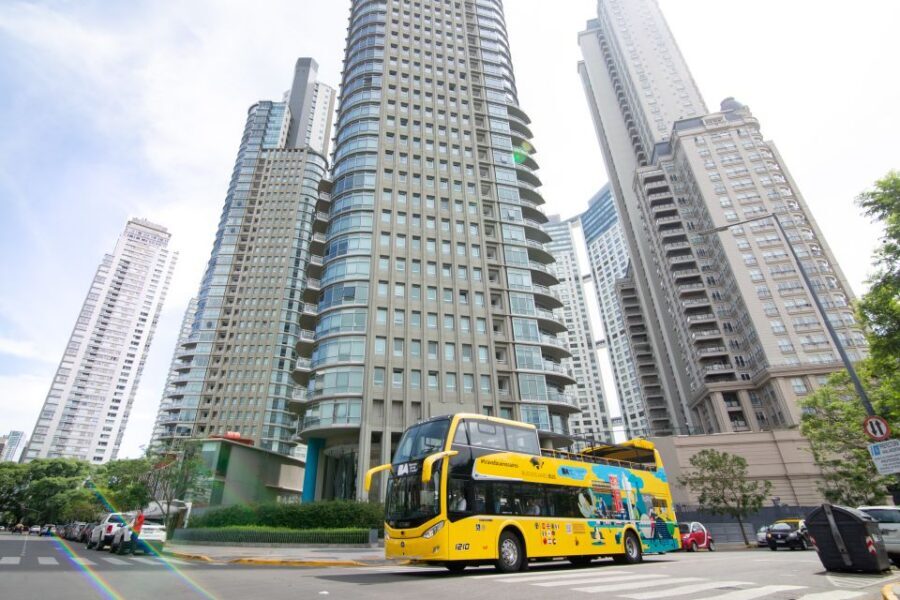
You can choose your comfort style. Some buses offer an upper deck with panorama windows, which helps if it’s cold or windy. On good days, outside seating on the top deck can deliver great photos—just remember traffic noise can make listening harder.
One small detail that matters: some people found the ride smooth even in busy traffic, while others noted discomfort due to wind and road noise. So if you’re sensitive to sound, you might prefer seating that’s more enclosed.
If it’s hot, expect people to move around and look for spots. It can get crowded at popular stops, and buses can fill before the next one arrives—so plan to be flexible.
Exclusive Discounts: How to Turn the Pass Into Savings

Your ticket includes exclusive discounts at selected restaurants, shops, and attractions. The exact offers can vary, so treat this as a chance to save on something you were already going to do—meals, casual shopping, or a small paid activity you planned anyway.
In one case, a rider mentioned seeing 30% discounts posted for certain restaurants at the ticket office. That kind of deal can matter, especially if you’re mixing neighborhood walks with normal city spending.
The takeaway: check the discount list at the ticket exchange counter. If it lines up with your interests, use the pass beyond the route.
Timing Strategy: The Best Way to Use 24, 48, or 72 Hours
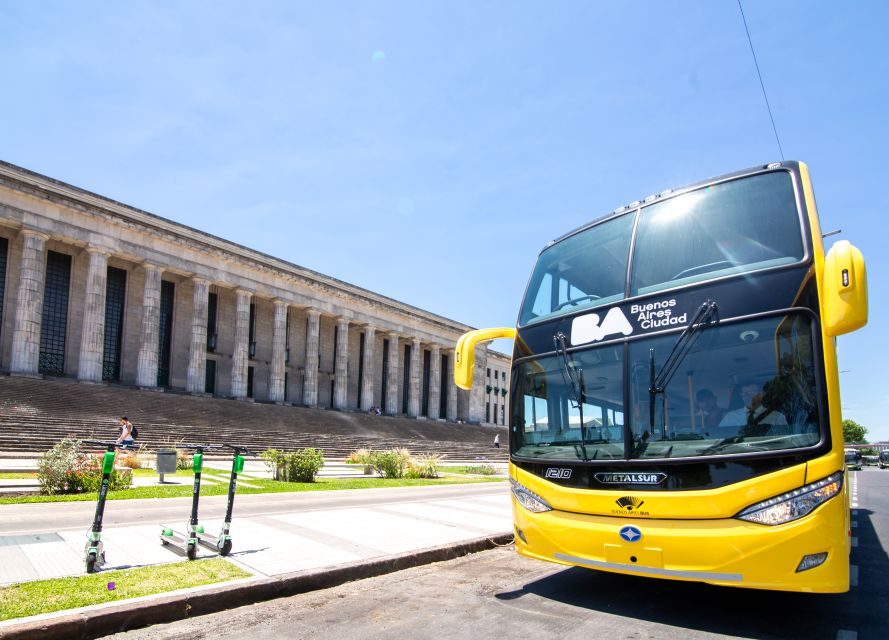
Here’s the approach that works without stress.
If you’ve got 24 hours, do one full loop first. Don’t try to see everything on day one. Treat it as a city map you can ride. Then pick your “must do” neighborhoods for the rest of your stay.
With 48 hours, you can do a first loop one day and then hop off more deliberately on day two. This is a nice setup if you want time for photos, long lunches, and one or two paid attractions you actually care about.
With 72 hours, you can spread it out. Use one day for orientation, one day for deeper neighborhood wandering, and one day for a slower re-ride where you want better angles or a second look.
No matter the option, remember the full loop is about 3 hours 20 minutes without stops. Give yourself enough time that the day doesn’t feel like a race.
Who Should Book This Bus Pass (and Who Might Skip It)
This is a great fit if you:
- want an easy orientation to a big city
- like the idea of hop-on flexibility without complicated planning
- are traveling solo or in a small group and want control over your pacing
- plan to visit multiple neighborhoods in a short trip window
- want a sightseeing plan that works in rainy or changeable weather (you stay on the bus for the hard travel time)
You might skip it if you:
- hate audio-guided experiences and expect constant live commentary
- only care about one or two attractions and don’t want to pay for broad coverage
- need museum entrance tickets included in the cost (those aren’t included)
Should You Book the Buenos Aires Hop-On Hop-Off Bus?
I’d book it if you want to see the main landmarks without doing transport math all day. The combo of frequent buses, a route built around top sights, and a 9-language audio guide is exactly how you make Buenos Aires workable for a short visit.
If you’re picky about audio quality, go in knowing it can be uneven. And if you plan to hop off often, give yourself time for walking from stops to specific sights. Do that, and this pass becomes a smart foundation for the rest of your Buenos Aires days.
FAQ
FAQ
How long is the full bus route?
The full route takes about 3 hours 20 minutes without stops.
How often do the buses run?
Buses run approximately every 15 minutes, though traffic and special events can affect timing.
Where do I exchange my voucher before boarding?
You must exchange your voucher at the ticket counter at 466, Córdoba Avenue before the tour begins.
What’s included with the ticket?
You get the bus ticket (24, 48, or 72 hours depending on your option), headphones, the audio guide in 9 languages, and online tracking, plus exclusive discounts on selected places.
What is not included?
Food and drinks are not included. Entrance fees to attractions are also not included.
What should I bring?
Bring a passport or an ID card.
Is it wheelchair accessible?
Yes, the service is wheelchair accessible.