REVIEW · BUENOS AIRES
Buenos Aires: 7 Hour Small Group “BA 101” Walk
Book on GetYourGuide →Operated by BuenosTours · Bookable on GetYourGuide
Buenos Aires makes sense when you walk it. This BA 101 semi-private walking tour stitches together multiple neighborhoods, with an English-speaking guide explaining what you’re seeing as you go. You’ll hit big sights like Recoleta Cemetery and Plaza de Mayo, but you’ll also move through quieter streets where the city’s personality shows up fast.
I especially like the small group setup (up to 7 people) because it makes questions feel natural instead of rushed.
The best part for me is that it’s not just sightseeing. You get morning coffee (or an equivalent drink), a local lunch (main plus beverage), and you’re covered on entrance fees and transit during the day. One thing to consider: it’s a full 7-hour walk with plenty of moving between stops, so comfortable shoes aren’t optional, and it’s not a good match if you’re dealing with a cold or need lots of wheelchair-friendly access.
In This Review
- Key Things I’d Focus On Before You Go
- What BA 101 Really Feels Like: A Highlights Tour With Local Threading
- Barrio Norte to Recoleta: El Ateneo, Plaza Rodriguez Peña, and the Cemetery Within the City
- El Ateneo Grand Splendid and a fast sense of style
- Plaza Rodriguez Peña and Palacio Sarmiento
- Palacio de Aguas Corrientes: a building with a story
- Recoleta Cemetery: Eva Perón and mausoleums that feel like architecture
- Plaza Francia and Our Lady of Pilar Church
- The City Center Loop: Teatro Colón, Plaza Lavalle, and a Photo With the Obelisco
- Teatro Colón at San Nicolas
- Plaza Lavalle and the Supreme Court building
- Avenida 9 de Julio and the Obelisco
- Avenida Corrientes and Confitería La Ideal
- Florida Street and the Historic Center: Plaza de Mayo, Casa Rosada, and Cathedral Details
- Plaza de Mayo: founded 1580 and still the city’s anchor
- Casa Rosada: the balcony and the Perón-Evita connection
- Oldest sites and the oldest subway line detail
- Buenos Aires Cathedral and Pope Francis
- San Telmo: Plaza Dorrego, San Telmo Indoor Market (Built 1897), and Defensa Street
- Plaza Dorrego and atmospheric street life
- San Telmo Indoor Market: iron structure, antiques, and food vendors
- Defensa Street: cobblestones and old architecture
- Coffee, Lunch, Transit, and Entrance Fees: Where the $160 Value Comes From
- The Guide Makes the Day: Expect Questions, Stories, and Practical Answers
- Timing and Footwear: How to Make This 7-Hour Walk Feel Comfortable
- Should You Book BA 101?
- FAQ
- What’s the duration of the Buenos Aires BA 101 walk?
- What time does the tour start, and where do I meet?
- Where does the tour end?
- How many people are in the group?
- Is the tour guided, and what language is it in?
- What’s included in the price?
- Is Recoleta Cemetery admission included?
- Do I need to bring anything?
- Is smoking allowed?
- What about cancellation and payment flexibility?
- Who isn’t suitable for this tour?
Key Things I’d Focus On Before You Go
- Small-group pace: up to 7 people, so you can actually ask questions.
- Big hitters, in one day: Recoleta Cemetery, Teatro Colón, Plaza de Mayo, and San Telmo Market.
- Food and coffee included: morning coffee plus a local lunch with a beverage.
- Transit included: you’ll take public transport as part of the route instead of planning it yourself.
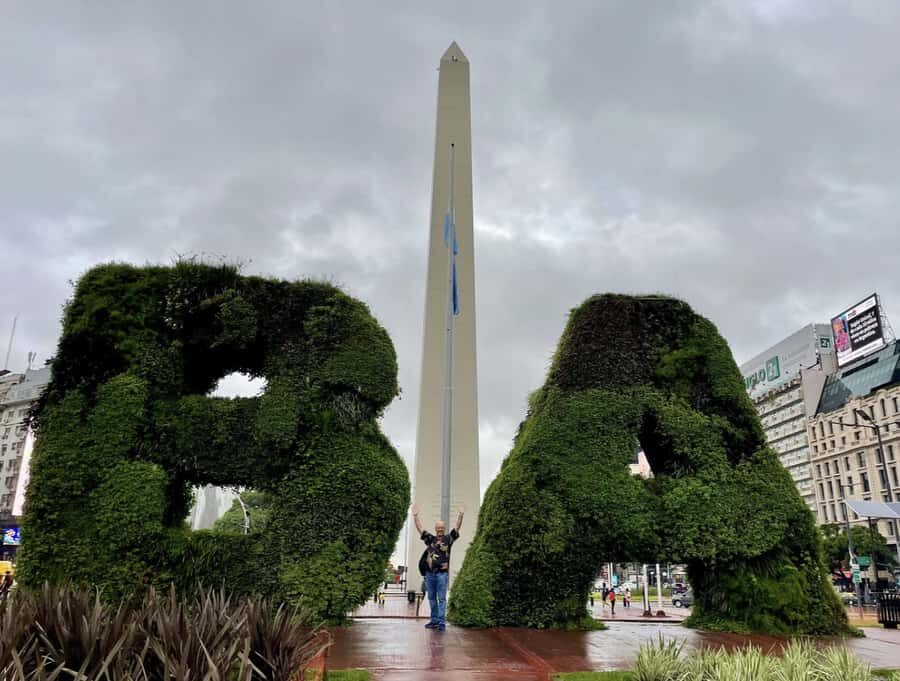
- Photo moments built in: the Obelisco area and the green BA sign are planned stops.
What BA 101 Really Feels Like: A Highlights Tour With Local Threading
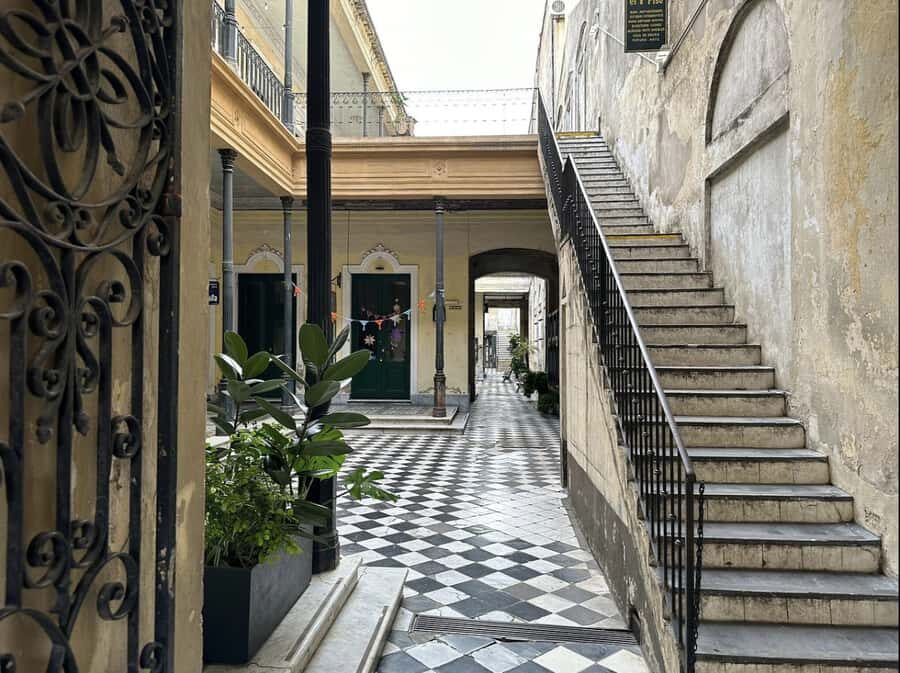
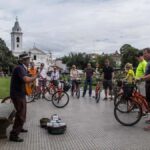
This tour is designed for the day you want a “greatest hits” sampler, but still want explanations that make the city click. Instead of bouncing between isolated landmarks, you’ll walk sections of Buenos Aires while your guide connects the dots: how neighborhoods developed, why certain buildings matter, and what the city’s daily life looks like around the famous squares.
You’ll start in Recoleta/Barrio Norte, then work your way through the City Center, and finish in San Telmo. That route matters. It gives you a clean arc—grand institutions and civic power in the center, then an older, more old-world street vibe in San Telmo—without you needing to fight the logistics alone.
I also like that the tour builds in the “human” parts of a day: coffee, lunch, and time in public spaces that locals actually use. Buenos Aires is a place where food and conversation are part of the culture, so including those stops turns the walking schedule from a checklist into an experience you can actually remember.
And yes, there’s a lot to see. If you prefer slow museum time, you’ll need to manage your expectations. This is for people who enjoy walking, looking closely, and soaking up stories while moving.
Other Buenos Aires tours we've reviewed in Buenos Aires

Barrio Norte to Recoleta: El Ateneo, Plaza Rodriguez Peña, and the Cemetery Within the City
You begin at 10am in Recoleta/Barrio Norte near the corner of Av. Santa Fe and Av. Callao, and the first stretch is all about getting oriented. The guide steers you through an area that feels more “classic Buenos Aires” than tourist-only, with tree-lined spaces and grand-looking civic buildings not far from shopping.
El Ateneo Grand Splendid and a fast sense of style
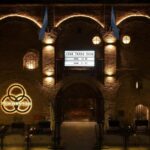
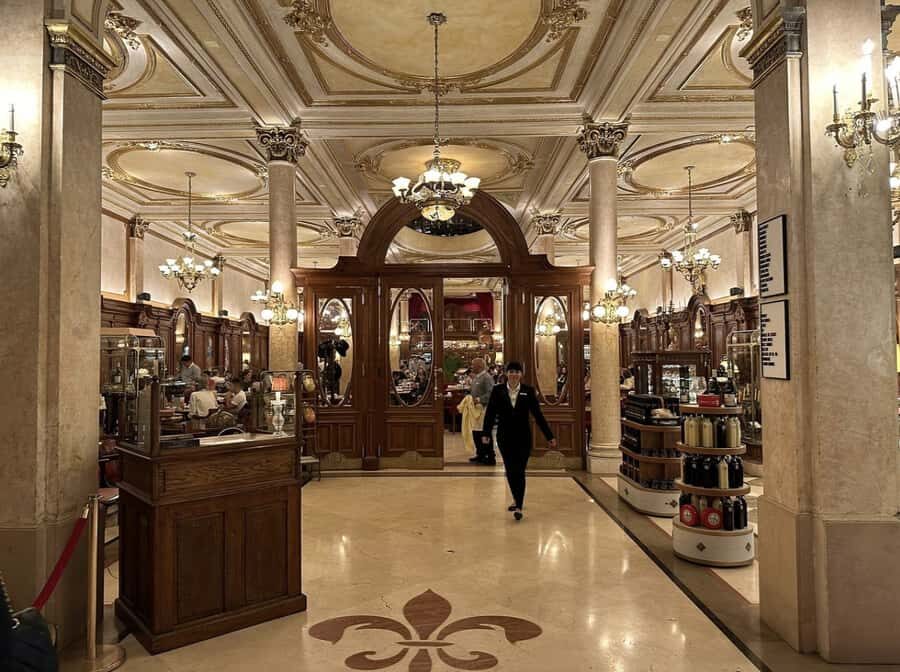
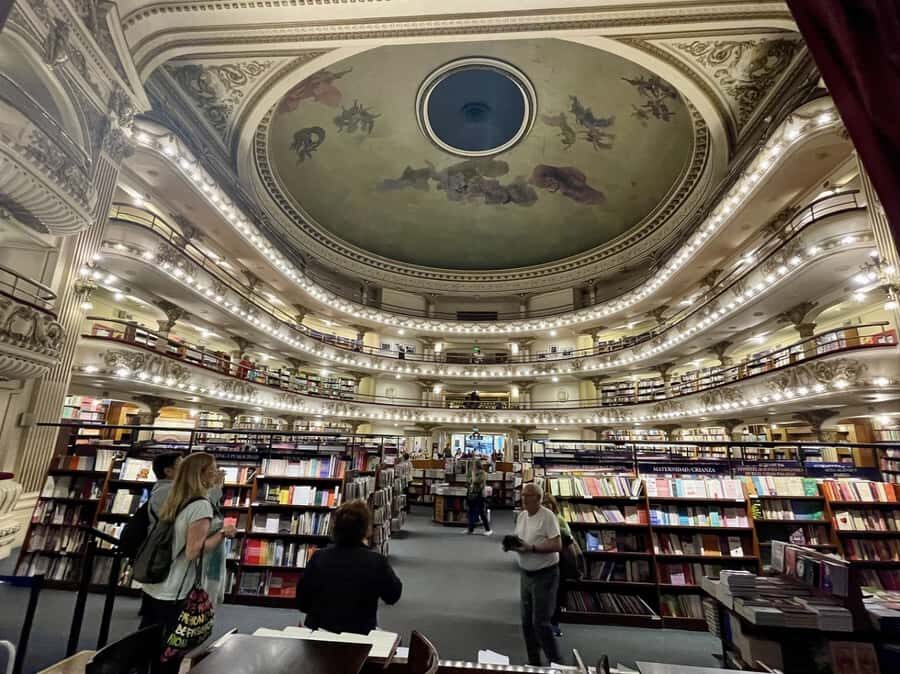
One of your early stops is El Ateneo Grand Splendid, described as one of the most beautiful bookstores in the world. Even if you’re not a heavy book person, this stop helps you understand Buenos Aires’ love of public, elegant spaces. It also gives you an early win: a landmark people talk about because it’s visually memorable, but it’s still very much part of the city’s daily scene.
Plaza Rodriguez Peña and Palacio Sarmiento
From there, you’ll stroll through Plaza Rodriguez Peña, tied to Palacio Sarmiento, home to Argentina’s Ministry of Education. This is the kind of stop that pays off later in the day: you start noticing how the city uses plazas and official buildings as a stage for identity.
Palacio de Aguas Corrientes: a building with a story
Next comes Palacio de Aguas Corrientes, positioned as a stunning surprise with a fascinating story behind it. You don’t need to know the details ahead of time. The value here is listening—your guide fills in why the building matters, which makes it more than a quick photo.
Other walking tours we've reviewed in Buenos Aires

Recoleta Cemetery: Eva Perón and mausoleums that feel like architecture
Then you reach the area most people associate with Recoleta: Recoleta Cemetery. The tour frames it as a city within a city, and that description is spot-on for how it feels. You’ll see elaborate tombs of Argentina’s rich and famous, including the final resting place of Eva Perón (Evita), alongside countless hauntingly beautiful mausoleums inside the cemetery walls.
This stop is one of the most praised parts of the tour experience because a guide can explain what you’re looking at without flattening it into a single date-and-name lecture. It’s also where small-group dynamics help. When you’re close enough to hear details, you don’t miss the little context that turns a cemetery visit into something more thoughtful.
Practical note: it’s still outdoors and walk-heavy, so plan to pace yourself even inside the cemetery.
Plaza Francia and Our Lady of Pilar Church
After the cemetery, you head to Plaza Francia and Our Lady of Pilar Church, highlighted as one of the best-preserved examples of colonial architecture. This adds a different layer: the tour shifts from “power and remembrance” into “older architecture you can still read today.”
The City Center Loop: Teatro Colón, Plaza Lavalle, and a Photo With the Obelisco
By the time you reach the City Center area, you’re moving through places that help you understand how Buenos Aires organizes itself around civic life—opera, courts, major avenues, and the public squares where power becomes visible.
Teatro Colón at San Nicolas
In the San Nicolas neighborhood, you’ll see Teatro Colón, one of the most famous opera houses in the world. The tour doesn’t require you to know opera. Even as a landmark sight, it signals something about the city’s ambition and pride in arts and public institutions.
Plaza Lavalle and the Supreme Court building
You also stroll through Plaza Lavalle, including Palacio de Justicia de la Nación, home to Argentina’s Supreme Court. This is a good reminder that Buenos Aires’ “grand buildings” aren’t only about beauty. They also represent legal and political authority.
Avenida 9 de Julio and the Obelisco
Then you hit Avenida 9 de Julio, noted as the widest avenue in the world, with the famous Obelisco. The tour includes time for photos with the “green BA” sign, which is exactly the kind of stop that makes a long day feel worth it. It’s an easy target, and the photos are memorable because they’re tied to a real landmark, not just a random street corner.
Avenida Corrientes and Confitería La Ideal
From there, you move down Avenida Corrientes, described as the street that never sleeps. You’ll see Confiteria La Ideal, a beautifully restored old cafe. This part matters because it shifts the day from monuments back to everyday culture—public places where people gather and linger.
Florida Street and the Historic Center: Plaza de Mayo, Casa Rosada, and Cathedral Details
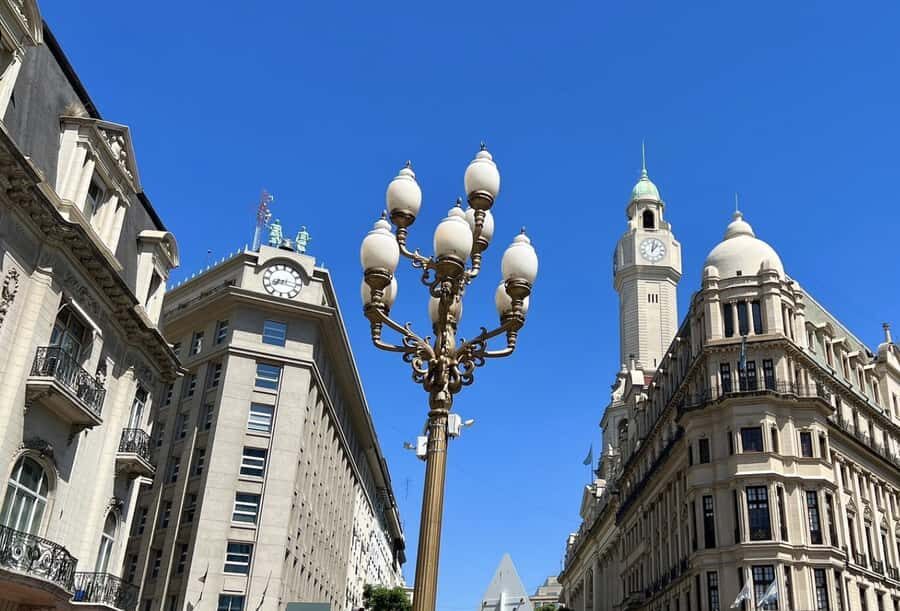
You’ll make your way to Florida Street, the main pedestrian shopping area, and then through the Galería Güemes area. This is a strong contrast after big avenues and civic buildings: it’s about texture, storefront energy, and the city’s layered architecture.
Then comes the historic center region, often associated with Monserrat. This is where you’ll slow down mentally, because several of the tour’s biggest stories land here.
Plaza de Mayo: founded 1580 and still the city’s anchor
At Plaza de Mayo, you’ll see the main square where the city was founded in 1580. This isn’t just a “stand and look” square. The guide ties the space to the city’s growth—how power and public life gathered here—and that context turns the square into a timeline you can walk through.
Casa Rosada: the balcony and the Perón-Evita connection
You’ll also see Casa Rosada (the Pink House), home to the executive government branch and the famous balcony where President Perón and first lady Evita addressed crowds. Even if you know only a little about Argentina’s political era, this stop gives you something you can picture. The balcony isn’t just architecture. It’s a staging point for history.
Oldest sites and the oldest subway line detail
The tour points out Buenos Aires’ oldest sites, including the first church, street, and business in the city, plus the oldest subway line in the southern hemisphere. That’s a lot of “firsts” packed into one area, and your guide’s job is to make it coherent. This is one of the reasons the guide component is valuable: otherwise, those claims can feel like trivia. With explanation, you start seeing how the modern city grew out of those early anchors.
Buenos Aires Cathedral and Pope Francis
Finally, you’ll visit the Buenos Aires Cathedral, described as the last resting place of Argentina’s independence hero, and also a site where Pope Francis used to give mass. That adds a layer beyond politics and architecture. It brings in religion and public ritual, which shaped social life just as much as government did.
San Telmo: Plaza Dorrego, San Telmo Indoor Market (Built 1897), and Defensa Street
Finishing in San Telmo is a smart choice because the neighborhood feels older and more relaxed. You end around 5pm near places where you can keep eating, drinking, or shopping after the tour. For many people, that timing is perfect: you get your history and landmarks in daylight, then you can extend your evening on your own terms.
Plaza Dorrego and atmospheric street life
You’ll stroll through Plaza Dorrego, one of the city’s oldest and most popular squares. It’s dotted with bars and restaurants and also includes handicraft sellers. This is where San Telmo’s street-culture identity shows up clearly, and you get a chance to look without rushing.
San Telmo Indoor Market: iron structure, antiques, and food vendors
Next is the San Telmo Indoor Market, an impressive iron structure built in 1897. Inside, you’ll find antiques, souvenirs, and restaurants, plus local market vendors of fresh food and produce. This stop is valuable because it gives you both sides of the neighborhood: the browse-for-fun stalls and the food you could actually buy.
Defensa Street: cobblestones and old architecture
Your tour ends with a walk down Defensa Street, a cobblestone road with antique dealers and original Spanish and Italian architecture. It’s one of those streets where even if you’re not shopping, you still enjoy walking slowly and noticing details.
Coffee, Lunch, Transit, and Entrance Fees: Where the $160 Value Comes From
At $160 per person for about 7 hours, the best way to judge value is to add up what’s included and what it saves you from planning. This tour covers a lot more than “guide + walk.”
Included in the price:
- Entrance fees to historical sites, including Recoleta Cemetery (listed as US$15+ per person value)
- A tasty local lunch (main + beverage)
- Coffee (or an equivalent-priced drink)
- Public transport during the tour (bus or subway)
- A bottle of water
- An expert English-speaking guide, ready to answer questions
So the real savings isn’t only money—it’s time and mental load. You don’t have to figure out transit between neighborhoods, you don’t have to line up tickets for major stops, and you’re not hungry at the wrong moment. That matters in Buenos Aires, where a day can go sideways if you’re trying to fit lunch around transit delays.
One consideration: the tour doesn’t include getting you to and from the start/end on your own. You’ll need to handle travel to the meeting point near Av. Santa Fe and Av. Callao, plus your plan for after 5pm in San Telmo.
The Guide Makes the Day: Expect Questions, Stories, and Practical Answers
The tour is led by a live guide in English, and the experience is clearly shaped by how well the guide explains what’s in front of you. Recent groups have been guided by Tracy and Chris, and both are described as friendly and proficient, with a strong focus on local history and answering questions. There’s also mention of sassy stories—exactly the kind of tone that makes facts easier to remember.
This is where a small group really pays off. When you’re not competing for attention, you can ask the follow-up question you actually have, whether it’s about a building’s purpose or what to notice in a neighborhood.
Timing and Footwear: How to Make This 7-Hour Walk Feel Comfortable
This is a single-day route from 10am to 5pm with lots of landmark density. The tour explicitly recommends comfortable shoes, and I agree—your feet are the limiting factor on days like this.
A few practical tips to get the best out of it:
- Wear shoes you can walk in for hours without needing to stop every 10 minutes.
- Bring a light layer if you’re sensitive to temperature swings, since you’ll spend time outdoors.
- Plan to be okay moving between neighborhoods; the tour uses public transport, but you’ll still walk a fair amount.
- If you’re the type who hates photo delays, tell yourself this is a landmark route. There are photo stops planned, like the green BA sign and major monuments.
Should You Book BA 101?
If you want a structured day that gives you Buenos Aires essentials without you mapping everything yourself, this is a strong pick. It’s especially good if you’re short on time, like walking, and want a guide to connect the dots between neighborhoods, architecture, and political landmarks.
I’d think twice if you:
- need a fully step-free or wheelchair-friendly route (the tour isn’t suitable for wheelchair users)
- are traveling with someone under 10 (children under 10 aren’t included)
- are currently run down or dealing with a cold
- have mobility concerns that make long walking days hard
- dislike compact schedules with lots of stops
For the right traveler, BA 101 is a smart way to get oriented fast: from Recoleta’s major stories to Plaza de Mayo’s civic power and finally to San Telmo’s market-and-street feel.
FAQ
What’s the duration of the Buenos Aires BA 101 walk?
It lasts about 7 hours.
What time does the tour start, and where do I meet?
You start at 10am at an easy-to-find location in the Recoleta/Barrio Norte area near the corner of Av. Santa Fe and Av. Callao. Exact details are sent in your confirmation email.
Where does the tour end?
The tour ends at 5pm in San Telmo, near plenty of fun spots to eat, drink, and shop.
How many people are in the group?
It’s a small group limited to 7 participants.
Is the tour guided, and what language is it in?
Yes, it’s a live English-language guide.
What’s included in the price?
You get entrance fees to historical sites (including Recoleta Cemetery), a tasty local lunch (main + beverage), coffee, water, and public transport during the tour.
Is Recoleta Cemetery admission included?
Yes. Entrance fees are included, and Recoleta Cemetery is listed with a value of US$15+ per person.
Do I need to bring anything?
The tour recommends comfortable shoes.
Is smoking allowed?
Smoking is not allowed on the tour.
What about cancellation and payment flexibility?
You can cancel up to 24 hours in advance for a full refund, and you can reserve now and pay later.
Who isn’t suitable for this tour?
It isn’t suitable for children under 10, wheelchair users, people with a cold, or people over 95 years old.