REVIEW · PUERTO IGUAZU
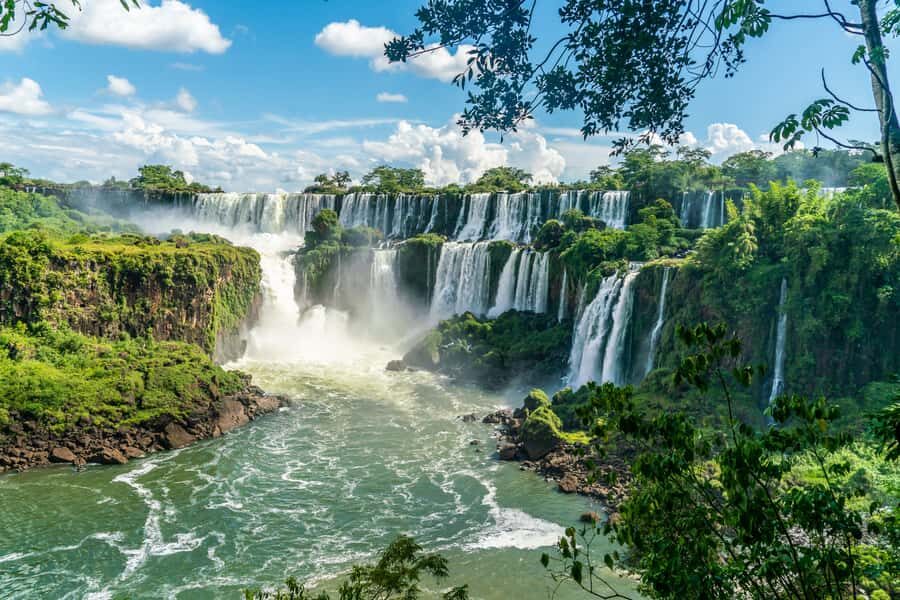
Iguazu Falls Argentinean Side from Puerto Iguazu
Book on GetYourGuide →Operated by Tangol · Bookable on GetYourGuide
That sound of water hits fast.
This day trip delivers the big Iguazú feeling from the Argentina side, with a clear route once you reach the park and real time on the trails. I like how hotel pickup keeps the start easy, and I also like the fact you have a bilingual guide who walks you through what to see across the paths and stations, including park details and wildlife along the way. One watch-out: the Devil’s Throat circuit is currently closed due to weather-related repairs, so the usual plan may shift.
Key things I loved here are practical and simple: you get taken straight from Puerto Iguazú, and you’re not stuck trying to figure out the park alone. Still, the total day cost isn’t only the ticket price, because the National Park entrance fee and lunch are separate.
In This Review
- Key Points to Know Before You Go
- Puerto Iguazú to the Argentina Park Gate: the day starts on rails (and on time)
- Visitors Center and the Train Ride: how you reach Garganta del Diablo efficiently
- Devil’s Throat viewpoint: what changes because the circuit is closed
- Upper Path from Cataratas Station: Tres Hermanas and Bosetti
- Lunch inside the park: plan for the meal you pay
- Low Path to the falls’ base: your up-close payoff
- Price and value: $35 is the start, not the finish
- Who should choose this Argentina-side day trip
- What to bring, and how to pace your day in a waterfall park
- Should you book the Iguazú Falls Argentina-side tour from Puerto Iguazú?
- FAQ
- How long is the Iguazú Falls Argentinean side tour from Puerto Iguazú?
- What’s included in the tour price?
- Do I need to pay the park entrance fee separately?
- Are meals included?
- What language is the guide available in?
- Which parts of the park will I visit during the day?
- Is the Devil’s Throat circuit open right now?
- What documents should I bring?
- Is the tour refundable if I change my plans?
Key Points to Know Before You Go
- Punctual hotel pickup in Puerto Iguazú saves you time and stress before you reach the park.
- Train + short-to-medium walks breaks up the day so you can focus on the views.
- Garganta del Diablo station stop (when the circuit allows) is the dramatic opener.
- Upper Path highlights include Tres Hermanas and Bosetti with a strong first wave of viewpoints.
- Low Path gets you to the falls’ base area for that up-close spray-and-roar moment.
- Devil’s Throat circuit closure may change the itinerary right now, so keep some flexibility.
Puerto Iguazú to the Argentina Park Gate: the day starts on rails (and on time)
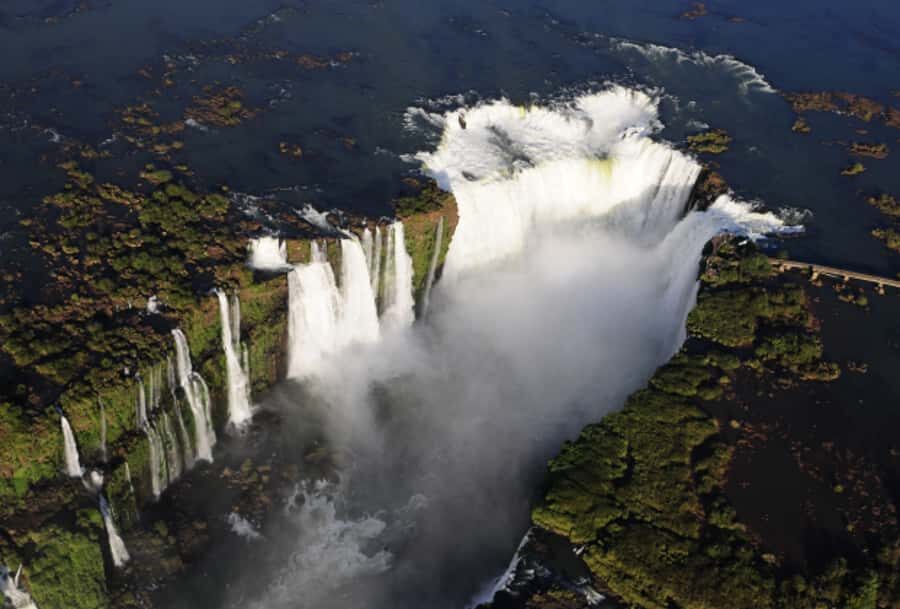
This tour is built for one clean day: hotel pickup from selected places in Puerto Iguazú, then a transfer to the Argentine side of the Iguazú National Park. The pacing matters here. Instead of wandering from your hotel and guessing routes, you’re already sorted the moment you’re picked up.
Once you arrive at the park area, the day becomes a sequence you can understand: park entrance, Visitors Center, train stations, then defined walking circuits. That matters in a big place like Iguazú, where “finding the right spot” can otherwise eat up precious daylight.
And yes, the organization is a big part of why this works. A strong bilingual guide plus a structured path system means you spend your energy on the scenery, not on sorting out logistics mid-trip. I also appreciate that the guide helps you connect what you’re seeing to what’s happening around the falls and the park.
Other Iguazu Falls tours we've reviewed in Puerto Iguazu

Visitors Center and the Train Ride: how you reach Garganta del Diablo efficiently
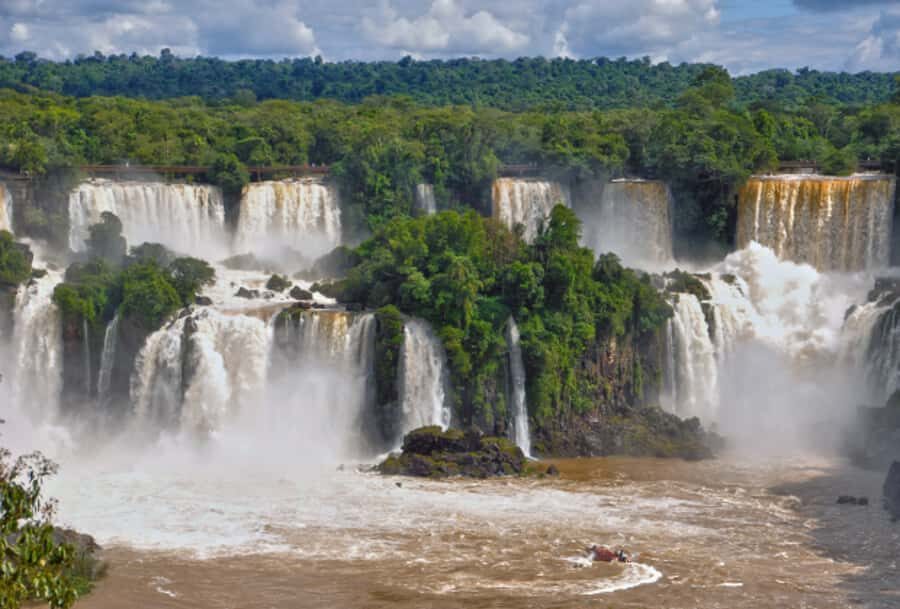
Inside the park, the route starts at the Visitors Center, where you either walk or ride the train to the first key stop. In this itinerary, you board the train to the station labeled Garganta del Diablo.
That train move is one of the smartest “time savers” in the whole day. It gets you closer to the main action without forcing you to spend the morning doing long connector walks. It also keeps the day comfortable for most people who want to experience the big moments without turning the trip into a full hike day.
From the Garganta del Diablo station, you’re set up for a 1000-meter path. This is the kind of stretch that’s short enough to feel doable, but long enough to let the sound and the changing view build your anticipation.
Practical tip: wear shoes you trust on uneven paths. This is a waterfall park, so the ground can feel slick, especially when you get closer to mist and spray.
Devil’s Throat viewpoint: what changes because the circuit is closed
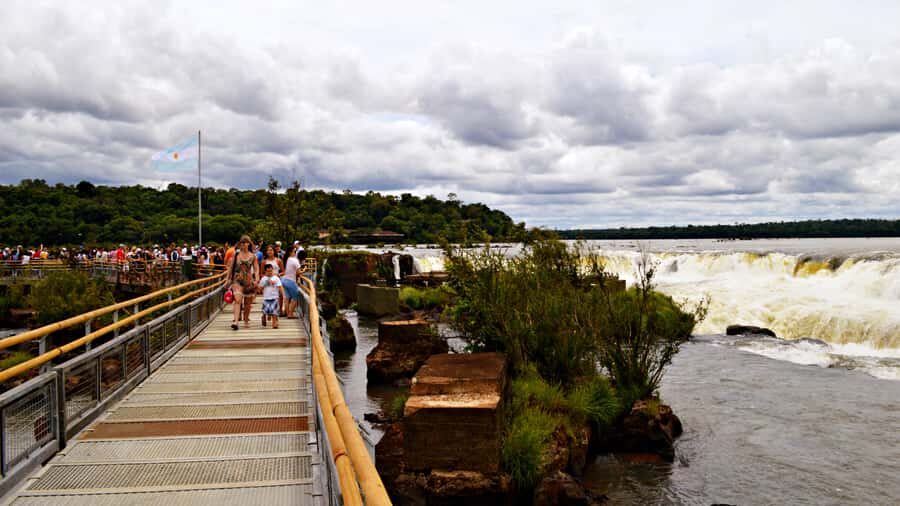
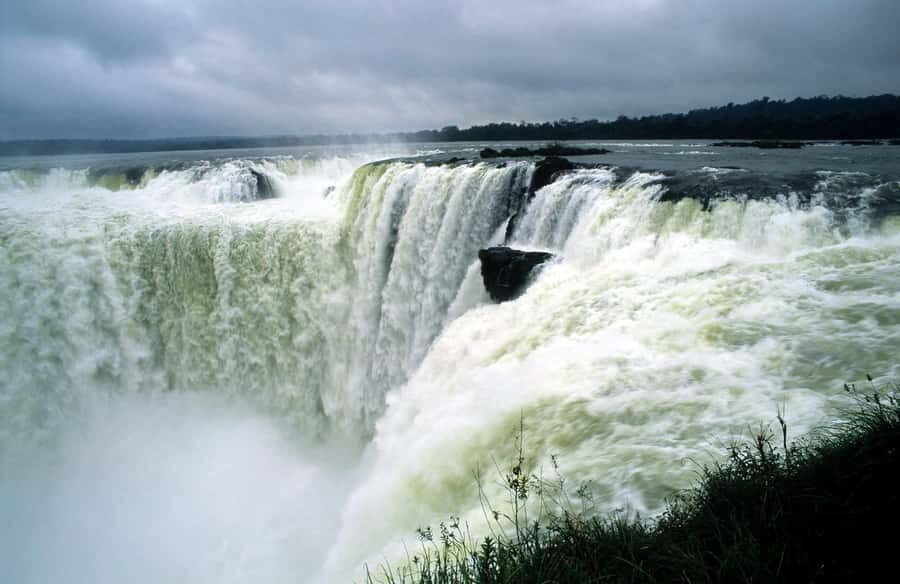
Here’s the key reality check. Due to weather-related repairs, the Devil’s Throat circuit is currently closed, and the itinerary may be subject to alterations.
What that means for you on the day: the portion that normally corresponds to the Devil’s Throat experience might be reduced, rerouted, or swapped for an alternative route inside the park. The good news is that the rest of the tour still focuses on major viewpoints through other paths and stations.
If seeing the Devil’s Throat is your top priority, treat this date like a “best efforts” situation. Still, the Argentina side isn’t a one-view wonder; you’ll spend time on other major falls viewpoints through the Upper Path and Low Path sections later in the day.
I like going into this with the right expectations: even when one famous circuit is offline, the overall system still delivers multiple strong viewpoints and the classic Iguazú variety.
Upper Path from Cataratas Station: Tres Hermanas and Bosetti
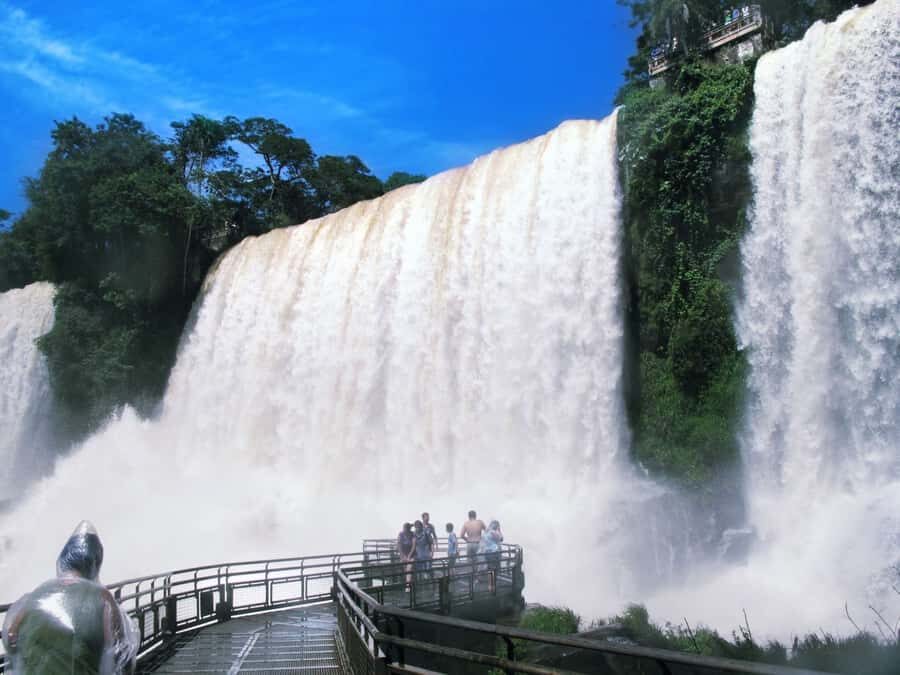
After your first set of viewpoints, you return by train to the Cataratas station. Then you start the Upper Path, walking about 800 meters.
This part of the day is about getting more of the falls system into view. It also tends to feel calmer than the lowest-level route later on, because you’re working from the upper viewpoints where you can take in wider views and spot key named areas.
The Upper Path includes notable highlights such as Tres Hermanas and Bosetti. Knowing those names matters because it gives you something to anchor to while you look around. When you have names for sections of the falls, the experience feels less like random scenery and more like a guided map you’re walking through.
If you enjoy reading the scene, the guide’s role becomes extra useful here. A bilingual guide can help you identify what you’re seeing across the Upper Path stops and connect it to the wider park setting. From what I’ve seen on this kind of route, that explanation often makes photos come out better too, because you know where to stand for the best angle.
Lunch inside the park: plan for the meal you pay
Lunch isn’t included. Instead, you’ll have time to eat at one of the park’s restaurants, and you pay there.
This is a normal pattern for big natural-park experiences. If you’re trying to budget the day, you should assume that lunch is an extra cost, and it will affect your timing. I suggest eating earlier rather than later within the lunch window if you’re the type who hates last-minute decisions.
What I like about having lunch in the park is that it prevents time waste. You stay in the action zone rather than leaving the park and coming back, which would eat daylight and make the day feel longer.
If you’re sensitive to hunger swings (or if you get snacky with all the walking), bring a small water and snack strategy for before or between trail segments. The tour itself only guarantees the movement plan, not a meal included in your price.



Low Path to the falls’ base: your up-close payoff
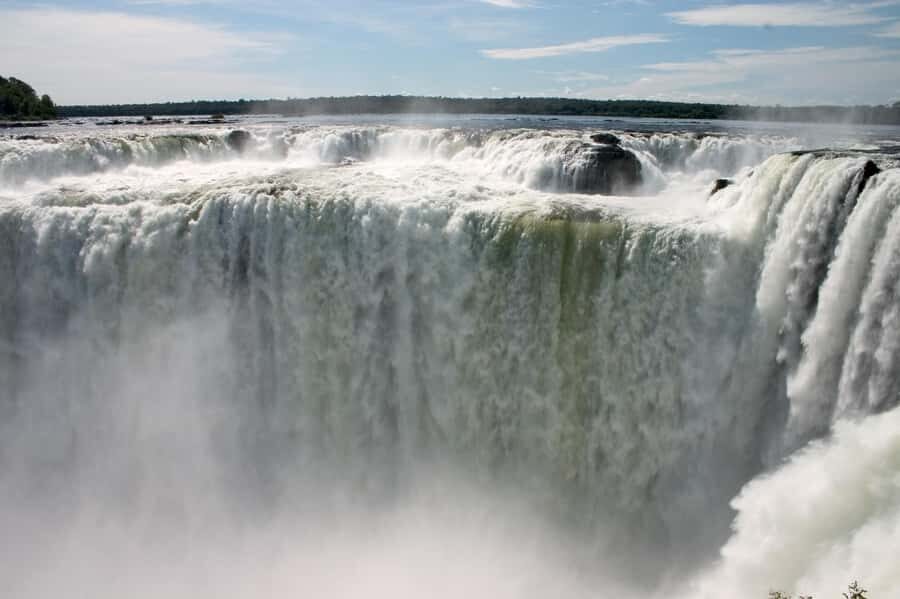
After lunch, the plan shifts to the Low Path. You’ll walk around 1600 meters on this trail, which leads you toward the foot of the falls.
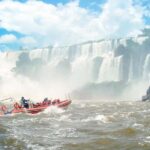
This is the moment when the experience changes from “watching” to “being surrounded.” The Low Path is your best shot at feeling the force in a direct way, since it’s designed to take you into the area near the falls’ base. Even if you don’t care about getting wet, you’ll notice that the air changes: mist, noise, and that constant roaring presence.
I recommend keeping your expectations flexible here. The Lower-level areas can feel crowded depending on the day and timing, and the paths can be damp. Go slow on the walk and give yourself a little extra time to pause at viewpoints.
If you only remember one thing from the whole day, make it this: the Low Path is where you stop treating Iguazú Falls like a distant photo spot and start treating it like a physical place.
Price and value: $35 is the start, not the finish
At $35 per person for the tour itself, you’re paying for a full day structure: bilingual guide plus pickup and drop-off from selected hotels in Puerto Iguazú.
But two big costs sit outside the tour price:
- The National Park entrance fee (paid on-site)
- Meals (lunch is not included)
So the real value question becomes this: do you want the day organized, guided, and timed in a way that gets you to the right stations and paths without you figuring it out? If yes, $35 is a reasonable foundation cost for a full day.
Also, you’re paying for more than movement. You’re paying for someone to help you interpret what you’re seeing, especially through the named Upper Path highlights and through the park context the guide shares. In a place like Iguazú, that interpretive layer can be the difference between “I saw falls” and “I understood the route and what I was looking at.”
Who should choose this Argentina-side day trip
This tour is a good match if you want:
- A full day built around the major Argentina-side viewing paths (Upper Path and Low Path)
- Hotel pickup convenience from Puerto Iguazú
- A guide who supports you with both languages (Spanish and English)
It’s also a strong choice if you prefer not to plan a park route from scratch. The train stations and the defined path lengths give you a framework you can follow even if you don’t know Iguazú well.
One clear mismatch: it’s not suitable for wheelchair users, based on the activity details.
If you enjoy structured days with a clear sequence, you’ll probably like this. If you want lots of free time to wander independently without following a set route, you might find a guided schedule a bit limiting.
What to bring, and how to pace your day in a waterfall park
The tour asks you to bring a passport or ID card, and a copy is accepted. That’s important because the park admission process is on-site.
Beyond documents, think about how your feet handle wet, uneven terrain. This itinerary includes multiple trail segments: 1000 meters (plus connections), 800 meters, and 1600 meters. Even if you’re not “hiking,” that’s still a lot of time on your feet.
Also, plan for weather shifts. The Devil’s Throat circuit closure is tied to weather-related repairs, which is a reminder that park access can change. Pack with that in mind, and keep your schedule flexible so you’re not upset if one segment is adjusted.
Should you book the Iguazú Falls Argentina-side tour from Puerto Iguazú?
Book it if you want a guided, organized Argentina-side day that covers the key viewing routes through train stations and both Upper and Low Paths. The value is strongest for people who want hotel pickup, a bilingual guide, and a clear route that helps you see more without wasting time.
Skip or reconsider if your trip depends on a specific Devil’s Throat viewpoint on a day when the circuit is closed. Even though the itinerary may adapt, your “must-see” might not be fully available during your dates.
If you’re okay with flexible expectations and you want the overall Iguazú experience on the Argentina side, this is an easy yes.
FAQ
How long is the Iguazú Falls Argentinean side tour from Puerto Iguazú?
The duration is typically 8 to 9 hours.
What’s included in the tour price?
The tour includes a bilingual guide and pick-up and drop-off from selected hotels in Puerto Iguazú.
Do I need to pay the park entrance fee separately?
Yes. The National Park entrance fee is not included and can be paid on-site before entry. Prices can vary according to the National Parks Administration’s regulations.
Are meals included?
No. Lunch is not included. You can choose to eat at restaurants inside the park.
What language is the guide available in?
The guide is available in Spanish and English.
Which parts of the park will I visit during the day?
You’ll go to the Visitors Center area, take the train to the Garganta del Diablo station for a 1000-meter path, then return by train to the Cataratas station for the Upper Path (800 meters) and later the Low Path (1600 meters) toward the falls.
Is the Devil’s Throat circuit open right now?
No. The Devil’s Throat circuit is currently closed due to weather-related repairs, and the itinerary may be altered.
What documents should I bring?
Bring a passport or ID card. A copy is accepted.
Is the tour refundable if I change my plans?
Yes. You can cancel up to 24 hours in advance for a full refund.