REVIEW · BUENOS AIRES
Buenos Aires: Historic Buenos Aires Landmarks & Icons Tour
Book on GetYourGuide →Operated by daddiescuriosos · Bookable on GetYourGuide
Buenos Aires makes sense on foot. This 150-minute guided walk strings together major sights, from the Central Bank’s old convent past to Casa Rosada’s street-level drama. You start at Plaza de Mayo and keep moving through the historic center, getting the stories that make the buildings click.
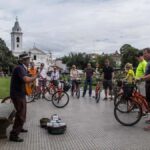
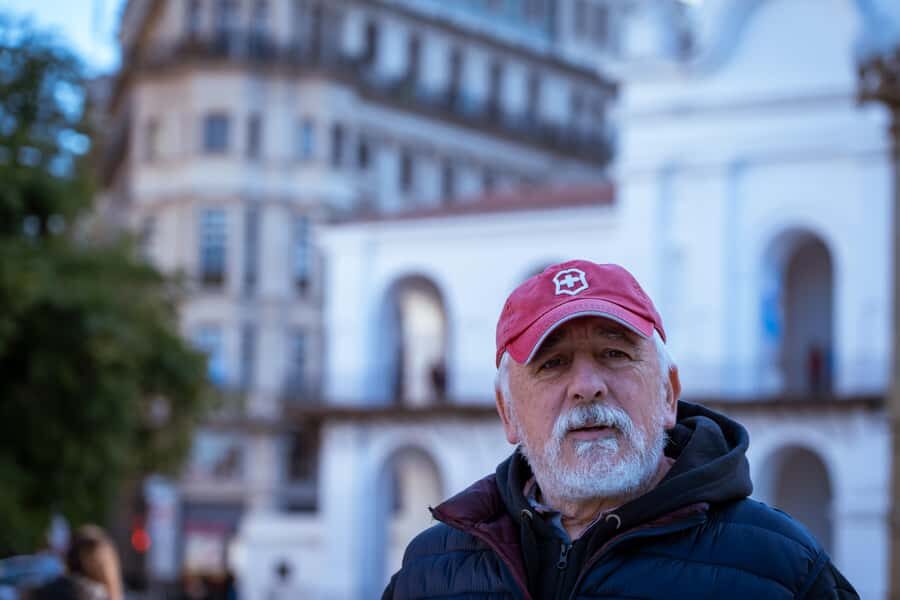
I especially like the way this tour is guided with names and context, not just photo stops. The guide Miguel, for example, brings serious detail, answers questions, and even shares small local moments like showing how to drink mate.
One drawback: it’s a mostly outdoor walking experience with significant walking, and it’s not set up for people with mobility impairments or wheelchair users.
In This Review
- Key highlights worth your attention
- Why This 150-Minute Walk Helps You Read Buenos Aires
- Meeting at Plaza de Mayo: Start Point and First-Time Advantage
- San Ramón Nonato and the Cultural Center: Old Walls, New Meanings
- Casa Rosada and Plaza de Mayo: Power, Protest, and Photos
- Juan de Garay, the Cathedral, and the Cabildo: Where the City Built Its Identity
- Manzana de las Luces: A Courtyard-Style Break With Big Context
- Museo del Bicentenario: President Relics and Art You Can Actually Appreciate
- Bank, City Legislature, and the Ministry of Defense Views
- Central Customs House to Comic Strip Plaza: A Fun, Practical Finale
- Price, Pace, and What to Pack for This Icons Tour
- Who This Tour Fits Best (and Who Might Prefer Another Plan)
- Should You Book This Buenos Aires Icons Tour?
- FAQ
- How long is the tour?
- Where do I meet the guide?
- Is the tour guided?
- What language is the guide?
- Is food or drinks included?
- Is hotel pickup or drop-off included?
- Is the tour mostly outdoors?
- Is this tour suitable for wheelchair users or mobility impairments?
Key highlights worth your attention
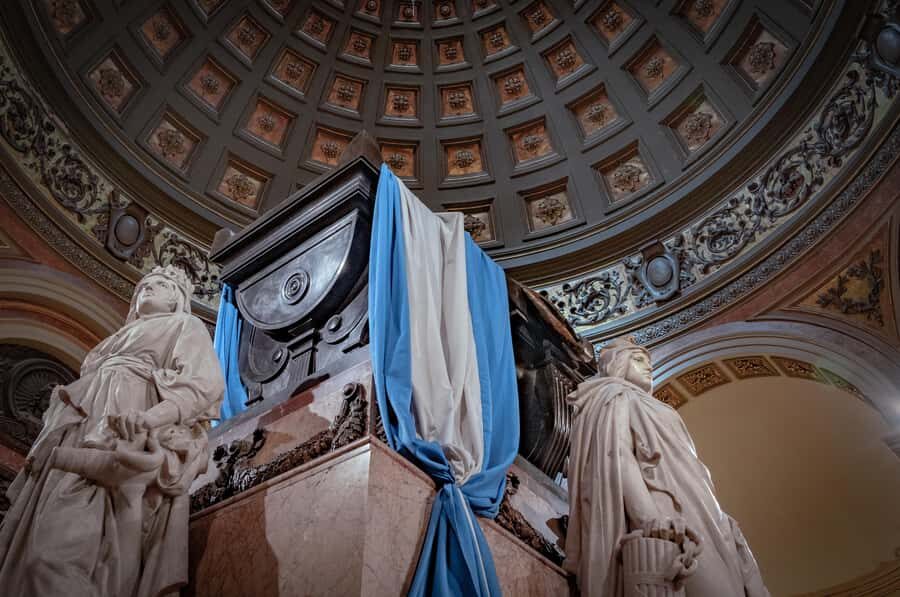
- Miguel’s storytelling turns famous facades into understandable moments of Buenos Aires
- Plaza de Mayo to Casa Rosada keeps the pace tight and the views memorable
- A full mix of stops: cathedral, Cabildo, Manzana de las Luces, museums, and end-of-walk fun
- Second-founding and viewpoints around the Garay Monument area help you orient the city fast
- Bicentennial Museum time gives you something more than streets and statues
- You’ll finish near the National Customs House and the Comic Strip Plaza
Why This 150-Minute Walk Helps You Read Buenos Aires
Buenos Aires can feel like a collage: grand buildings, wide avenues, and plazas that look similar until someone explains what to notice. This tour helps you build a map in your head quickly. You don’t just see icons; you learn what each place was for and why it mattered.
I like that the route is short enough to stay energetic but packed enough to feel like a real sightseeing day. You get guided time at key stops, plus photo moments when the setting is what you came for. That mix is practical, especially if you’re short on time.
The other thing I appreciate is the variety. You’ll move from government buildings to churches, from museum interiors to viewpoints, and then to an unexpectedly playful end at the Comic Strip Plaza. It’s not only about the famous look of Buenos Aires. It’s also about the city’s layers.
Other Buenos Aires tours we've reviewed in Buenos Aires

Meeting at Plaza de Mayo: Start Point and First-Time Advantage
Your meeting spot is near the flagpole at Plaza de Mayo. This matters more than it sounds. If you’re arriving on your own, you can easily get turned around in this area, and meeting at a recognizable landmark is the simplest way to start smoothly.
From Plaza de Mayo, the tour naturally guides you into the area where the city’s major institutions cluster. That means you spend less time hunting and more time looking. It also sets a good tone: you’ll immediately be in the thick of the historic center, with iconic facades all around.
Wear comfortable shoes from the jump. The walking is a real part of the experience here, not a side note. And since the tour runs outdoors, plan for weather and sunlight rather than hoping for shade all day.
San Ramón Nonato and the Cultural Center: Old Walls, New Meanings
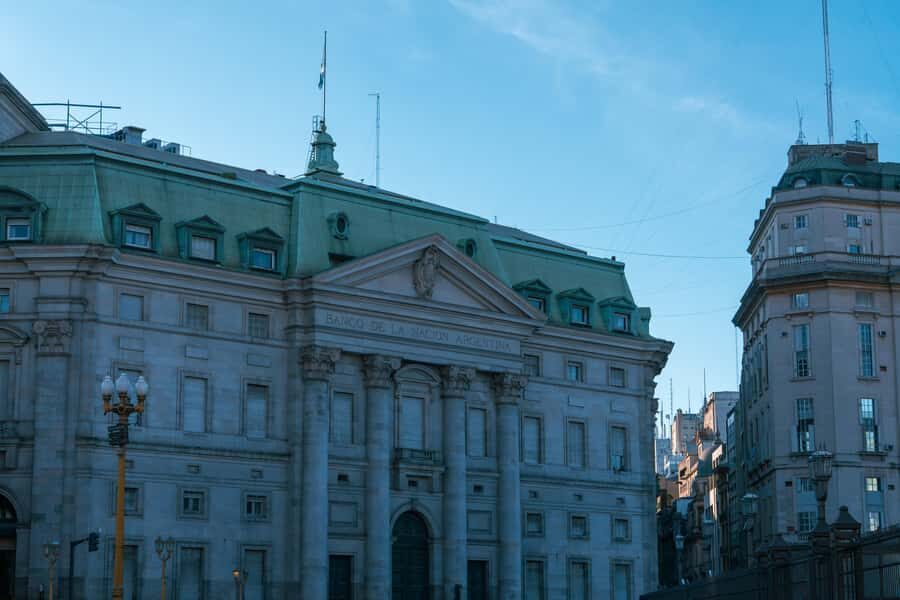
One early highlight is the Central Bank of the Argentine Republic, which was formerly the San Ramón Nonato Convent. That alone is worth the tour, because you’ll see how a place can change function while keeping its presence. You’re not reading architecture like it’s a textbook. You’re recognizing how the city repurposes space across centuries.
Then you’ll move to the Cultural Center, once the grand post office palace. This stop helps you understand a theme in Buenos Aires: buildings often shift roles as the city evolves. The grand interior idea of a post office becomes a public-facing cultural venue later on, which is a nice reminder that preservation doesn’t always mean freezing the past.
You also get a direct connection to Buenos Aires’ founding story. This area is tied to the city’s second founding and is marked by the Garay Monument, which comes with a view over the historic center. I love that this isn’t just “here’s a statue.” It’s linked to a moment in time, and you’re able to see the city from the story instead of only hearing it.
Practical note: photo stops work best when you can stand comfortably for a minute or two. If you like to take pictures without rushing, you’ll do fine with this pace.
Casa Rosada and Plaza de Mayo: Power, Protest, and Photos
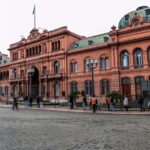
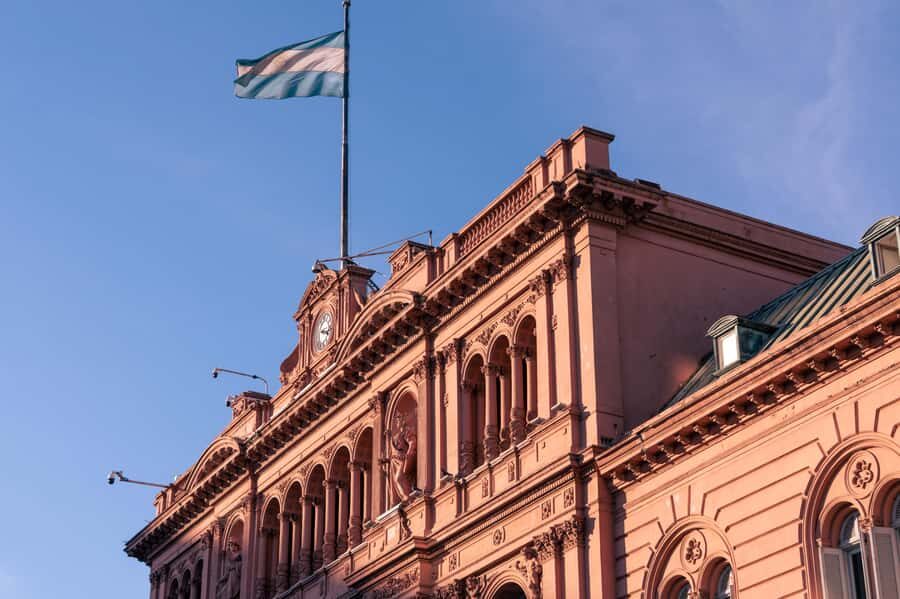
Next up is Casa Rosada, the presidential palace. This is the kind of place you think you know already from photos, but standing nearby gives you a different scale. You’ll get a photo stop and a guided look, and you’ll likely find the explanations make the building feel less abstract.
Right after that, you’ll be in Plaza de Mayo, one of Argentina’s most significant squares. This is where the city’s civic life has often played out. The surrounding buildings add context fast, because you can see how institutions sit face-to-face in an urban layout.
The tour’s approach here is smart. You get enough time for photos and orientation without turning Plaza de Mayo into a long sit-down lecture. You’re also not stuck staring at only one side of the square. The guide helps you connect what you’re seeing to how people use this space.
If you’re the type who likes history to explain current streets, this is one of the stops that delivers. If you only want quiet museums, you might find the plaza atmosphere more attention-grabbing than expected, even during a guided walk.
Juan de Garay, the Cathedral, and the Cabildo: Where the City Built Its Identity
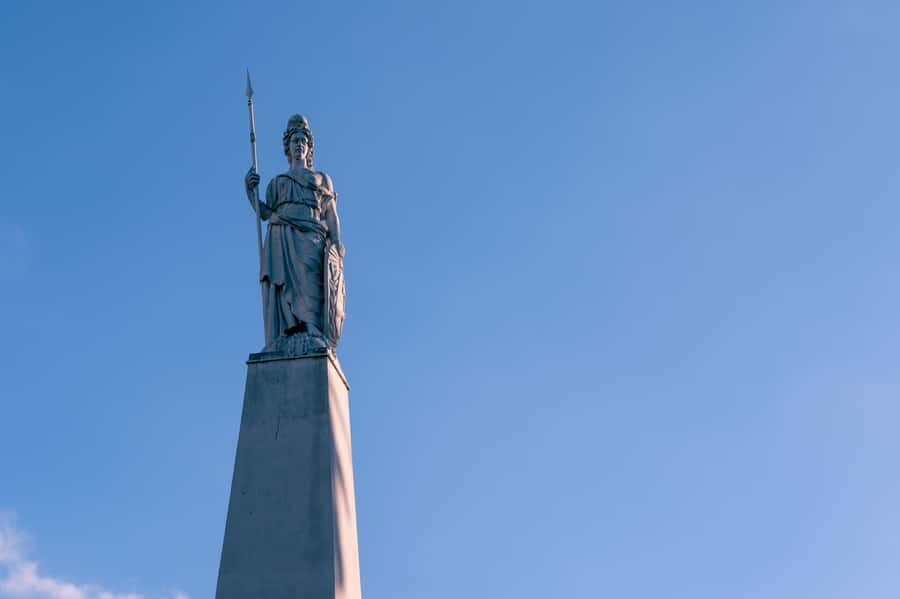
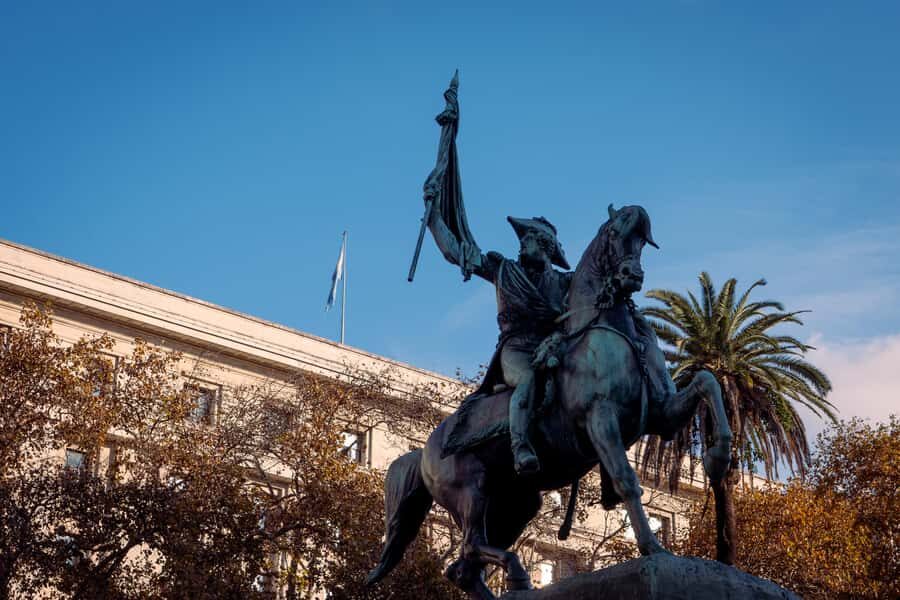
The Monumento a Juan de Garay is next, with a photo stop and guided tour time. Garay’s story connects to the city’s early development, and pairing it with a viewpoint helps you understand the logic of the neighborhood’s layout. You’re not just looking at a name on stone. You’re tying it to where people lived and governed.
Then the tour goes to the Buenos Aires Metropolitan Cathedral. You’ll get a photo stop plus time to visit and listen. Cathedrals in old city centers can feel like separate worlds, but on this tour you’ll hear how the church fits into the city’s civic identity. It’s also a good pause from outdoor street heat, since you’ll spend some guided time inside.
After that comes the Cabildo of Buenos Aires. This is a museum focused on preserving the history of the city and nation. What I like here is that it changes your perspective from government facades to collected memory. The guide can help you see how Buenos Aires tells its story through institutions, not only through famous streets.
The Cabildo stop also balances the route. You’ve just taken in major civic power spaces. Here you slow down and focus on meaning, with a clearer sense of what’s been kept and why.
Other historical tours in Buenos Aires

Manzana de las Luces: A Courtyard-Style Break With Big Context
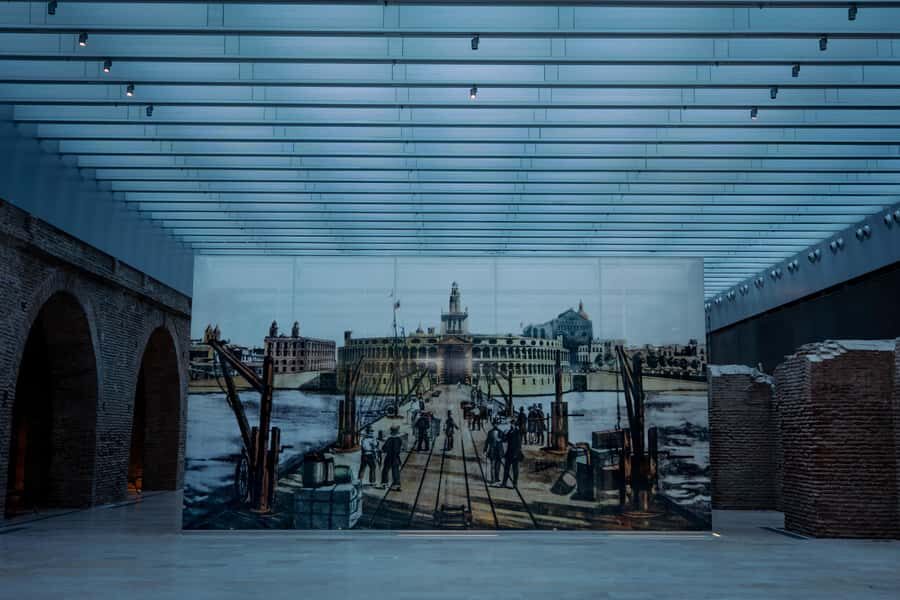
Manzana de las Luces is the kind of place that rewards patience. You’ll have a photo stop and time to visit with guided guidance, including sightseeing focus. Even without being a huge monument, it can feel important because it’s tied to the city’s cultural and educational story.
I like this stop because it breaks the rhythm. After Plaza de Mayo and the cathedral-like grandeur, the tour shifts to a more intimate setting. That makes it easier to digest what you’ve learned so far.
If you’re the type who enjoys architecture details, you’ll likely appreciate the way this area is described. If you’d rather keep things moving, it can still work because the guide’s explanations help you “see” more than the space alone would let you.
Museo del Bicentenario: President Relics and Art You Can Actually Appreciate
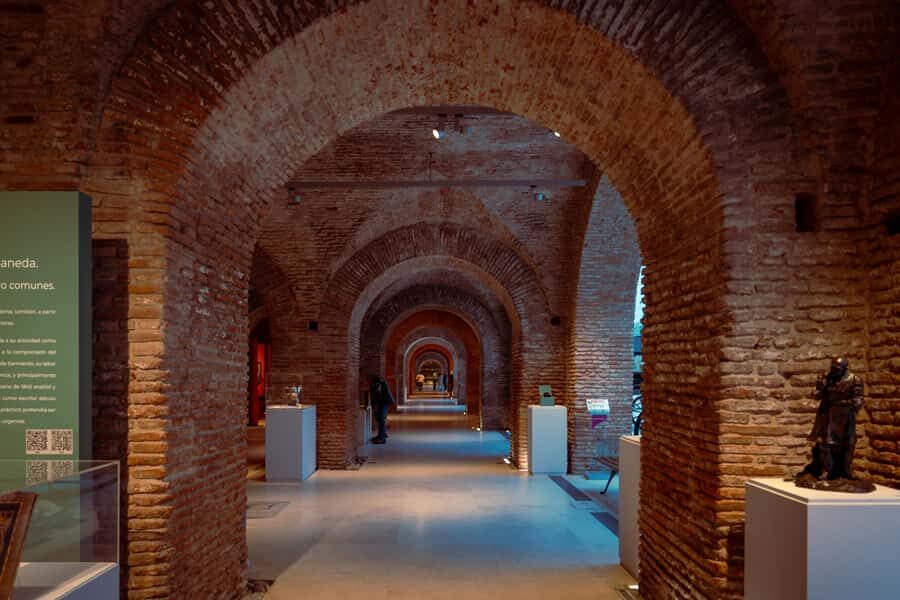
At the Museo del Bicentenario, you’ll get a guided visit plus sightseeing time. This is where the tour turns from street-level context into something you can stand inside and really look at.
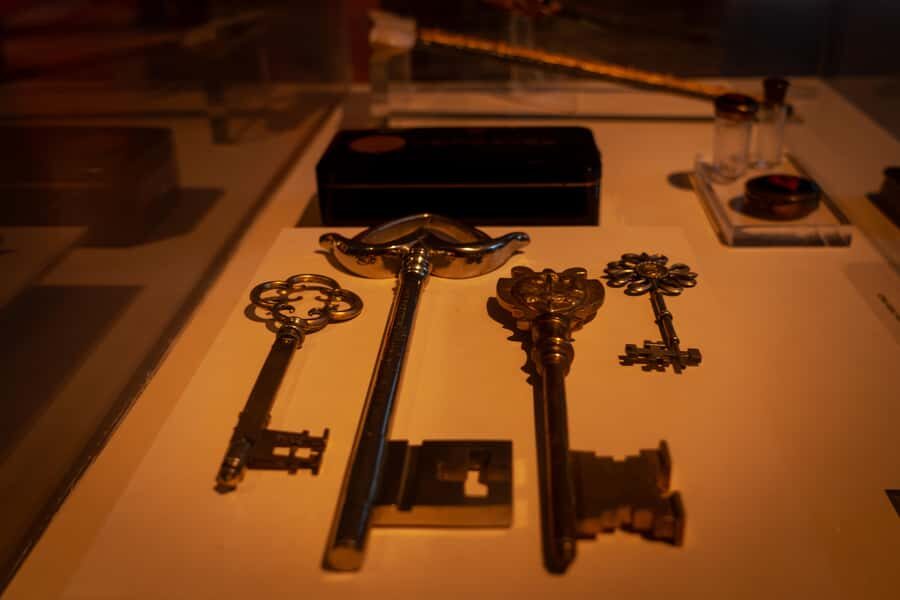
The museum focuses on relics tied to past presidents and includes exceptional artworks. That combination is useful. You’re not only learning who ruled. You’re also seeing how objects and art become part of the national narrative.
This stop also gives you a weather buffer. If the day turns hot or sunny, museum time is a relief. Just remember: museum visits still involve walking and looking, so keep your legs ready.
If you’re worried the tour will be too exterior-heavy, this is one of the strongest points for balance. It gives you a more personal encounter with the past, rather than only public-facing landmarks.
Bank, City Legislature, and the Ministry of Defense Views
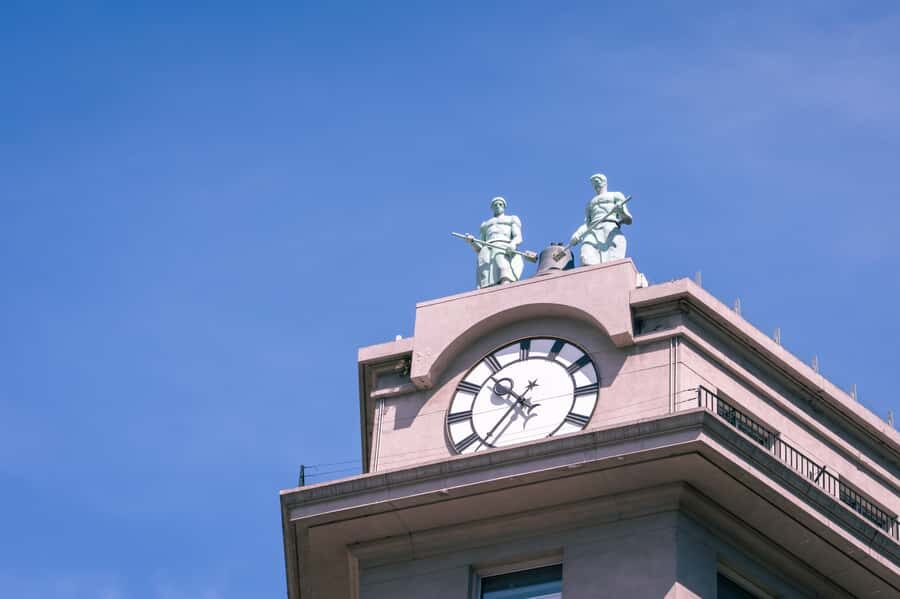
As you continue, you’ll see the Bank of the Argentine Nation building and the City Legislature area. You’ll also get a pass-by look that highlights different architectural styles and a towering clock. I like stops like this because they train your eye. You start noticing how Buenos Aires uses architecture to project authority and permanence.
Then comes the Ministry of Defense building. It’s described as vast, and it also comes with views. This is one of those moments where the tour helps you understand scale. Huge government buildings can look flat from the outside, but with guidance, you learn where to stand and what to notice.
If you’re a photo person, this is a good stretch to slow down. Take your time at viewpoints and watch how buildings line up. If you’re more history-focused, listen for the explanation of why these institutions share the same civic zone.
In either case, this part of the walk helps you connect the landmarks into a single system. It’s not random sights. It’s a city center built to run.
Central Customs House to Comic Strip Plaza: A Fun, Practical Finale
Your conclusion takes you to the National Customs House and the Comic Strip Plaza. This ending is a clever contrast. After serious civic buildings and museums, you get a lighter touch.
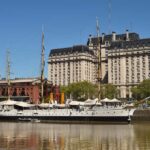
The National Customs House matters because it connects Buenos Aires to trade and arrivals—an essential angle for a port city. It’s the kind of landmark that makes sense once you’ve already been walking through government power and public institutions. You start to see how money, movement, and state functions shaped the urban core.
Then you finish at the Comic Strip Plaza. That’s a fun way to end, and it gives your brain a break. It also helps if you want to keep exploring afterward, since the area feels less locked into solemn sightseeing mood.
Price, Pace, and What to Pack for This Icons Tour
This tour costs $20 per person, for 150 minutes of guided sightseeing. That’s strong value if you want a structured overview without paying for multiple separate attractions. You’re covering a lot of major landmarks in a short span, and you’re getting guided time at several stops rather than just being left to roam.
The tradeoff is the pace. There’s significant walking and many street-level moments. You need comfortable shoes and a realistic attitude about time on your feet.
Bring water, especially on hot days. Pack sunscreen and a hat, since the outdoors portion can be intense. If you’re sensitive to sun or heat, plan your timing so you’re not rushing into this immediately at peak afternoon temperatures.
Also note the language: the live tour guide is Spanish. In the real world, guides often adjust for the group, and Miguel has shown flexibility with people whose Spanish isn’t strong. Still, the baseline is Spanish, so having a few basic phrases helps.
If you have mobility issues, the tour isn’t suitable for wheelchair users. The route is built around walking between sights.
Who This Tour Fits Best (and Who Might Prefer Another Plan)
This is perfect for you if you want a guided crash course in Buenos Aires’ historic center. It’s ideal if you love architecture, big public spaces, and the way one landmark ties to another.
It also works well if you’re traveling solo or with friends and want a guide to answer questions while you walk. Miguel’s style, based on feedback, is interactive and detail-driven, and that kind of attention is helpful when you want context without slowing the group too much.
You might choose another format if you:
- Prefer mostly indoor activities
- Want a low-walking sightseeing day
- Need wheelchair accessibility
If you’re somewhere in the middle—curious but also practical—this route hits the sweet spot.
Should You Book This Buenos Aires Icons Tour?
I’d book it if you want the fast, organized version of Buenos Aires’ center. For $20, you get a guided walkthrough connecting Plaza de Mayo, Casa Rosada, the cathedral, the Cabildo, a museum stop, and an ending that doesn’t feel like a repeat of the same old monuments.
I’d hesitate only if you dislike walking or you need fully accessible routes. Otherwise, this is one of those tours that helps you get your bearings fast. And if Miguel is your guide, you’ll likely appreciate the way he makes the city feel personal rather than just famous.
FAQ
How long is the tour?
The tour duration is 150 minutes.
Where do I meet the guide?
Meet your guide near the flagpole at Plaza de Mayo.
Is the tour guided?
Yes, the tour includes a live guided tour.
What language is the guide?
The live tour guide speaks Spanish.
Is food or drinks included?
No, food and drinks are not included.
Is hotel pickup or drop-off included?
No, hotel pickup and drop-off are not included.
Is the tour mostly outdoors?
Yes, the tour takes place outdoors, so you should plan for weather and sun.
Is this tour suitable for wheelchair users or mobility impairments?
No, it is not suitable for people with mobility impairments or wheelchair users.