REVIEW · BUENOS AIRES
Buenos Aires: Group tango class with mate and snacks
Book on GetYourGuide →Operated by Milonga City · Bookable on GetYourGuide
Tango lessons and mate. It’s an easy win in Buenos Aires. This Saturday-afternoon setup takes place in an old-style mansion in Almagro, where international dancers and teachers help you start tango with confidence, not pressure. You’re also learning the kind of dance Buenos Aires made famous, a style recognized by UNESCO as Intangible Cultural Heritage of Humanity.
Two things I really like: the relaxed, step-by-step teaching from Johana Copes’ team, and the social break built right into the experience—there’s traditional Argentine mate plus a sweet table in the Spanish-style patio. One thing to keep in mind is that a couple of people noted the teacher time can skew toward regulars if the class has many experienced dancers, so if you want extra attention, go in expecting friendly guidance but not endless one-on-one.
In This Review
- Key highlights to look for
- Almagro’s old mansion setting for tango class
- Your first hour: learning tango basics the fun way
- Mate tasting and sweet table: why this is built into the lesson
- The 60-minute free practice: turning steps into muscle memory
- Price and value: is $25 worth it?
- Who this tango class suits best
- Practical tips so you don’t feel awkward on arrival
- What to watch for during the class (so you get your money’s worth)
- Should you book this mate and tango group class?
Key highlights to look for
- Johana Copes’ staff leads the 1-hour tango basics in a welcoming group format
- Authentic Argentine mate tasting comes early, before you start moving
- A sweet table snack pause in the Spanish-style patio keeps the vibe light
- One full hour of practice with teachers so you can repeat what you learned
- A built-in mix of international tango fans who make conversation part of the lesson
Almagro’s old mansion setting for tango class
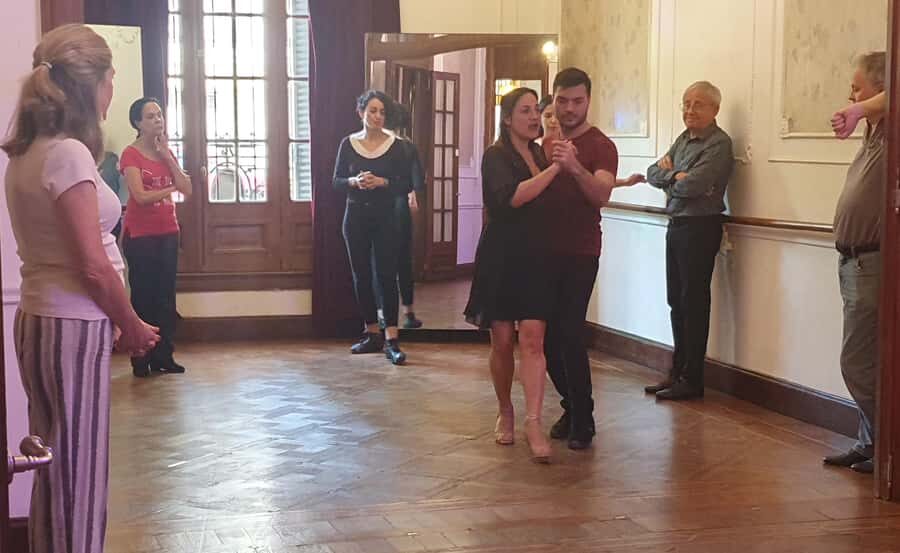
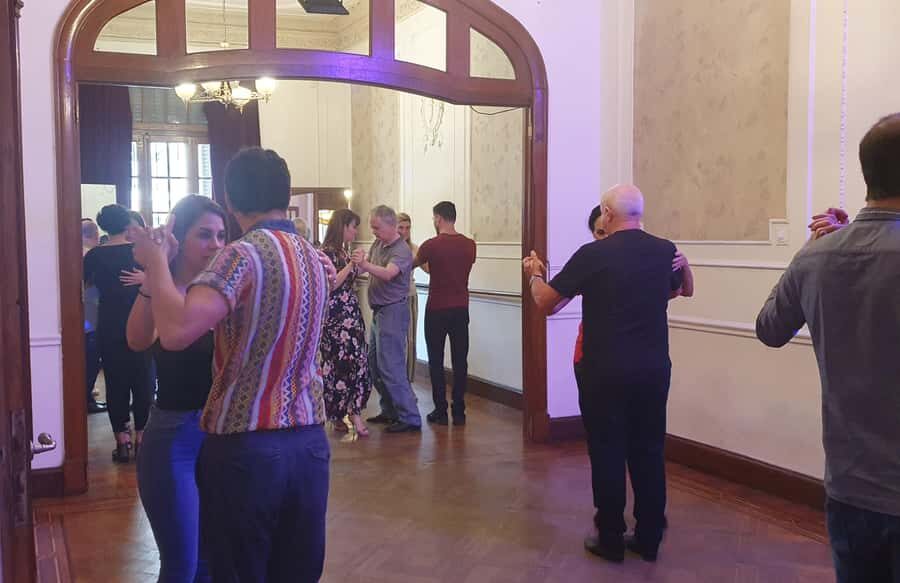
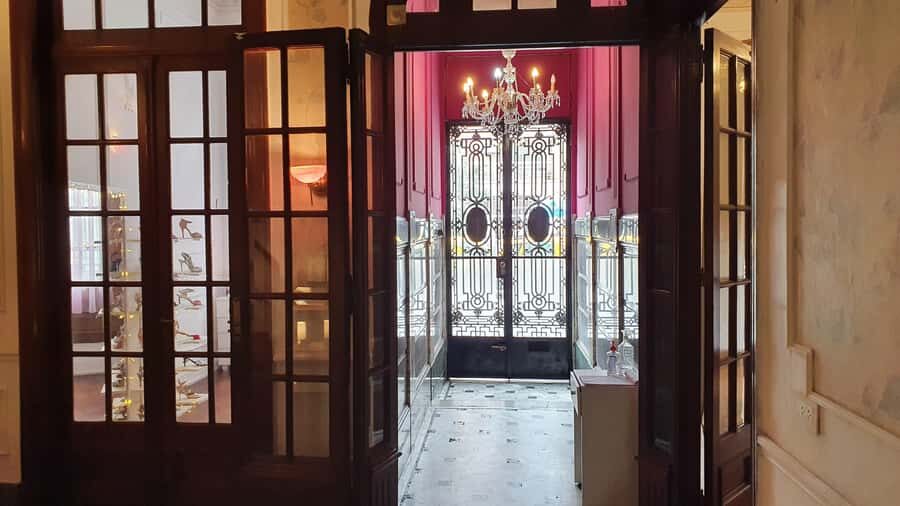
The meeting happens in Almagro Province (Buenos Aires city visitors usually link this with the Almagro neighborhood vibe), inside a beautiful older mansion. That matters more than you’d think. Tango is social and physical, and a homey, older space helps you feel like you’re joining a tango afternoon—not attending a stiff performance workshop.
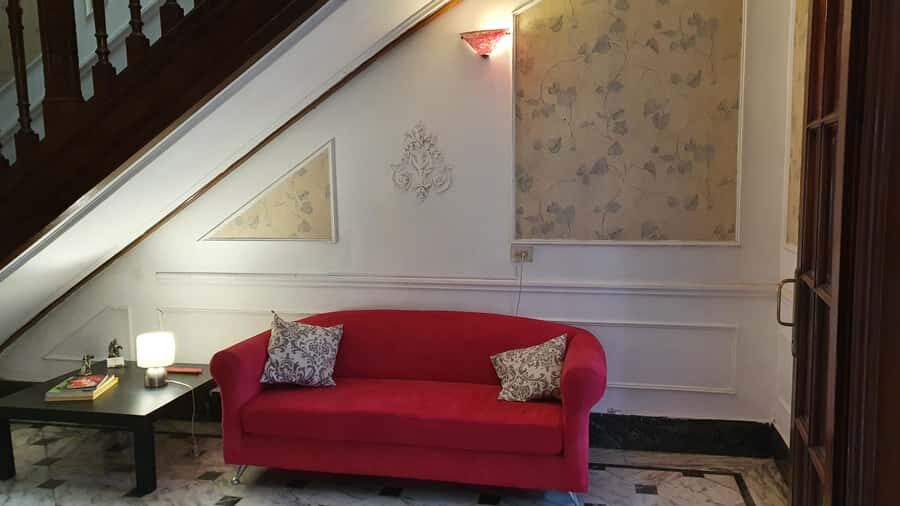
Instead of rushing you from one stop to another, the experience is paced like an afternoon in someone’s home: introductions, mate, a lesson, then snacks and conversation. The space also includes a Spanish-style patio area, which is where you’ll find the sweet table and the hangout time.
Other Buenos Aires tours we've reviewed in Buenos Aires



Your first hour: learning tango basics the fun way
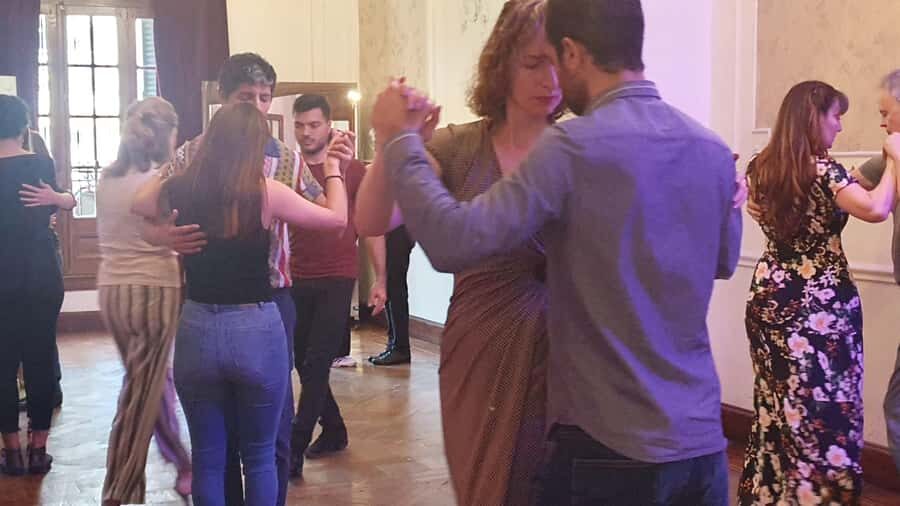
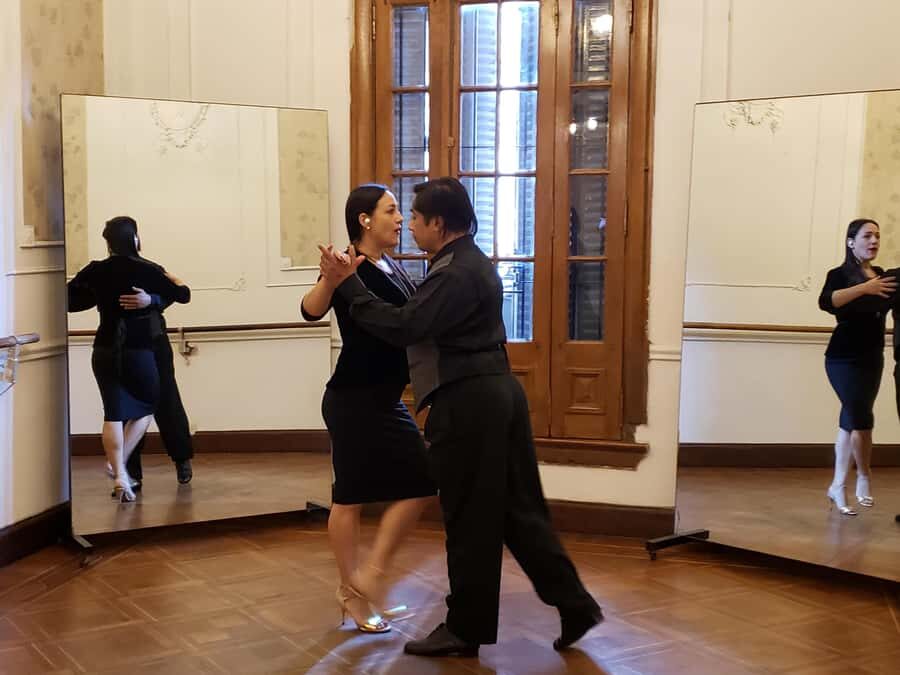
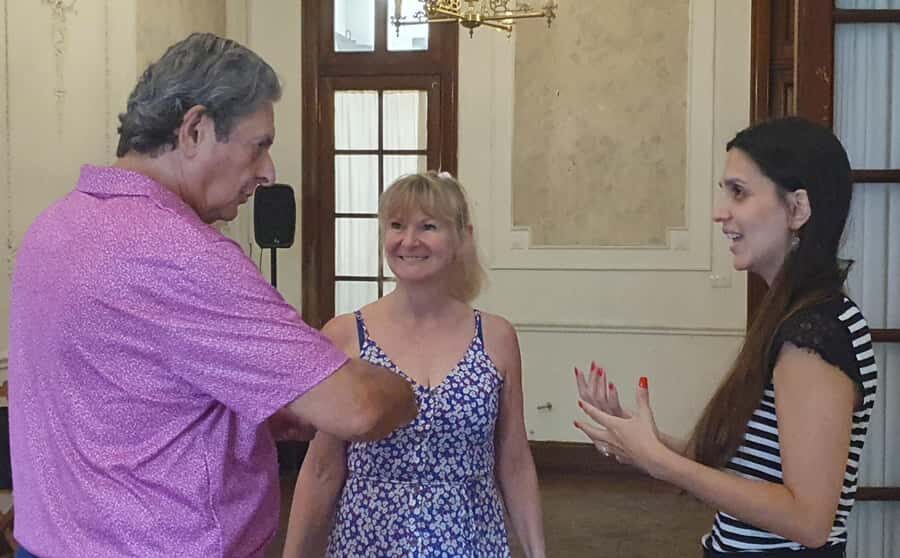
The class portion is 1 hour, led by dancer Johana Copes and her teaching team. The goal is simple: help you start dancing tango with the first steps and enough structure that you feel like you can take something home.
This is not described as a choreography-heavy class. It’s more about getting you oriented—learning the fundamentals in an easy, enjoyable way, with teachers guiding you as you go. That’s a big deal for value because tango can feel intimidating if you show up with zero context. A guided start helps you understand what you’re supposed to do with your body and timing, instead of guessing.
Also, the class runs in English, Portuguese, and Spanish with a live tour guide. If your Spanish is rusty or you’re more comfortable in Portuguese or English, you’re not stuck. That support makes it easier to ask questions and keep up with the steps without missing the social part.
Mate tasting and sweet table: why this is built into the lesson
Here’s the real tango secret most people forget: tango is culture. And culture is often taught over a table, with conversation and rituals.
You’ll get a taste of authentic Argentine mate during the early intro phase. Mate isn’t just a drink here. It’s a way to slow down, meet people, and settle your nerves before you start dancing. When you’re learning something physical, that mental warm-up helps.
Then you’ll move into a sweet table snack break. It’s served in the Spanish-style patio area, and you get time to relax, chat, and get to know your new tango classmates. In practice, this is where you learn how different people approach tango. Some are curious beginners, some have danced before. You can trade tips you’ve picked up traveling, and you’ll probably hear how they found tango in the first place—Argentina, Europe, Asia, everywhere.
One more practical point: the sweet and mate break also gives you a breather before you practice again. If you’re worried about the class being too short to be useful, this snack pause makes the total experience feel complete rather than rushed.
The 60-minute free practice: turning steps into muscle memory
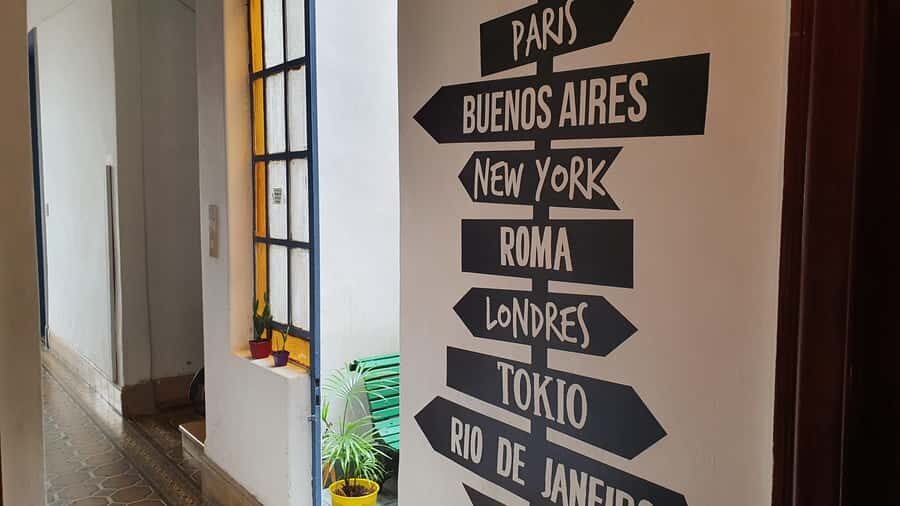
After the lesson and the snack time, you get the second half of the 2-hour experience: 1 hour of free practice with teachers.
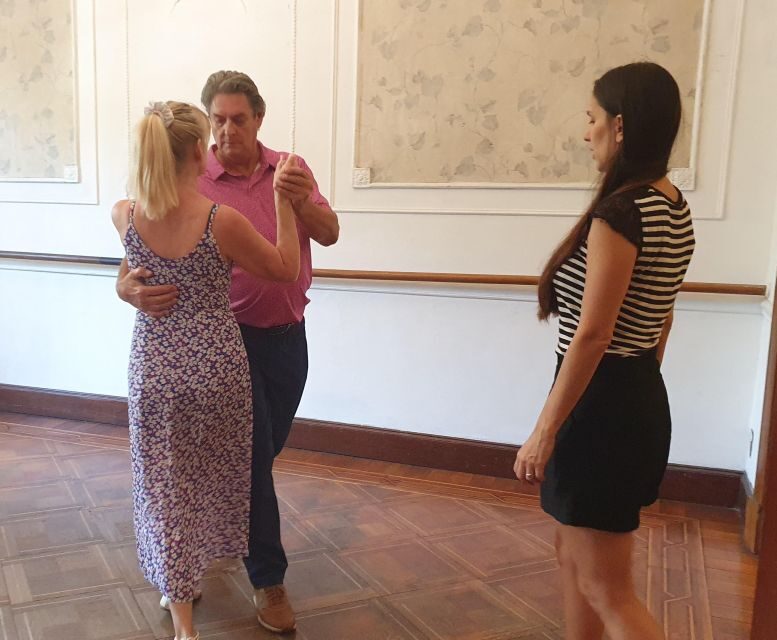
This is the part that most beginners really need, because learning tango isn’t only about memorizing. It’s about repeating. It’s about trying the step, correcting your posture, adjusting your timing, and then trying again. Having teachers around during practice means you can ask for help while it’s fresh, instead of waiting until you’re back in your hotel.
And even if the class contains more experienced dancers, the practice time is designed for you to work with what you learned. If you’re traveling solo and worried you’ll be left behind, there’s evidence that the teaching team can still give more direct attention when appropriate. The best outcome is you leave with a clearer idea of how the steps fit together, not just a list of moves.
Price and value: is $25 worth it?
At $25 per person for about 2 hours total, this is priced like a true “experience” deal, not a long-ticket class marathon.
You’re getting:
- 1 hour of group tango instruction
- Mate tasting
- Sweet table snacks
- 1 hour of practice time with teachers
If you compare this to the cost of typical dance classes you might run into elsewhere, the inclusion of mate and snacks is what pushes it into good value territory. You’re not just paying for movement coaching; you’re paying for a full afternoon social lesson in Buenos Aires tango culture.
That said, consider what you want from the session. If you’re expecting long, highly individualized coaching, note that some people found there wasn’t quite enough teacher time for every participant. But if you want a friendly, structured way to start tango and you’re okay sharing attention in a group setting, this price looks fair.
Other tango shows we've reviewed in Buenos Aires



Who this tango class suits best
This works best for adults (it’s not suitable for children under 13) who want:
- a relaxed introduction to tango
- a chance to learn in a social setting with people from different countries
- a lesson plus real practice, not just a brief demo
You’ll likely enjoy it most if you’re comfortable in a group and willing to move. You should also like the idea of mate and chatting, because a chunk of the afternoon is built around that.
Who might want to skip it:
- Pregnant women (not suitable)
- People with heart problems (not suitable)
- Wheelchair users (not suitable)
Practical tips so you don’t feel awkward on arrival
Logistics are refreshingly simple, but you should plan for the small details.
No hotel pickup. You’ll travel on your own to the address and ring the bell when you arrive. That means you should add a little buffer time so you’re not rushing at the start.
Bring comfortable clothes. Tango involves stepping, shifting weight, and moving your feet repeatedly. Tight clothing or shoes that don’t let your feet move will slow you down. The event doesn’t specify a dress code, just comfort.
Expect an afternoon rhythm. You’ll do introductions, then mate, then the tango class. After that comes the sweet table and chat time, then practice. If you show up hungry or worried, the snacks and mate will help you reset.
Use the language support. The class includes a live guide in English, Portuguese, and Spanish. If you’re multilingual, great. If you’re not, focus on following instructions visually and listen for key cues in your preferred language.
What to watch for during the class (so you get your money’s worth)
Most groups work best when you calibrate expectations.
Here’s what you can control:
- Ask questions early. The teachers are there during instruction and also during practice, but earlier questions are easier to act on during the lesson phase.
- Practice immediately after instruction. The class includes a practice hour, so don’t wait until the second half to try corrections.
- Be ready for a mixed skill room. The experience is group-based. If there are experienced dancers, you may get less individual time during the main lesson. The practice hour helps, but manage expectations about one-on-one attention.
If you’re the type who learns best with lots of direct feedback, go in hoping for it, but don’t build your plan around it. If you’re excited to learn with others and pick things up step by step, you’ll likely have a great time.
Should you book this mate and tango group class?
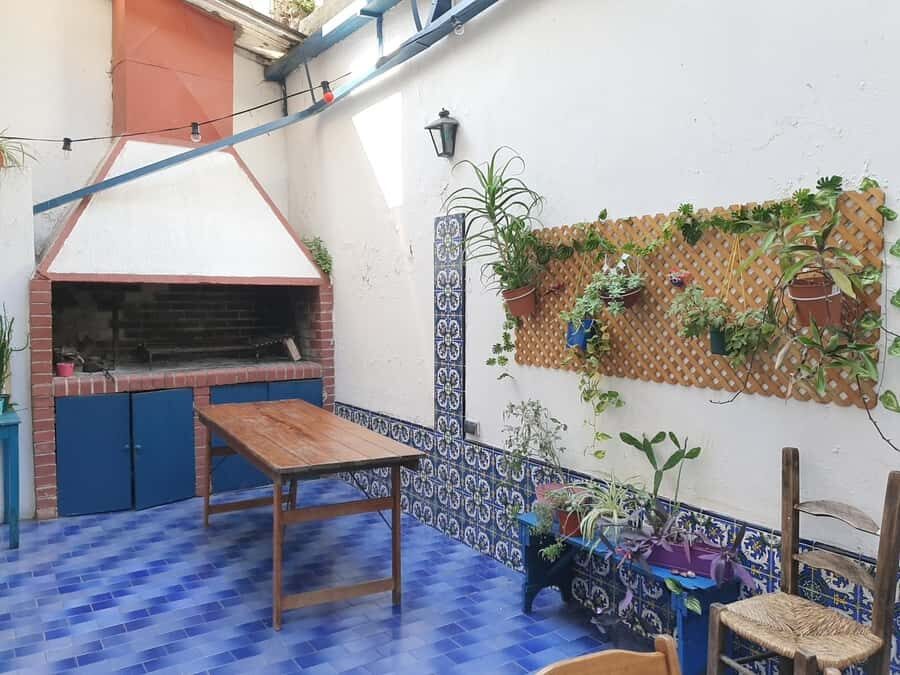
Book it if you want tango in a friendly, cultural format. This is a solid pick for beginners who want structure, a social atmosphere, and enough practice to feel like you improved—not just watched. The combination of Johana Copes’ teaching team, mate tasting, and the sweet patio snack break makes the afternoon feel complete, not like a quick dance stop.
Skip it or reconsider if your main goal is intensive personal coaching. The class is group-based, and a couple of people noted teacher attention can lean toward regular students when the room has lots of experience. Also, follow the suitability limits—there are clear accessibility and health restrictions listed.
If you’re traveling to Buenos Aires and you want one afternoon that mixes movement, local ritual, and meeting people who genuinely love tango, this is a very practical way to do it.