REVIEW · BUENOS AIRES
Buenos Aires: La Boca Art and History Walking Tour
Book on GetYourGuide →Operated by Baires Experience · Bookable on GetYourGuide
La Boca can feel like a movie set. This walking tour makes it make sense by linking the neighborhood’s colors to real people, real jobs, and real creativity, from the Riachuelo to tango and football. I love the way it spotlights Benito Quinquela Martín and turns street art into an actual story you can follow on foot. I also like that the guide brings La Boca’s culture together in a way that feels human, with guides such as Facundo, Juan, and Laura leading the way in English, Spanish, or Portuguese.
One thing to think about: it is a street walk, so you’ll want comfortable shoes and a bit of patience for photos and short stops. If you prefer a full day of museums only, this 150-minute format may feel like it moves quickly, but it’s built for getting your bearings and leaving with context.
In This Review
- Key highlights you’ll feel on this La Boca walk
- La Boca, explained in 150 minutes
- Meeting at the Benito Quinquela Statue and finishing nearby
- La Boca streets: working-class roots behind the colors
- La Bombonera photo stop: football culture with real emotion
- Museo Conventillo El Rincon de Lucía: housing history you can picture
- Benito Quinquela Martín Museum: Riachuelo art and a local hero
- Tango motion and the neighborhood’s social rhythm
- What you get for the price: guide time plus two extras
- Language, group energy, and how to get the most out of it
- Practical tips before you go
- Who this La Boca walking tour suits best
- Should you book this tour?
- FAQ
- Where is the meeting point for the La Boca tour?
- How long is the Buenos Aires La Boca walking tour?
- What languages does the live guide speak?
- What’s included in the price?
- Do I need to bring anything?
- Is the tour wheelchair accessible, and is there any booking timing requirement?
Key highlights you’ll feel on this La Boca walk
- Benito Quinquela Martín’s impact: art tied to the neighborhood’s working life and the Riachuelo
- La Bombonera photo stop: football passion without needing a ticket to a match
- Conventillo history at El Rincon de Lucía: housing and immigration told through a local lens
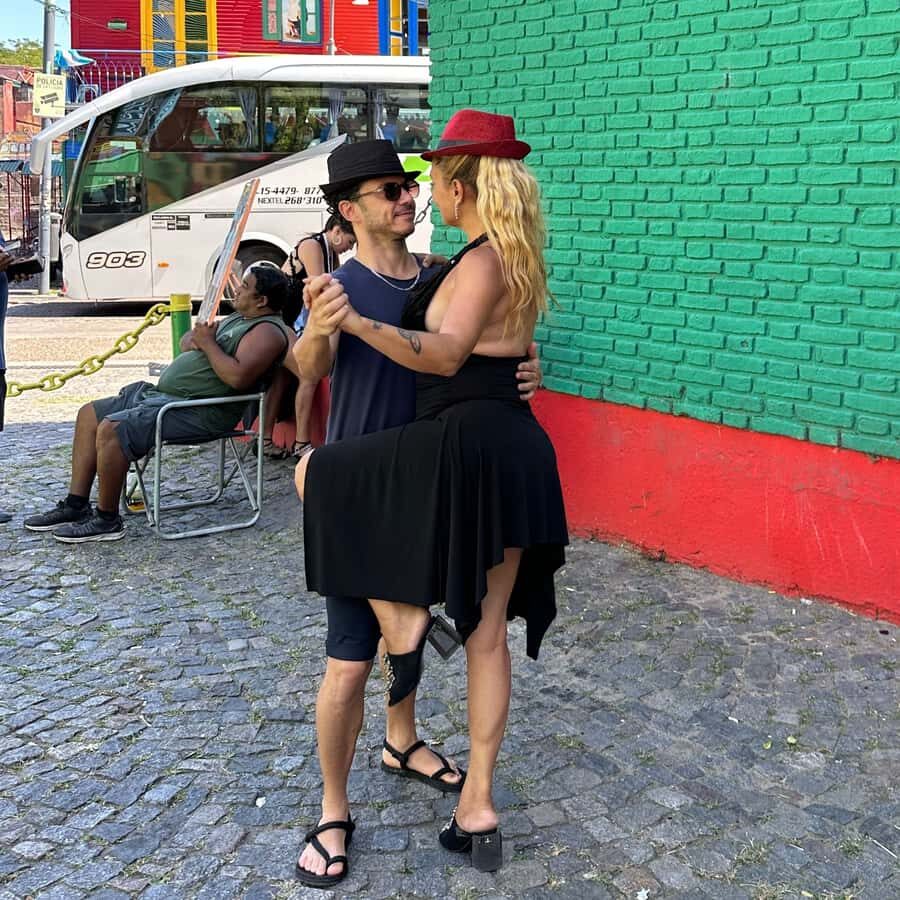
- Tango motion on the move: the music shows up as rhythm and attitude, not just a poster
- Two added experiences in the ticket: museum entry, plus tastings like wine and dulce de leche
La Boca, explained in 150 minutes
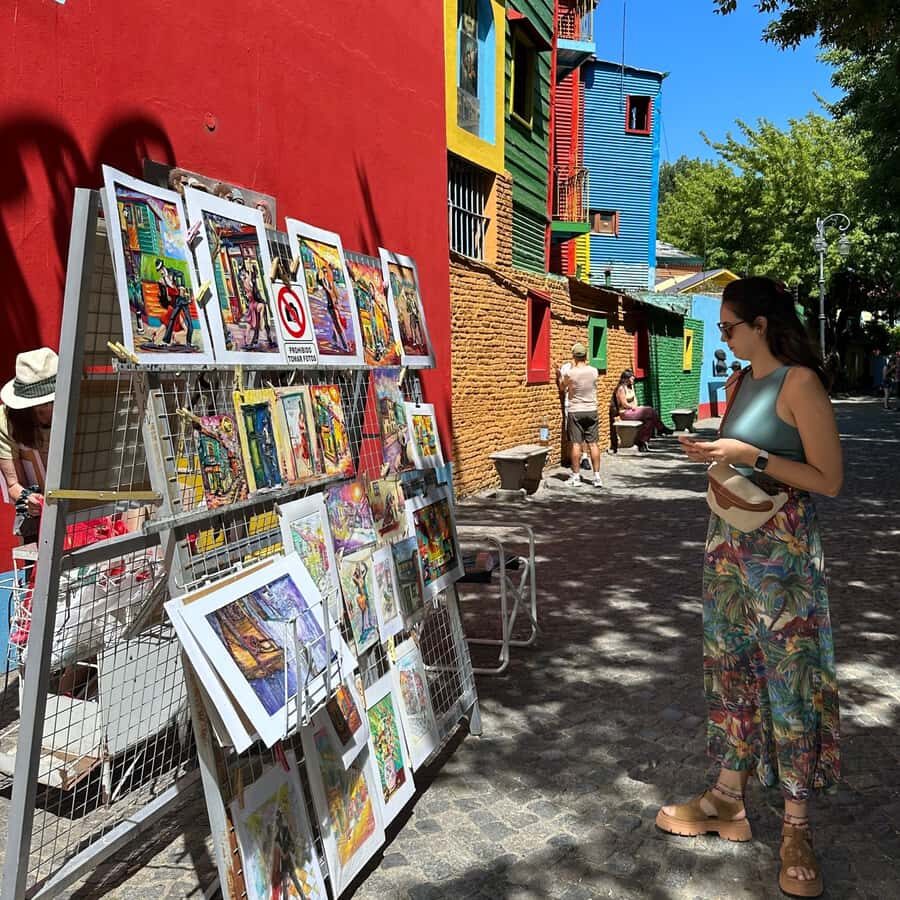
This tour is built around one of Buenos Aires’ most recognizable neighborhoods, La Boca. You’ll see the famous colors, but the real payoff is the context: who settled here, why they came, what work shaped daily life, and how art became a voice for the community.
At 150 minutes, it’s not trying to cover everything. It does aim to give you a clean framework so the streets don’t just look pretty. When the guide connects the dots—immigration, working-class roots, and the neighborhood’s artistic legacy—you start understanding why La Boca is the way it is.
With a price of $46 per person, you’re paying for a guided experience with walking time plus two optional additions (museum entry and/or tastings, depending on what your ticket includes). For Buenos Aires, that’s a solid value if you want depth without spending a full day indoors.
Other Buenos Aires tours we've reviewed in Buenos Aires



Meeting at the Benito Quinquela Statue and finishing nearby
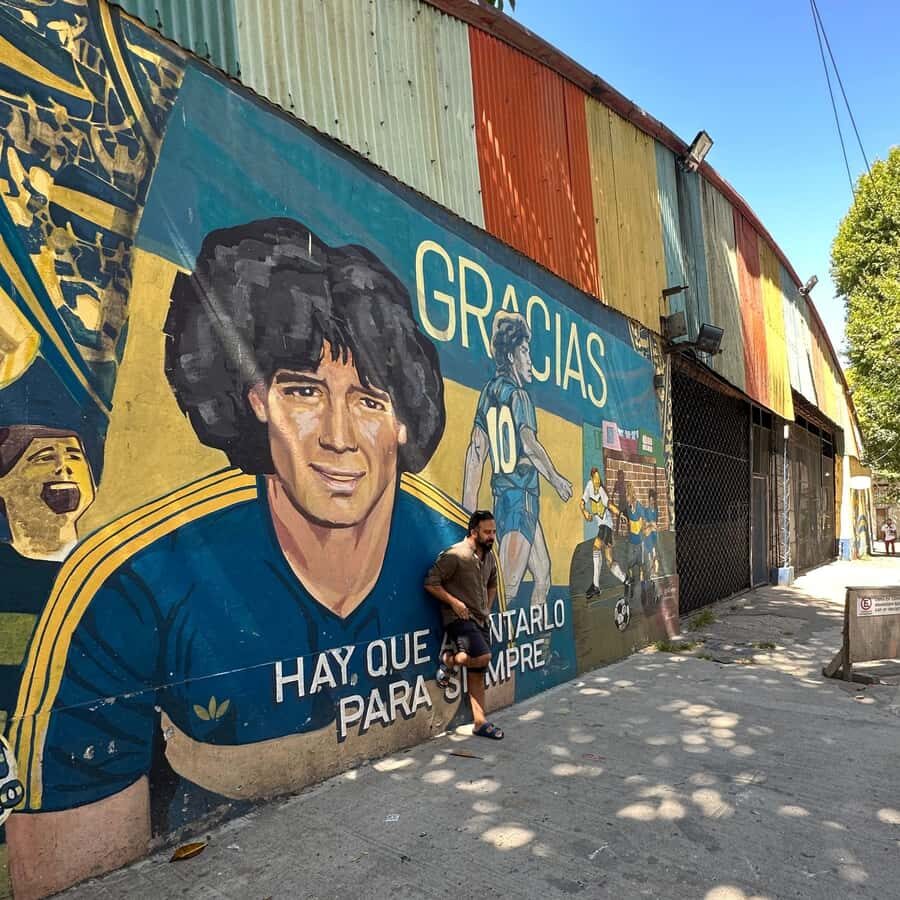
You meet your guide at the Benito Quinquela Statue, then you start exploring from Av. Don Pedro de Mendoza 1921. The tour finishes back in the same area at Av. Don Pedro de Mendoza 1835, so you’re not left crossing town after you’ve invested your energy.
I like meeting-point tours that keep you close to the action, and this one stays within La Boca’s core. Also, one practical advantage: guides tend to help people find the right spot, and some go out of their way to get in touch so you don’t miss the start.
The good news for planning: there’s no hotel pickup. You’ll want to arrive a bit early, so you can check in, feel oriented, and settle into the right walking pace.
La Boca streets: working-class roots behind the colors
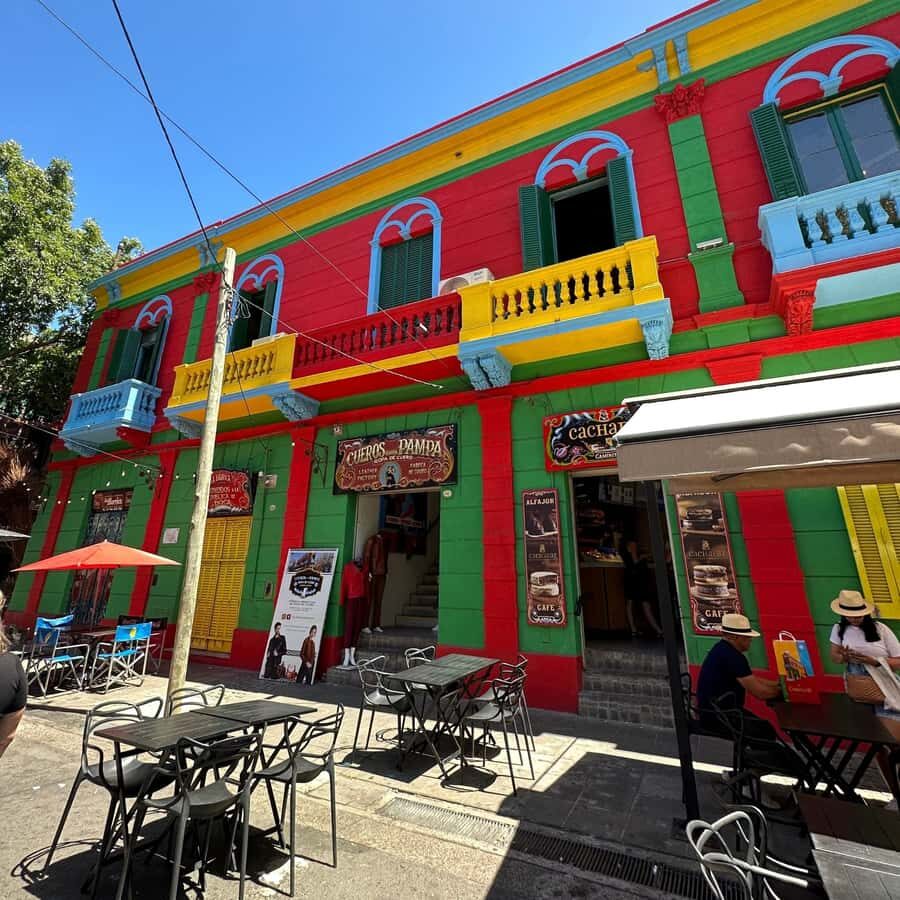
The tour begins in La Boca proper, moving through the streets where you’ll instantly recognize the look of the neighborhood. But the guide’s job is to keep the focus from turning into a simple photo mission.
You’ll learn how immigration and the neighborhood’s working-class background shaped community life. That matters because La Boca’s famous visuals can make it seem like it’s only about murals and tourist snapshots. Here, the colors are treated like evidence—of identity, of labor, of survival, and of people who insisted on making something beautiful out of everyday reality.
This is also where the tour sets up the art theme. The guide ties what you’re seeing to what the neighborhood wanted to remember and claim. If you’ve ever wondered why certain waterfront areas produce strong artistic traditions, this stop gives you a clear reason.
La Bombonera photo stop: football culture with real emotion
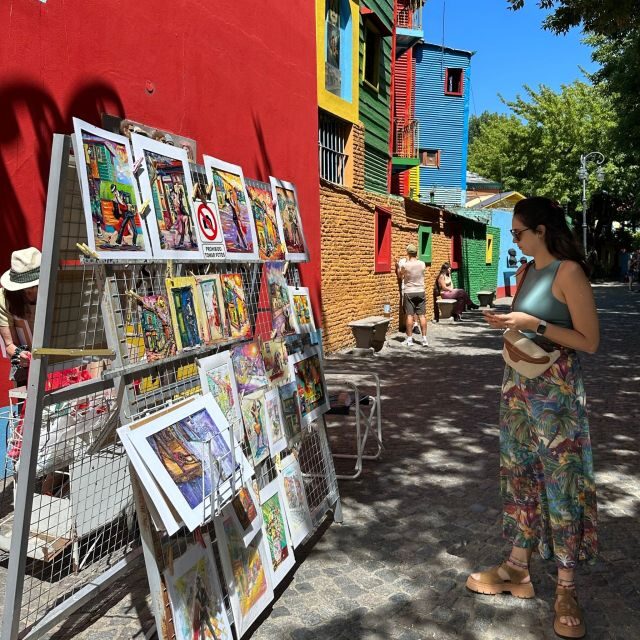
Next comes the La Bombonera area for a photo stop. Even if you don’t know every club detail, you’ll feel the intensity. This tour treats football as more than a sport. It’s part of the neighborhood’s social life—how people gather, talk, argue, and bond.
A photo stop is short by nature, so don’t expect stadium commentary that replaces an actual match visit. Still, it’s a great moment to connect the dots between La Boca’s identity and the passion that surrounds Boca Juniors.
If you care about football culture, this is one of the best ways to get that taste without buying a ticket or scheduling around a game.
Museo Conventillo El Rincon de Lucía: housing history you can picture
Then you shift from big-photo icons to a more personal slice of life at Museo Conventillo El Rincon de Lucía. A conventillo is a housing type strongly associated with the era of immigration into Buenos Aires, and this stop helps you understand how families actually lived as they built new routines.
This is the part of the tour where you’ll likely slow down mentally. Instead of only looking outward at landmarks, you look inward at how people shared space, adapted to new neighborhoods, and formed communities while their lives were in transition.
The practical bonus: museum time is where the walking rhythm resets. You get a guided visit, and then you’re back outside with a clearer sense of what you’re seeing.
Other La Boca tours we've reviewed in Buenos Aires



Benito Quinquela Martín Museum: Riachuelo art and a local hero
After the conventillo, the tour heads to the Benito Quinquela Martín Museum for a guided visit. This is a central stop, and for good reason. Quinquela Martín isn’t treated like a distant art figure. You’ll connect him to La Boca’s atmosphere and to the Riachuelo area that shaped local industry and imagination.
Art shows up here as something practical: it’s how a community narrates itself. It’s also how certain stories survive, even when the neighborhood changes.
Two useful things to know for planning:
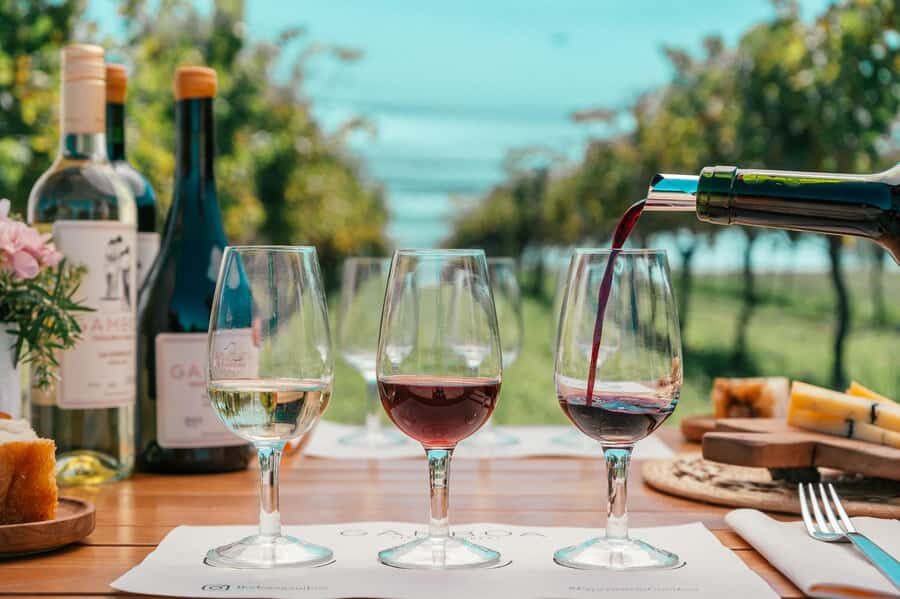
- Your ticket includes two out of three possible add-ons: museum entry, or free wine tasting, or dulce de leche tasting. Your exact mix depends on how your booking is set up.
- If you care most about art, you’ll want to make sure the museum entry is one of your two included options.
Either way, this museum stop tends to be the moment that turns La Boca from a set of visuals into a story with cause and effect.
Tango motion and the neighborhood’s social rhythm
The tour experience includes the feeling of tango—more like the movement and social attitude than a staged performance. Tango in Buenos Aires isn’t only about dance steps. It’s also about pacing, emotion, and how people carry themselves in public spaces.
On a walk like this, that can translate into a cultural read of the neighborhood: who belongs, who watches, who gathers, and how music shows up in daily life. Even without a formal tango lesson, you’ll understand why people associate La Boca with that kind of drama and intensity.
I like this approach because it keeps the tour from becoming either too academic or too purely sightseeing. The tango mood works like a thread connecting art, people, and street life.
What you get for the price: guide time plus two extras
Let’s talk value, because $46 for 150 minutes is only worth it if the included pieces genuinely add up.
You get a walking tour with a guide, plus two of these three options:
- Benito Quinquela Museum entry fee
- Free wine tasting
- Dulce de leche tasting
That means you’re not just paying for someone to point at buildings. You’re paying for guided interpretation plus additional on-the-spot experiences. If your two included options include tastings, you’ll also get a more relaxed break from walking that still fits the theme of local culture.
If you’re the type who loves art and history, you might prefer the museum-heavy combo. If you want a more food-and-flavor angle, then tastings will likely be the better match.
One more point: the guide is live and speaks Spanish, English, and Portuguese, so you can expect explanations to land clearly. In particular, multiple named guides across bookings (Facundo, Juan, Rafa, Laura, and Dani among them) were highlighted for communication quality and friendly delivery.
Language, group energy, and how to get the most out of it
This tour is designed to be easy to follow. You can choose a guide language (Spanish, English, or Portuguese), and you’ll be walking through key points where the stories connect.
A tour like this works best when you participate with small things: looking up at facades, asking a question, or simply listening for the cause-and-effect links (immigration → housing patterns → community identity → art and football pride). If you do that, the neighborhood stops feeling like a checklist.
Also, bring your passport or ID card, since it’s specifically mentioned as required. It’s a small step, but it avoids a last-minute problem.
Practical tips before you go
- Wear comfortable walking shoes. You’re on the move for about 2.5 hours.
- Bring passport or ID.
- Plan to arrive a few minutes early at the Benito Quinquela Statue.
- If you’re booking close to your travel date, note that bookings are accepted with at least 24 hours in advance.
If you’re planning around a tight Buenos Aires schedule, this one is good because it keeps you in La Boca and ends nearby, so you’re not dealing with long post-tour logistics.
Who this La Boca walking tour suits best
This tour fits you if you want:
- Culture with context, not just photos
- Benito Quinquela Martín and art explained in a neighborhood setting
- A quick taste of football obsession tied to local identity
- A history thread that includes immigration and working-class life
It may not be ideal if you want a super long museum day or a purely foodie tour. Still, the tastings included with the ticket can add a light flavor element without pulling you away from the main story.
Solo? The operator asks solo travelers to confirm availability directly with Experience Baires before or after booking. That’s the kind of detail that saves headaches later, so it’s worth doing.
Should you book this tour?
Yes, if your goal is to understand La Boca fast—and to leave with reasons behind the colors. The mix of art, housing history, and football culture gives the neighborhood more meaning than a standard walking circuit.
I’d book it especially if you care about Quinquela Martín and the way art connects to place. You also get flexibility through the structure: it’s 150 minutes, it stays close to the action, and it includes two extras (museum entry and/or tastings) that can make the cost feel more justified.
If you want me to help you decide between this and another Buenos Aires experience, tell me your priorities (art vs football vs food vs tango mood) and your travel dates.
FAQ
Where is the meeting point for the La Boca tour?
Meet your guide at the Benito Quinquela Statue.
How long is the Buenos Aires La Boca walking tour?
The tour lasts 150 minutes.
What languages does the live guide speak?
The live guide offers Spanish, English, and Portuguese.
What’s included in the price?
The price includes a walking tour and a guide, plus two of the following: Benito Quinquela Museum entry fee, free wine tasting, and dulce de leche tasting.
Do I need to bring anything?
Bring your passport or ID card.
Is the tour wheelchair accessible, and is there any booking timing requirement?
Yes, it’s wheelchair accessible. Also, bookings are accepted with at least 24 hours’ advance notice, and solo travelers are asked to confirm availability directly with Experience Baires.