REVIEW · BUENOS AIRES
Buenos Aires: Small-Group Wine Tasting
Book on GetYourGuide →Operated by Miravida Soho Hotel Wine Bar · Bookable on GetYourGuide
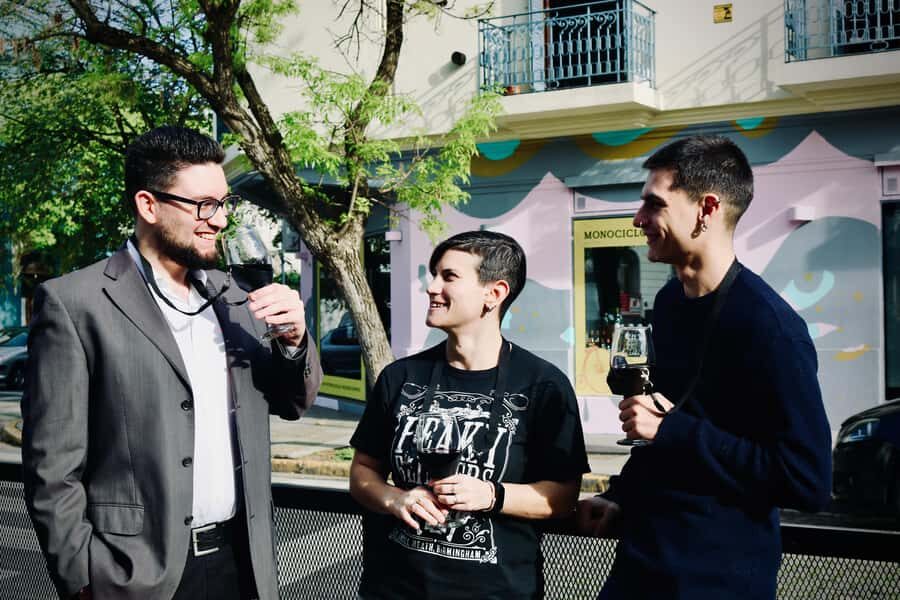
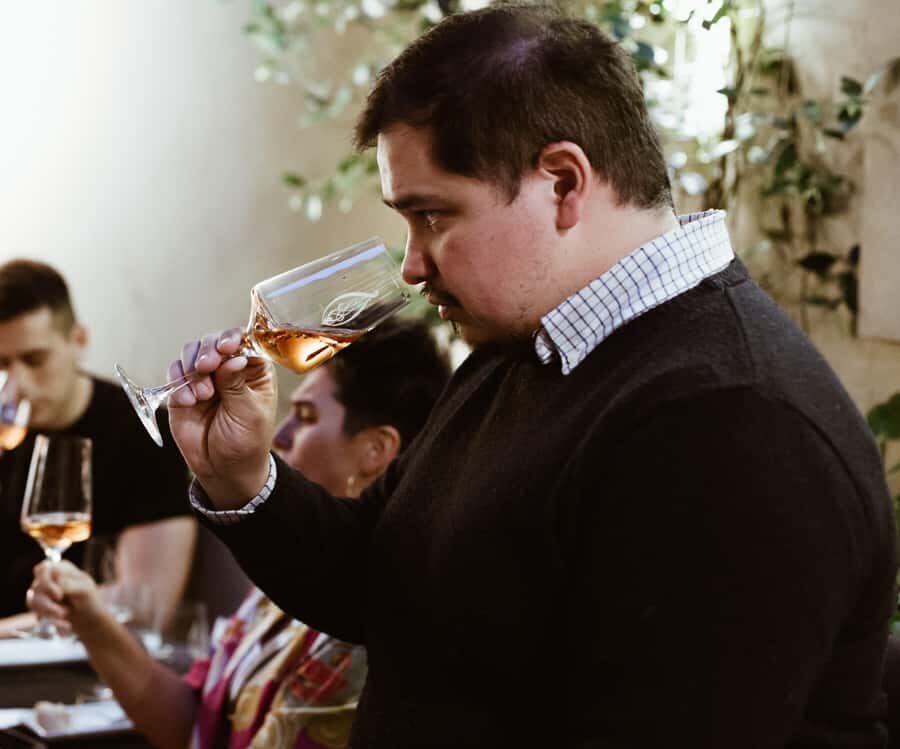
There’s something about a cellar tasting in Buenos Aires. This one puts you in Miravida Soho’s wine space (or a private patio if weather allows) with a professional sommelier guiding you through Argentina’s standout varietals.
Two things I like a lot are the tight group size and the pairing of tastings with real food—small bites, cured meats and cheese, plus bread that makes the whole session feel balanced, not just like sipping and standing around. One thing to consider: the cava is reached by narrow stairs and there’s no elevator to the wine cellar, so it’s not ideal if you have mobility concerns.
I also appreciate that the guide makes room for questions and note-taking, and that you’re not rushed. In my notes from past guests, guide names like Faustino and Sandra came up, and the vibe ranges from highly structured explanations to a more relaxed, food-friendly pace depending on the session.
In This Review
- Key things to know before you book
- Palermo Soho’s Miravida: the setting that makes wine tasting feel like a plan
- The group size and why it changes what you learn
- What wines you’ll taste (and how to think about the selection)
- Pairing the wines: bites that actually help you understand
- The sommelier experience: structured guidance with room for questions
- Inside the tasting: what your 2-hour wine moment is really doing
- Timing in the real world: how to plan your day around an 18-hour listing
- Practical details that affect your comfort (and your best photos)
- Value check: is $50 worth it for a Buenos Aires wine tasting?
- Who this is best for (and who might want another option)
- Should you book the Buenos Aires small-group wine tasting?
- FAQ
- How many wines do I taste?
- Who guides the tasting?
- Is food included?
- How big is the group?
- Where does the tasting happen?
- What’s the meeting point?
- Do I need to arrange transportation?
- Is it suitable for wheelchair users or mobility issues?
- Are children allowed?
Key things to know before you book
- Small group feel: max 8 participants, designed for personal attention (and tastings capped at a small number as well).
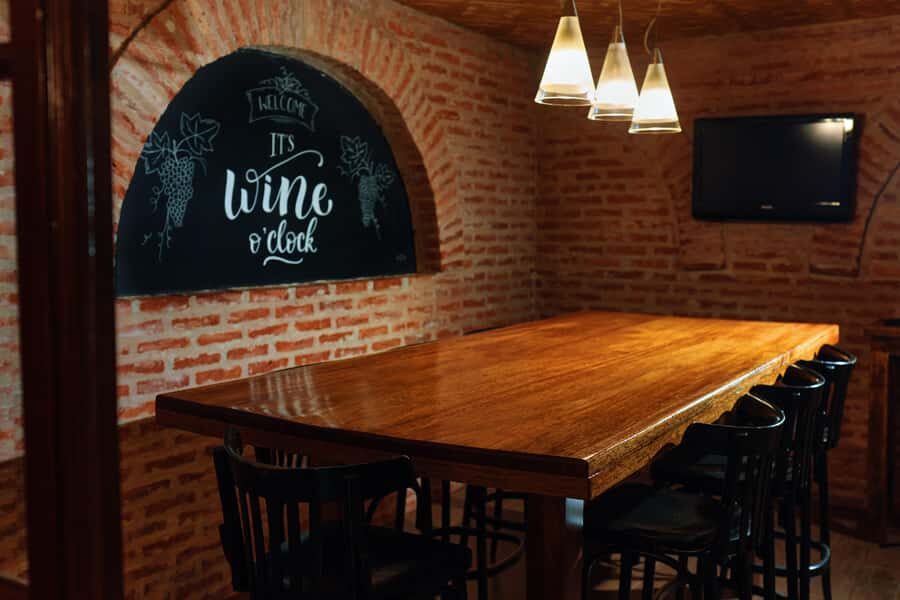
- Cellar setting in Palermo Soho: you’ll likely taste in the cava area, which adds atmosphere and a real wine-barrel mood.
- Four Argentine wines (with a chance of more): the standard plan is four varietals, and at least one group reported getting five pours.
- Bites are included: cured meats and cheese show up, along with bread—and one guest specifically called out freshly made empanadas.
- Spanish + English guide: the sommelier speaks both languages, so you can follow details without guessing.
- No food or drinks from outside: the rules are strict, so plan to eat only what’s provided.
Palermo Soho’s Miravida: the setting that makes wine tasting feel like a plan
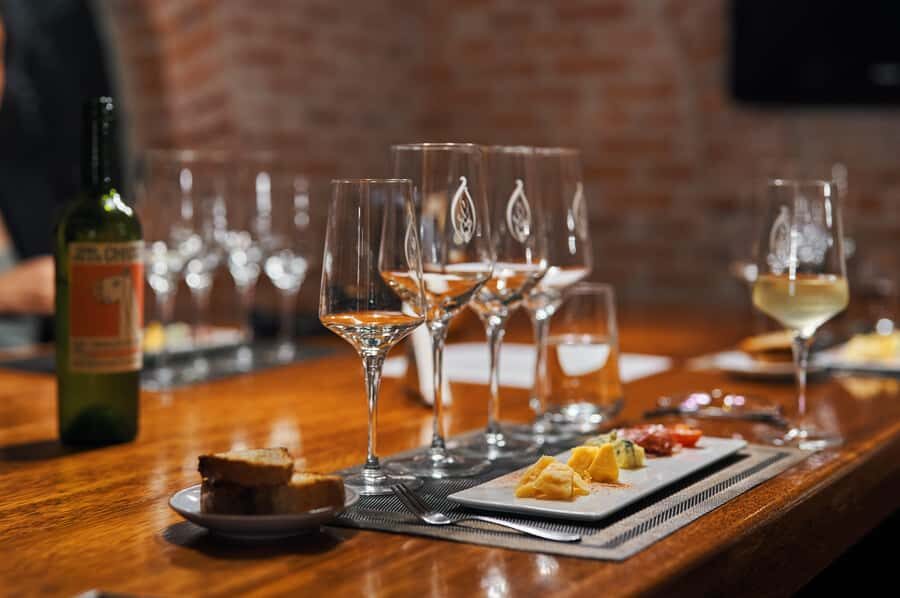
Palermo Soho is already a fun place to wander, with cafés and design shops just a short walk from the Miravida Soho Hotel & Wine Bar. What turns this from a simple tasting into a better experience is the venue itself. You meet at Miravida, then you go down into the cava area—often described as a cellar space inside the building—so the whole thing feels quieter and more focused than most tasting bars.
One practical note matters: you’ll be going down one flight of stairs to reach the wine area, and the operator states there’s no elevator for the cava. The bathrooms are up another floor, so you’ll be moving around a bit. If you prefer minimal stairs, you’ll want to weigh that before booking.
The tour also mentions an alternative location: a private patio. If weather is suitable, or if groups are larger than the usual cap, tastings may happen outside. That’s a good design choice because it keeps the experience flexible without breaking the small-group feel.
Other Buenos Aires tours we've reviewed in Buenos Aires


The group size and why it changes what you learn
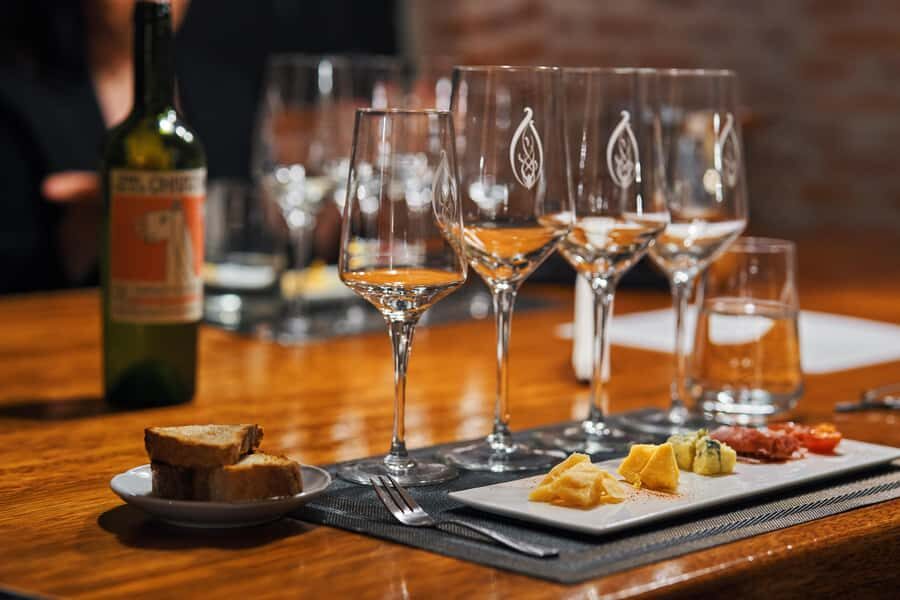
This tasting isn’t built for a crowd. It’s capped at 8 participants, and the session format is described as limited to a small number to keep the experience intimate. In plain terms, that means:
- You get time with the sommelier instead of hearing explanations from the back of a room.
- You’re more likely to ask questions and get direct answers.
- You don’t feel like you’re rushing through pours just to let the next group in.
That matters because wine tasting is part sensory and part storytelling. If the guide can see what you’re noticing—aroma, acidity, texture, finish—then the explanations land better. And if you’re the kind of person who wants to take notes (they explicitly allow note-taking), a small setup helps you keep up.
What wines you’ll taste (and how to think about the selection)
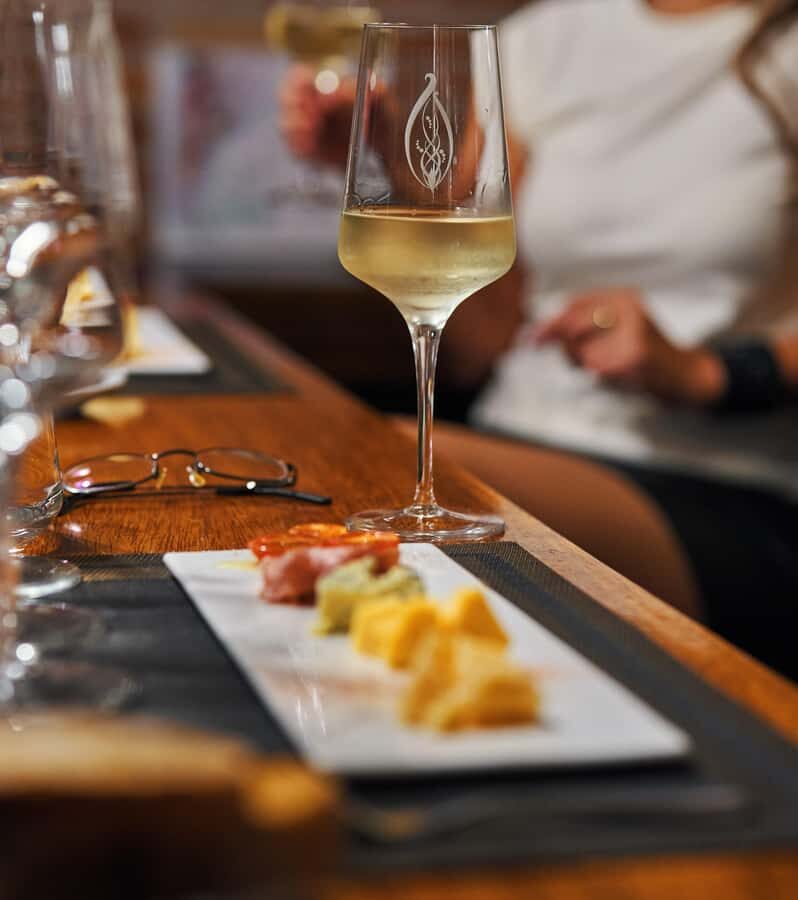
The plan is to taste 4 different Argentine wines, with tastings centered on examples of varietals Argentina is known for—specifically Malbec and Torrontés. If you’re coming to Argentina for wine, these two are a smart anchor:
- Malbec is the best-known red style associated with the country.
- Torrontés is a signature white option that can taste very different from the reds you may have tried elsewhere.
In the real world, the “four wines” lineup will feel like a mini map of Argentine style rather than a full tasting flight of everything they make. That’s part of the value: you leave with a clearer sense of what to look for later when you’re choosing bottles in shops or restaurants.
Also, keep your expectations flexible. One guest reported trying five wines instead of four, which suggests that some sessions may run a touch fuller depending on pacing and how the group experience unfolds. I’d treat four as the dependable baseline, and a possible extra pour as a bonus.
Pairing the wines: bites that actually help you understand
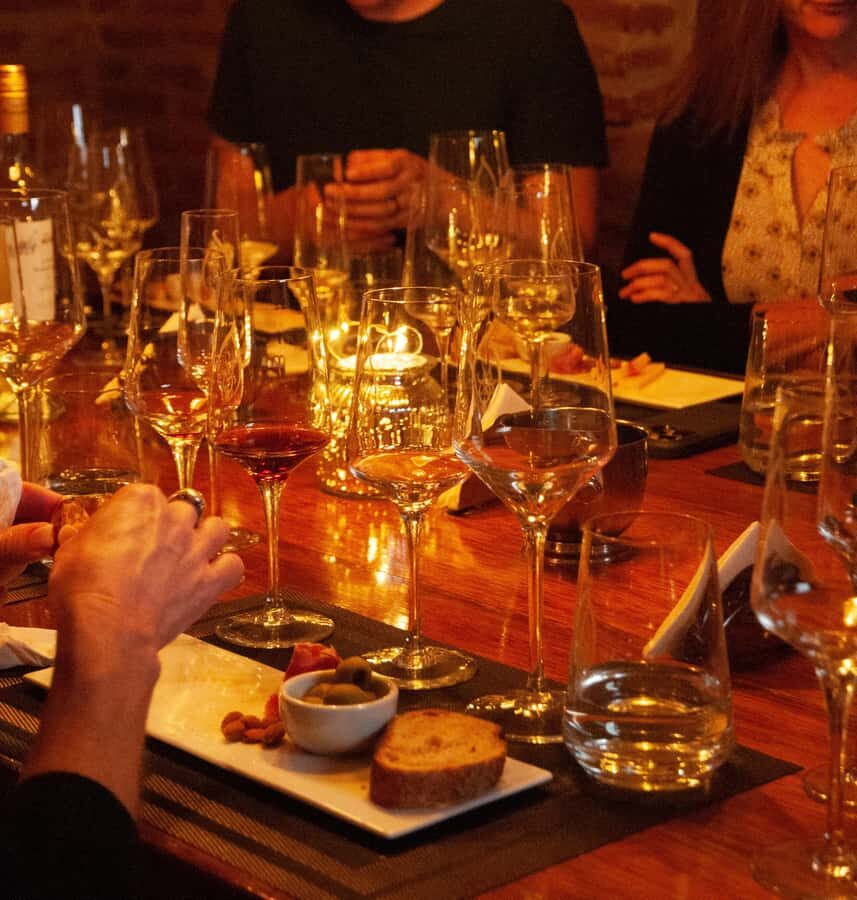
Wine tasting and food pairing can go two ways. Either you get a token cracker and call it pairing. Or you get bites that change the way the wine tastes.
Here, the food element is included, and the descriptions you’ll see point to something more substantial than token snacks. Expect appetizers and small bites, including bread. In one detailed account, a guest noted cured meats and cheese offered at each part of the pairing, plus freshly made empanadas that stood out as delicious.
That pairing approach helps you in two ways:
- It keeps your palate from feeling “washed out” after the first couple pours.
- It makes wine differences easier to notice—because savory bites and fatty cheeses can highlight texture and balance in ways water and bread alone can’t.
So even if you’re not a huge food person, you’ll probably appreciate that the tasting isn’t just about swallowing sips. It’s about learning how wine behaves with real Argentine flavors.
One more thing: the activity rules say no outside food or drinks. That’s a reminder to show up ready to enjoy what’s included rather than thinking you can top up from your own snack stash.
The sommelier experience: structured guidance with room for questions
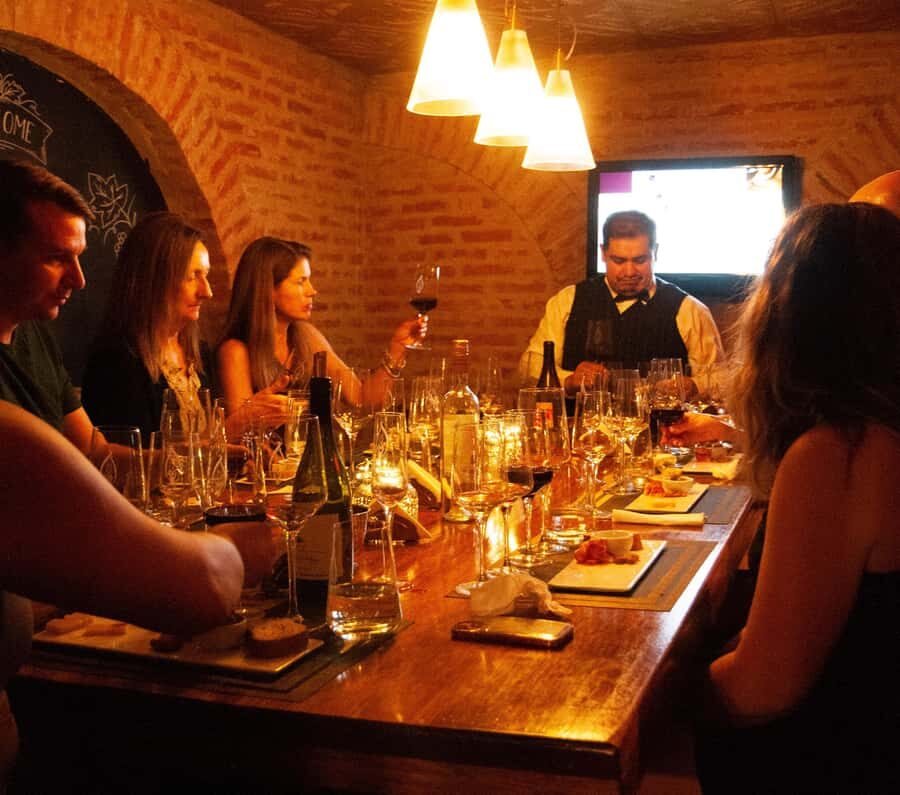
The tour is led by a professional sommelier speaking English and Spanish. That bilingual setup is a big plus if you want to understand not only what you’re tasting, but also why it tastes that way.
From guest feedback that came up in notes like this, two guide names were mentioned: Faustino and Sandra.
Faustino was described as knowledgeable and good at explaining wine, but one guest also flagged an issue: pouring amounts seemed inconsistent, starting tiny at the first glass and increasing by later pours. They still enjoyed the session, but the uneven pour affected how much they could taste early on.
Sandra came up with another kind of feedback: a relaxed environment and strong performance with food options, including vegan and vegetarian catering. That tells me the guide style may influence the pace and the comfort level, and the kitchen or snack offerings may be able to adapt if you tell them your needs.
How should you use this information? If you care most about understanding tasting notes, ask questions early and don’t be shy about note-taking. If portion size is important to you, it’s worth arriving hungry enough to enjoy every sip, because the tour format depends on small tastings rather than large pours.
Other food & drink experiences in Buenos Aires



Inside the tasting: what your 2-hour wine moment is really doing
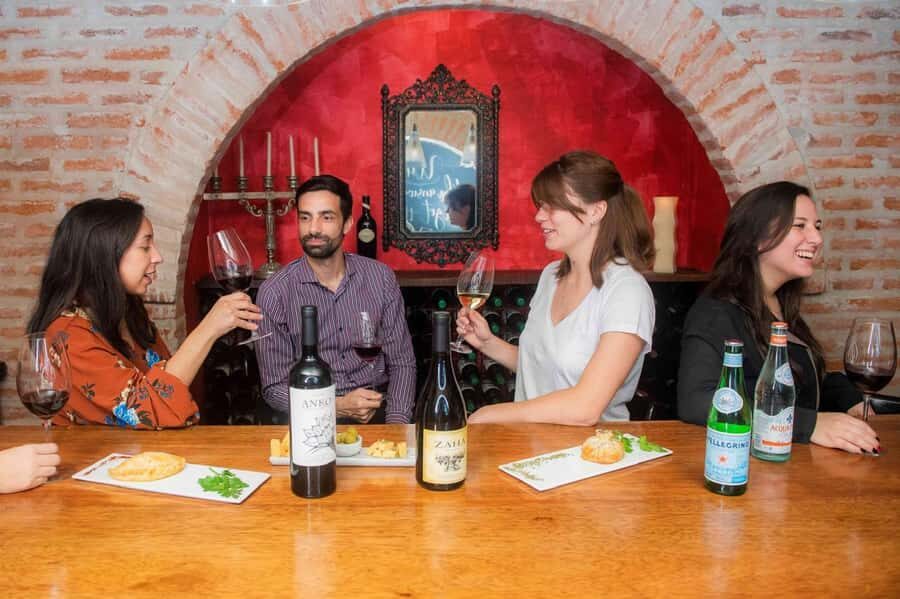
Even though the booking shows a long listed duration, the tasting portion is essentially a dedicated couple hours in a wine-focused setting—meet, settle in, taste, pair, ask questions, and take notes. That structure is worth valuing because it keeps the experience concentrated. You’re not squeezed into a quick tasting where you can’t form opinions.
At Miravida, you’ll move from meeting your guide to getting seated in the wine area (often the cava) and then going through the tasting steps. You can expect the wines to be presented in a way that fits the included food. The goal isn’t to trick you into liking something—you’re meant to learn what each pour is, how it differs, and how Argentina’s styles can range.
And because tastings are small, it’s easier for the guide to adjust explanations if people have different questions. One guest mentioned that having the chance to ask questions and take notes was part of the appeal, and that’s exactly the difference between a tasting and a lecture you can’t interrupt.
Timing in the real world: how to plan your day around an 18-hour listing
This experience is listed with an 18-hour duration, which can feel odd at first. Usually, long durations like this reflect that the tour has specific starting windows and the system shows a broader time block than the tasting itself.
What you can do with that: pick a start time that fits your energy and food plans. Palermo Soho is a walkable neighborhood, so you might treat the wine tasting as the main event and then plan a simple dinner afterward (without assuming you’ll be super full—bites are included, but you’re still tasting wines).
If you’re someone who hates unpredictable meal timing, eat lightly beforehand and then let the included pairing handle the rest. The food is part of the design, so timing matters more than with a standard wine bar stop.
Practical details that affect your comfort (and your best photos)
A few on-the-ground rules are listed for a reason. They’re not just picky—they protect the tasting flow and keep the cava area safe.
Key practical details to factor in:
- The wine cellar is reached by narrow stairs and there’s no elevator to the cava area.
- The tour environment includes glass bottles, and the operator explicitly warns about safety for children if glass breaks.
- The rules say no drones, no selfie sticks, and no audio recording.
- You can’t bring in food or drinks (and the rules include “red wine,” so if you were planning to bring anything, skip that and stick to what’s included).
- Intoxication is not allowed, which is normal for structured tastings.
Also, they mention the cava is reached by stairs and that the bathrooms are up one floor. So yes, there’s some vertical movement beyond just tasting. If you can handle a short run of stairs, you’ll probably be fine. If you can’t, you’ll want to think twice.
Finally, the experience includes skip-the-line access through a separate entrance. That’s a small comfort boost, especially if Palermo Soho is busy and you don’t want to wait.
Value check: is $50 worth it for a Buenos Aires wine tasting?
At $50 per person, the value depends on what you want out of your wine time.
Here’s what you’re getting for that price:
- A professional sommelier with English and Spanish support.
- Tasting of 4 Argentine wines (with at least one report of five pours).
- Included small bites: bread and pairing snacks like cured meats and cheese, plus items like freshly made empanadas mentioned by guests.
- A small group size (max 8), which usually means better attention and more useful explanations.
In terms of value, the biggest win is the combination: learning + intimate pacing + included pairing food. Many wine bar tastings charge similar amounts but don’t provide structured guidance or they offer only minimal snacks. This format gives you both the tasting framework and the food context.
The main downside for value is if you’re expecting big pours or a long sit-down meal. This is a tasting. You should treat it as a guided learning experience, not a drinking binge.
Who this is best for (and who might want another option)
I’d point you toward this tour if you:
- Want an intimate wine experience with real guidance.
- Like Argentine varietals and want to compare different styles in a single session.
- Care about food pairing more than just tasting liquids.
- Prefer a small group over big tours.
You might not love it if:
- You’re traveling with mobility limitations due to the cava stairs and no elevator to the wine area.
- You’re bringing children. The operator lists that the tour isn’t suitable for children under 18, and notes safety concerns with glass bottles in the cava.
- You’re hoping for a party atmosphere. It’s structured, rule-based, and focused.
If you’re in Palermo Soho already and want a high-quality, guided wine moment without turning it into a full-day production, this fits.
Should you book the Buenos Aires small-group wine tasting?
Yes, I’d book it if you want a calm, guided intro to Argentine wine with a sommelier and included bites in a real wine setting. The small group size and the thoughtful pairing food are the standout strengths, and the chance of an extra pour (as noted by guests) is a nice bonus.
I’d skip or at least think twice if stairs are a problem for you, or if you’re traveling with anyone under 18, given the operator’s suitability rules and the cava’s glass-bottle environment.
If your ideal day includes learning what you’re tasting—while sitting in a cellar atmosphere or a private patio when weather allows—this is a strong value at $50.
FAQ
How many wines do I taste?
The tasting plan is 4 different Argentine wines.
Who guides the tasting?
A professional sommelier leads the experience and speaks English and Spanish.
Is food included?
Yes. You get small bites and appetizers to pair with the wines, including bread.
How big is the group?
The tour is a small group, limited to max 8 participants.
Where does the tasting happen?
It takes place at Miravida Soho’s wine cellar area or, if weather permits, a private patio. The venue decision is up to the establishment.
What’s the meeting point?
You meet at Miravida Soho Hotel & Wine Bar on Darregueyra 2050 in Palermo.
Do I need to arrange transportation?
No private transfers are offered, so you’ll need to get there on your own.
Is it suitable for wheelchair users or mobility issues?
The operator notes the cava is reached by narrow stairs with no elevator to the wine cellar, and it says it’s not recommended for people with mobility limitations.
Are children allowed?
The activity lists it as not suitable for children under the age thresholds shown, and also states it is not suitable for children under 18.