REVIEW · BUENOS AIRES
Buenos Aires: Tickets to River Plate Museum
Book on GetYourGuide →Operated by Grupo Summa · Bookable on GetYourGuide
Buenos Aires turns football into time travel. The River Plate Museum is built like a story you walk through, starting with the club’s origins and moving step-by-step through key teams, goals, victories, and trophies via a time tunnel. I love how the visit feels immersive in tone without needing to be a super-fan, and I especially like the 360 cinema room that turns matchday emotion into something you can actually sit with for a few minutes.
One consideration: you may get the experience in Spanish, and stadium access can be affected on home match days or when the stadium has an event that changes viewing. Plan around that, and you’ll get way more out of the day.
In This Review
- Key highlights you’ll feel the moment you arrive
- River Plate Museum: a time tunnel made for football fans and first-timers
- The 360 cinema room: how they capture matchday feelings
- Stadium time: stands views and the playpen option when you go further
- Ticket value: why this can be a smart use of one day in Buenos Aires
- Timing, pickups, and how to avoid the common headaches
- Language and guides: what to expect if you’re not Spanish-fluent
- What to do before and after: make the most of your River Plate day
- Who this fits best (and who should rethink it)
- Should you book tickets to the River Plate Museum?
- FAQ
- How long is the River Plate Museum ticket valid?
- What’s included in the price?
- Is food included?
- Does the ticket include stadium access?
- Will the stadium view always be the same?
- Is pickup available?
Key highlights you’ll feel the moment you arrive
- Time tunnel timeline that tracks River Plate’s big moments from beginnings to major trophies
- 360 cinema that puts millions of fans’ emotions into a short, high-impact show
- Stadium access option with views from the stands and a playpen view from the playing field
- Small-group format that tends to keep the experience focused on what you’re seeing
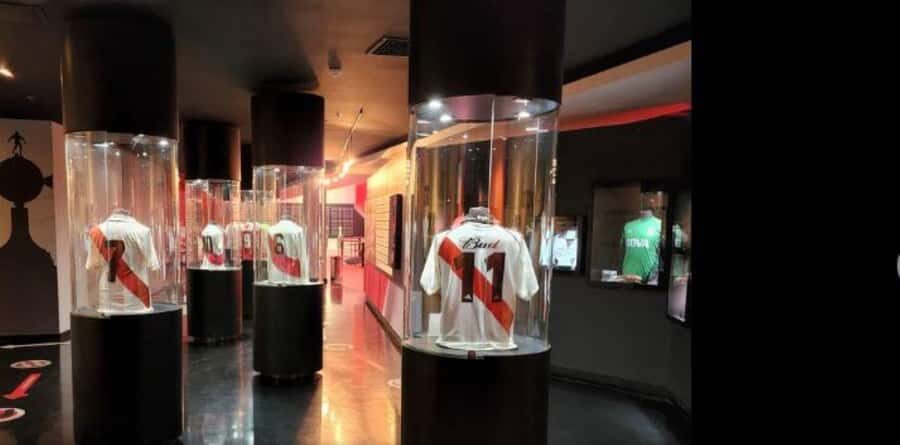
- Museum mystique built around precious club treasures and classic highlights
River Plate Museum: a time tunnel made for football fans and first-timers
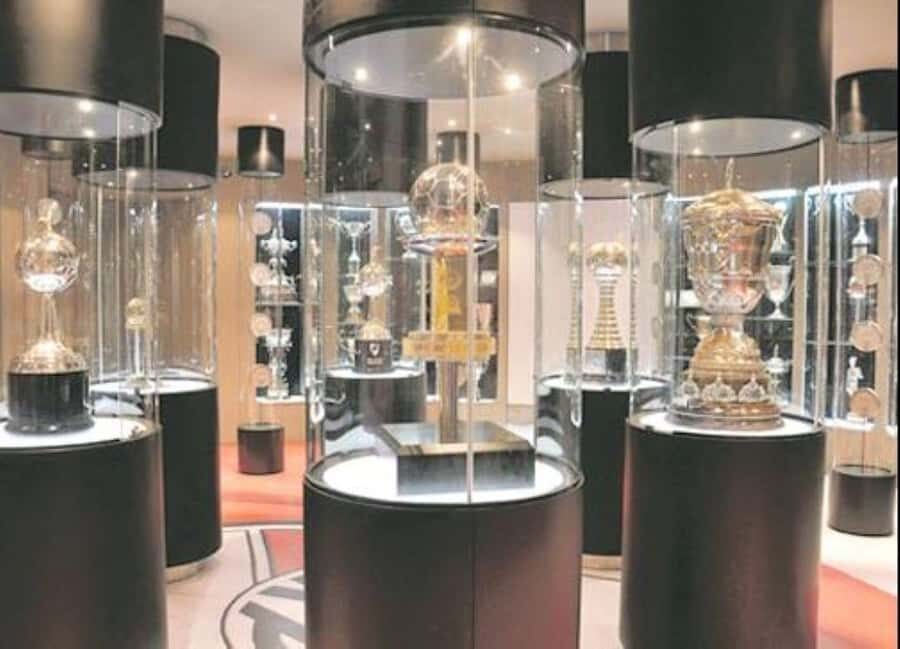
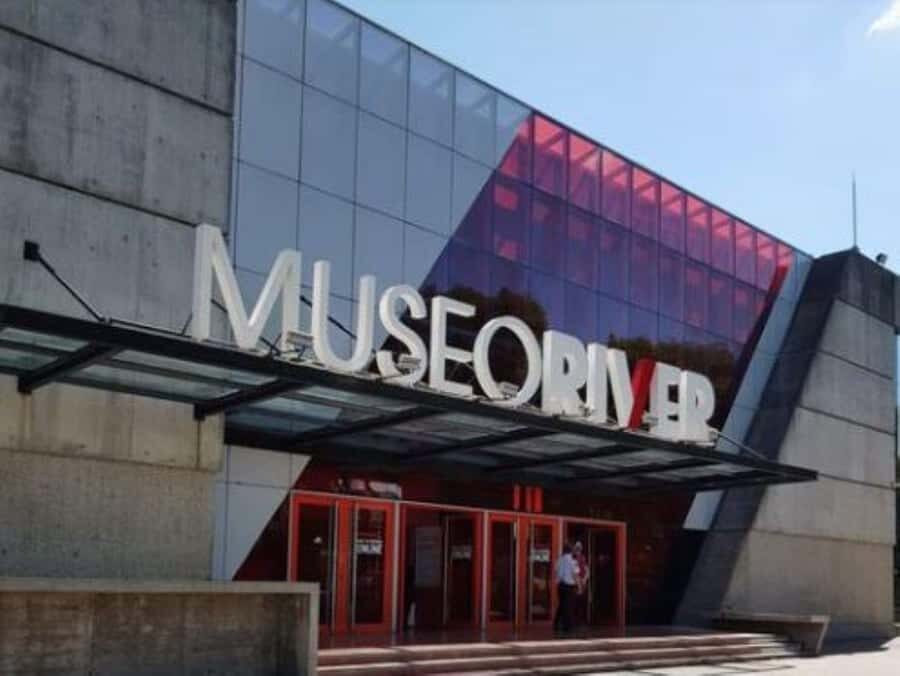
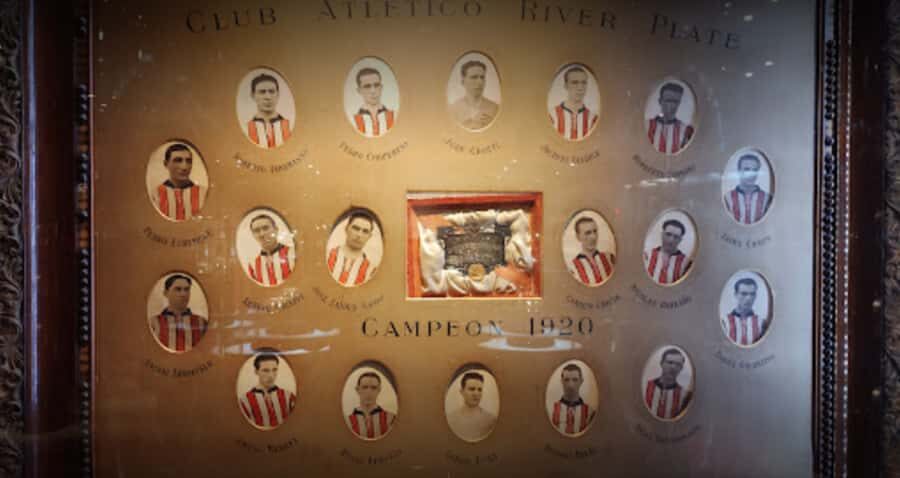
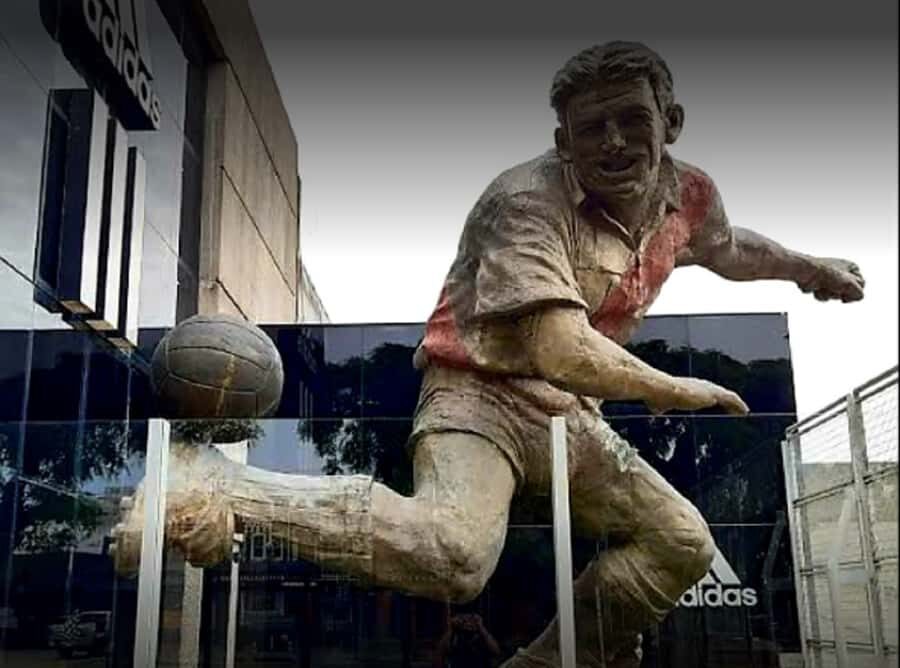
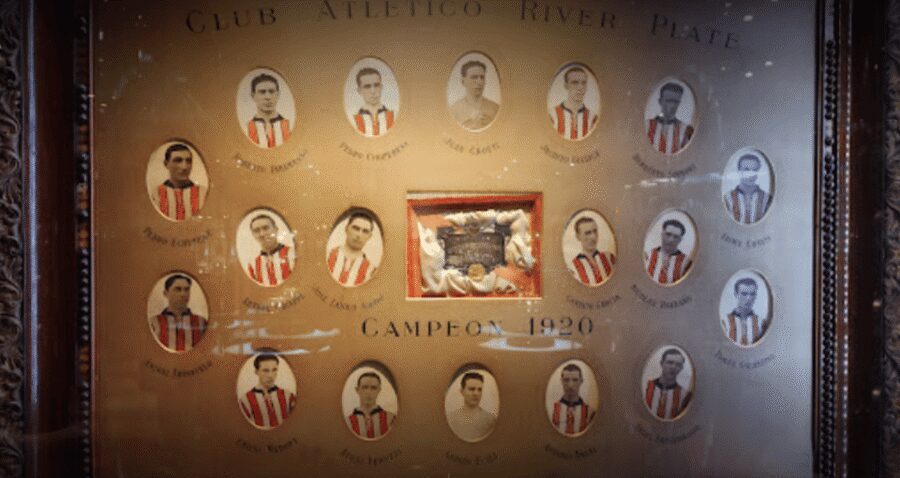
The River Plate Museum (officially founded on November 9, 2009) is designed as a chronological walk through the Athletic Club River Plate story. You start at the origins, then move forward through the club’s early push toward professionalism, the games that built reputations, and the glory that keeps showing up in the trophy cases. If you’re not already a die-hard, that structure helps you understand why the club inspires loyalty in the first place.
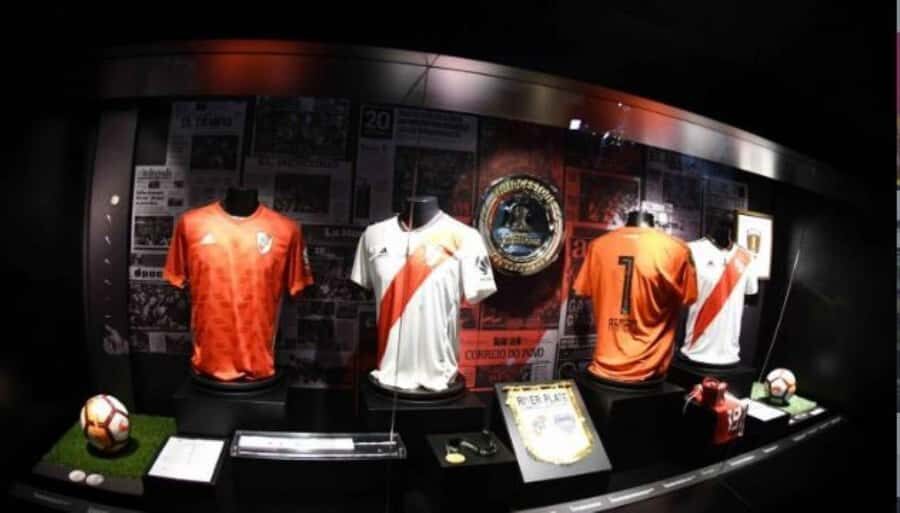
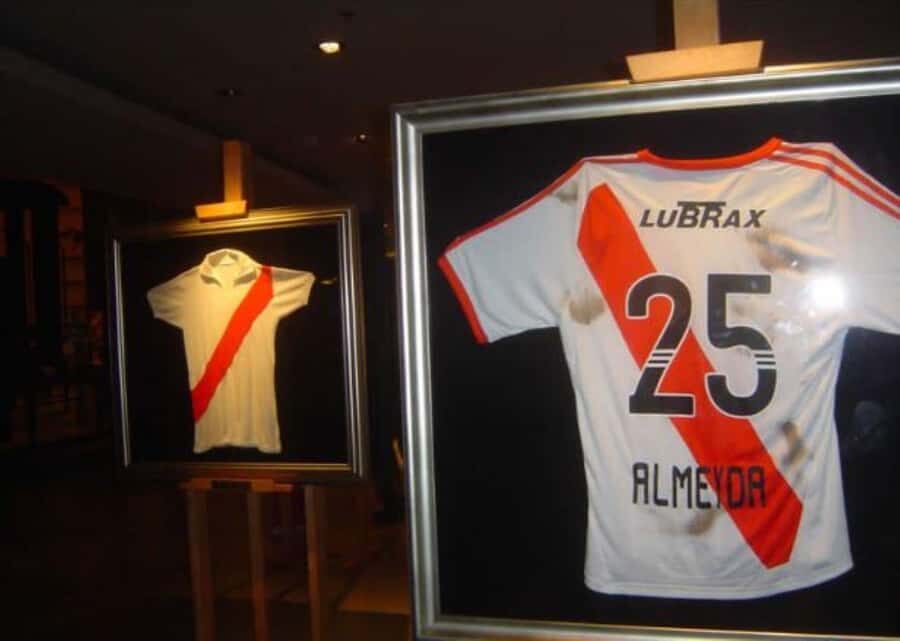
The standout feature is the time tunnel approach. Instead of static plaques everywhere, the museum feeds you the club’s key figures and the teams that made River great as a progression. You’ll also see highlights like the best goals, memorable victories, and the trophies the club values most. It’s the kind of setup that makes football history feel like a journey rather than a list.
One practical upside: because it’s timeline-based, you can pace yourself. If a section clicks for you, linger. If you’re not feeling that moment, you can keep moving without “losing” the storyline.
Other Buenos Aires tours we've reviewed in Buenos Aires



The 360 cinema room: how they capture matchday feelings
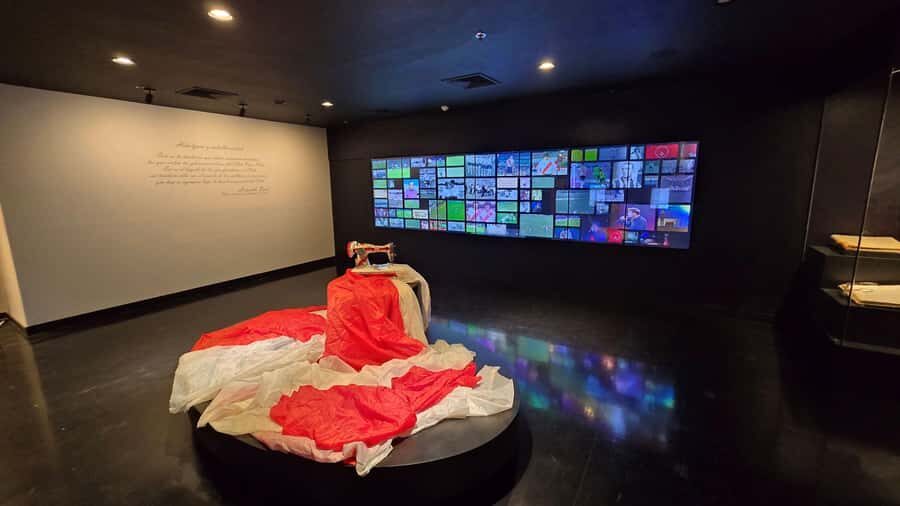
After the timeline walk, the museum brings the energy up with a 360 cinema room. A film is projected to express the feelings of millions of fans, and the point isn’t just visuals—it’s mood. Even if you’ve never watched River Plate for years, the show helps you understand what supporters mean when they describe football as identity, not just sport.
What I like about this stop is how it turns context into emotion. History is one thing. But the museum wants you to leave feeling the atmosphere those trophies and victories created. The cinema room is where the club’s story becomes something you can feel in your body for a few minutes, which makes the rest of the visit stick better.
If you’re traveling with someone who usually says museums are boring, this is the place that often wins them over. It’s still a museum moment, but it behaves like entertainment with purpose.
Stadium time: stands views and the playpen option when you go further
Depending on which ticket option you choose, the experience can include stadium access. The full visit option is where it gets really fun: you can appreciate the largest stadium in Argentina from the stands, described as covering more than 3,437 square meters. Then you can enter the playing field area to see the stadium from a playpen.
That combination matters. Stadiums can feel abstract from outside, but standing above the pitch from the stands helps you understand scale. Then stepping into the playing area gives you a different perspective—suddenly you’re thinking about the sightlines, the pressure of matchday, and why supporters talk about that place the way they do.
Practical note: the stadium experience can be affected. The museum info warns that if an event is held in the stadium and a scenario impacts the view of the entire field, it isn’t a reason for a claim. Also, on days River Plate plays at home, entry to the stadium may be affected. So if you’re visiting around match week, expect some variables.
Ticket value: why this can be a smart use of one day in Buenos Aires
At about $27 per person, the River Plate Museum is priced in a way that feels fair for what you get: museum tickets included, plus a chance to add stadium access depending on the option you select. For a one-day stop, you’re not just paying to look at objects—you’re paying for an organized story, a dedicated cinema room, and potentially actual time inside the stadium environment.
Also keep in mind what’s not included. Food isn’t included, so plan a meal either before you go or after. If you’re building a tight Buenos Aires schedule, that matters. You don’t want to realize you missed a snack plan halfway through your football timeline.
If you choose the Tickets + transfer option, that can reduce stress—especially if you’d rather not spend extra time figuring out the route that day. Just know that transfer is optional, not automatic.
Timing, pickups, and how to avoid the common headaches
This experience is valid for 1 day, and you’ll want to check availability to see starting times. That’s a small detail, but it affects how smoothly your day runs. If you arrive late or miss a start window, you can lose time and momentum, and a museum day is easiest when you have room to settle in.
Pickup is also optional. If you select pickup, you’re instructed to wait about 5 minutes before the indicated time in the lobby. That’s typical, but it’s worth setting a reminder because it can be easy to drift if you’re coming from another activity.
One caution based on an actual booking account: someone who chose an express option reported an organization issue—being sent to a holding area, not being collected, waiting about 40 minutes, then getting upgraded after speaking to someone. I wouldn’t panic, but I would treat pickup timing seriously: arrive early, check in if you don’t see your group, and don’t assume everything will correct itself automatically.
A few more Buenos Aires tours and experiences worth a look




Language and guides: what to expect if you’re not Spanish-fluent
The museum experience runs with a guide presence as part of the visit structure, and the group size is listed as small group available. That usually means less crowd pressure and more chances to ask simple questions if you have them prepared.
Language is the big question mark. One booking noted the tour was entirely in Spanish and said they didn’t find an English audio option via headset. Based on that, if you need English, you should check in advance what language options exist for your date. If English support is limited, choose your expectations accordingly and lean on the museum’s visual storytelling.
The good side: positive booking notes described the guide as friendly and with strong knowledge. So even if you’re not fluent, you’ll likely get a guide who can keep the flow clear.
What to do before and after: make the most of your River Plate day
For a museum-and-stadium experience, your best strategy is simple: wear comfortable shoes and plan your day around walking. You’ll be spending time moving through the timeline exhibits and then, if you choose the full visit, additional time in and around the stadium zones.
Before you go, I’d mentally frame the goal of the visit: you’re not only collecting facts. You’re learning the club’s key turning points—major figures, early professionalism, iconic goals and wins, and trophy milestones. If you go in with that lens, the time tunnel structure helps a lot.
Afterward, you’ll likely want a breather meal since food isn’t included. If you have energy left, consider using the rest of your day to cool down with something non-football—Buenos Aires rewards balance. But if you’re a fan, don’t be surprised if you leave wanting to watch match highlights right away just to place the moments you saw into context.
Who this fits best (and who should rethink it)
This is a strong pick if:
- You want a football-themed experience that explains itself, even if you’re not a lifelong supporter
- You like history told in a story format, not just reading panels
- You want the option of stadium access—stands views and a playpen perspective are a real difference-maker
You might rethink it if:
- You need the tour fully in English and can’t use Spanish at all
- You’re traveling on a River Plate home match day and stadium entry matters a lot to you (it may be affected)
- You’re expecting food to be part of the ticket price
Should you book tickets to the River Plate Museum?

Yes, if you’re excited by football culture and you want a one-day visit that feels structured and memorable. For the price, you’re getting more than a casual stadium photo stop: the time tunnel, 360 cinema room, and optional stadium access make it a full experience, not just a quick glance.
But book smart. If language is a deal-breaker, verify what language support is available for your date. And if your visit overlaps with a home match day or a stadium event, accept that stadium views may not be guaranteed the way you imagine. If you’re flexible on timing and expectations, this is one of the most satisfying football stops you can make in Buenos Aires.
FAQ
How long is the River Plate Museum ticket valid?
The ticket is valid for 1 day. You’ll also want to check availability for starting times.
What’s included in the price?
Museum tickets are included. If you choose the Tickets + transfer option, transport is added.
Is food included?
No. Food is not included.
Does the ticket include stadium access?
Stadium access depends on the option you choose. The full visit option includes time in the stadium area with views from the stands and entry to the playing field from a playpen.
Will the stadium view always be the same?
Not always. If there’s an event at the stadium that affects field viewing, it may impact the view, and that’s not treated as a claim reason. On River Plate home match days, entry to the stadium may also be affected.
Is pickup available?
Pickup is optional. If it’s included for your booking, you should wait about 5 minutes before the time indicated in the lobby.