REVIEW · BUENOS AIRES
Tango Lesson in Buenos Aires with professional dancers
Book on GetYourGuide →Operated by Milonga City · Bookable on GetYourGuide
Tango in Buenos Aires is easy to overthink. This 1-hour private class keeps it practical: you learn the basics from a professional tango couple in special dance halls inside an antique-styled tango school house. It’s also built around the idea that tango isn’t just steps, it’s the story and feel living in each room.
What I like most is the private format (up to 2 people). You get time to ask questions and adjust—especially helpful if you feel awkward with partner work at first. I also love that the teaching is described as simple and fun, not a scary dance boot camp. The one review that stood out highlighted Joana as lovely, an excellent dancer, and patient when guiding beginners through the basics.
One thing to consider: this experience is not suitable for everyone (it’s not set up for wheelchair users, and it also isn’t recommended for people with certain mobility, vision, hearing, or medical conditions). If you’re unsure, it’s smart to check first.
In This Review
- Key things to know before you go
- A 1-hour private tango lesson inside an antique Buenos Aires tango school
- Special dance halls where tango practice actually makes sense
- What you’ll learn: the basics, the embrace, and the tango walk
- The live tango exhibition: see it close up, then try it
- Price and value: why $120 for up to 2 can be a smart move
- Getting ready: shoes, clothes, and what to expect at the door
- Who this tango lesson fits best (and who should choose another option)
- A simple way to get the most out of your 1 hour
- Should you book this tango lesson in Buenos Aires?
- FAQ
- How long is the tango lesson?
- Is this a private class or a group class?
- Do I need any tango or dance experience before I go?
- What languages do the instructors speak?
- What will I learn during the lesson?
- Where do I meet the instructors?
- Is private transfer available?
- Is this experience suitable for children or people with mobility or sensory impairments?
- What’s the cancellation and payment setup?
Key things to know before you go
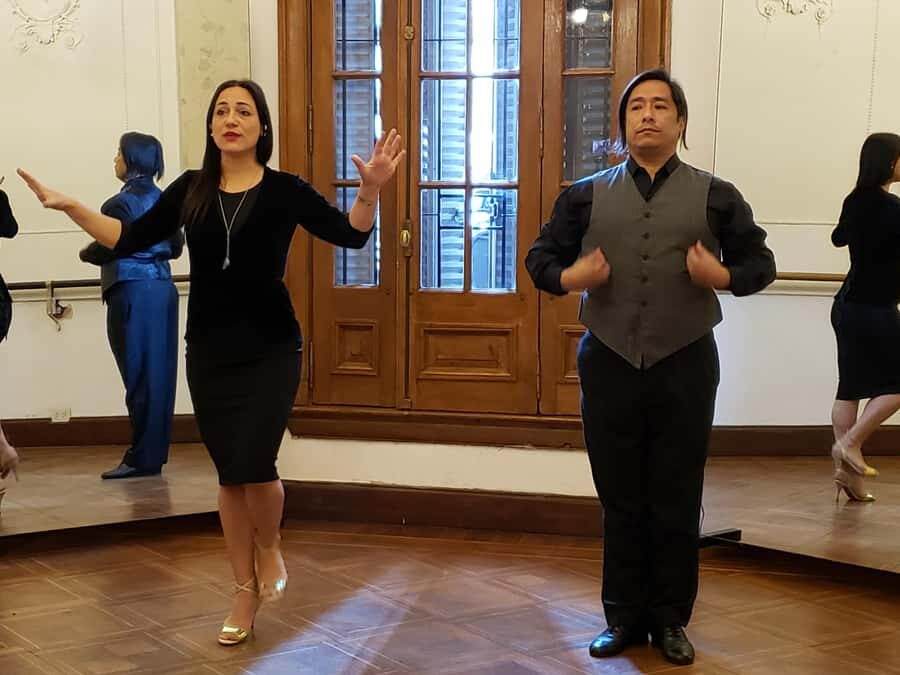
- Professional couple instruction for the basics, with room for questions during your private time
- Antique-styled tango house converted into a tango school, with a focus on the feel of each hall
- Learn the embrace and tango walk, not just arm positions and counting
- Live tango exhibition included as part of the overall experience
- English and Spanish instruction, so you can follow without guessing
A 1-hour private tango lesson inside an antique Buenos Aires tango school
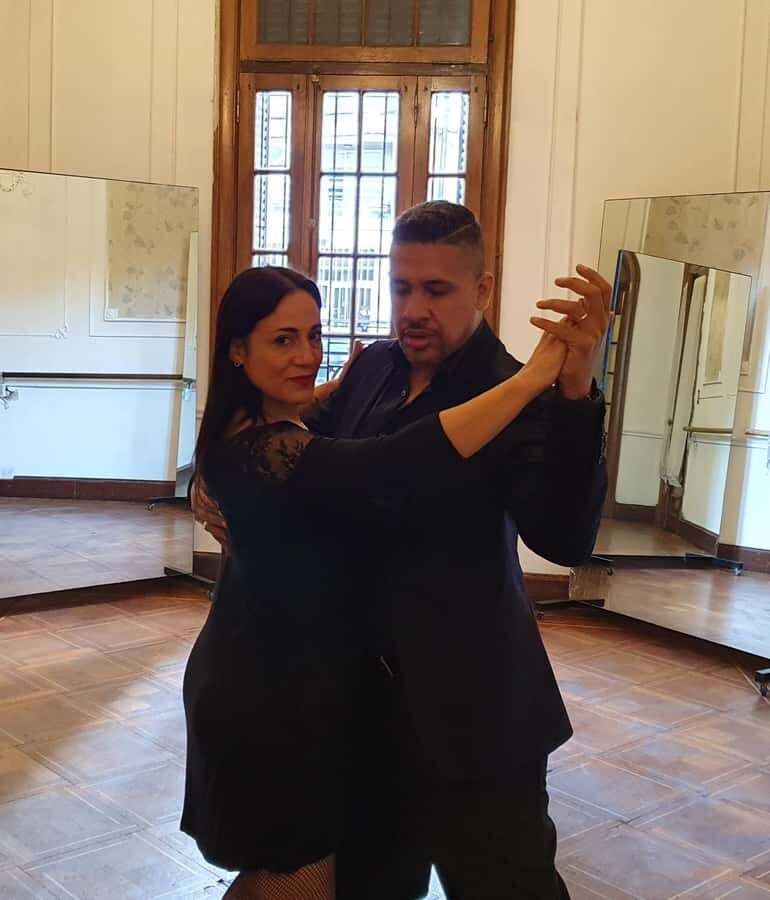
Buenos Aires has plenty of tango shows and plenty of tango lessons. What you’re paying for here is the combo of a real teaching session and the atmosphere of a traditional tango school setting. The location is an old house adapted for tango instruction, the kind of place where the walls and layout help you understand how tango was taught and practiced.
You’ll meet at the tango school’s entrance—when you arrive, you’ll see the school and need to ring the doorbell to meet your instructors. That little detail matters. You’re not just showing up to a big venue; you’re walking into a working tango school setup.
The fact that it’s a private group up to 2 also changes the whole experience. Instead of blending into a class where you’re watching from the back, you can focus on your partner connection and the main movements you’ll actually use.
Other Buenos Aires tours we've reviewed in Buenos Aires



Special dance halls where tango practice actually makes sense
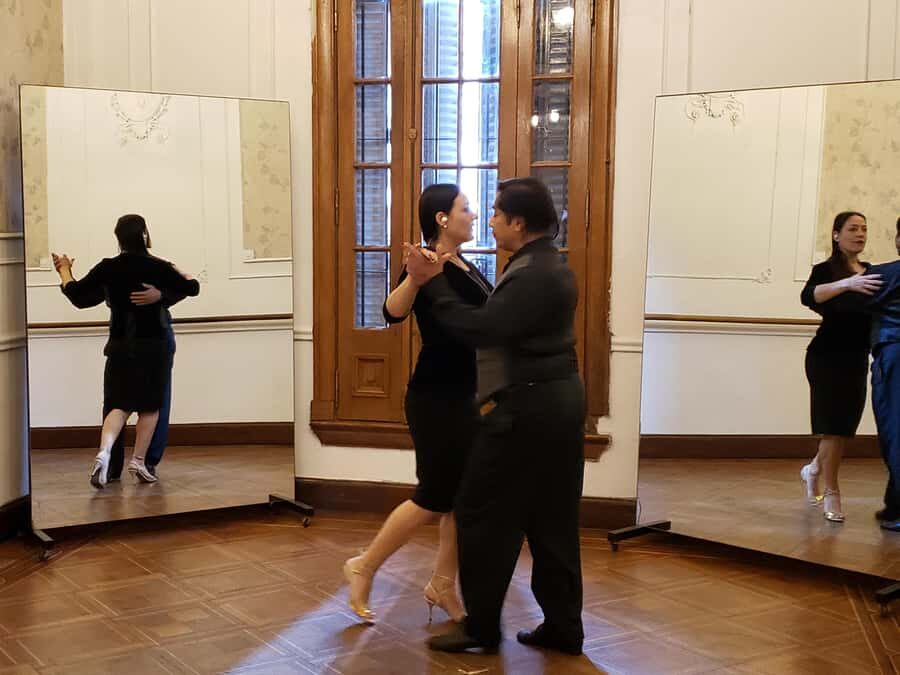
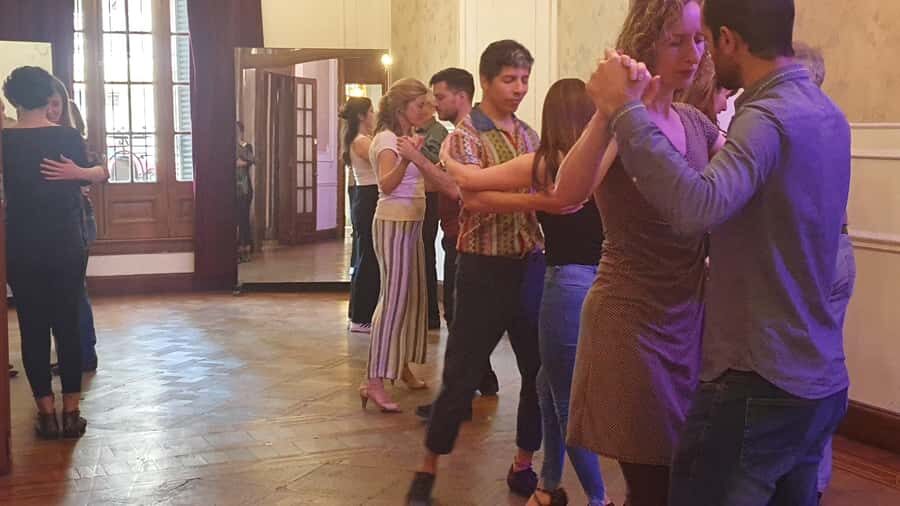
This isn’t described as a generic studio. You’ll have special halls designed for dance classes inside the tango school. That matters because tango is tactile and spatial—distance, posture, and direction all change how it feels. In a dedicated tango space, instructors can guide you with fewer distractions and clearer references.
You’ll also be learning the history that lives in each tango hall. That doesn’t mean you’ll get a lecture that eats up your lesson. Think of it as context that helps the steps feel purposeful. Even a basic “why we do it like this” can make tango click faster than repeating shapes on the floor.
If you’re a visual learner, these halls can act like an extra teacher. You’ll often find that your body follows the cues of the room—where to stand, how to orient, and how to keep the embrace comfortable.
What you’ll learn: the basics, the embrace, and the tango walk
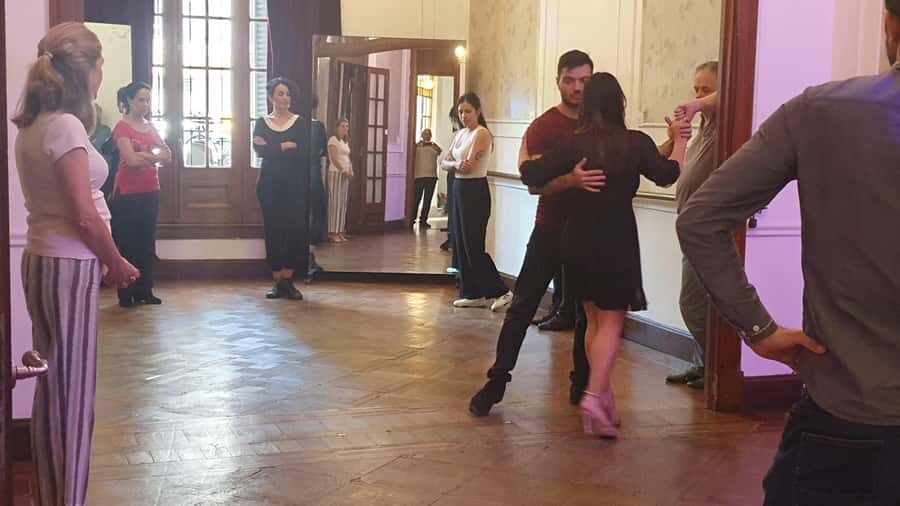
The teaching goal is straightforward: become a tango dancer with the essentials. You’re guided by a professional tango couple, and the focus is on the first pieces that let you start dancing with confidence.
Here’s what the experience is designed to cover:
- Basic steps, taught in a way that’s simple and fun
- The embrace, so you can connect with your partner rather than just moving your feet
- The tango walk, which is often the foundation for everything else
No dance knowledge is required. That’s huge, because tango can intimidate people who think they need years of training before they’re allowed on the dance floor. This class is built to remove that barrier and get you moving with structure.
I also like that it’s described as guided by the best dancers in Buenos Aires. Even if you’re nervous, the professionalism should translate into clear cues and steady pacing. The review calling out Joana’s patience points to the teaching style you’d want as a beginner: calm, corrective, and focused on helping you do it right.
The live tango exhibition: see it close up, then try it
This experience includes a live tango exhibition in a traditional tango school setting. That’s not just entertainment tossed in. It’s a useful reset for your brain while you’re learning, because you can immediately connect what you just heard and practiced with what you see executed by professionals.
In practice, you get two benefits:
- You see how tango should look when it’s led, followed, and controlled.
- You can compare your understanding of the embrace and walk with a real performance.
Even if you only catch fragments (tango can move fast), the exhibition reinforces the “feel” side of tango. And the more closely the setting matches the lesson space, the easier it is to connect the dots.
Price and value: why $120 for up to 2 can be a smart move
The price is $120 per group for up to 2 people, for 1 hour. That sounds like a lot if you’re comparing it to cheap group classes. But tango is partner dance, and partner learning is where private lessons tend to pay off.
This pricing makes the most sense if:
- You’re going as a couple or with a friend and you want direct coaching
- You’re a beginner and don’t want to guess what to fix
- You want extra time to get the steps and embrace to feel comfortable
If you’re the type who learns best with correction in real time, the private format can feel like better value than a bigger class where you only catch glimpses of instruction.
There’s also an optional private in-out transfer for an additional cost. If your schedule is tight or you’d rather not manage transport right after the lesson, that can reduce stress even if it’s not required. Just weigh it against your plans.
Other tango shows we've reviewed in Buenos Aires



Getting ready: shoes, clothes, and what to expect at the door
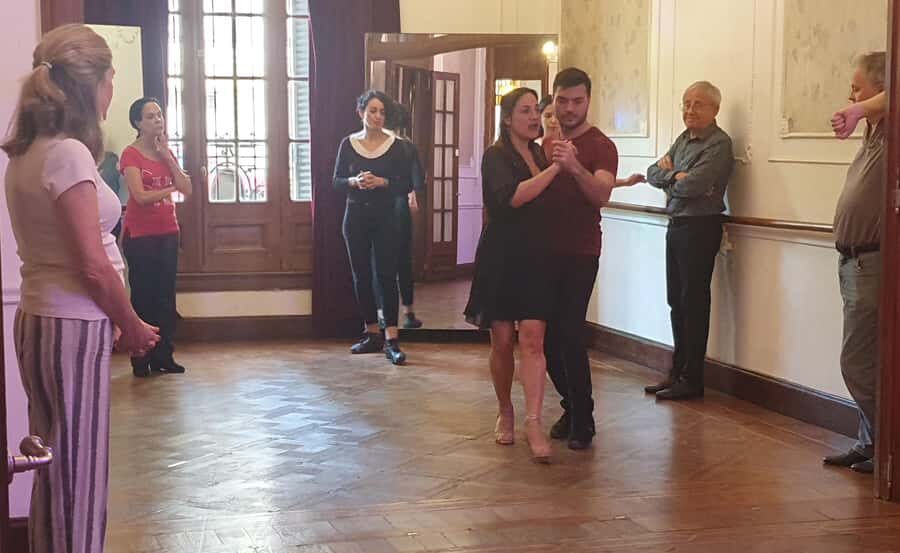
This is a one-hour session, so you don’t need to plan a whole day of prep. Still, small choices help your body stay comfortable while you’re learning.
Bring:
- Comfortable shoes (the key is grip and comfort—tango involves walking and pivoting)
- Comfortable clothes that let you move and keep posture
Not allowed:
- Alcohol and drugs
One more practical note: the instructors teach in English and Spanish, which makes the basics easier to understand fast. That can matter for tango, because small differences in posture and timing can change what you do.
When you arrive at the old house, you’ll ring the doorbell. That’s part of the vibe: you’re joining a working school, not walking into a random event space.
Who this tango lesson fits best (and who should choose another option)
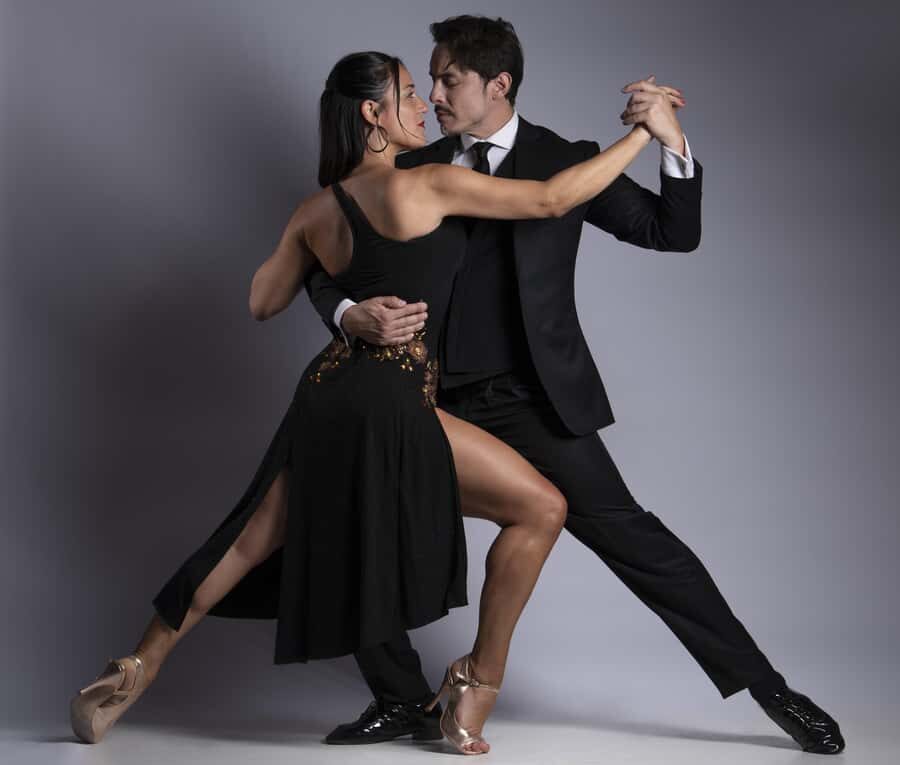
This class is built for beginners. No dance knowledge is required. It’s also private, so you can take your time and ask questions without feeling rushed.
It may not be your best fit if:
- You need wheelchair access or have mobility limitations (it’s noted as not suitable for wheelchair users and people with mobility impairments)
- You rely on hearing support or have hearing impairments (it’s not suitable for hearing-impaired people)
- You need accommodations for vision impairments (it’s not suitable for visually impaired people)
- You’re traveling with children under 10 (it’s not suitable for children under 10)
- You have pre-existing medical conditions that require special consideration
If you’re healthy, mobile, and comfortable learning with a partner, this is an excellent way to get an actual tango foundation quickly—without spending days hunting down classes that might not be beginner-friendly.
A simple way to get the most out of your 1 hour
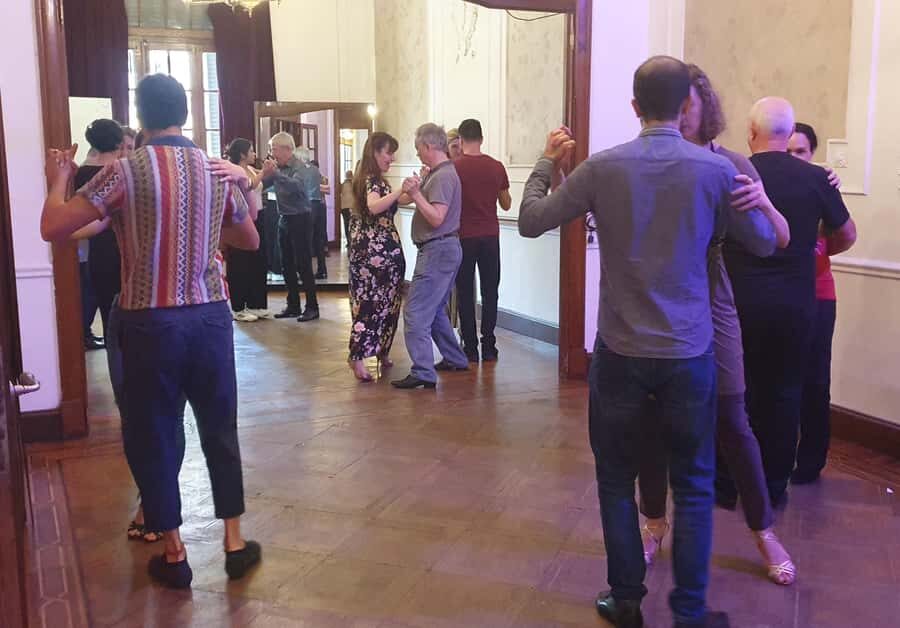
One hour in tango can feel short. The trick is to focus on quality practice, not trying to learn everything at once.
Here are a few ways to make the hour count:
- Pay attention to the embrace cues. If your connection is right, the steps will feel more natural.
- Practice the tango walk slowly. It’s the bridge between standing still and moving confidently.
- Ask follow-up questions during the lesson. The private format is made for that.
If the instructor mentions history tied to each hall, try to treat it like context for posture and style rather than a fact list. Tango history often shows up in how people hold the body and how they lead and follow.
And if you’ve seen Joana’s teaching style described as patient, that tells me the instructors aim for beginner comfort. Lean into that. It’s okay to stop, reset, and try again.
Should you book this tango lesson in Buenos Aires?
I think you should book it if you want a structured beginner start with real professionals, in a traditional tango-school setting, and you care more about learning than collecting stamps. The private up-to-2 format is a strong value when you’re serious about getting the embrace and tango walk right.
You might skip it if you need accessibility support beyond what’s stated, or if you’re hoping for a casual, walk-in style lesson with no partner focus. The experience is designed for guided learning, not drop-in social dancing.
If you want one hour that gives you a foundation you can build on later, this is a solid choice. Just wear comfy shoes, show up ready to practice, and let the professionals do what they do best.
FAQ
How long is the tango lesson?
It lasts 1 hour.
Is this a private class or a group class?
It’s a private group experience for up to 2 people.
Do I need any tango or dance experience before I go?
No dance knowledge is required.
What languages do the instructors speak?
The instructors teach in English and Spanish.
What will I learn during the lesson?
You’ll learn the basics, including basic steps, the embrace, and the tango walk with your partner.
Where do I meet the instructors?
You’ll meet at the tango school, which is an old house. You’ll need to ring the doorbell when you arrive.
Is private transfer available?
Yes. Private in-out transfer is available for an additional cost.
Is this experience suitable for children or people with mobility or sensory impairments?
No. It’s not suitable for children under 10, wheelchair users, people with mobility impairments, visually impaired people, hearing-impaired people, or people with pre-existing medical conditions.
What’s the cancellation and payment setup?
You get free cancellation up to 24 hours in advance for a full refund. You can also reserve now and pay later, so you don’t have to pay immediately.