REVIEW · BUENOS AIRES
Buenos Aires: Chacarita, The Largest Cemetery In Argentina
Book on GetYourGuide →Operated by daddiescuriosos · Bookable on GetYourGuide
Cemeteries can be surprisingly alive. Chacarita Cemetery is more than a solemn stop. It is a Buenos Aires landmark with architectural detail, shifting art styles, and the kind of names that shaped Argentine culture.
I especially like how the tour focuses you on the human stories behind the stone. You’ll visit famous cultural figures like Carlos Gardel and Gustavo Cerati, and you’ll get the context that usually goes right over your head when you wander alone.
One thing to plan for: this is a walking tour (about 3 hours), and it’s not suitable for people with mobility impairments or wheelchair users. Bring sun protection, good shoes, and a flexible mindset.
In This Review
- Key things you will notice on this Chacarita walk
- Chacarita Cemetery: Buenos Aires’ public museum of memory
- The tour’s best angle: cultural icons, not random sightseeing
- Carlos Gardel, plus other legends you’ll learn about
- Gustavo Cerati and Gilda: two stops that show how fandom works
- Arquitectura and the chapel stops you won’t rush past
- The Commonwealth War Graves: a different tone of remembrance
- German and British cemeteries: styles, temples, and historical monuments
- Stop-by-stop flow: how the 3 hours stays manageable
- Your guide matters: Miguel’s calm, patient pace
- Price and value: what you get for about $20
- Who should book this Chacarita tour
- Should you book this tour?
- FAQ
- How long is the Chacarita cemetery tour?
- Where do I meet the guide?
- What language is the live guide?
- Is this tour suitable for wheelchair users?
- How big is the group?
- What should I bring?
Key things you will notice on this Chacarita walk
- Carlos Gardel’s mausoleum: tango legend energy, explained clearly.
- Gustavo Cerati’s resting place: a very different kind of Argentine cultural icon.
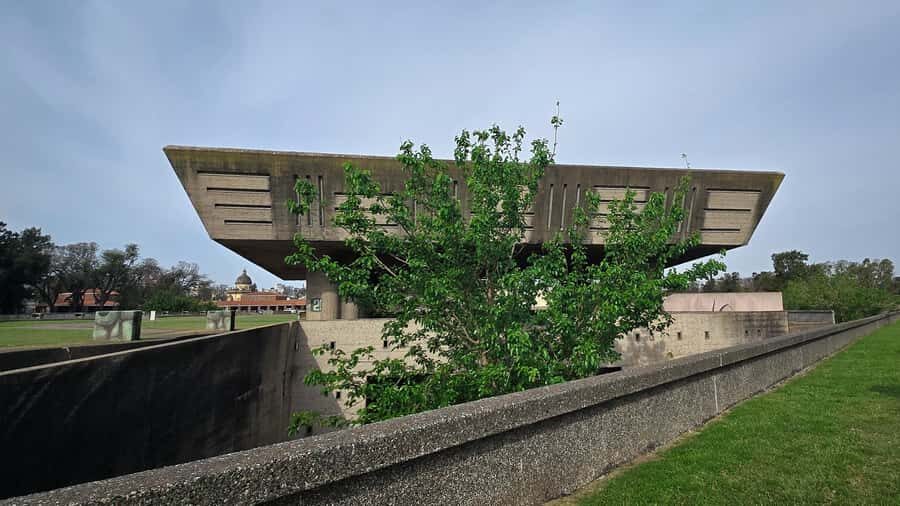
- German and British cemeteries in the same outing: distinct styles and monuments in one circuit.
- Longer stops where it matters most: you get time for Panteón VI and the Commonwealth War Graves area.
- A small group with a patient guide: helpful pace and Q-and-A time, even if your Spanish is still a work in progress.
- A mix of “big-name” and design details: the place is art and memory, not just famous names.
Chacarita Cemetery: Buenos Aires’ public museum of memory
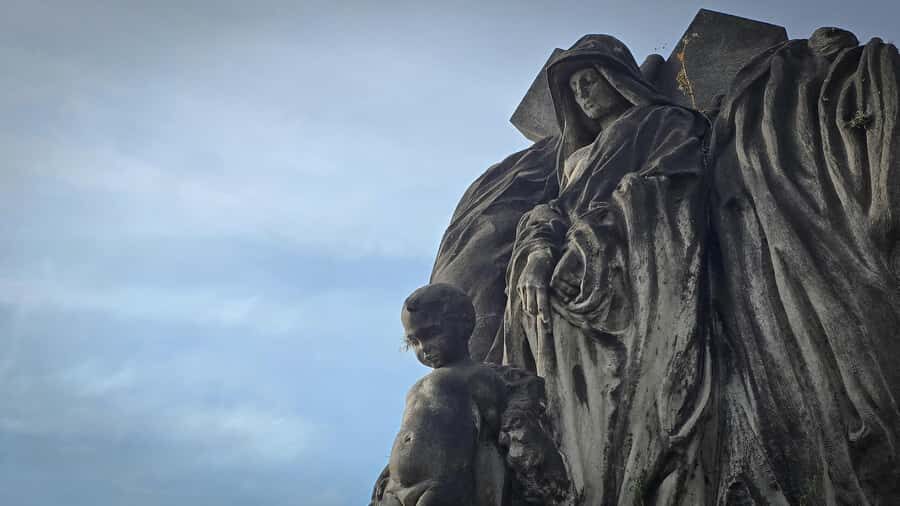
Chacarita Cemetery is often described with the big label: the largest cemetery in Argentina. But what you’ll feel on this tour is something more useful than size. It is a map of who Argentines remember, how they memorialize, and what styles different communities used when they wanted to say something permanent.
You’ll also get a practical bonus: a guide helps you read the space. Cemeteries can look like endless rows when you’re there by yourself. Here, the tour points you toward the key monuments and explains the connections, so it stops being confusing and starts being meaningful.
Other Buenos Aires tours we've reviewed in Buenos Aires



The tour’s best angle: cultural icons, not random sightseeing
This isn’t a walk where you just stop at famous names and move on. I like the way the focus stays on understanding why those people matter in Argentine culture. You’ll visit the tomb of Carlos Gardel, the quintessential voice of tango. And you’ll also see Gustavo Cerati’s mausoleum, plus other well-known Argentine personalities connected to music and the arts.
What makes that work for you is simple: you get a story anchor. When your brain has a few names to hold onto, the rest of the cemetery becomes easier to process. You stop feeling lost among stones and start noticing patterns—materials, symbols, and the emotional tone of each memorial.
Carlos Gardel, plus other legends you’ll learn about
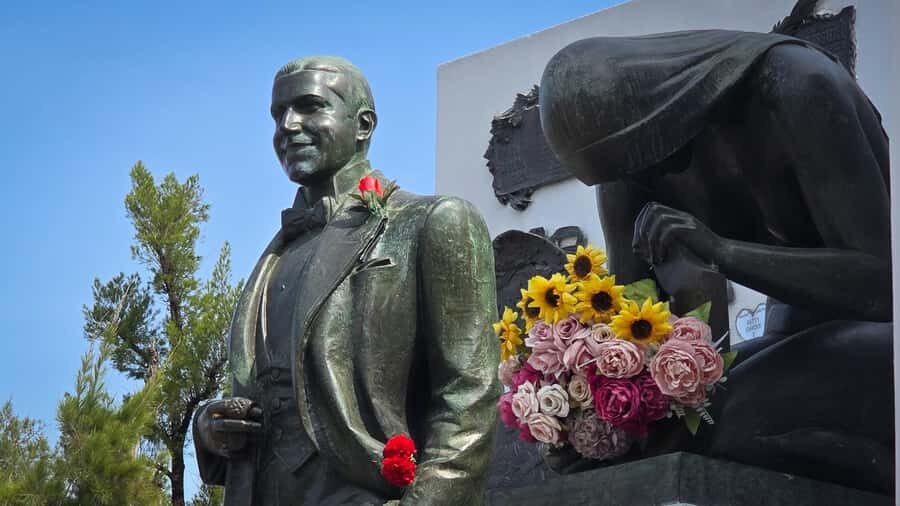
The tour’s headliners hit hard, in a good way. You’ll make a photo stop and then get a guided visit at Carlos Gardel’s tomb. Even if you think you know tango already, you’ll likely pick up fresh context about his place in Argentine identity from the guide’s explanations.
You’ll also spend time at other notable graves and mausoleums along the route. The tour highlights include visits tied to:
- Luis Sandrini, a legendary actor who could make audiences laugh and cry
- Osvaldo Pugliese, a major tango composer and orchestra director
- Alfonsina Storni, a poet whose story is linked to love and sacrifice
You might not expect a cemetery to feel like a cultural timeline. But that’s exactly how it lands when the guide connects each stop to how Argentines experienced life, performance, and art.
Gustavo Cerati and Gilda: two stops that show how fandom works
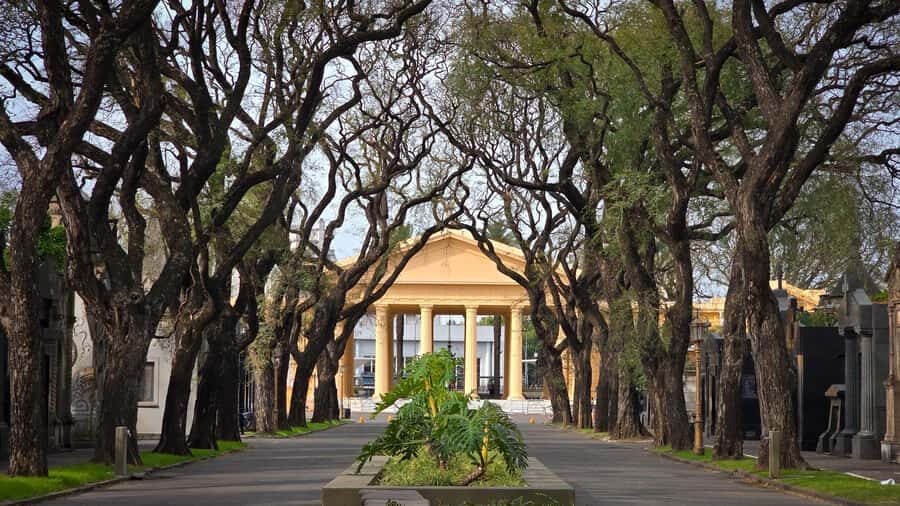
Two of the most memorable moments are the mausoleum dedicated to Gustavo Cerati and the tomb of Gilda. These stops do something smart: they show that public memory isn’t one-size-fits-all.
Instead of making every grave feel identical, the tour treats each person’s memorial like a clue. You’ll get guided time at Cerati’s mausoleum and then another longer visit at Tumba de Gilda. The guide helps you notice differences in how people are remembered—how the memorial reads, what symbols are used, and what the community seems to value.
A small practical note: take your time at these stops. If you rush, you’ll miss the meaning. If you slow down, the place becomes personal fast.
Arquitectura and the chapel stops you won’t rush past
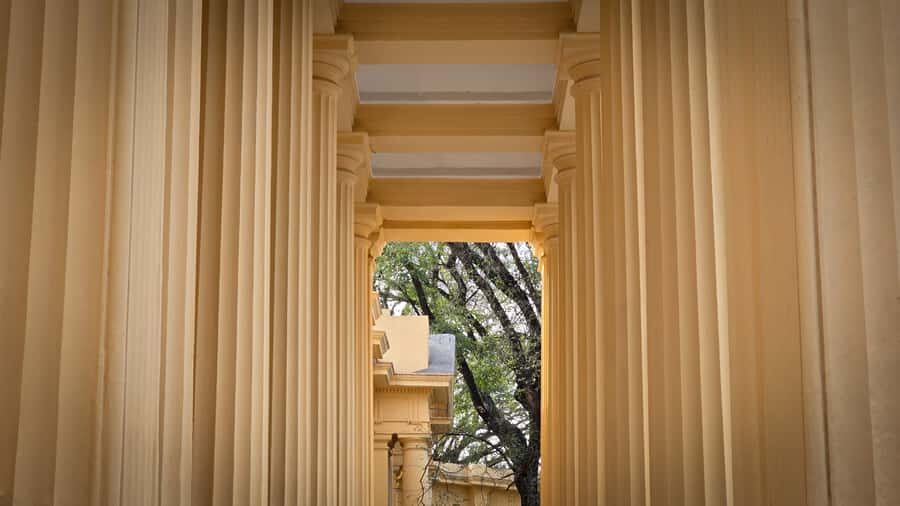
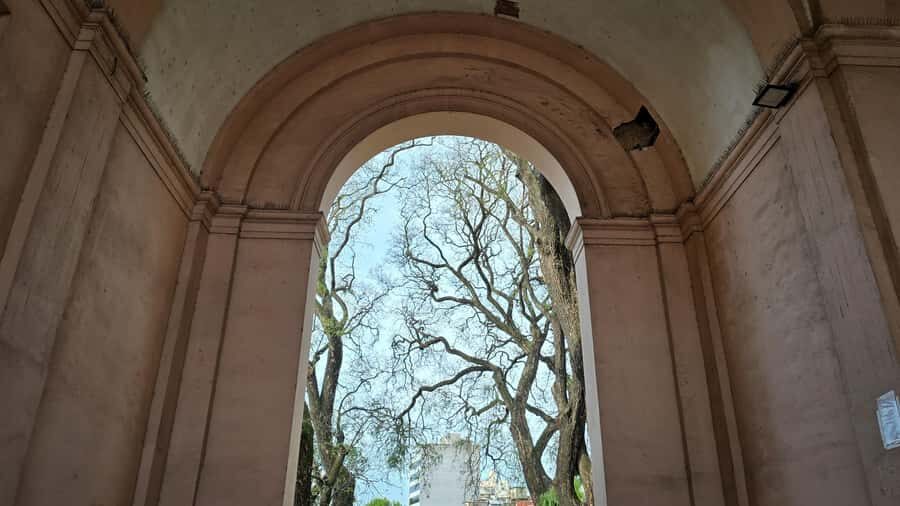
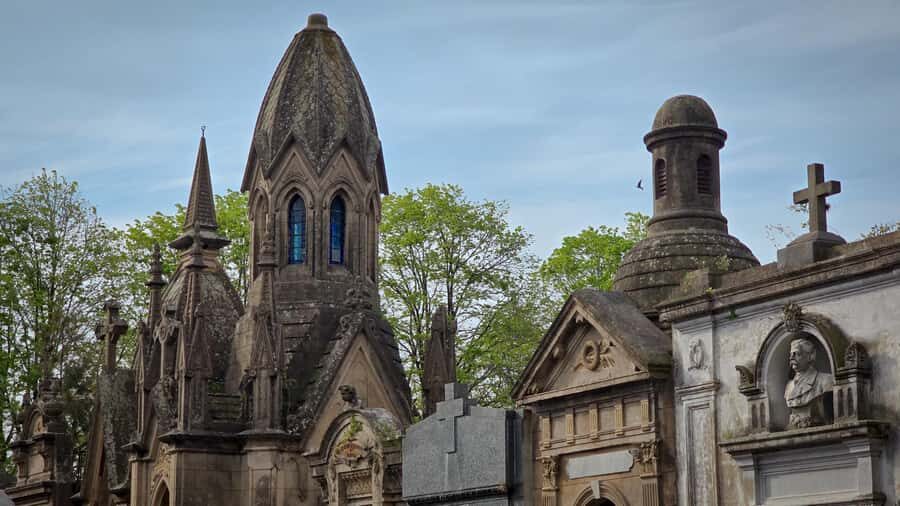
Chacarita isn’t only famous names. It’s also architecture. You’ll spend time at the Capilla Cementerio Chacarita, plus other notable monuments that look designed rather than purely functional.
The chapel stop is a good breather too. Even if you’re not religious, a cemetery chapel changes the mood. It gives you a sense of the space as a place for prayer, reflection, and community ritual—not just a final address.
And then there’s the bigger memorial area you’ll approach later: Panteón VI, which gets the longest guided time on the walk. This is where you should expect to slow down and actually look, not just photograph.




The Commonwealth War Graves: a different tone of remembrance
One of the tour’s strongest balance points is that it doesn’t treat every memorial as a celebrity stop. You’ll also visit the Commonwealth War Graves Buenos Aires area.
This portion shifts the emotional register. The names and the careful organization carry a different kind of meaning—less about fame, more about sacrifice and service. It’s also a useful reminder that cemeteries aren’t only for local stories. They’re where nations keep their histories visible.
Give yourself enough time here. Don’t treat it like a quick photo stop. Even with a guide timing things, this is the kind of section where you’ll benefit from a few quiet minutes.
German and British cemeteries: styles, temples, and historical monuments
The tour’s “separate communities” theme comes into focus with the German and British cemetery sections. You’ll get guided sightseeing here, including distinct styles and the feel of separate traditions living side by side in Buenos Aires.
What I like about this approach is that you’re not just checking a box. You learn how immigrant and foreign communities expressed identity through memorials—through religious temples, national historical monuments, and the notable figures buried there.
Even in 3 hours, the change in style can be striking. You’ll likely notice different design choices in stonework and layout as you move through these areas. And because the guide connects what you’re seeing to the community it belongs to, it feels like history you can actually walk around.
Stop-by-stop flow: how the 3 hours stays manageable

This tour is built for a realistic cemetery pace. You’re walking for roughly 3 hours with a brief restroom pause built in, so you’re not sprinting between stops.
Here’s how the day tends to move:
- You meet at the main door of the cemetery, which is a smart way to avoid confusion.
- You start with an orientation photo stop and a short guided look at the cemetery itself so you understand the overall layout.
- Then you hit the mausoleums in a steady rhythm: photo stop, quick guided explanation, and time to look.
- Some stops are shorter, some are longer. For example, Gustavo Cerati and Tumba de Gilda get more guided time, while the German cemetery section is also given room for sightseeing.
- Later, you move into the bigger memorial and historical sections, including the Commonwealth War Graves.
- The tour ends with a visit to Elcano Park for a short sightseeing pause, which helps you reset after the denser, monument-heavy portions of the cemetery.
If it rains, it’s still workable. The experience is still guided and kept on track, and you’ll have the benefit of a guide who knows what matters to see and how to keep the walk on schedule.
Your guide matters: Miguel’s calm, patient pace
The most repeated theme in this tour’s success is the guide. Miguel comes across as careful, patient, and confident with the history and stories of the cemetery. He also adapts his communication style if you’re working on Spanish—slowing down so you can follow, without making you feel rushed or lost.
That matters because cemetery tours can go two ways:
1) You get names with no meaning.
2) You get meaning with no structure.
This tour leans toward structure and clarity. You’ll spend enough time at key stops to actually understand them, not just pass by.
Small group size is part of that. Limited to 6 participants, the guide can answer questions and keep the pace comfortable instead of herding people.
Price and value: what you get for about $20
At $20 per person for a 3-hour guided walking tour, the value comes from three things you can’t easily replicate on your own:
- A guided route that highlights the most meaningful memorials
- Context that turns stone markers into stories
- A small-group setting that keeps explanations clear
If you visit Chacarita without a guide, you can still see impressive architecture. But you’ll miss the connections between the people, the memorial styles, and the larger cultural and community picture. Paying for the guide is what turns the cemetery into an experience, not just a place you walked through.
Who should book this Chacarita tour
Book it if you like:
- Culture-first travel, especially music and public figures
- Walking tours where the guide gives meaning, not just directions
- Cemeteries as art and architecture, not as a purely somber stop
You should think twice if:
- You have mobility limits or use a wheelchair, since this isn’t suitable for wheelchair users
- You hate outdoor walking or sun exposure and you don’t want to plan with hat, sunscreen, and water
For everyone else, it’s a smart mix of icons, design details, and international cemetery sections that you won’t normally see in one pass.
Should you book this tour?
Yes, if you want a guided way to understand Chacarita Cemetery beyond famous names. The biggest reason to book is the guide-led storytelling, especially the way Miguel brings clarity and keeps the pace patient for a small group.
Also, it’s a good value play. For the price, you’re getting a structured 3-hour route with multiple major monuments, plus the German and British cemetery sections. That combination is hard to DIY because you’d have to know what to look for and what questions to ask.
If you’re comfortable walking outdoors and you want culture with context, this is one of those Buenos Aires experiences that feels unusual in the best way.
FAQ
How long is the Chacarita cemetery tour?
The tour lasts 3 hours.
Where do I meet the guide?
You meet at the main door to the cemetery.
What language is the live guide?
The live tour guide speaks Spanish.
Is this tour suitable for wheelchair users?
No. It is not suitable for people with mobility impairments or wheelchair users.
How big is the group?
The group is small, limited to 6 participants.
What should I bring?
Bring comfortable shoes, a hat, sunscreen, and water.