REVIEW · BUENOS AIRES
Palermo: Graffiti and Street Art Guided Tour in English
Book on GetYourGuide →Operated by Buenos Aires Free Walks · Bookable on GetYourGuide
Street art in Palermo has a backstory.
This guided walk in Buenos Aires connects the color on the walls to the real events that shaped Argentina. You’ll hear how graffiti went from political endorsement to propaganda, and how newer paint methods changed protest in the 1970s. Stops also include the Trump Wall’s graffiti at Madison Avenue Bar, where you can spot a pop-culture punchline with heavy context. Guides like Elina, Aylen, Vito, and Juan bring the stories to life, with humor and energy that keeps a group moving.
I like two things a lot here. First, the politics-to-paint timeline gives you a way to read what you’re seeing instead of just snapping photos. Second, the guided photo moments help you find murals and street art details you’d likely miss wandering on your own. The price is also hard to argue with: $13 for a full 2-hour English walk.
One consideration: it’s a walking tour with no food included, so plan to keep your energy steady before or after. Also, because it’s only two hours, you’ll cover a lot of sites—but you won’t have long lingering time at every single wall.
In This Review
- Key things to know before you go
- Why Palermo street art reads like a political timeline
- Getting oriented at Plaza Serrano (Plaza Cortazar) and the easy start
- Madison Avenue Bar and the Trump Wall stop
- The 1920s to 1969 story: why aerosol changed protest
- How the guide makes you see more than the art
- Price and value: why $13 makes sense for Palermo
- Who should book this tour (and who might not)
- Practical notes for your walking day in Palermo
- Should you book Palermo’s graffiti and street art guided tour?
- FAQ
- How long is the Palermo graffiti and street art guided tour?
- How much does the tour cost?
- Where do I meet the guide?
- Where does the tour finish?
- Is the tour in English?
- Is hotel pickup included?
- Is food or drink included?
- Will the tour run if it rains?
- Is the tour wheelchair accessible?
- Can I get a refund if I cancel?
Key things to know before you go
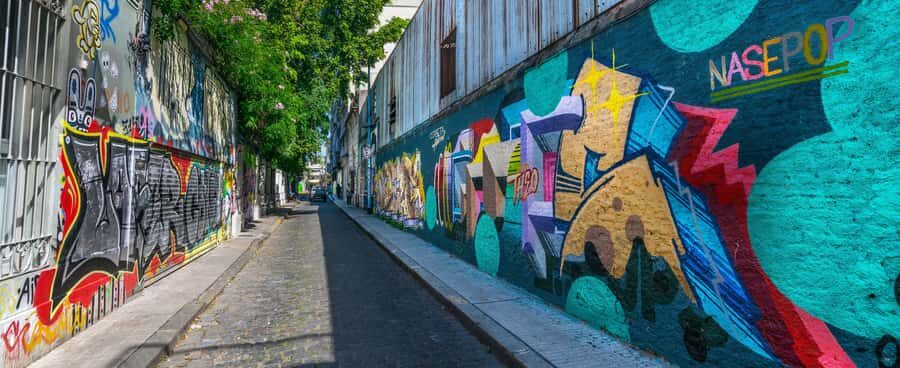
- Palermo street art, explained in English with a local guide who keeps the pace friendly.
- Trump Wall stop at Madison Avenue Bar for a memorable, photo-friendly anchor.
- Graffiti’s political roots: from early endorsement and propaganda to later aerosol speed.
- You’ll walk from Plaza Serrano (Plaza Cortazar) toward Plaza Inmigrantes de Armenia.
- Rain or shine: the tour continues even if the weather turns damp.
Why Palermo street art reads like a political timeline
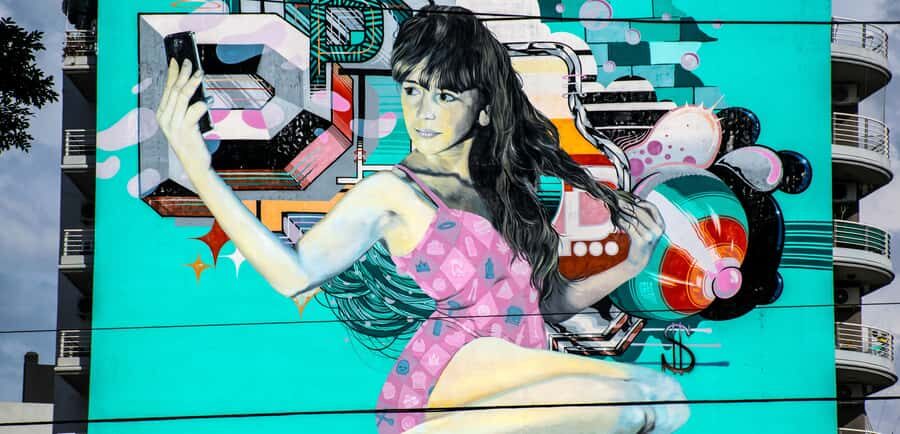
Palermo’s walls do more than decorate. On this tour, you learn to treat graffiti like a public bulletin board—one that changes as politics and power structures change. That’s the magic of the experience. When you understand the “why,” the “what” gets way more interesting.
You start with the idea that street art wasn’t just random vandalism. In Argentina’s earlier decades, images on walls and public spaces could function as political endorsement. The guide walks you through how messaging was tied to campaigns and propaganda, not just individual artists trying to get attention. This matters because it reframes graffiti from a nuisance into something closer to a voice in the street.
Then you move forward to the arrival of aerosol paints in 1969. That specific detail is a turning point: aerosol makes it possible to write and apply messages much faster than older methods. In the tour’s story, that speed changes everything. It helps protest-related communication spread in new ways during the 1970s, when social conflict and public agitation were intensifying. You’re not just learning art history—you’re learning how communication technology affects politics.
Other Palermo tours we've reviewed in Buenos Aires

Getting oriented at Plaza Serrano (Plaza Cortazar) and the easy start
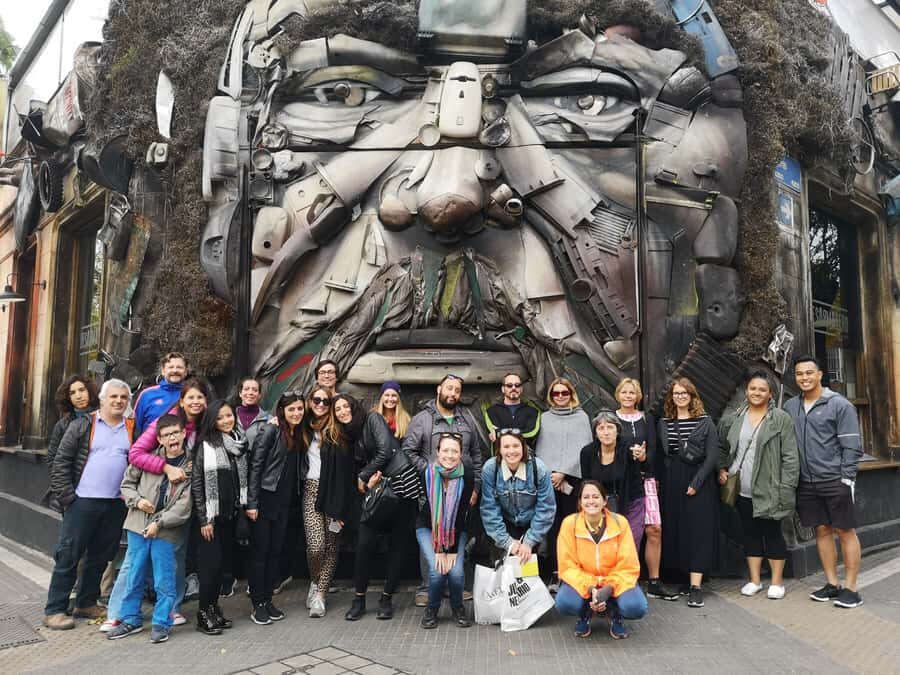
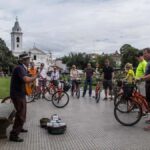
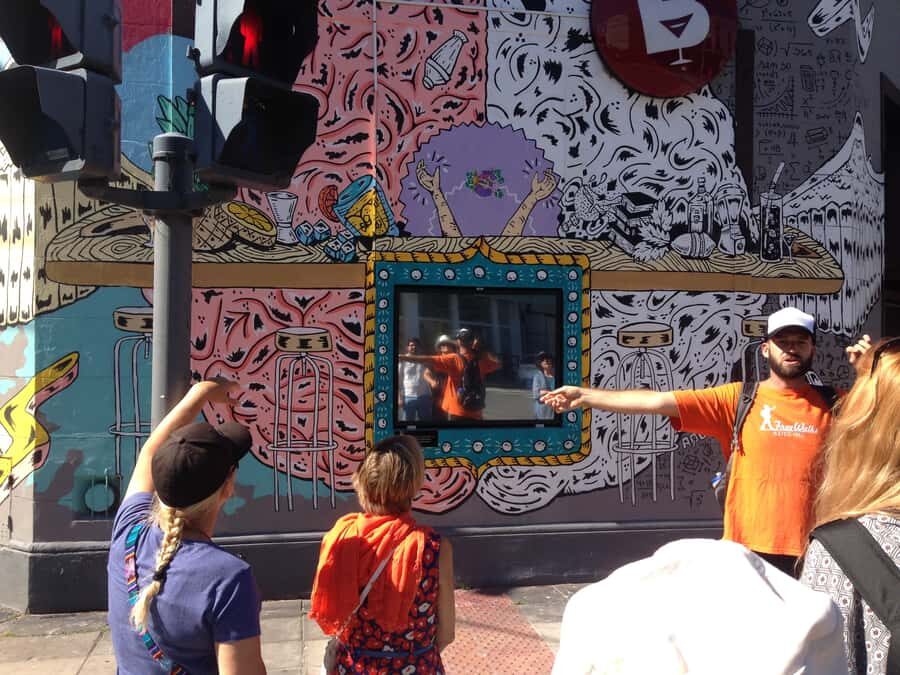
The tour begins around Plazoleta Julio Cortazar, with the practical meeting point at Plaza Serrano (also called Plaza Cortazar). You’ll meet at the corner of Jorge Luis Borges and Honduras St. Look for the guide in an orange t-shirt with a big PALERMO sign. It’s simple, and that first clarity helps—especially in a city where street corners can look similar if you’re not paying attention.
The tour lasts about two hours, and it’s structured as an easy walking route. That time window is useful for you because it gives you enough stops to feel like you’re seeing a real slice of Palermo, not just a single mural and a quick chat. It also keeps the experience from dragging. The best part is that it’s paced to keep the group together.
You’ll end near Plaza Inmigrantes de Armenia. That finish point is helpful because it means the walk naturally transitions you into another chunk of Palermo, where you can keep exploring without feeling like you’re being dropped in the middle of nowhere.
Madison Avenue Bar and the Trump Wall stop
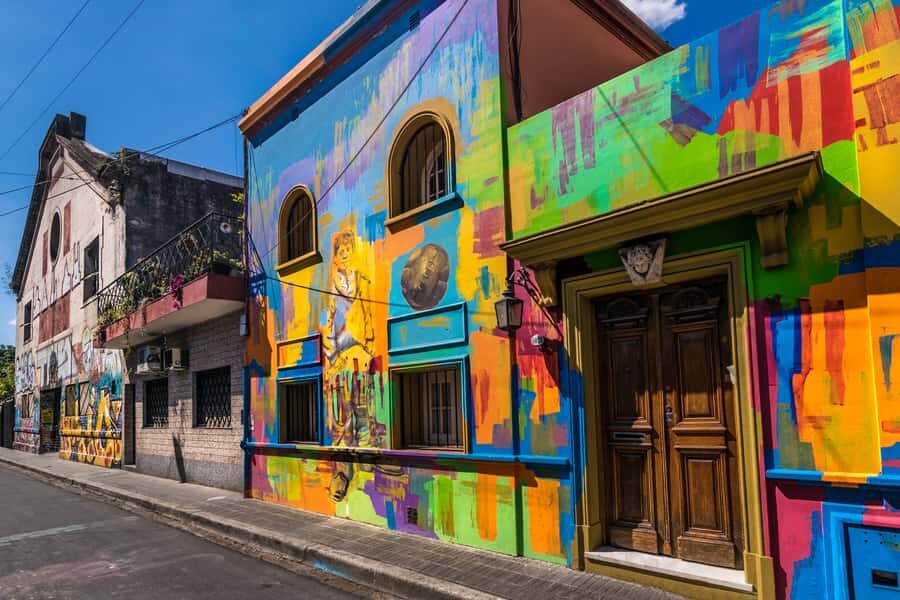
One stop is built for photos, and it’s the kind you’ll remember. The tour includes the Trump Wall’s graffiti at Madison Avenue Bar. Even if you’re not a political history buff, this is the kind of scene that makes street art feel instantly relevant. There’s a recognizable name, a recognizable style, and then the guide gives you the context behind why a wall like this gets made and kept alive.
What I like about having this as an early or mid-tour anchor is that it makes the rest of the route easier to follow. After you’ve seen a high-profile example, you start spotting smaller details with sharper eyes. You’ll pay attention to style shifts, layering, and the way different messages appear on the same street surfaces.
Practical note: plan on taking photos quickly and moving on. Two hours goes fast, and the guide will usually point out specific elements you’ll want to capture before the group keeps walking.
The 1920s to 1969 story: why aerosol changed protest
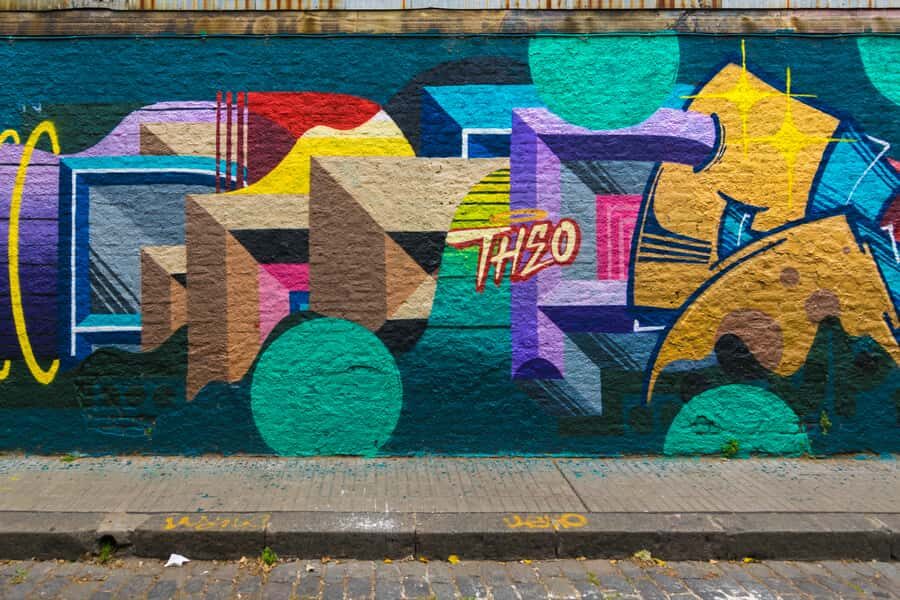
A key part of the experience is how the guide connects what you see today to earlier political behavior. The tour’s story starts in the 1920s, when street messaging was tied to political movements gaining traction in Argentina. The guide explains how graffiti could function like public endorsement—something that says you’re with this side, supporting this cause, or promoting this narrative.
From there, you jump ahead to 1969, when aerosol paints arrived. In the tour’s explanation, aerosol doesn’t just change the look of graffiti; it changes the pace. Faster application means faster communication, and that matters when a city is tense. During the 1970s, the guide frames urban movements as becoming more visibly tied to protest, with more people participating in the act and the message.
This is where you start understanding the street as a kind of informal media. Posters, slogans, and images follow events. They get updated. They get replaced. And when the guide ties all that to political pressure and social conflict, Palermo’s walls stop feeling like art collectibles and start feeling like a living archive.
How the guide makes you see more than the art
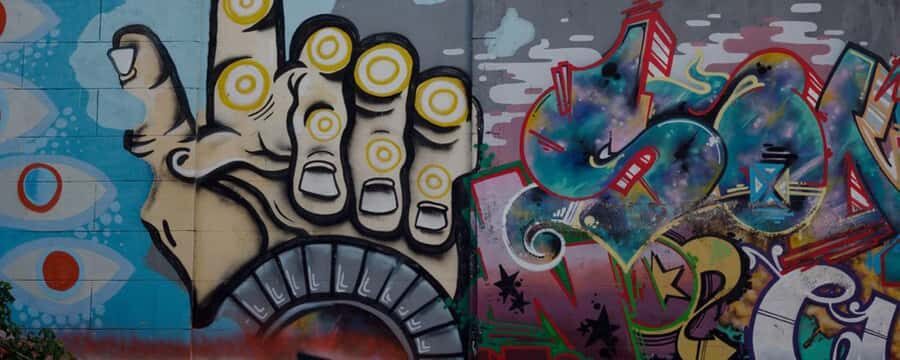
This tour stands or falls on the guide, and the guides here consistently deliver. Names like Elina, Aylen, Vito, and Juan show up repeatedly for a reason: they keep the information clear and the group engaged.
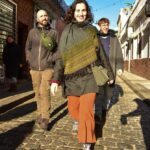
What you’ll notice in a good session is humor without losing the plot. Many guides use a light tone, then steer the focus right back to interpretation—why a message is shaped a certain way, what the placement suggests, and how a piece fits into the bigger political context. People also note that the guides are good at keeping everyone together, even when the group is larger. If you’ve ever been stuck behind someone who blocks your view, you’ll appreciate how smoothly they manage the walking line.
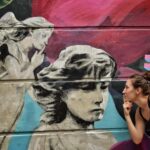
Another strong point is that the tour doesn’t treat street art as a single style. You’ll hear stories that tie together different techniques and references, and you’ll start noticing how Argentine street art can connect sports energy and everyday identity with politics. One commenter even mentioned learning how “vandalism” is sometimes framed versus how it can function as social communication. That’s a useful lens for you in Buenos Aires: you’ll be less likely to dismiss the walls and more likely to ask what they’re trying to say.
If you care about art in general, this is also a great “starter course.” Even when you’re not an expert, the guide translates what you see into understandable ideas fast. That lets you enjoy the walk instead of worrying about whether you know the right art terms.
Other street art tours we've reviewed in Buenos Aires
Price and value: why $13 makes sense for Palermo
At $13 per person for a 2-hour guided walking tour, the value is strong—especially because the tour includes context, not just sightseeing. A self-guided walk can be fun, but you miss the connections that turn a mural from a pretty surface into a political message with a timeline behind it.
Here, you’re paying for interpretation and route design:
- You get a planned path through Palermo with meaningful stops.
- You get the historical throughline from political origins to aerosol-driven speed and protest activity.
- You get an English-speaking guide who can answer questions as you walk.
And because the tour ends at a different plaza than where you start, you also get a built-in excuse to keep exploring afterward. You’re not just “doing” the tour; you’re getting a better map of the neighborhood’s storytelling style.
Who should book this tour (and who might not)
This is a great fit if you want Buenos Aires in a less museum-ish way. If you like street life, photography, and stories that connect everyday visuals to bigger forces, you’ll enjoy this. It’s also a solid choice if you want political context without sitting through a lecture.
You might be less thrilled if you’re looking for strictly visual art appreciation with minimal political messaging. This experience is built around politics, protest, and communication methods, so the history is part of the package.
It’s also useful if you’re short on time. Two hours is long enough to learn something and see multiple pieces, but short enough to work into a busy day.
Practical notes for your walking day in Palermo
This tour runs for two hours and is a walking format, so plan your day around movement. It’s also good to know that the tour takes place even if it rains, so you should be ready for damp streets and less comfy sidewalks.
The guide is an English live tour guide, and the activity is listed as wheelchair accessible. You won’t need hotel pickup, and food and drink aren’t included, so you’ll want to manage that before or after the tour.
Finally, build in a little extra time at the start. Meeting at Plaza Serrano is straightforward, but you’ll be happier if you arrive with enough time to spot the guide in the orange t-shirt and get oriented.
Should you book Palermo’s graffiti and street art guided tour?
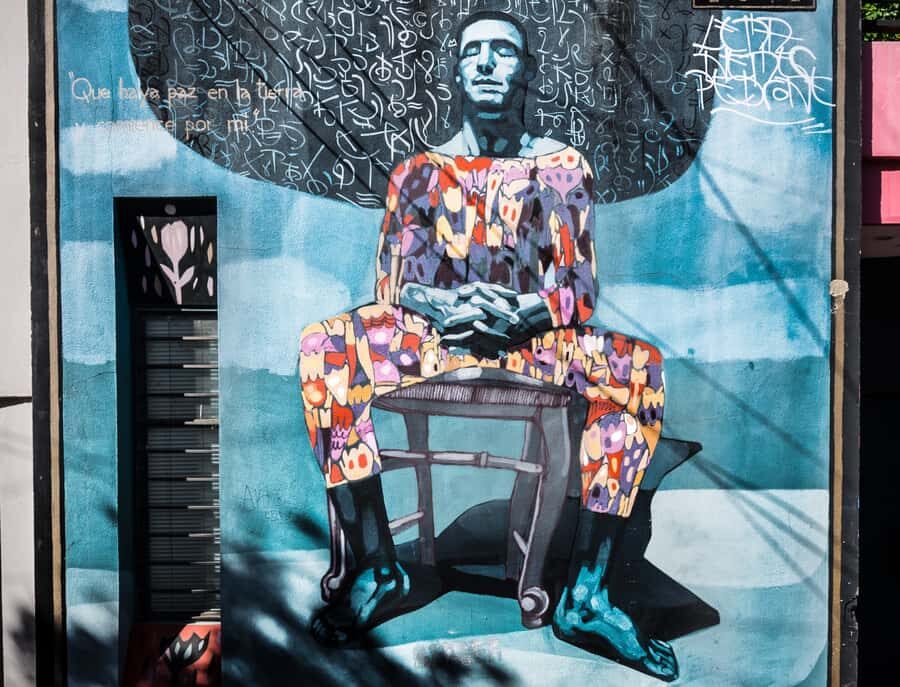
If you want to see Palermo street art with meaning, this is an easy yes. The combination of a tight route, an English guide, and a clear explanation of how graffiti ties into Argentine politics gives you real value for the money. The Trump Wall at Madison Avenue Bar stop is memorable, but the best part is what happens after: you’ll walk out seeing messages as communication, not just decoration.
Book it if you enjoy learning while you wander and you like your Buenos Aires stories street-level. Skip it only if you want art with minimal political context or you’re not into walking for two hours.
FAQ
How long is the Palermo graffiti and street art guided tour?
The tour lasts 2 hours.
How much does the tour cost?
It costs $13 per person.
Where do I meet the guide?
Meet at Plaza Serrano (Plaza Cortazar), at the corner of Jorge Luis Borges and Honduras St. Look for the guide in an orange t-shirt with a big PALERMO sign.
Where does the tour finish?
The tour ends at Plaza Inmigrantes de Armenia.
Is the tour in English?
Yes, the live tour guide speaks English.
Is hotel pickup included?
No, hotel pickup and drop-off are not included.
Is food or drink included?
No, food and drink are not included.
Will the tour run if it rains?
Yes, the tour still takes place even if it rains.
Is the tour wheelchair accessible?
Yes, it’s listed as wheelchair accessible.
Can I get a refund if I cancel?
Yes. You can cancel up to 24 hours in advance for a full refund.