REVIEW · BUENOS AIRES
Buenos Aires: Intimate Tango Experience
Book on GetYourGuide →Operated by Baires Experience · Bookable on GetYourGuide
Tango can feel like a closed club. Here, it’s taught like a conversation, with an intimate private format and a look at real local milonga culture. You’ll work on the fundamentals and the mindset behind Argentine tango, then go toward the social side where the dance actually lives.
I especially like the focus on both masculine and feminine roles, not just one interpretation. And I like that the class is built to match your level, with instruction that can start from basic steps or help you tighten technique if you already know a few things.
One thing to plan for: the session is only 90 minutes, and you need to be there on time. There’s a 20-minute grace period after the start time, and late arrival can mean no refund or reschedule.
In This Review
- Key reasons this tango experience works
- A private 90-minute tango experience that doesn’t rush you
- Both roles in tango: masculine and feminine, taught as equals
- What you learn: fundamentals, technique, and the philosophy behind the embrace
- The milonga visit: why social tango is the real lesson
- How the session typically flows (and what you should watch for)
- Who this tango experience fits best in Buenos Aires
- Price and value: what $62 gets you (and why it’s fair)
- Practical tips so you feel comfortable on the floor
- Final verdict: should you book this intimate Buenos Aires tango experience?
- FAQ
- How long is the Buenos Aires tango experience?
- How much does it cost?
- Is it a private group experience?
- Do I need prior tango experience?
- Will I learn both masculine and feminine roles?
- Does the experience include local milongas?
- What languages are the instructors?
- Is food or drinks included?
- Is pick-up or drop-off included?
- What happens if I arrive late?
Key reasons this tango experience works
- Both roles, not one-note tango: you’ll explore masculine and feminine tango ideas as equal and complementary parts of the dance
- Pace is yours: start with basics or go beyond if you already have steps down
- Philosophy plus technique: you’re not just memorizing moves, you’re learning what tango communication is about
- Local milonga time: you get a taste of the social world where tango happens
- Patient, human teaching style: instructors have been praised for putting first-timers at ease and keeping it fun
- A private group setting: you learn with space to ask questions and reset when needed
A private 90-minute tango experience that doesn’t rush you
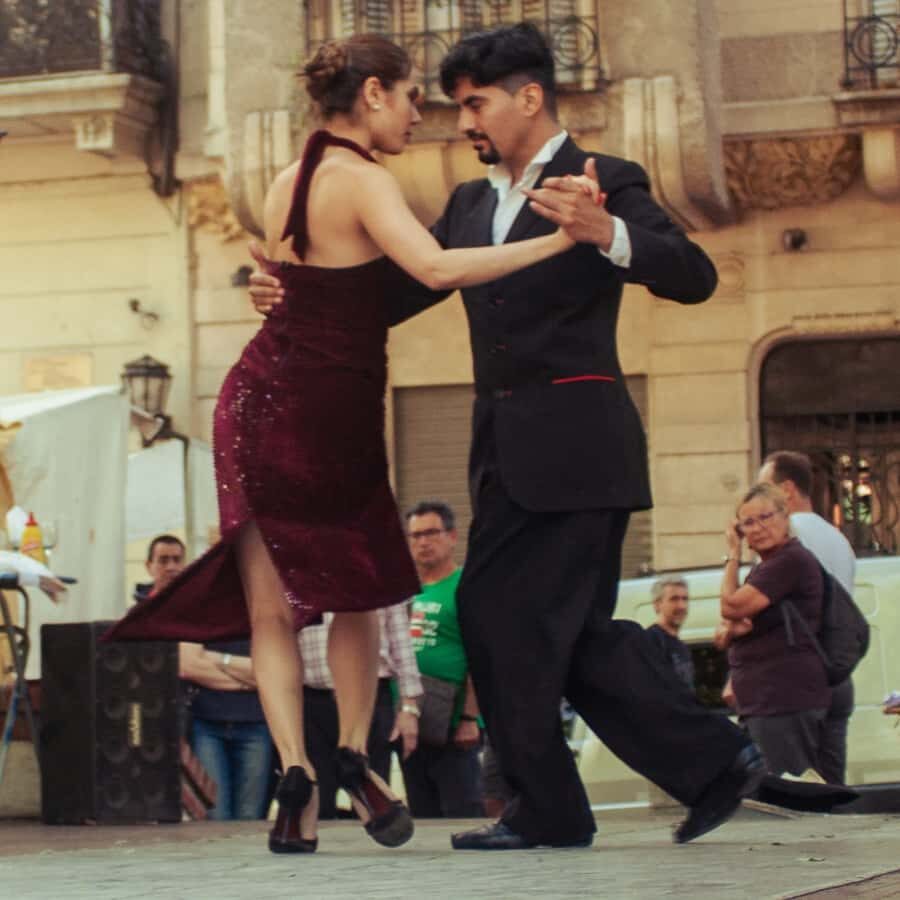
Buenos Aires tango has a reputation for being intense. This experience keeps that energy, but it’s structured so you can actually understand it. The session runs 90 minutes with an exclusive tango professor, plus access to an excellent dance hall to learn in a proper setting before you head toward the social side.
Because it’s a private group, you’re less likely to get lost in the shuffle. You can ask why something works, not just how to do it, and you can repeat the parts that trip you up. If you’re the kind of person who learns best by adjusting on the fly, you’ll like this format.
The catch is simple: tango is big. With only 90 minutes, you won’t become a milonga wizard in one night. Instead, you’ll leave with a clear foundation and a better sense of how to keep improving.
Other Buenos Aires tours we've reviewed in Buenos Aires



Both roles in tango: masculine and feminine, taught as equals
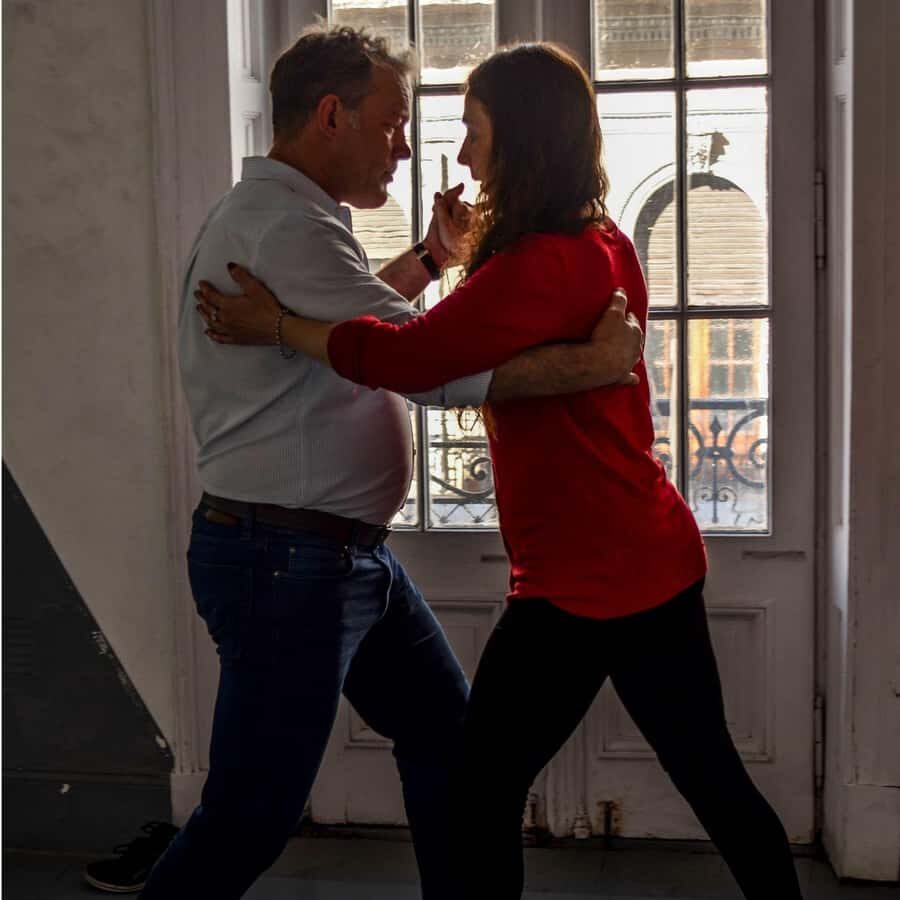
One of the most interesting parts is that you don’t just learn the dance from a single “role.” You’ll explore masculine and feminine expressions of tango, and the teaching frames them as equal and complementary rather than as rigid rules.
Why that matters: Argentine tango isn’t just about steps. It’s about connection, intention, and how one partner’s energy shapes the other. When you understand both roles, you become a better partner even if you mainly dance one role in your everyday life.
Instructors also help you practice the communication side of tango, the part that can feel mysterious if you only follow patterns. You get ideas for leading and following, but in a way that helps you feel tango’s logic instead of treating it like choreography you can’t interpret.
What you learn: fundamentals, technique, and the philosophy behind the embrace
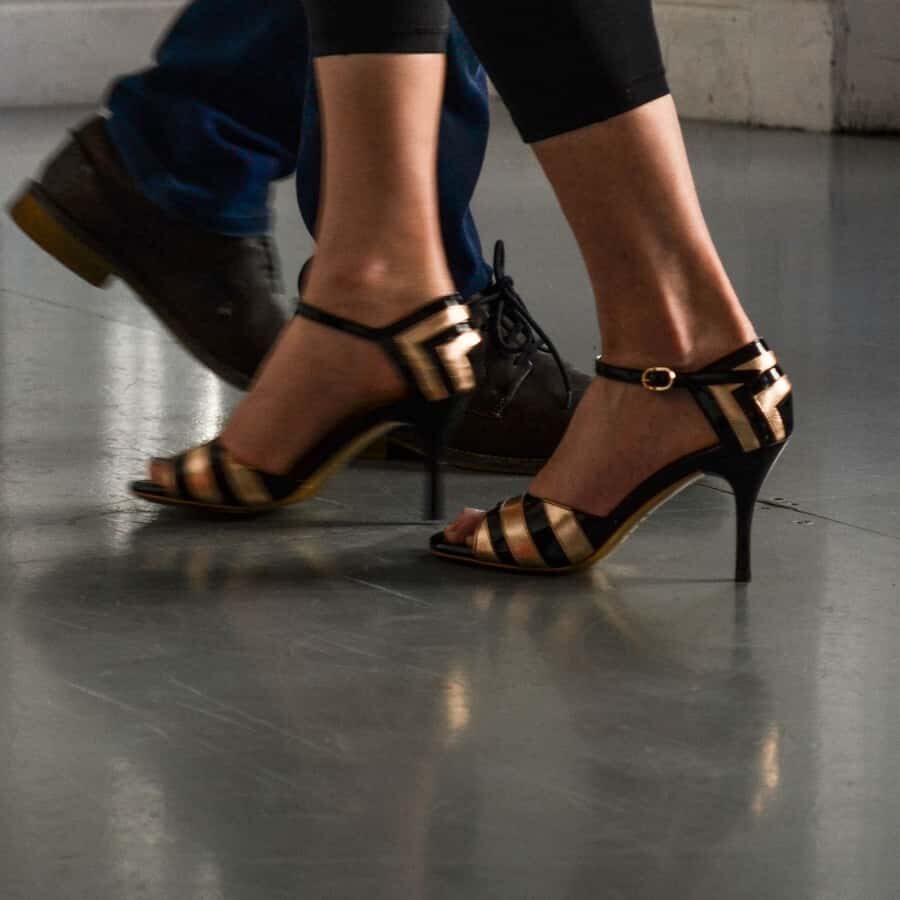
This class is influenced by both classical and modern tango. That’s helpful, because you’re not stuck in one style bubble. You’ll learn core technique and the fundamentals—then you’ll link those moves to the tango philosophy.
Here’s what that philosophy usually means in practical terms:
- how to move with purpose (not just “do the step”)
- how to use balance and timing so your partner can respond
- how the embrace and posture connect to rhythm and expression
The experience also lets you choose your learning pace. If you’re starting from scratch, you can focus on basic steps and the main ideas that keep you from feeling lost. If you already know your way around a few fundamentals, you can go beyond and work on improvement instead of repeating the same beginner drills.
Teaching quality matters here. Past sessions have highlighted professors who are attentive, adaptable, and patient—exactly what you want when you’re learning something physical and social at the same time. Names like Cristian, Christian, and Belen have shown up in prior participants’ accounts, with praise for clear instruction and a relaxed vibe.
The milonga visit: why social tango is the real lesson
The experience doesn’t stop at a studio class. It includes local, intimate milongas and tango parlors where tango’s social magic is easier to feel. This is where you learn something no textbook can teach: the timing, the etiquette, the energy of the room, and how dancers communicate without talking.
In a milonga, you can test what you learned. You’ll see how people interpret the music, how they approach the embrace, and how they recover when something doesn’t work. You also get that key perspective shift: tango isn’t only a dance you perform, it’s a dialogue you join.
The “intimacy” matters. These aren’t giant tourist stages; the goal is to experience the atmosphere where tango feels closer and more human. That’s also why this works better than a show—because you’re not just watching the dance, you’re learning how to be part of it.
One practical note: you might feel a little self-conscious if you’re a beginner. That’s normal. The teaching approach is designed to put you at ease, and the pacing gives you room to settle in before you go into the social part.
How the session typically flows (and what you should watch for)
Even though the meeting point can vary based on room availability, the learning flow is consistent in spirit. Expect the professor to start by grounding you in tango fundamentals and core technique. Then you’ll work with the role concepts—masculine and feminine ideas—so you can understand how the dance “talks” from both sides.
After the main instruction, the experience shifts toward local milonga and tango parlor culture. This is the part where you put your understanding into action. You’ll likely practice in a way that connects to the social rhythm of the room, and you’ll get a sense of what to focus on when you’re dancing around locals.
What you should pay attention to while learning:
- your balance and posture (tango punishes sloppiness fast)
- timing with the music (not just the counts, but the feel)
- how your movements invite the partner’s response
If you go in expecting a strict step-by-step routine, you may feel frustrated. If you go in curious and willing to adjust, you’ll get more out of the 90 minutes.
Other tango shows we've reviewed in Buenos Aires




Who this tango experience fits best in Buenos Aires
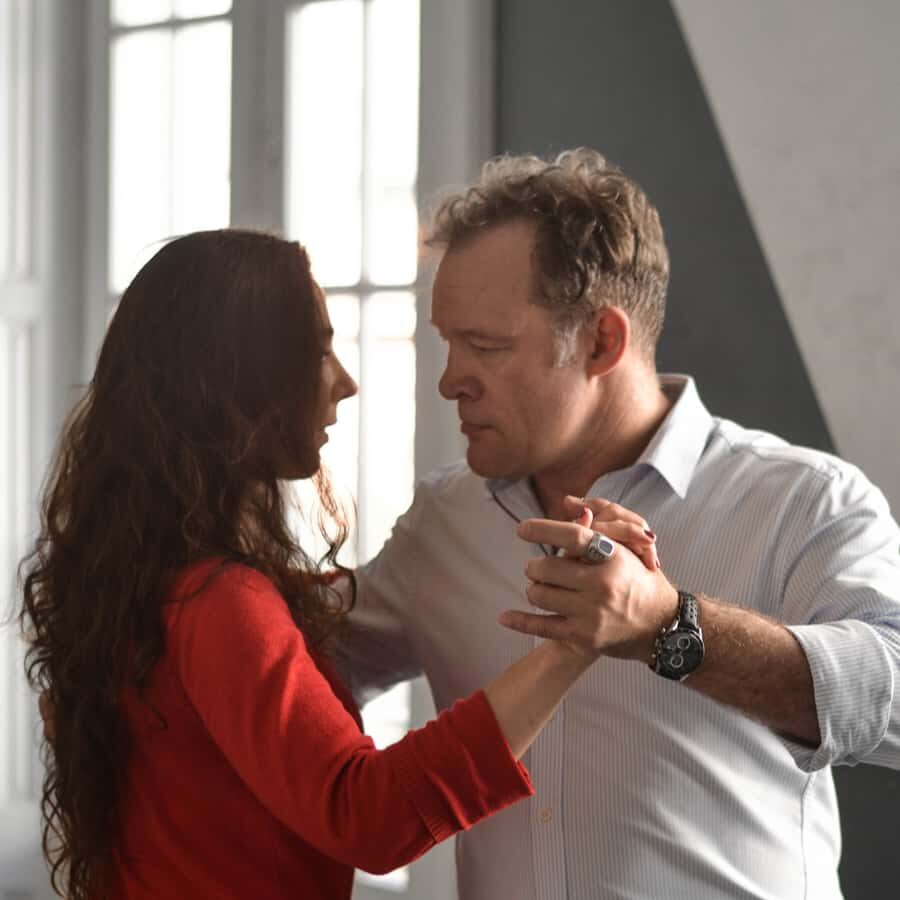
This is a good choice for people who want more than a souvenir night. It works well if you:
- are a first-timer who wants tango basics without embarrassment
- already know some tango and want a structured way to improve
- care about the connection side of tango, not just memorizing steps
- like learning both roles so you can dance more comfortably with different partners
The fact that the professor speaks Spanish, Portuguese, and English is also a real advantage. You won’t be forced to guess through confusing explanations. If you struggle with one language, you can often switch based on what helps you understand best.
Solo? You’ll want to plan carefully. The experience provider asks solo travelers to confirm availability directly with Experience Baires before or after booking. That’s worth doing so you don’t get stuck when you arrive with high tango hopes.
Price and value: what $62 gets you (and why it’s fair)
At $62 per person for 90 minutes, you’re not paying for a long, generic dance class. You’re paying for an exclusive tango professor, a strong learning structure, and the chance to connect classroom learning to local milonga culture.
The value angle is this: tango isn’t only technique. Your biggest gains come from understanding partner connection, timing, and tango philosophy—plus getting guidance in how to apply it in a social setting. That combo is hard to replicate on your own, especially when you’re new.
Also, the private-group setup matters. In many crowded group lessons, you spend time waiting your turn. Here, the format is designed so you can move at a pace that fits you, and you can reset quickly when something doesn’t click.
If you’re deciding between a studio class only and a class plus milonga experience, the second option usually gives you more lasting value. This one is built for that.
Practical tips so you feel comfortable on the floor
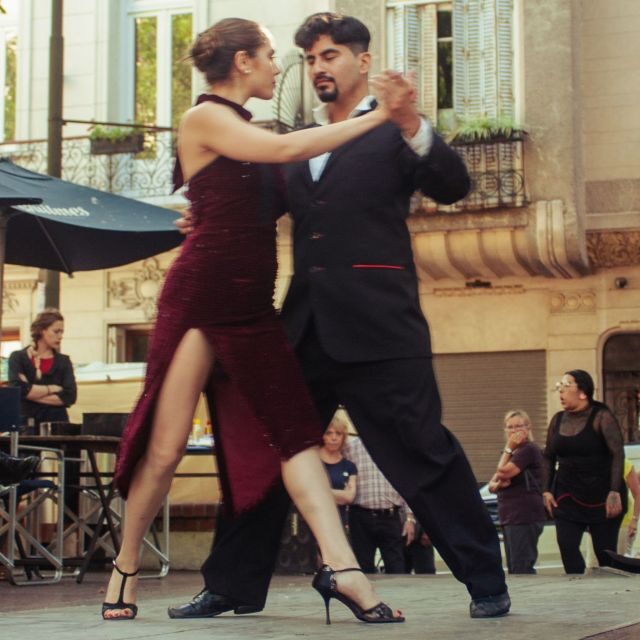
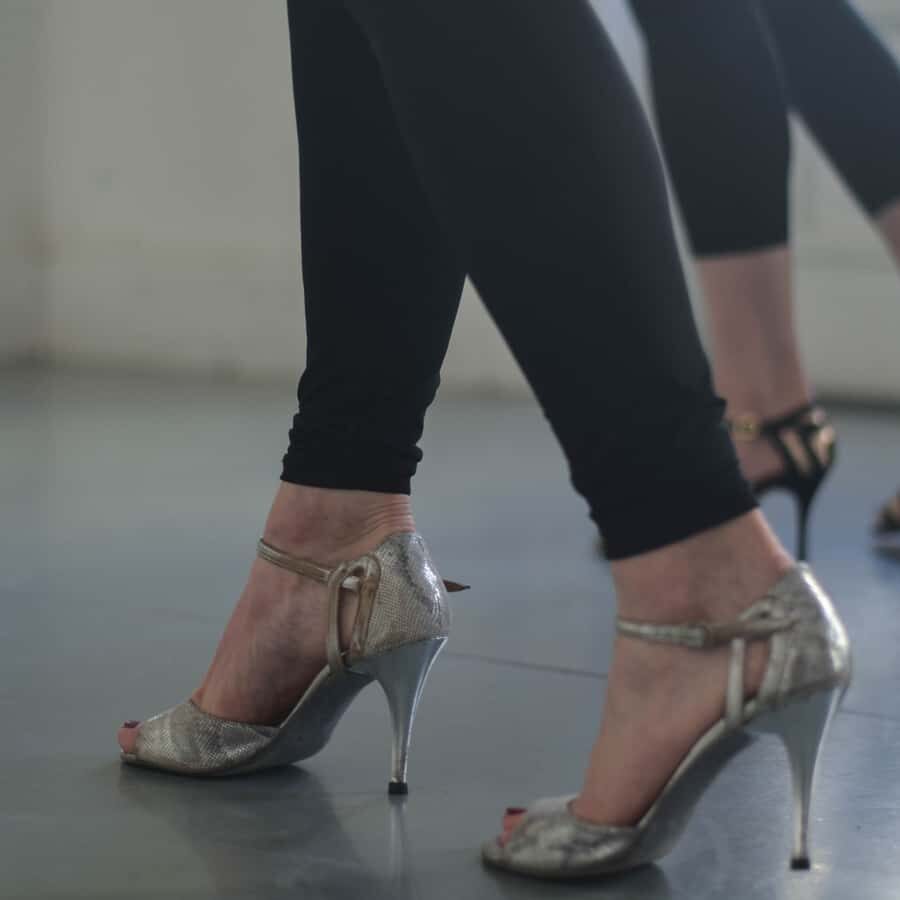
Tango is intimate. That means your comfort matters as much as your technique. Wear shoes you can move in confidently and that won’t make you fight your footing. If you’re unsure, bring something with good grip and stability.
Arrive with time to settle in. There’s a 20-minute grace period after the start time, and if you’re late, you won’t get a refund or reschedule. Since the meeting point can change depending on the dance room, contact the provider to confirm the address.
Also plan for the basics: food and drinks aren’t included, and there’s no pick up or drop off. That’s not a deal-breaker, but it means you should map your own route and eat beforehand if you tend to get hungry when learning.
One more thing: bring a slightly playful attitude. Several instructors have been praised for making people laugh and keeping things relaxed, which is exactly what you want when you’re learning a sensual, expressive dance for the first time.
Final verdict: should you book this intimate Buenos Aires tango experience?
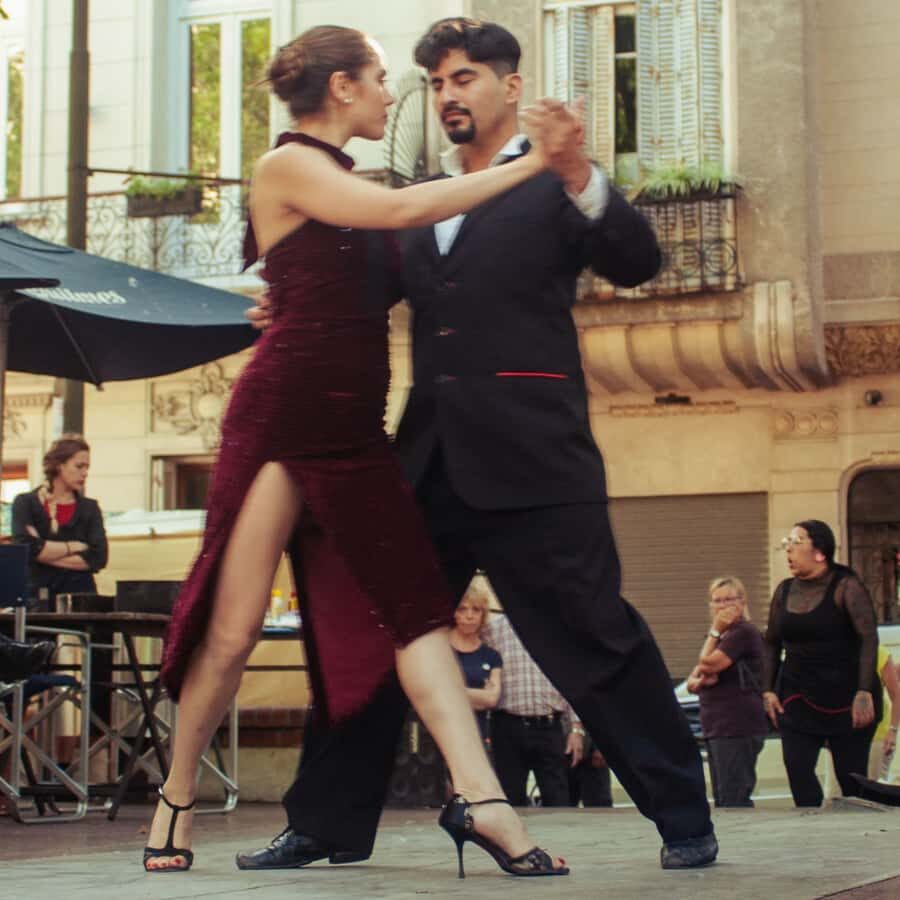
I’d book it if you want a tango night that’s structured, thoughtful, and connected to real local culture. The strongest reasons are the both-roles instruction, the way the professor can adapt to your level, and the inclusion of local milongas so you don’t just learn steps—you learn how tango works in a room.
Skip it if you’re looking for a long masterclass or a full-night immersion with lots of time on the dance floor. This is 90 minutes. It’s designed to give you clear fundamentals and a meaningful start, not to turn you into a polished milonga regular by midnight.
If your goal is to understand tango faster and feel more at ease when the music starts, this experience is a solid bet for Buenos Aires.
FAQ
How long is the Buenos Aires tango experience?
It lasts 90 minutes.
How much does it cost?
The price is $62 per person.
Is it a private group experience?
Yes, it’s described as a private group.
Do I need prior tango experience?
No. The experience welcomes people with or without prior tango experience, and you can start from the basics or go beyond.
Will I learn both masculine and feminine roles?
Yes. The experience includes instruction in both masculine and feminine roles in tango.
Does the experience include local milongas?
Yes. It includes local, intimate milongas and tango parlors.
What languages are the instructors?
The instructor can teach in Spanish, Portuguese, and English.
Is food or drinks included?
No, food and drinks are not included.
Is pick-up or drop-off included?
No. Pick up and drop off are not included.
What happens if I arrive late?
There is a 20-minute wait after the start time. Late arrival can result in no refund or reschedule.