REVIEW · BUENOS AIRES
Buenos Aires 3-Hour Small Group Pope Francis Tour
Book on GetYourGuide →Operated by Tangol · Bookable on GetYourGuide
Three hours, one astonishing spiritual story.
I like how fast this tour connects the dots between Jorge Bergoglio’s early life and his later role as Pope, without dragging you through the whole city. In a small group, you’ll trace his path from childhood neighborhoods to the Buenos Aires Metropolitan Cathedral by Plaza de Mayo.
I love the stop-by-stop way it explains formative years. You’ll see the childhood home areas in Flores, the schools linked to his education (including Instituto Nuestra Señora de la Misericordia and the Universidad del Salvador), and the churches tied to his faith journey. The guide experience is a big part too; guides such as Pablo are repeatedly praised for warm, clear explanations that bring local culture into the picture.
One thing to plan around: the route can shift depending on Mass schedules and basilica access. Also, accessibility details are inconsistent in the provided info, so if mobility matters for you, it’s worth double-checking before you go.
In This Review
- Key highlights worth your attention
- Meeting in San Telmo: starting smart at Defensa 831
- Flores childhood home and school stops that shape the story
- Basilica of San José de Flores: the moment at age 17
- Baptism at Mary Help of Christians and St. Charles, plus San Lorenzo
- Montserrat and Manzanas de las Luces: San Ignacio de Loyola (1675)
- Plaza de Mayo finale: Buenos Aires Metropolitan Cathedral
- Price and value: is $132 worth 3 hours?
- Who will enjoy this most (and who might not)
- Practical tips so your day runs smoothly
- Should you book this Pope Francis tour?
- FAQ
- Where is the meeting point?
- What time does the tour start, and how long is it?
- What languages are available for the guide?
- How many people are in the group?
- What’s included, and what isn’t?
- What should I bring, and can I bring luggage?
- Is the tour wheelchair accessible?
- What is the free-cancellation window?
Key highlights worth your attention
- A tight 3-hour route with transfers included, so you’re not stuck figuring out between-neighborhood logistics
- Flores to Plaza de Mayo: childhood, schooling, and major churches in one coherent story
- Basilica of San José de Flores: the moment at age 17 that he later tied to his life in Church service
- Montserrat’s San Ignacio de Loyola Church (1675) in the Manzanas de las Luces area
- Final stop at the Buenos Aires Metropolitan Cathedral, the key Catholic landmark overlooking Plaza de Mayo
- Small-group size (max 15) keeps it interactive and easier to ask questions
Meeting in San Telmo: starting smart at Defensa 831
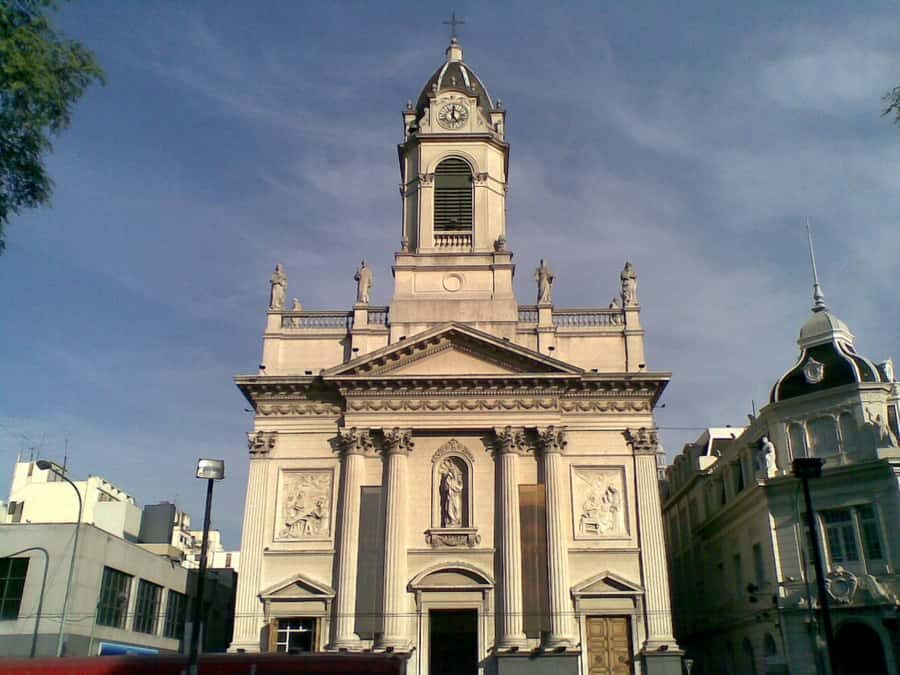
Your morning starts at 10:00 am at Tangol’s office in San Telmo, at Defensa 831. This matters more than it sounds. San Telmo is a good launch point because it’s central for getting moving quickly to the neighborhoods you’ll visit next. You’ll also get transfers as part of the tour, which helps you keep the day simple in a city where distances can surprise you.
In the first stretch, you’ll get a clear sense of the theme: this isn’t just a list of landmarks. It’s a guided walk through the places that formed Jorge Bergoglio day by day—where he lived, studied, worshipped, and how those routines fit into the Buenos Aires around him.
Quick practical tip: wear comfortable shoes. You’ll be spending time outside and inside churches, and you don’t want your day decided by foot pain.
Other Buenos Aires tours we've reviewed in Buenos Aires
Flores childhood home and school stops that shape the story
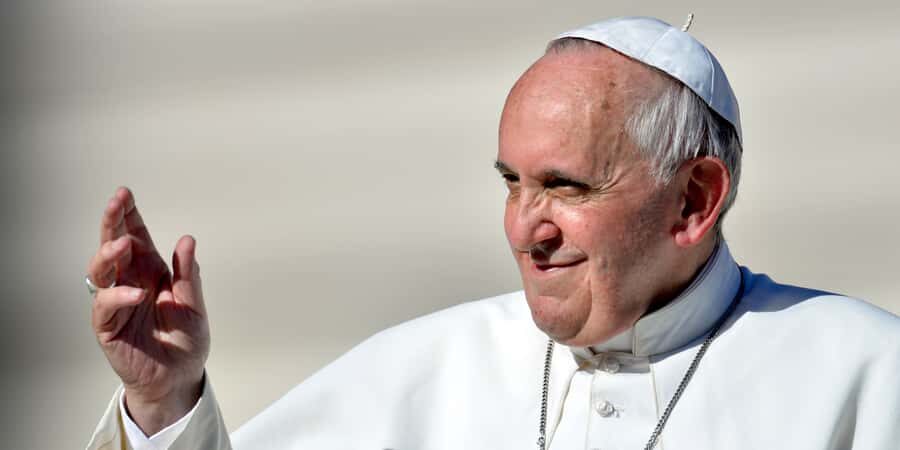
The tour begins with Bergoglio’s earliest life in Flores, starting with his childhood home area and the family setting around it. Standing in these streets gives you a different scale. It’s one thing to read about someone famous. It’s another to stand where a kid started learning the rhythm of a neighborhood.
From there, you move into the education chapter. The itinerary includes Instituto Nuestra Señora de la Misericordia, plus Universidad del Salvador and the Iglesia del Salvador. For me, what makes these stops valuable is that they connect faith to ordinary development—school environments, daily routines, and how young people spend their time. You’re not just hunting for the biggest church. You’re seeing the path that led to a vocation.
A potential drawback: education sites can feel less dramatic than basilicas from the outside. But the guide framing is what turns them into more than a quick photo stop. If you’re the type who likes context—why a person’s choices make sense in their setting—these are the stops that deliver.
Basilica of San José de Flores: the moment at age 17
Next comes one of the emotional anchor points: the Basilica of San José de Flores. This is the church tied to the moment when he felt a strong call to devote his life to the service of the Church at age 17.
Why this matters for your experience: it gives you a clear turning point, not just a timeline. Up to this point, you’re seeing places. Here, you’re also seeing the shift in direction—how a person’s inner life can change what they pursue next.
You’ll also learn how he later connected that turning point with his episcopal motto. Even if you’re not deep into Church details, it’s a useful way to understand why certain themes show up repeatedly in his story.
Note: church stops can mean quiet. Be ready for a slower pace, respectful behavior, and possibly minor timing changes depending on what’s happening in the basilica.
Baptism at Mary Help of Christians and St. Charles, plus San Lorenzo
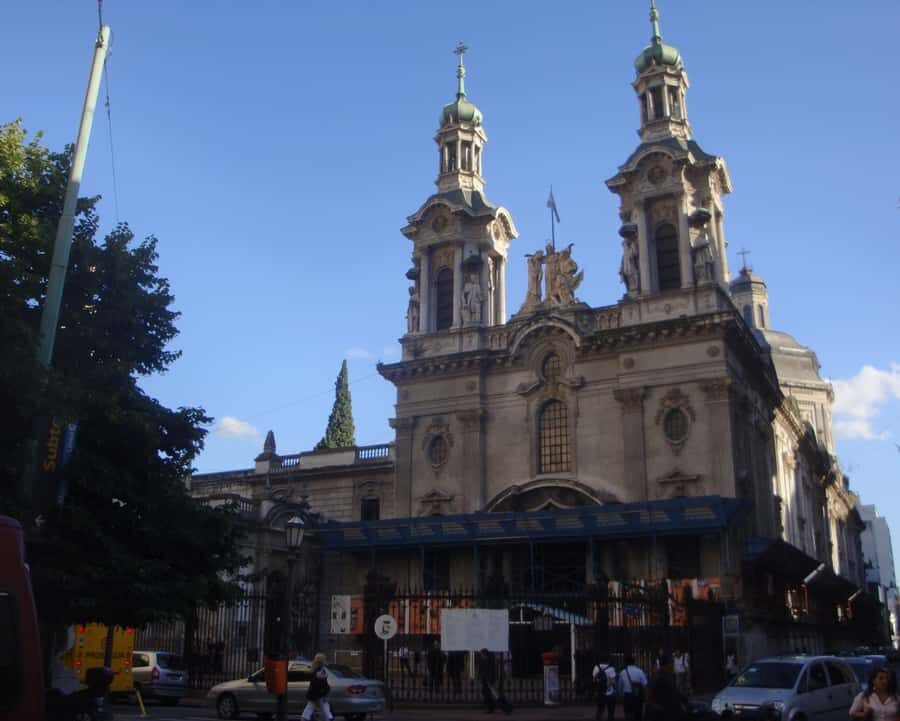
After Flores, the tour moves through more faith landmarks, including the Basilica of Mary Help of Christians and St. Charles, where he was baptized. Baptism sites often feel like the most personal kind of stop, because they represent beginnings rather than accomplishments.
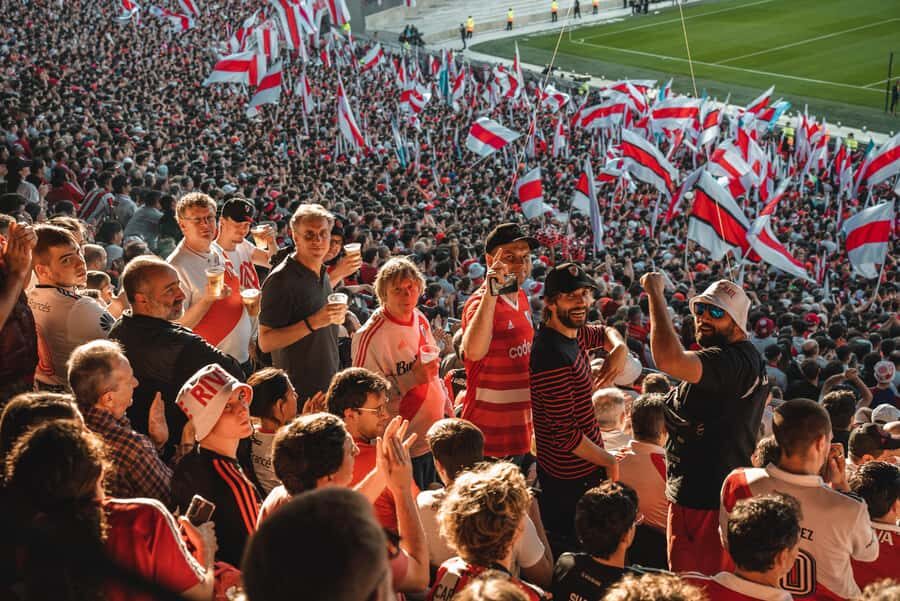
The route also includes a fascinating cultural detour: Club Atlético San Lorenzo de Almagro. The tour doesn’t treat football as an add-on trivia fact. It frames his passion for the club as part of the real-world Buenos Aires he knew—where community identity, regular people, and shared loyalties mix together.
If you’re wondering why a sports club belongs on a Pope-focused tour, I get it. But in this context, it’s one more clue to how he connected to his city. Buenos Aires is serious about its teams, and this stop helps you understand that this story isn’t floating above ordinary life.
Montserrat and Manzanas de las Luces: San Ignacio de Loyola (1675)
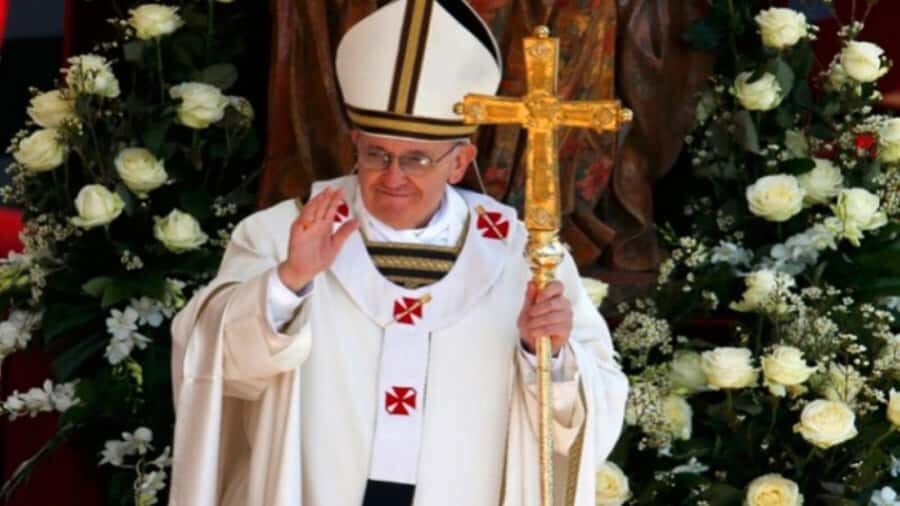
You’ll then head to Montserrat for San Ignacio de Loyola Church, built by the Society of Jesus in 1675. This is described as the oldest preserved church in Buenos Aires, and it’s part of the Manzanas de las Luces area.
This stop is where the walking-tour vibe starts to feel more architectural. Even if you don’t know a lot of building history, you’ll notice the age, the preserved character, and the sense that you’re in a part of town that has kept shape over centuries.
It’s also one of the most “visual” stops in the itinerary. Churches like this tend to offer those little details you can’t capture well in a snapshot. If you like to slow down and look around, you’ll probably enjoy this part a lot.
Small caution: because the tour depends on basilica access and religious schedules, a church stop can run a bit differently than you might expect. Don’t panic if timing shifts—this is normal for a tour centered on active religious sites.
A few more Buenos Aires tours and experiences worth a look
Plaza de Mayo finale: Buenos Aires Metropolitan Cathedral
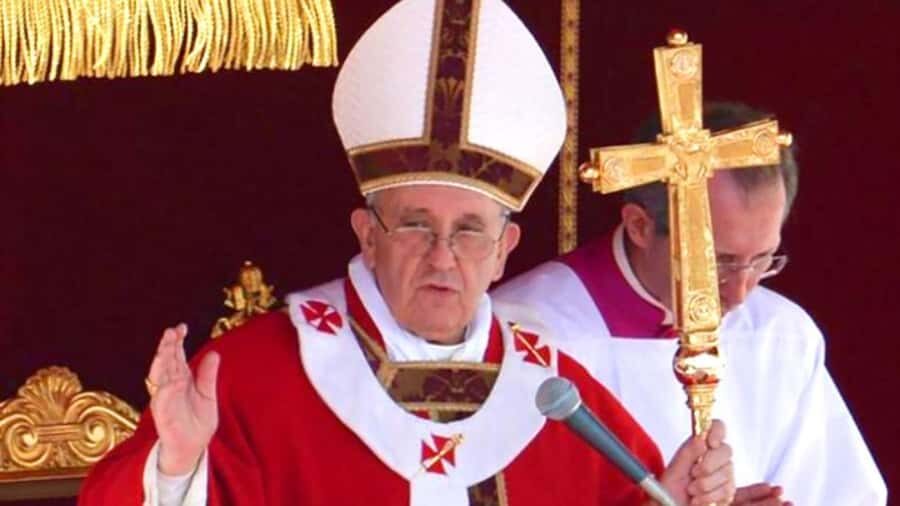
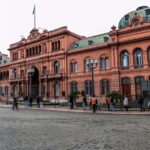
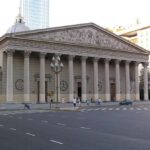
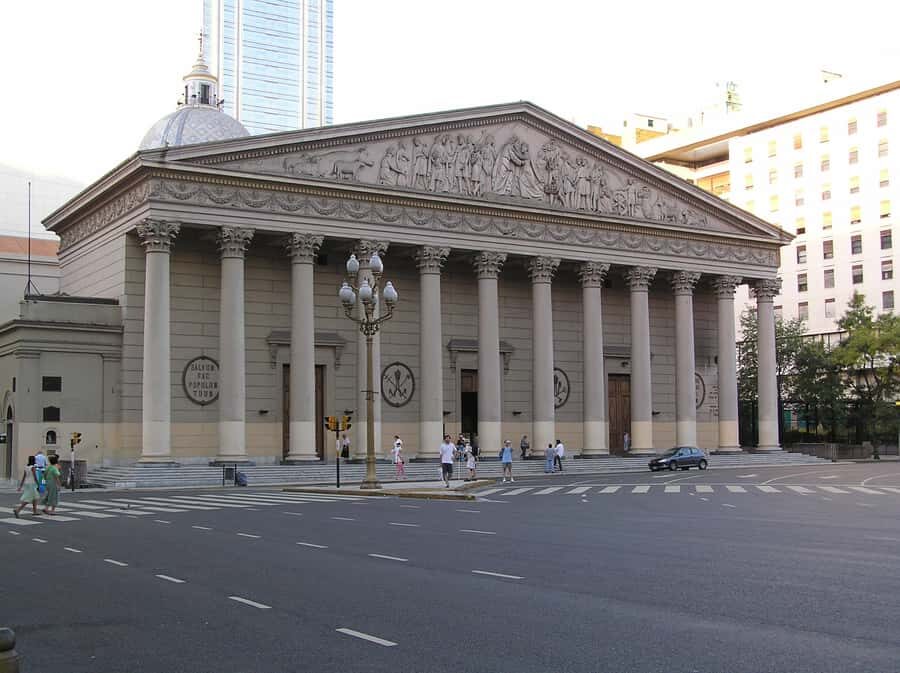
Your tour ends with the Buenos Aires Metropolitan Cathedral, right by Plaza de Mayo. This is a major Catholic site in the city and was declared a historical monument in 1942, which helps explain why it carries so much public attention.
This is also the cathedral where Jorge Bergoglio gave important Masses, and where devoted followers awaited the announcement of his election as Supreme Pontiff. The takeaway for you: this final stop isn’t just pretty scenery. It’s where the earlier neighborhoods and churches start to feel connected to something global.
If you like ending with meaning instead of rushing out, this is a strong finish. Also, the cathedral is such a central landmark that you’ll likely find it easy to keep exploring afterward on your own—assuming you time it right.
One more practical note: if you plan to stay longer, keep your energy in mind. Three hours is a good length, but churches plus street walking can add up, especially if the weather turns.
Price and value: is $132 worth 3 hours?
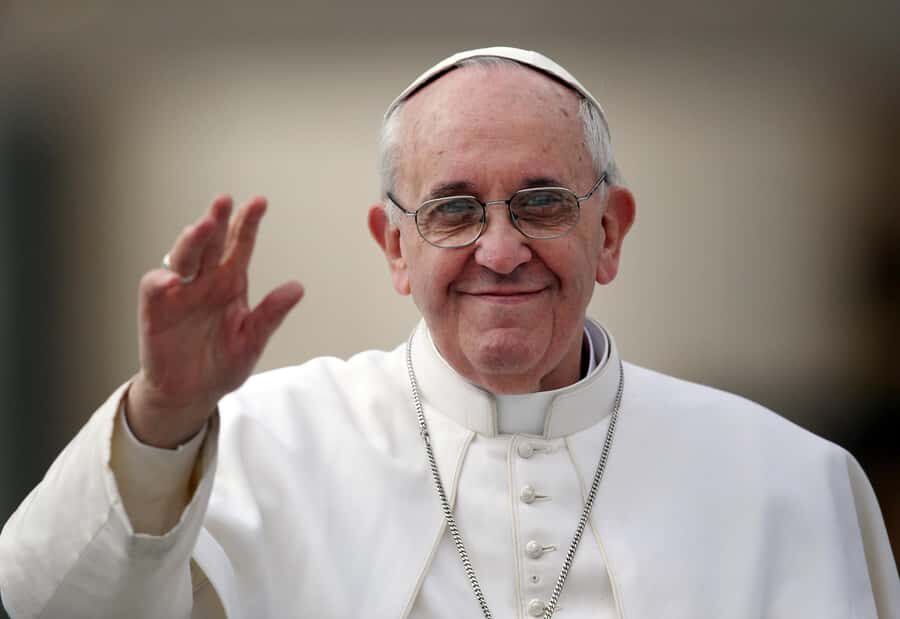
At $132 per person for 3 hours, this isn’t a budget deal. But value here isn’t only about the time. You’re paying for a guided experience that includes transfers and multiple stops across key parts of Bergoglio’s life—childhood areas, schools, basilicas, and the cathedral at Plaza de Mayo.
For me, it feels most worth it if you want more than a casual sightseeing loop. If you enjoy understanding why someone’s life unfolded the way it did—through the real places they lived and studied—this tour gives you a tight structure that would take you a lot longer to piece together alone.
If you just want the biggest cathedral photo and don’t care about the education and formative settings, you might feel the time is better spent doing other activities. But if Pope Francis is meaningful to you and you like context, the price starts to make sense.
Who will enjoy this most (and who might not)
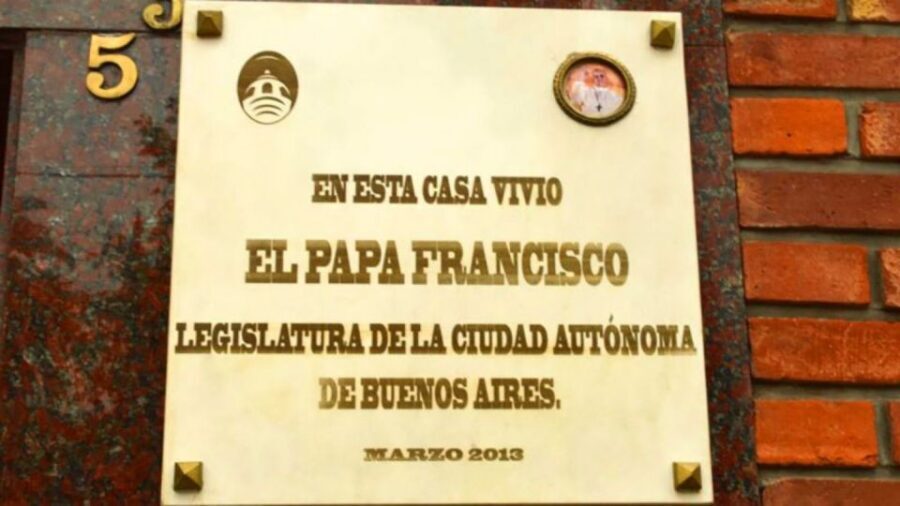
This tour fits best if:
- You want a focused Pope Francis and Buenos Aires story in a short time.
- You like guided interpretation at churches, not just viewing.
- You enjoy hearing how everyday local life (neighborhood, schooling, community identity) connects to faith.
It might be less ideal if:
- You’re expecting a quick drive-through with minimal walking and minimal time in churches.
- Accessibility is a top concern. The provided info contains contradictory details about wheelchair access, so you’ll want to confirm before booking.
- You’re allergic to any schedule variation. Because it’s centered on basilicas and active religious sites, timing can shift.
Practical tips so your day runs smoothly
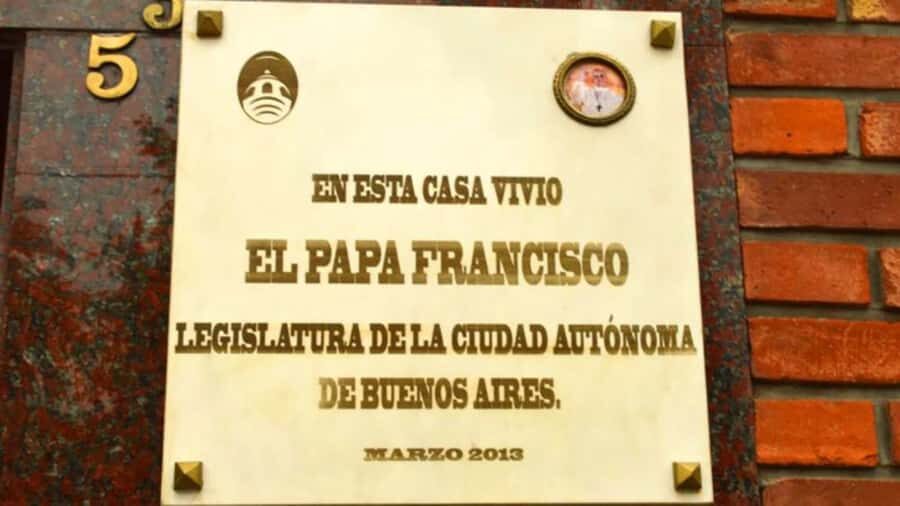
A few things will help you get the most out of your three hours:
- Bring passport or an ID card.
- Wear comfortable shoes and keep your daypack light.
- No luggage or large bags are allowed, so travel minimal.
- Be ready for itinerary changes if a basilica schedule affects access.
- The guide offers Spanish, English, and Portuguese, so pick the language you’re most comfortable with.
Also, go in with the mindset of a story walk. You’ll get more out of it if you let each stop build on the last—childhood home, education, calling at 17, baptism, local community, and finally the cathedral by Plaza de Mayo.
Should you book this Pope Francis tour?
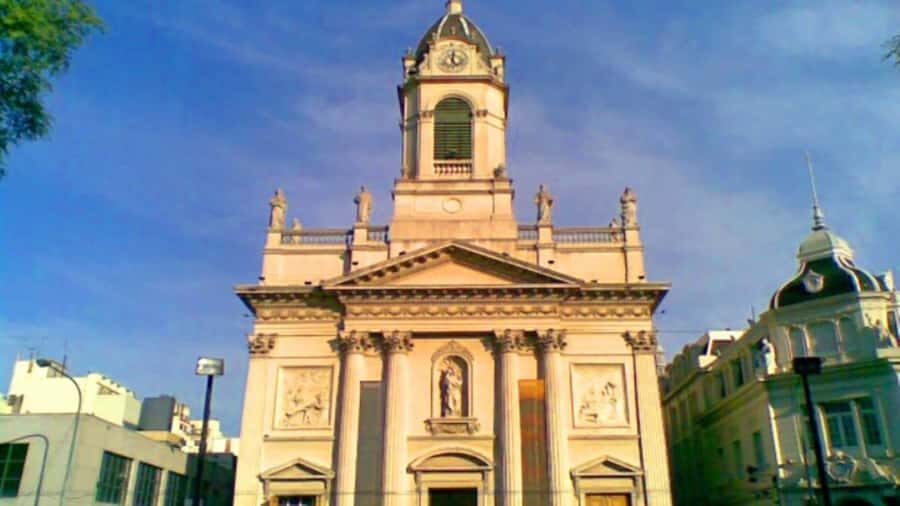
I’d book it if you want a guided, compact experience that connects Pope Francis to real Buenos Aires places—especially if Flores, Montserrat, and Plaza de Mayo are on your list anyway. The best part is how the tour treats the sites like chapters, not random photo stops, and how guides such as Pablo are praised for explaining the everyday side of his life, not just the headline moments.
Skip or reconsider if you only care about one or two famous landmarks, need strict accessibility certainty, or dislike schedule changes tied to religious sites. If those caveats don’t bother you, this is an efficient and meaningful way to understand Jorge Bergoglio’s path while still getting a feel for the city around him.
FAQ
Where is the meeting point?
You meet at Defensa 831, San Telmo, Buenos Aires.
What time does the tour start, and how long is it?
It starts at 10:00 am and runs for 3 hours.
What languages are available for the guide?
The live guide is available in Spanish, English, and Portuguese.
How many people are in the group?
The tour has a maximum of 15 travelers.
What’s included, and what isn’t?
Included: transfers throughout the tour and a guided tour. Not included: food and beverages, and hotel pick-up and drop off.
What should I bring, and can I bring luggage?
Bring passport or ID card and comfortable shoes. Luggage or large bags are not allowed.
Is the tour wheelchair accessible?
The provided information includes conflicting accessibility notes. It mentions wheelchair accessibility, but it also states the activity is not wheelchair accessible. It’s smart to confirm directly before booking.
What is the free-cancellation window?
You can cancel up to 24 hours in advance for a full refund.