REVIEW · BUENOS AIRES
Buenos Aires: Panoramic Bus Tour
Book on GetYourGuide →Operated by Providence Viajes · Bookable on GetYourGuide
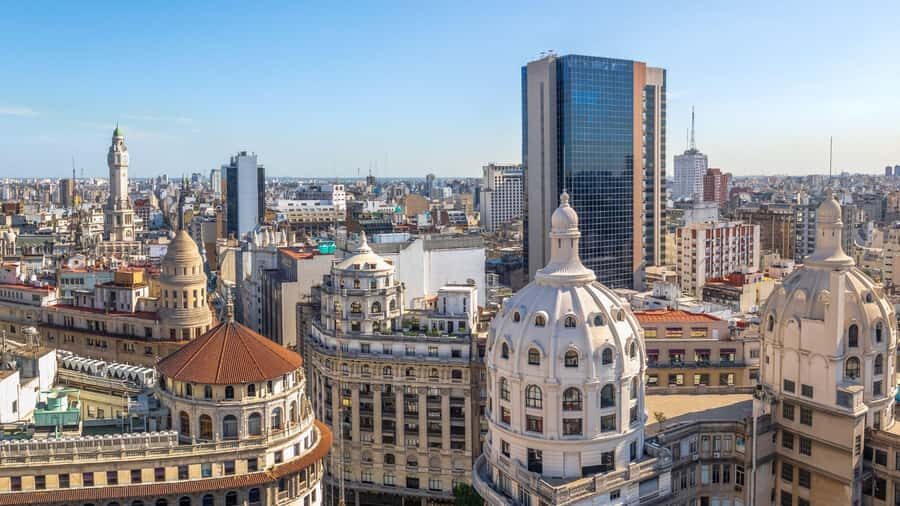
Three hours, and you see Buenos Aires fast. This panoramic bus tour is a practical way to get oriented, with a bilingual guide connecting neighborhoods you’ll hear about for years. You’ll catch big skyline views like the Colón Theatre and the Obelisk, then jump out for photos at Plaza de Mayo and Caminito.
I love how quickly it builds context. You’re not just looking at streets; you get the story behind the names—immigrants, politics, tango culture, and modern waterfront changes—set across the city’s oldest and newest areas.
One heads-up: the route is timed. You’re on a fixed schedule with limited photo windows, and on the bus you may share space with a larger group, so if you like to wander at your own pace, this may feel a little tight.
In This Review
- Key things I’d pay attention to
- A 3-hour panoramic overview that fits a tight schedule
- San Nicolás and Monserrat: Plaza de Mayo and the city’s political core
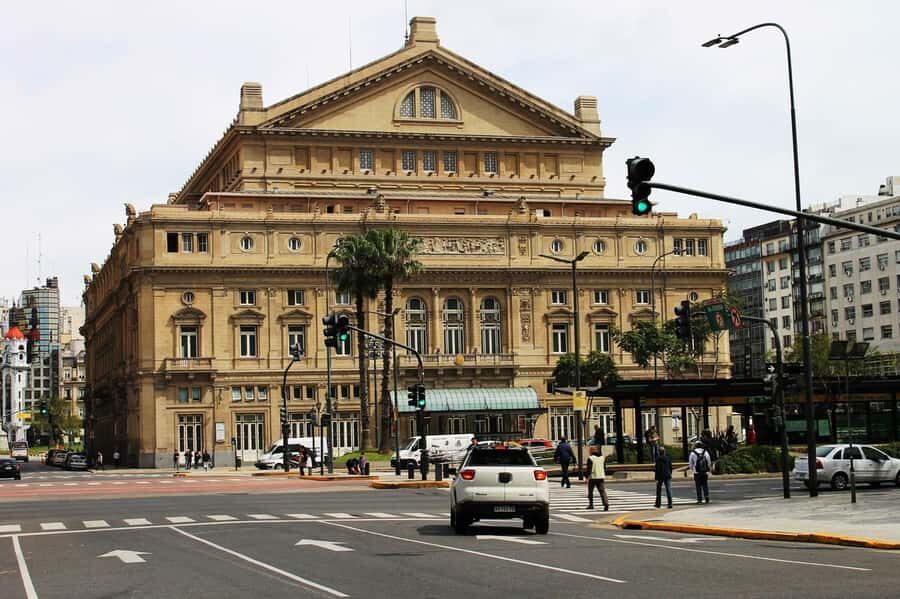
- The Obelisk and Colón Theatre views from the bus window
- San Telmo: cobblestones, Casco Histórico energy, and tango rooms
- La Boca: Caminito, the tenements, and why the colors matter
- Puerto Madero: modern waterfront contrasts and the Puente de la Mujer
- Retiro and Palermo: from the immigrant-era hub to big-city parks and museums
- Recoleta: elegant streets, famous cemetery, and postcard-style landmarks
- Timing and logistics: photo windows and waiting time on a fixed route
- Price and value: what $55 gets you in Buenos Aires
- Who should book this bus tour
- Should you book? My quick decision guide
- FAQ
- How long is the Buenos Aires Panoramic Bus Tour?
- How much does the tour cost?
- What photo stops are included?
- Will I have a guide, and what languages are offered?
- Where do pickup and meeting happen?
- If I’m not staying at a hotel, what happens?
- What should I bring with me?
- Is this tour flexible if I decide to change plans?
- Is the tour suitable for people with mobility impairments?
Key things I’d pay attention to
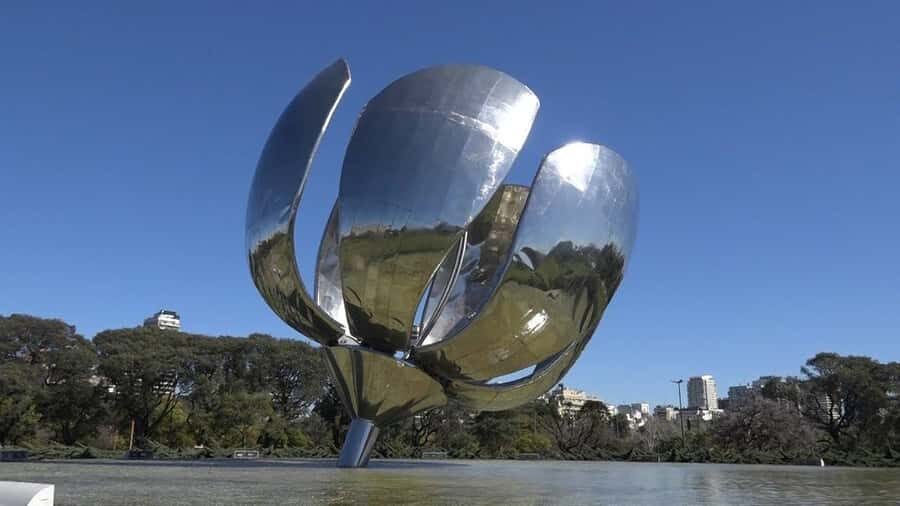
- Panoramic photo views of major landmarks like the Obelisk and Colón Theatre without walking miles
- Two key photo stops: Plaza de Mayo and Caminito, timed into a 3-hour loop
- Neighborhood focus, not random stops, covering Palermo, Recoleta, San Telmo, La Boca, Puerto Madero, and more
- A bilingual, guide-led story, so you understand what you’re seeing as you go
- A mix of modern and oldest areas, from historic Monserrat to sleek Puerto Madero
A 3-hour panoramic overview that fits a tight schedule
If your Buenos Aires days are numbered, this tour is the “get your bearings fast” option. The format is simple: a 3-hour panoramic bus ride with guided stops, plus photo breaks at the most camera-friendly moments.
You’ll start with pickup from your hotel or a nearby meeting spot, depending on what’s closest to you. After you book, the local partner sets the meeting location based on your accommodation, which is helpful when Buenos Aires streets can be a maze and you don’t want to waste your morning figuring out where to stand.
This tour works best as a first pass through the city. It doesn’t try to replace walking tours or museum days. Instead, it gives you a map in your head—what’s where, which neighborhoods feel historic versus modern, and how the city’s big landmarks connect.
You also get a certified professional guide speaking English, Portuguese, and Spanish. That matters because the neighborhoods you’ll drive through can look similar from a bus window, but the guide’s explanations help you tell them apart.
Other Buenos Aires tours we've reviewed in Buenos Aires


San Nicolás and Monserrat: Plaza de Mayo and the city’s political core
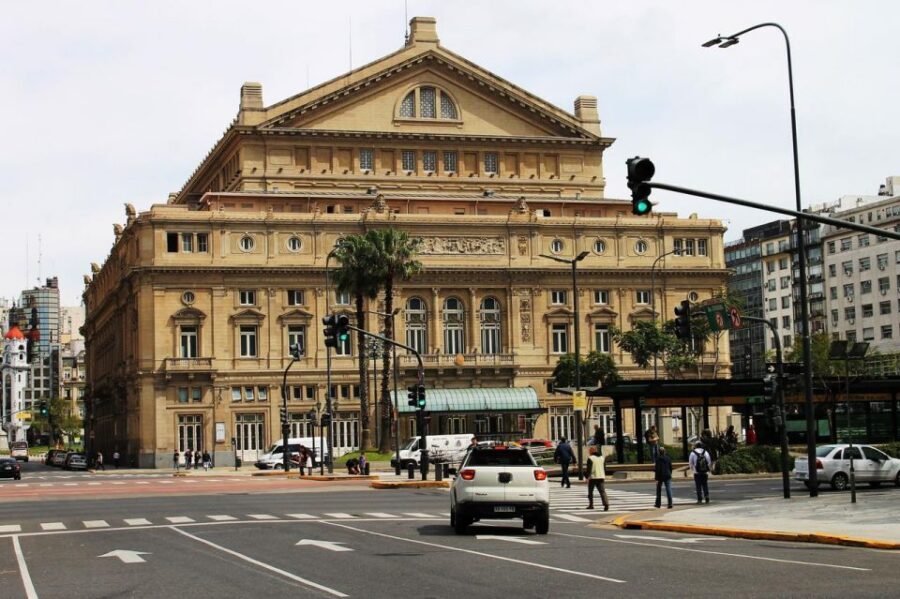
The route begins in San Nicolás, one of the central areas where the city’s official and cultural life concentrates. From the bus, you’ll pass key highlights like the Obelisk area, the Colón Theatre, and Corrientes Avenue, known for its constant theatre and dining scene.
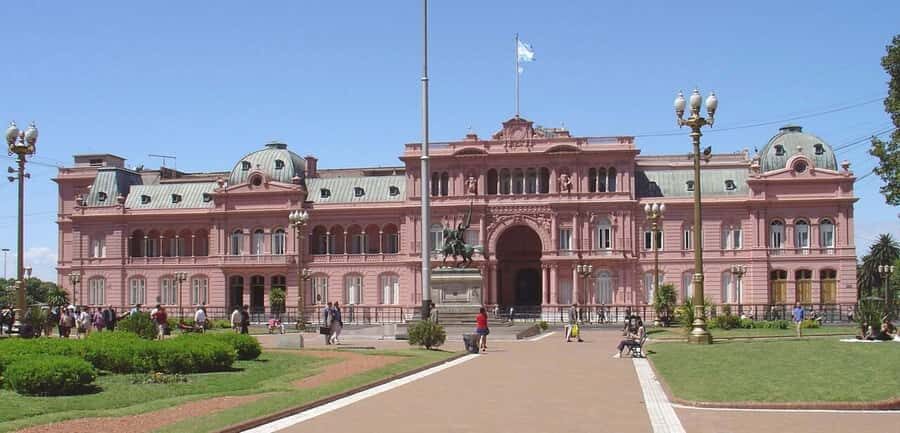
Then you move into Monserrat, which is Buenos Aires at its most historical. This is the neighborhood tied to the earliest Spanish settlement patterns, and it’s where you feel the city’s “old heart.” The guide leads you through the area while setting up why places like Casa Rosada and the Cathedral matter so much.
You also get a photo stop at Plaza de Mayo, one of the city’s most important public squares. Even if you’re not the type who cares about politics, this is one of those squares that helps you understand how Buenos Aires sees itself. It’s a natural place for photos because you’ll be framed against monumental architecture and an open civic space.
Timing is the main tradeoff here. The tour gives you just enough time to see and photograph—then it keeps moving. If you want long conversations in a plaza or extended walking, you’ll likely want to return later on your own.
The Obelisk and Colón Theatre views from the bus window
The big landmarks are built into the route, so you don’t have to hunt them down. The panoramic bus gives you elevated, wide-angle views that are ideal for first-day photos—especially for the Obelisk and the Colón Theatre zone.
This is a smart approach because getting these views at ground level can be crowded and slow, particularly near major squares and theatre areas. From the bus, you get a clean look, then the guide ties the building names to the city’s timeline.
You’ll also finish around the Obelisco area, which feels like a nice visual close to the loop. By then, you’ve already seen the historic core in Monserrat, the older lanes of San Telmo, the color and identity of La Boca, and the sleek contrast of Puerto Madero. Ending here helps everything click—Buenos Aires goes from old to new, and it all funnels back toward the center.
San Telmo: cobblestones, Casco Histórico energy, and tango rooms
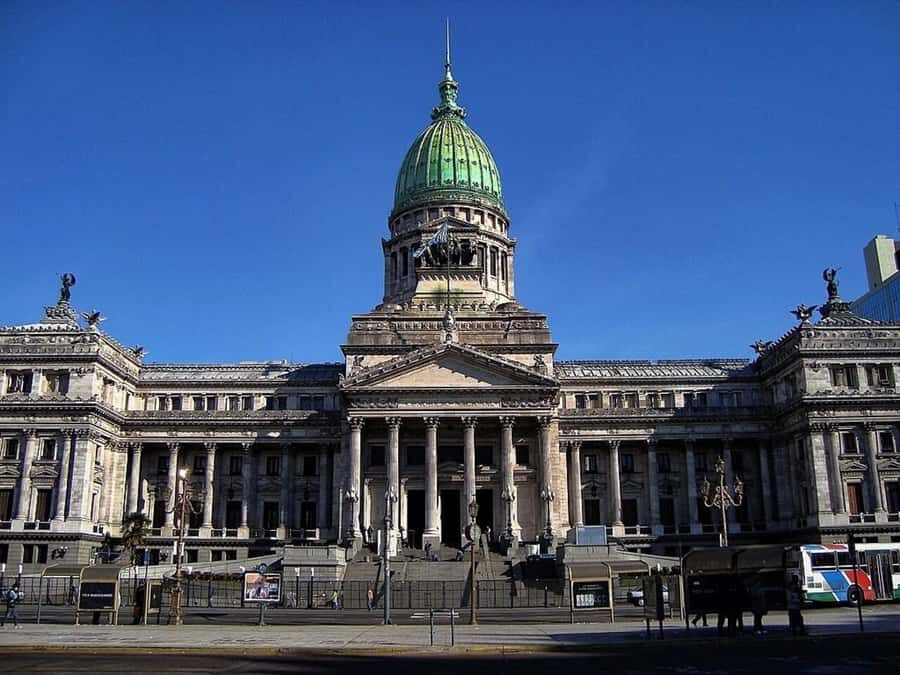
Next up is San Telmo, one of the city’s oldest and most traditional neighborhoods. This is where Buenos Aires leans into its identity: historic streets, preserved architecture, and plenty of places connected to tango culture.
As you pass through, you’ll learn what makes this area different from the more official-feeling zones. The Casco Histórico is the big idea here: older blocks, walking-friendly streets, and a feel that’s less about offices or monuments and more about character.
The tour also includes specific points in this section, including Defensa Street, Lezama Park, and Casa Mínima. These are the kinds of named spots you’d miss if you were just driving around or taking selfies in the wrong places. With a guide, you start connecting the dots between what you see and what the neighborhood represents.
One practical note: San Telmo can be a place you want to extend on your own after the tour. If you’re curious about tango venues or just want more time in older streets, treat this bus tour as your warm-up, not the finish line.
La Boca: Caminito, the tenements, and why the colors matter
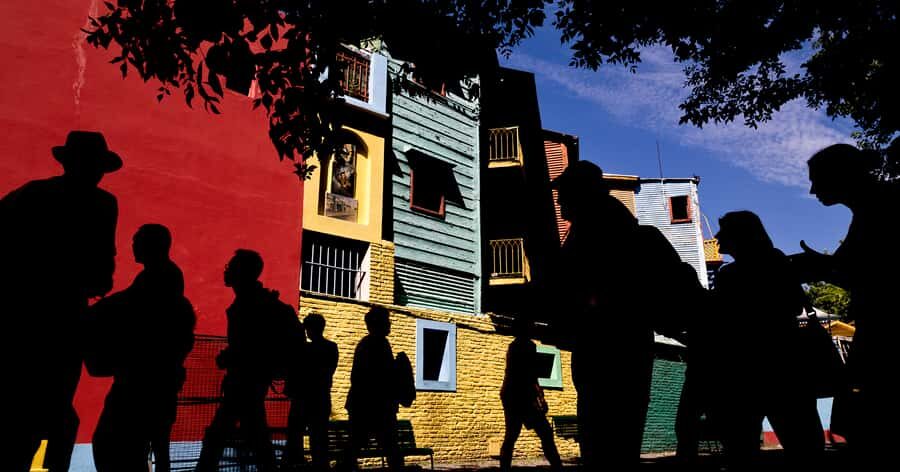
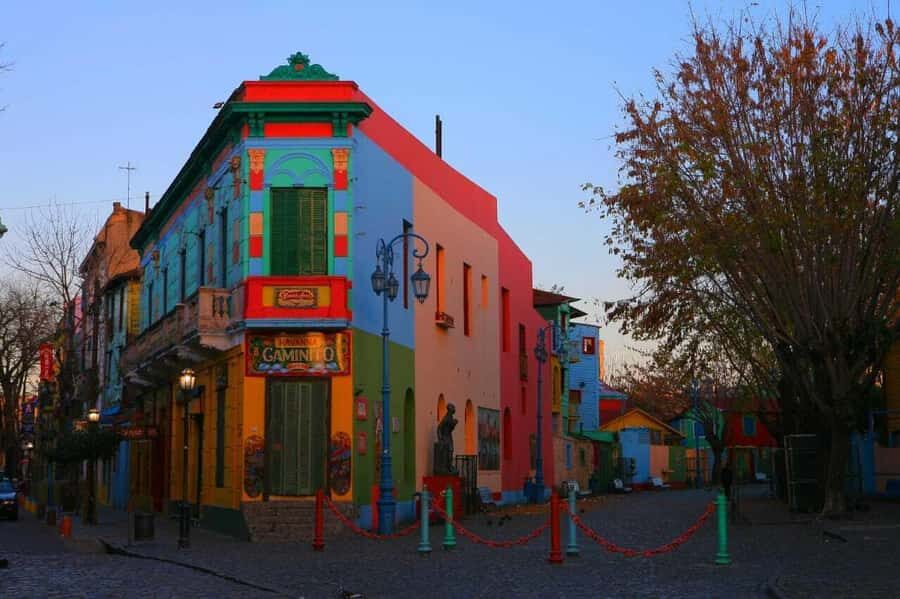
La Boca is the emotional center of this route for many people, and it gets built in properly. You’ll stop in and around Caminito for photos, and then you’ll spend guided time walking through the neighborhood’s signature atmosphere.
This neighborhood is famous for the story behind the look. The immigrants who settled here worked with the city’s port-related economy and built homes using whatever materials were available—often wood and sheet metal—and asked for leftover paint from the shipyards to color the walls. That detail matters. It’s not only art-for-art’s-sake; it’s a history of adaptation and pride.
You’ll also hear about the local passion for Boca Juniors, and you’ll get a sense of how football identity can shape neighborhood life. The tour experience here is more than scenery—it’s about understanding why the area feels the way it does, not just photographing the street.
Caminito is the headline stop, but the value is in the walk between the key points. You get enough time for photos and orientation without spending your whole day here. If you end up wanting more—tango music, more local color, or longer wandering—La Boca is one of the best places to plan an extra afternoon.



Puerto Madero: modern waterfront contrasts and the Puente de la Mujer
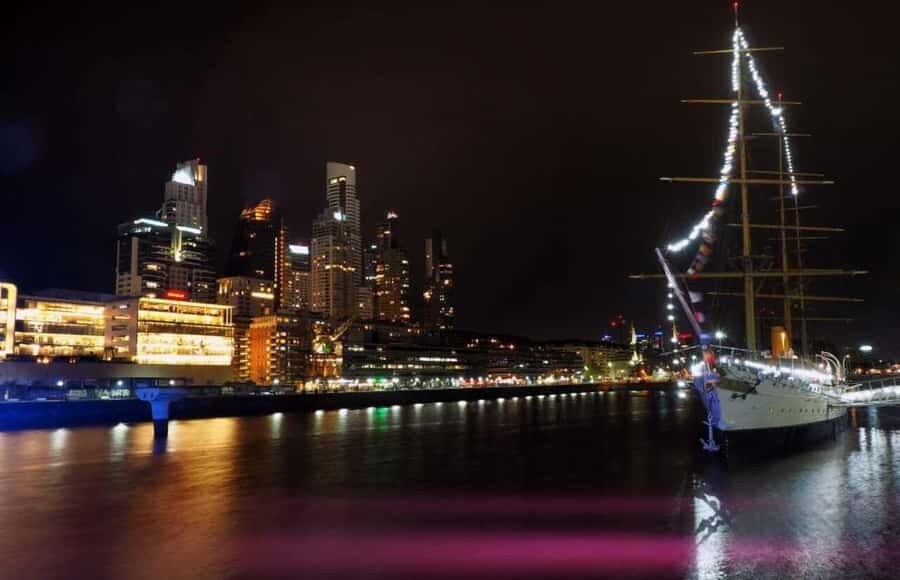
After the older neighborhoods, Puerto Madero gives you a clear visual contrast. This area is described as modern, and it shows: the waterfront feels designed for views, photos, and a more contemporary Buenos Aires pace.
You’ll learn about the theme of the neighborhood as well—Puerto Madero pays tribute to prominent Argentine women in its public messaging and commemorations. That cultural framing helps you see beyond the pretty promenade.
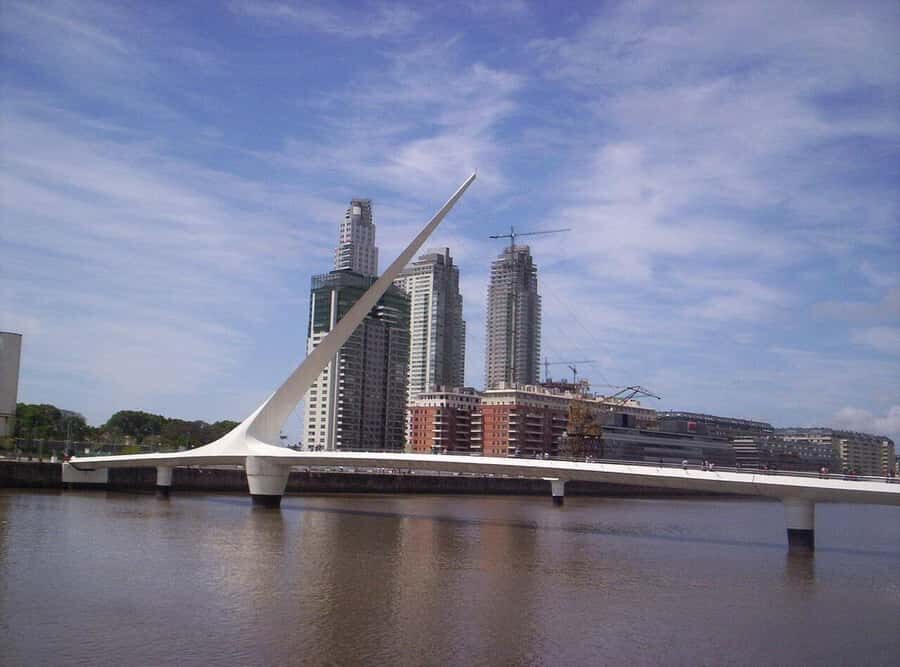
Key highlights you’ll cover include the Puente de la Mujer (Women’s Bridge), the Costanera Sur Ecological Reserve, and the Tango Monument. Even if you’re not planning to do a deep walk along the entire waterfront, these stops give you a mental picture of what Puerto Madero is best at: blending leisure space with public art and symbolic landmarks.
This is also a good moment in the tour to slow your pace mentally. By now, you’ve got a lot of neighborhoods in your head. Puerto Madero helps reset the tone—modern, open, and visually clean.
Retiro and Palermo: from the immigrant-era hub to big-city parks and museums
The itinerary loops back into the city’s “major systems” areas, and two of the strongest chapters are Retiro and Palermo.
In Retiro, you’ll get a sense of how Buenos Aires functioned as an arrival point. Retiro is tied to the gateway for millions of immigrants between the 19th and 20th centuries. The guide points out attractions like Plaza San Martín, the pedestrian Florida street, the train station, and the Monumental Tower. The effect is that you start seeing the city as infrastructure, not only architecture.
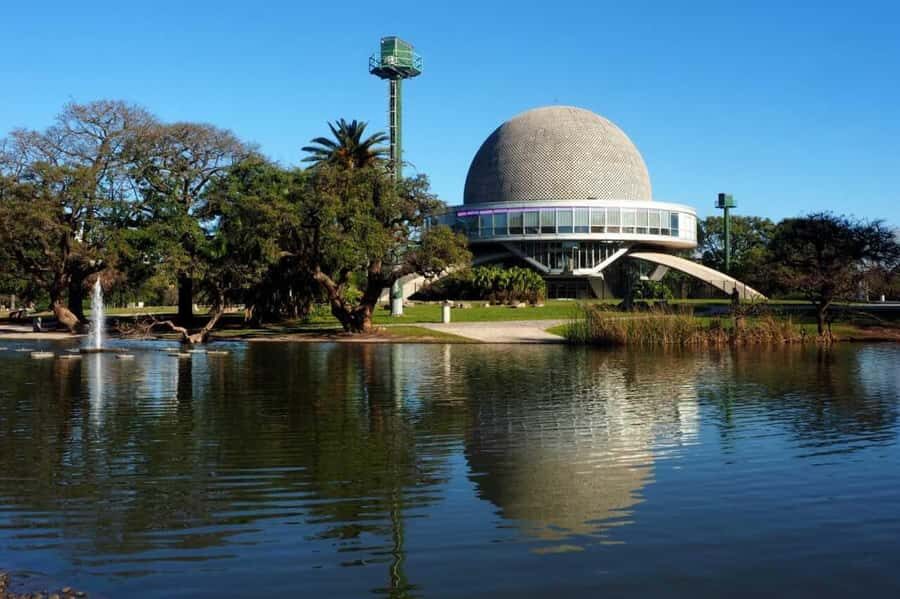
Then comes Palermo, the largest neighborhood in the city. This is where Buenos Aires shifts toward parks, museums, and large-scale city life. You’ll be able to see areas like Los Bosques de Palermo, the Galileo Galilei Planetarium, and Plaza Italia.
The tour also highlights major cultural institutions and landmarks such as Malba (Latin American Art Museum) and the Hippodrome. You won’t be spending hours inside during this bus tour, but you’ll leave with enough names and visual anchors to decide what’s worth a return visit.
If you like cities with variety, Palermo is one of the strongest areas to follow up after this tour. Think of it as your shopping list for later.
Recoleta: elegant streets, famous cemetery, and postcard-style landmarks
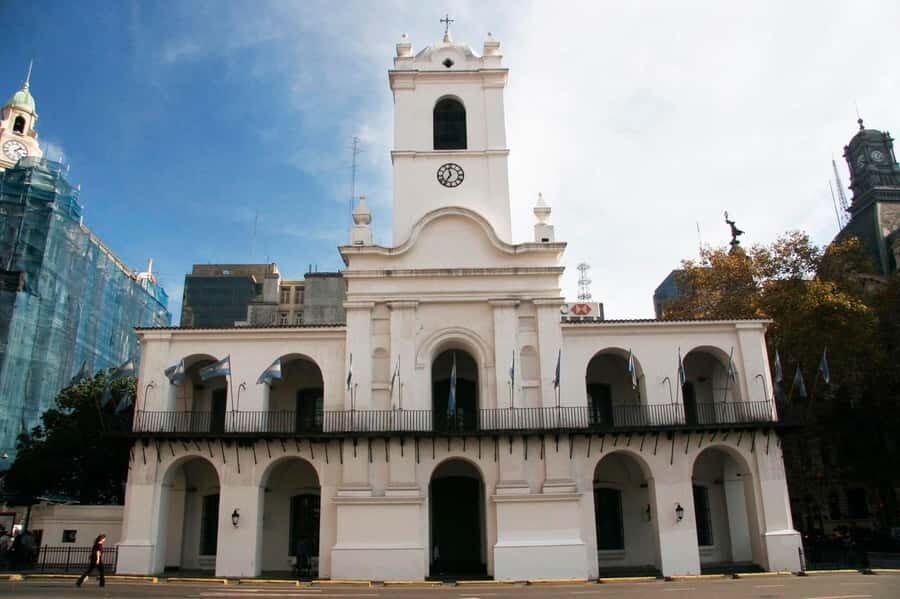
Recoleta is where Buenos Aires becomes instantly recognizable for many people. The tour brings you through Recoleta, described as one of the city’s more elegant neighborhoods, and you’ll get a close look at the sights that people come to photograph and revisit.
The big draw you’ll hear about is the Recoleta Cemetery, where famous people are buried. Even if you’re not entering the cemetery, just seeing the neighborhood approach helps you understand why Recoleta is often linked with prestige and long-standing local prominence.
Other places along the way include the National Museum of Fine Arts, Carlos Thays Park, and the renowned law school. This combination—museum culture, green space, and institutional buildings—gives Recoleta a layered feel.
Recoleta is also a good place to connect the tour’s theme: old and new living side by side. You can see how this city can be both historic and modern in the same day, because these neighborhoods aren’t isolated sections; they knit together in a single urban system.
Timing and logistics: photo windows and waiting time on a fixed route
Here’s the part that can make or break your experience: the tight schedule. This is not a hop-on, hop-off format with full flexibility. The route is set, the stops are timed, and the group moves together.
That means if a bus stop is busy or if you lose track of time for photos at Plaza de Mayo or Caminito, you might feel the pressure to keep up. Also, on a guided bus tour with a larger group (it can be around 30 people depending on the run), you’re waiting for the whole group to gather again before moving on.
The upside is that you get structure. You won’t spend your day commuting randomly or forgetting where you wanted to go. But if you hate that kind of pacing, you’ll want to plan a separate self-guided day for your favorite neighborhood afterward.
My practical tip: use the guide time for orientation, then reserve your most important wandering for later. You’ll enjoy the city more that way, and you won’t feel rushed twice.
Price and value: what $55 gets you in Buenos Aires
At $55 per person for about 3 hours, the value comes from what’s bundled in. You get hotel or nearby-area pickup, a certified professional guide, and two major photo stops that anchor the historic core and La Boca’s signature look.
The tour also saves energy. Buenos Aires distances add up, and independent planning means you either pay for transport constantly or risk spending too much time getting from neighborhood to neighborhood. Here, you’re doing a smart tour loop in a short window.
Is it worth it? If you’re in town for a limited time and you want a reliable orientation sweep, yes. If you already know Buenos Aires well and only want one deep focus neighborhood, you might decide you’d rather spend your time walking and exploring on your own. But for a first pass, this price-to-time ratio is sensible.
Who should book this bus tour
I’d recommend this tour if you:
- want an efficient introduction to multiple neighborhoods in a short window
- like guided storytelling tied to landmarks and street scenes
- want photo stops at Plaza de Mayo and Caminito without figuring out logistics
It’s also a good match for people who prefer staying on the bus between areas. There is walking involved around La Boca, but the overall format is designed to keep you moving without long hikes.
If you have mobility limitations, note that the tour is listed as not suitable for people with mobility impairments. And if you’re the type who wants to linger for long periods in every square and street, you may find the fixed timing restrictive.
Should you book? My quick decision guide
Book it if you want a guided overview that connects the dots between Buenos Aires’ historic center, tango-linked neighborhoods, and modern contrasts like Puerto Madero. This tour is especially good on your first or second day, when you’re building your personal map.
Skip it or plan differently if you want maximum freedom to wander at your own pace. The route is structured, and the photo windows are limited. In that case, use the tour only if you see it as orientation, then follow up with self-guided time where you felt the strongest pull.
FAQ
How long is the Buenos Aires Panoramic Bus Tour?
The tour lasts approximately 3 hours.
How much does the tour cost?
The price is listed as $55 per person.
What photo stops are included?
You’ll have photo stops at Plaza de Mayo (Monserrat) and Caminito (La Boca).
Will I have a guide, and what languages are offered?
Yes. The tour includes a live guide, with English, Portuguese, and Spanish options.
Where do pickup and meeting happen?
Pickup is available from your hotel or a selected meeting point. The local partner determines the closest meeting location based on your hotel after booking.
If I’m not staying at a hotel, what happens?
If your pickup location is not a hotel, pickup may be changed to a nearby hotel location. If you’re outside the pickup area, you should choose the meeting point option.
What should I bring with me?
Bring a passport or ID card. A copy is accepted.
Is this tour flexible if I decide to change plans?
It offers free cancellation up to 24 hours in advance for a full refund, and it also offers a reserve now & pay later option.
Is the tour suitable for people with mobility impairments?
No, it is not listed as suitable for people with mobility impairments.
If you want, tell me your travel dates and where you’ll be staying (neighborhood or closest landmark). I’ll suggest the best day to slot this tour in and which neighborhood to return to afterward for the most payoff.