REVIEW · BUENOS AIRES
Buenos Aires: San Telmo, History, Bars, and Tango!
Book on GetYourGuide →Operated by daddiescuriosos · Bookable on GetYourGuide
San Telmo tells stories on every corner. This tour is a focused walk through Argentina’s oldest neighborhood, mixing tango culture with bar stops and photo-worthy landmarks like the Mafalda statue. You’ll follow the neighborhood’s clues street by street, from old church façades to market architecture that points to Buenos Aires’s wider European links.
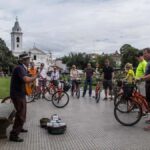
I really like two things here. First, the small group (max 6) keeps the pace calm enough to actually hear the details. Second, Miguel’s explanations make the tango side feel practical, including the difference between tanguerias and milongas, plus the comic references you’ll see along the way.
One thing to consider: you’re doing a proper walking tour. It’s not suitable for wheelchair users or people with mobility impairments, so bring comfortable shoes and plan for a steady stroll.
In This Review
- Key things to know before you go
- San Telmo in 150 Minutes: Why This Walk Feels Worth It
- Meeting at Santo Domingo: Starting Where the Neighborhood Shows Its Age
- Otto Wulff to Mafalda: Learning the Street Before You Photograph It
- Convento Santo Domingo and the Basilica: Church Architecture as a Buenos Aires Clue
- Tango Spots on Foot: From Tango Venues to the Narrowest House Moments
- Defensa Street Antiques: Dorrego Plaza and the Market Built by Gustave Eiffel
- Churches and Correctional History: Parroquia de San Pedro González Telmo and the Women’s Jail Museum
- Lezama Park and the Russian Orthodox Church Domes: Buenos Aires as a Global Meeting Point
- National Historical Museum Finish and a Final Bar Stop at Nápoles
- Miguel’s Guide Style: How the Details Make the Neighborhood Click
- What to Bring and How to Plan Your Afternoon
- Who This Tour Is Best For
- Should You Book This San Telmo Walking Tour?
- FAQ
- Where does the tour start and where does it finish?
- How long is the tour?
- What’s included besides the walking?
- What language is the guide?
- What should I bring?
- Is this tour suitable for wheelchair users or limited mobility?
Key things to know before you go
- Miguel leads the walk in Spanish and still makes the info clear for non-native speakers, based on past guests’ feedback.
- Max 6 people means questions don’t get swallowed by the group.
- 150 minutes with a short restroom pause keeps it moving without feeling rushed.
- You’ll combine landmarks and nightlife by mixing tango spots with historic bars, especially Bar Nápoles.
- San Telmo Market and Plaza Dorrego are built into the route for easy photo stops and context.
- It’s not for limited mobility, since some areas may not be accessible.
San Telmo in 150 Minutes: Why This Walk Feels Worth It
If you only have a little time in Buenos Aires, San Telmo is where you can pick up the neighborhood’s logic fast. This tour runs about 150 minutes, and it’s built around the streets you’d otherwise wander without fully understanding what you’re looking at.
At $20 per person, the value comes from two parts. You get a guided route that links landmarks (church, market, park, museum) to the neighborhood’s identity. And you also get structured stops at bars and tango-related spots, which is the fun part most standard history-only walks skip.
The small group size (limited to 6) matters more than you might think. In a crowded group, it’s easy to fall behind, or miss the bits of context that make a photo feel meaningful. Here, you can keep up and still listen. Expect comfortable walking shoes, water, and sunscreen. This is Buenos Aires on foot, so your feet and hydration are the real “must-pack” items.
One practical tip: because the guide communicates in Spanish, you’ll want to be ready to follow along. Good news: Miguel’s explanations have been praised for clarity even when guests weren’t native speakers.
Other Buenos Aires tours we've reviewed in Buenos Aires

Meeting at Santo Domingo: Starting Where the Neighborhood Shows Its Age
You’ll meet next to the Santo Domingo Convent (Convento Santo Domingo). That’s a smart starting point because it anchors you in one of the area’s most recognizable religious sites early, before you get pulled into markets, parks, and street details.
The official start is listed at Avenida Belgrano & Defensa, and you’ll begin your walk from there. From a planning point of view, this helps if you’re arriving by foot or nearby transit. The key thing is to show up close to the Santo Domingo area, so you’re not trying to catch a moving group.
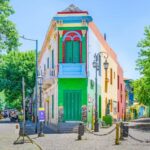
Once you’re gathered, the guide starts with a short photo stop and orientation, including the Otto Wulff building. This is the kind of early moment that saves you time later: you start learning what to look for before you’re moving constantly.
Otto Wulff to Mafalda: Learning the Street Before You Photograph It
The Otto Wulff building is your first quick photo stop. Even if you’re not an architecture specialist, you’ll begin picking up patterns: how buildings face the street, how signage and façades communicate purpose, and how the neighborhood’s older layers still control the visual rhythm.
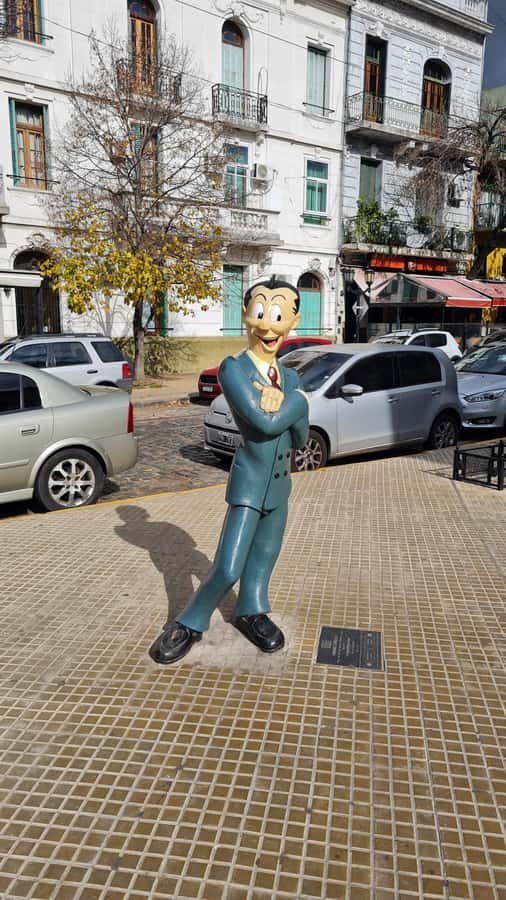
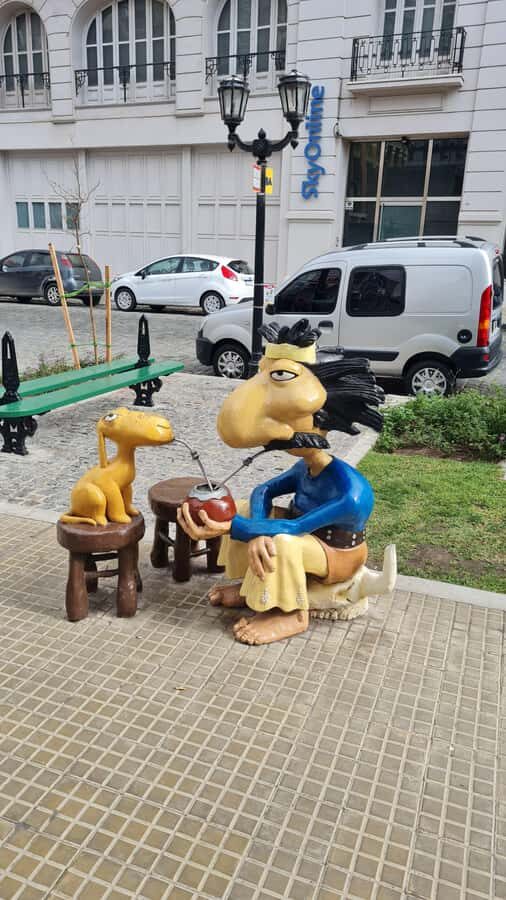
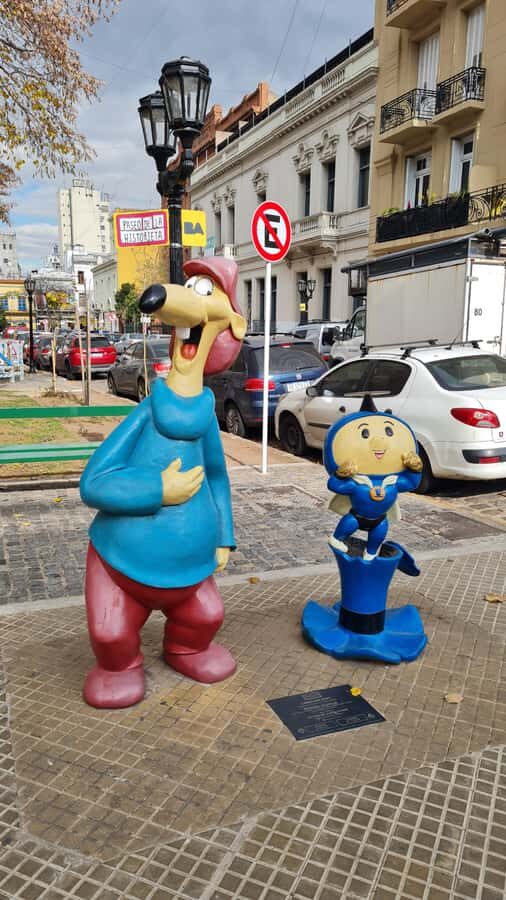
Then comes the Mafalda statue stop. This is a small moment, but it’s a big cultural shortcut. Mafalda is part of Argentina’s pop memory, and in San Telmo, street art and comic references act like a translation layer. You see a character, then you understand that Buenos Aires likes to talk about politics, daily life, and irony through art.
Why it works on a walking tour: you’re moving at human speed, so these stops don’t feel like checkpoints. They feel like “signposts,” and you’re learning what each one means.
Convento Santo Domingo and the Basilica: Church Architecture as a Buenos Aires Clue
Next on the route is Convento Santo Domingo and the Basílica Nuestra Señora del Rosario de la Defensa y Reconquista de Buenos Aires. This stop is more than a photo moment. It gives you a foundation for understanding how old neighborhoods in Buenos Aires were built around institutions—religious, civic, and community spaces.
When you look at this basilica area with a guide, you’ll get something you usually miss alone: the sense of location and time. The basilica’s presence helps explain why San Telmo feels like a place where the past isn’t distant. It’s right there, in stone and in street alignment.
Expect a guided visit and photo stop time built into the itinerary. That means you can look carefully without feeling like you’re rushing.
Tango Spots on Foot: From Tango Venues to the Narrowest House Moments
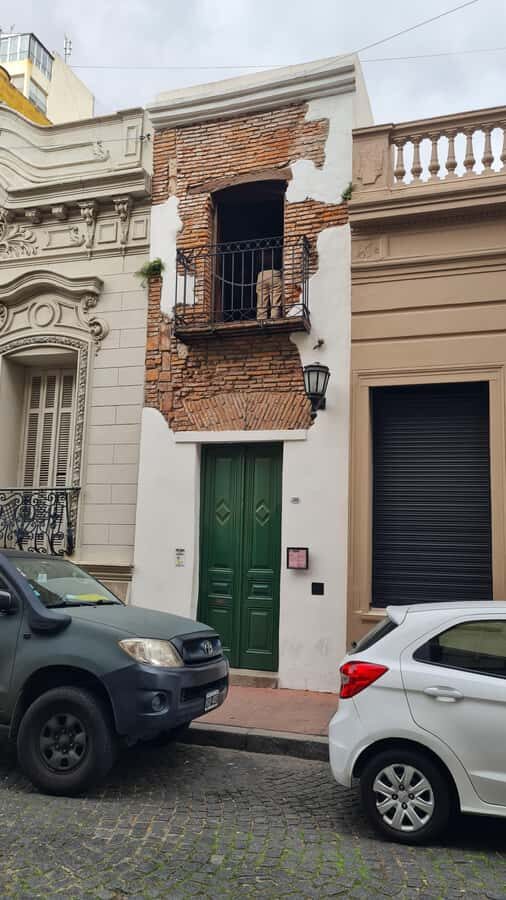
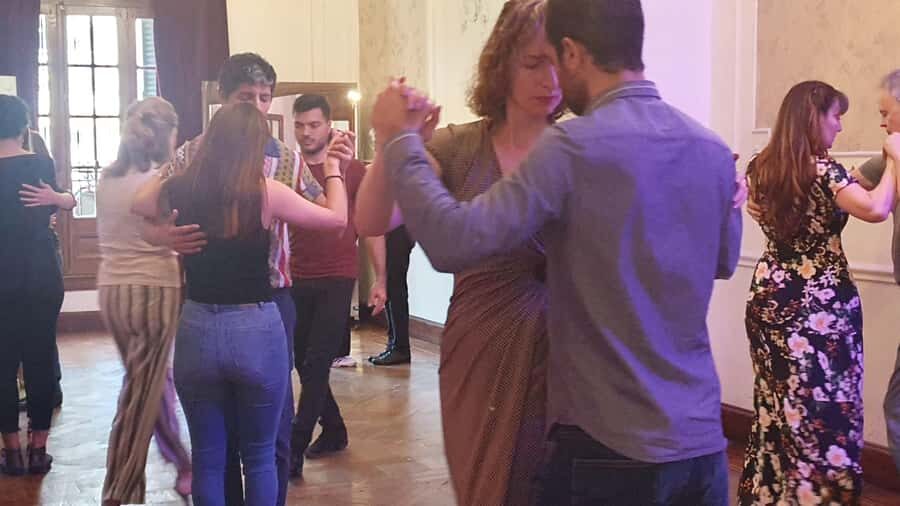
The tour isn’t just “tango facts.” You actually pass by tango-related spaces, including El Viejo Almacén Tango Cena Show Buenos Aires. That matters because tango in Buenos Aires isn’t only a stage performance. It’s a culture that lives in streets, venues, and nighttime rituals.
Along the way, you’ll also encounter the little weird-but-famous stuff that San Telmo is known for: the comic strip street, the entrance to the catacombs, and the narrowest house. These are the kinds of details that can sound random until someone connects them to neighborhood character.
Here’s where Miguel’s guidance tends to earn the highest marks. One of the tour’s praised themes is learning the difference between tanguerias and milongas. The practical value: you’ll know what you’re looking at when you wander later. You can spot the vibe, not just the venue name.
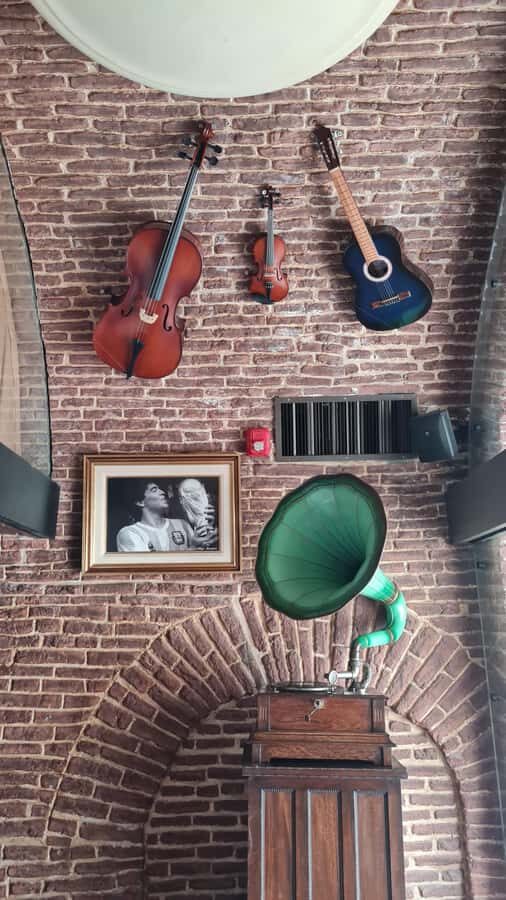
And yes, you’ll also see how the neighborhood transitions from daytime history into nighttime culture, including that bar-and-tango pairing that makes San Telmo feel like a full experience, not two separate trips.
Other tango shows we've reviewed in Buenos Aires



Defensa Street Antiques: Dorrego Plaza and the Market Built by Gustave Eiffel
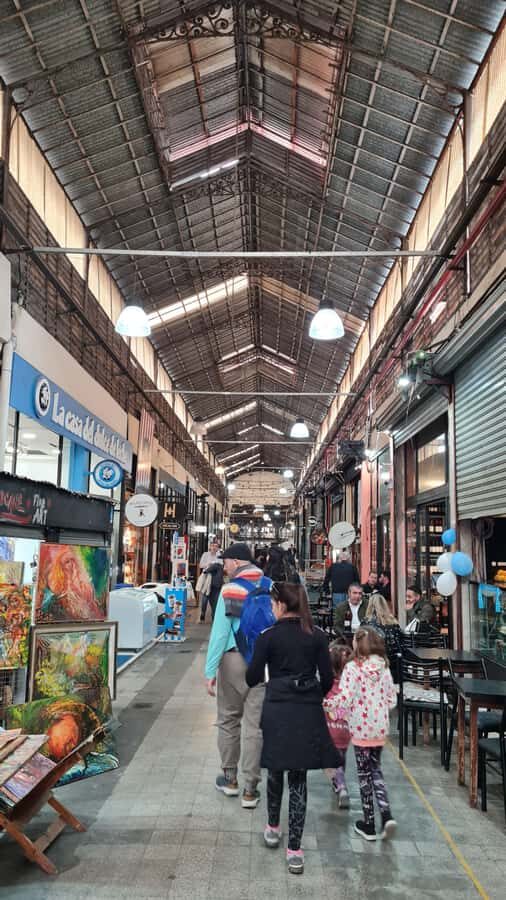
A big chunk of the route runs along Defensa Street. This is where the neighborhood’s “browse and wander” style becomes real. You’ll see antique shops and the kind of street-level retail that makes San Telmo more than just sightseeing.
Then you hit San Telmo Market. What makes this stop special is that it’s constructed by Gustave Eiffel, which ties the market’s story to a broader architectural influence. Even if you don’t geek out over engineering, that fact gives you context for the building’s presence and why it feels “designed,” not accidental.
Plaza Dorrego comes next for another photo stop and sightseeing time. This plaza is often a visual anchor for the area, and on a guided route you get the why behind it. You’re not only standing in a pretty square; you’re learning how the space fits into the daily flow of San Telmo.
If you like taking a quick break, this part of the tour is well paced. You’ll have time to look around and shop briefly without it turning into a forced shopping stop.
Churches and Correctional History: Parroquia de San Pedro González Telmo and the Women’s Jail Museum
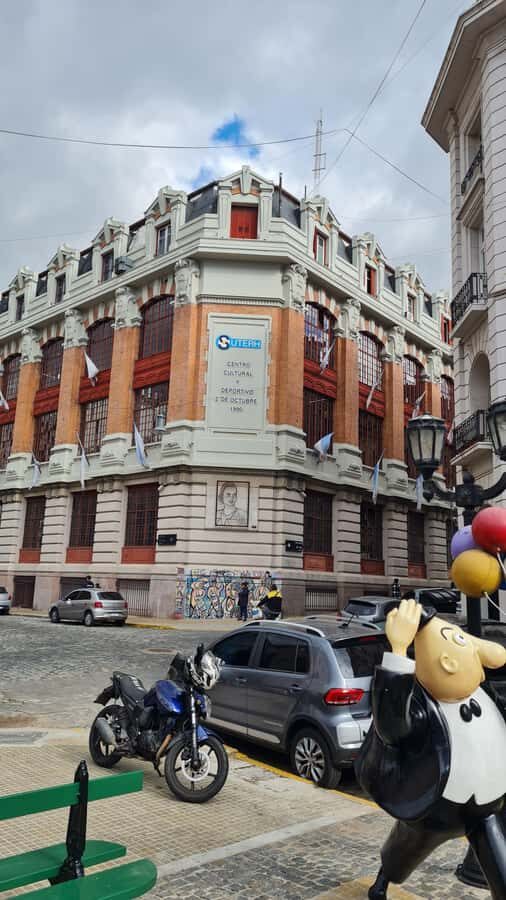
After the market and plaza, the tour slows just enough to focus on what these buildings represent. You’ll pass by the Parroquia de San Pedro González Telmo, which is another piece of San Telmo’s religious map.
Then comes a stop that’s not all postcard material: the Antigua Cárcel de mujeres San Telmo. It’s described as an ex penitenciaria Nacional and a museum. Visiting or passing by places like this changes how you read the neighborhood. You’re reminded that San Telmo’s history includes social systems, not just elegant façades and souvenir stalls.
Why it’s valuable on this specific tour: it balances the tango-and-bars fun with a human reality check. You finish the walk with more than “what to photograph.” You get a clearer sense of what kind of place this neighborhood has been for generations.
Lezama Park and the Russian Orthodox Church Domes: Buenos Aires as a Global Meeting Point
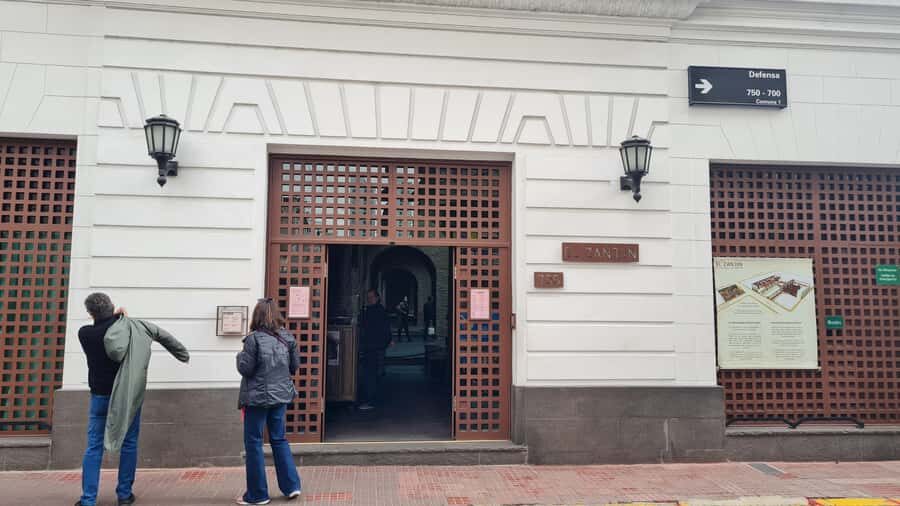
Parque Lezama is one of the most meaningful “sense-of-place” stops. It’s tied to Buenos Aires’s first founding site, and it features a monument. On this tour, you’re not just walking through a park. You’re stepping onto symbolic ground that helps explain why older Buenos Aires feels layered.
Then you’ll visit the Russian Orthodox Church of the Holy Trinity. The domes are the obvious visual hook, but the guided element is what turns it into more than a photo. It shows how different communities and influences landed in the city over time, and how San Telmo became one of the places where that mix is visible.
This pairing—old founding area plus an immigrant church—gives you a useful contrast. You see “origin” and “arrival” in the same afternoon.
National Historical Museum Finish and a Final Bar Stop at Nápoles
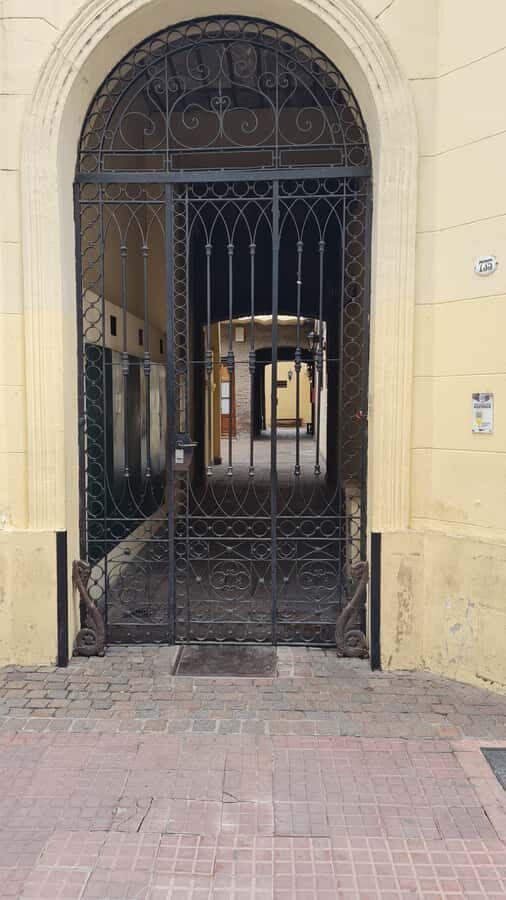
The tour ends with a finish at Nápoles, and you’ll also make a photo stop at the National Historical Museum, Buenos Aires along the way. If you’re the kind of person who likes to keep learning after a walking tour, the museum stop gives you a natural next step.
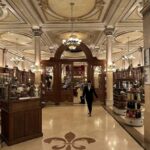
Then comes the bar payoff. The tour includes multiple bar stops, with a strong focus on Bar Nápoles and also historic pizzerias. The big idea is simple: in San Telmo, food and drinks are part of the cultural conversation, not just a break.
If you want to understand the neighborhood, you don’t just need a list of sights. You need the places locals likely return to—where the day fades into evening and tango culture feels normal.
Miguel’s Guide Style: How the Details Make the Neighborhood Click
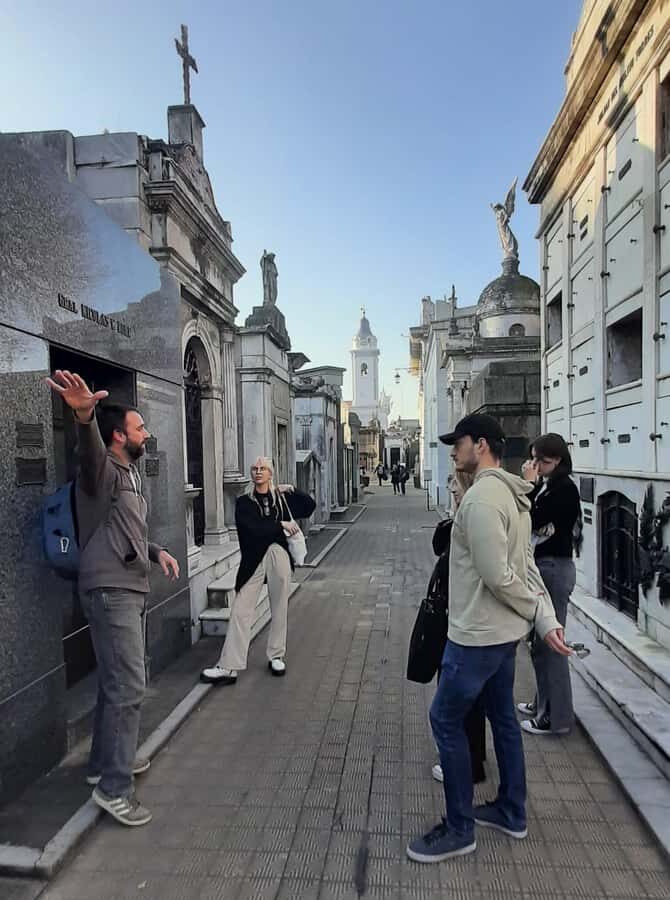
The consistent highlight in guest feedback is Miguel himself. People praise how well he explains San Telmo and how much you learn even if you’re new to Buenos Aires. The best part is that his info doesn’t feel like trivia dumping. It’s organized around what you’re seeing right now.
A few specifics that have been called out: he explains the difference between tanguerias and milongas, he covers notable comic references (like Mafalda), and he makes sure non-native Spanish speakers can follow along. That last point matters. It’s easy to lose confidence on a Spanish-led tour if the pace is too fast.
With Miguel, the tone seems to be: walk, look, learn, ask. And in a small group of 6, you’re more likely to get your questions answered without feeling like you’re interrupting.
What to Bring and How to Plan Your Afternoon
This is a walking-first experience. Bring comfortable shoes, water, sunscreen, and comfortable clothes. Buenos Aires sun can be strong, and you’ll be outside for long stretches.
Also note what the tour data says clearly: some areas may not be accessible for wheelchair users or those with mobility impairments. If that’s you, it’s better to look for an alternative that matches your pace and mobility needs.
Timing-wise, you’ll get a short restroom break (10 minutes). Build in the idea that this is a steady walk with small pauses, not a stop-every-corner museum day.
Who This Tour Is Best For
This tour fits well if you:
- Are in Buenos Aires for a short time and want the San Telmo storyline without getting lost
- Care about tango culture, not just tango as a show
- Like history mixed with everyday places like bars and markets
- Prefer smaller groups where the guide can actually connect the dots
It may be less ideal if you hate walking, have limited mobility, or want long indoor time.
Should You Book This San Telmo Walking Tour?
I’d book it if you want San Telmo in one clean package: old-world landmarks, comic and street details, tango context, and bar stops that feel like part of the neighborhood. The $20 price feels reasonable because you’re paying for a guide who connects the dots, not just someone who escorts you from point to point.
If you’re the type who likes to understand what you’re seeing (and not only collect photos), this tour is a strong fit. And if you’re arriving hungry for culture and a little nightlife, the final bar stop at Nápoles is a good way to close the loop.
FAQ
Where does the tour start and where does it finish?
The starting point is Avenida Belgrano & Defensa, and the meeting point is next to the Santo Domingo Convent. The tour finishes at Nápoles.
How long is the tour?
The tour lasts about 150 minutes, with a 10-minute pause for using the restroom.
What’s included besides the walking?
You get a two-hour guided walking tour with multiple photo stops and guided stops, plus several bar stops with special attention to Bar Nápoles and historic pizzerias.
What language is the guide?
The live tour guide speaks Spanish.
What should I bring?
Bring comfortable walking shoes, sunscreen, and water, plus comfortable clothes for walking outdoors.
Is this tour suitable for wheelchair users or limited mobility?
No. The tour is not suitable for people with mobility impairments or wheelchair users, since some areas may not be accessible.