REVIEW · BUENOS AIRES
From Buenos Aires: Estancia Don Silvano Tour with Lunch.
Book on GetYourGuide →Operated by Grupo Summa · Bookable on GetYourGuide
Some days you just want meat, music, and open countryside.
This Estancia Don Silvano Tour with Lunch takes you out of Buenos Aires Province to the gaucho-traditions area around Exaltación de la Cruz, where you’ll see how a working Argentine ranch is set up and how the ranch community celebrates itself. I really like the focus on Creole culture in a place with a real ranch identity, from the Victorian-style casco (the main house) to the demonstrations and dances.
Two highlights I’d put at the top: the Creole roast lunch (roast with salads and dessert) and the singing + folkloric dance show during the meal. One thing to consider before you go: the experience is very schedule-driven, and depending on the day you may find some ranch elements a bit light for the price, with more emphasis on food and performance than on hands-on activities.
In This Review
- Key things to know before you go
- The Silvano story: Italian roots, Irish land, Victorian casco
- From Buenos Aires to Exaltación de la Cruz: a full day with set timing
- Arrival ritual: empanadas, drinks, and the ranch welcome
- Ranch visit and guided tour: what you’ll actually look for
- The Creole roast lunch: the main event (and it’s a big one)
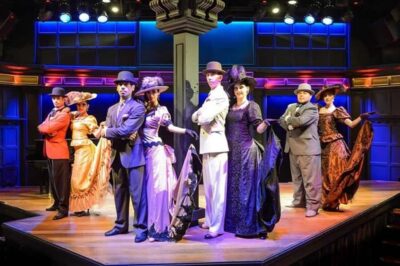
- Folk dance show and gaucho performance: expect tradition, not a nightclub
- Creole skill demonstrations and gaucho carriages: where photos and context meet
- Tea and local snacks: a sweet finish to the ranch pacing
- What the day feels like in practice: the pacing and expectations tradeoff
- Price and value check: is $165 a fair deal?
- Who should book this tour (and who should skip it)
- Should you book the Estancia Don Silvano Tour with Lunch?
- FAQ
- How long is the Estancia Don Silvano tour with lunch?
- Where does pickup happen in Buenos Aires?
- What do you get for lunch?
- Is there entertainment during the tour?
- What is included after the dance show?
- What is the tour’s meeting and drop-off pattern?
Key things to know before you go
- A ranch with Italian and Irish roots: the estancia traces back to Silvano’s Italian family and land connections to an Irish family (Lennon).
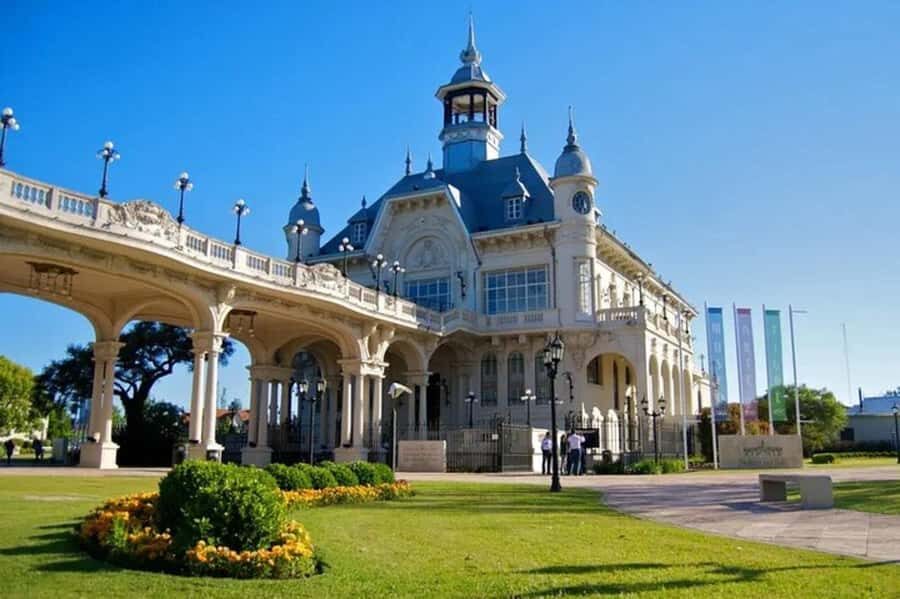
- Victorian-style casco from the 1930s: you’ll see the 1930 house that’s now the Ranch’s Casco.
- Creole roast lunch + dessert: expect a full, classic ranch-style meal, not a quick bite.
- Folk dance and singing while you eat: the entertainment is built into the lunch portion.
- Afternoon infusion and snacks: tea/infusion with cakes and a fried cake.
- Transport is a big chunk of the day: you’ll spend about 105 minutes each way in the van.
The Silvano story: Italian roots, Irish land, Victorian casco
The ranch background is half the charm here. Silvano, an Italian immigrant who arrived as a child, settled in the pampas region and grew his livelihood over time—first working in an employee store, then running his own general store. In 1940 he bought the land that became the basis of Estancia Don Silvano, and it’s connected to other immigrant stories too, including the Lennon family (Irish settlers known for coming to the area).
What I like is that the history isn’t presented as museum trivia. It’s tied to the ranch’s daily life and to the idea of hospitality. The ranch started welcoming friends, then turned into longer stays, and over generations it became a tradition that’s now in its 4th consecutive generation. You get that sense when the day moves through stops that feel designed to host you: welcome bites, a guided look around, lunch, then more ranch-style entertainment.
You’ll also notice the 1930s Victorian-style casona (Casco). It’s a specific detail, and it helps the place feel grounded in a particular era, not just generic “countryside decor.”
Other Buenos Aires tours we've reviewed in Buenos Aires



From Buenos Aires to Exaltación de la Cruz: a full day with set timing
This tour is built like a proper day trip. You’re picked up from central Buenos Aires hotel areas in one of five zones: San Telmo, San Nicolás, Puerto Madero, Recoleta, or Retiro. Then it’s a van ride of about 105 minutes out to the estancia.
That drive matters. If you’re the type who likes to freely wander at your own pace, this won’t be that kind of outing. It’s more like a planned ranch visit with smooth pacing: arrive, eat, watch, snack, return. You should treat the van ride as part of the experience rather than a necessary inconvenience, especially if you’re going for the countryside contrast.
On the back end, you’ll return to Buenos Aires and finish near Obelisco. In other words, you’re not doing multiple city stops late in the day. It’s a clean end point.
Arrival ritual: empanadas, drinks, and the ranch welcome
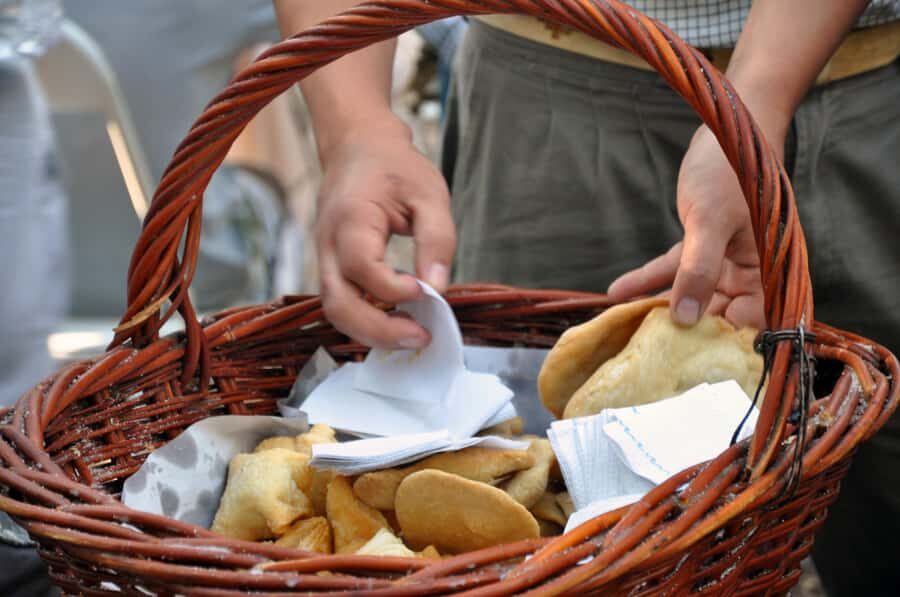
Once you reach the estancia, you start with the classic Argentine welcome: empanadas plus a choice of wine or water or soda. It’s a small touch, but it sets the tone fast. You’re not dropped into the ranch right before lunch like a checklist item; you’re greeted like a visitor being hosted.
I like how this welcome step smooths out the day. Empanadas help you settle in, and the drink choice makes it feel less rigid. If you’re sensitive to big meal timing, this also helps you arrive with a buffer so lunch doesn’t feel like it hits instantly.
Ranch visit and guided tour: what you’ll actually look for
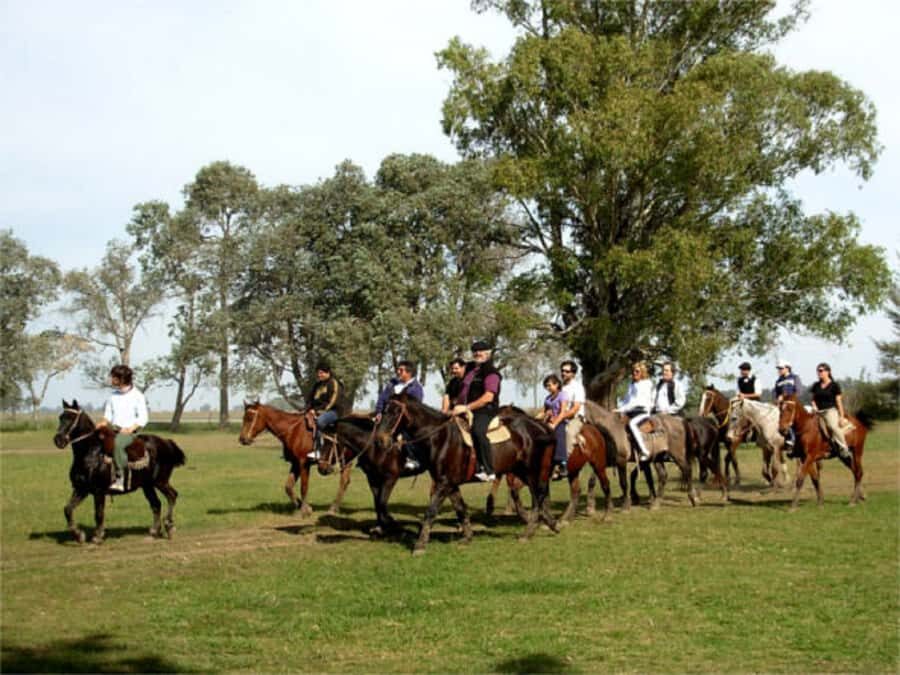
After the welcome, you do a guided visit to the estancia and its facilities. The highlights to watch for are the things that connect to gaucho life rather than modern farm tourism: ranch spaces, ranch operations, and the way the estancia presents its own traditions.
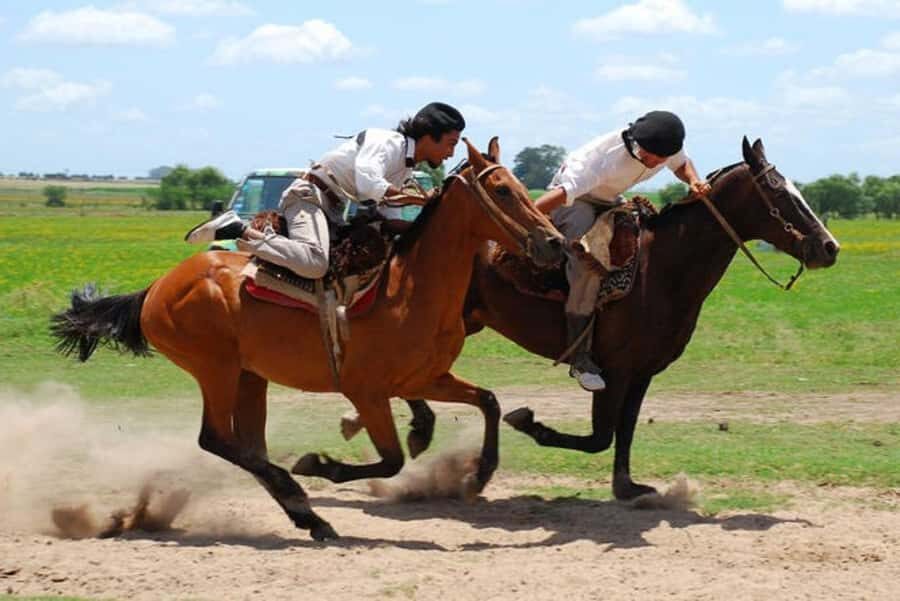
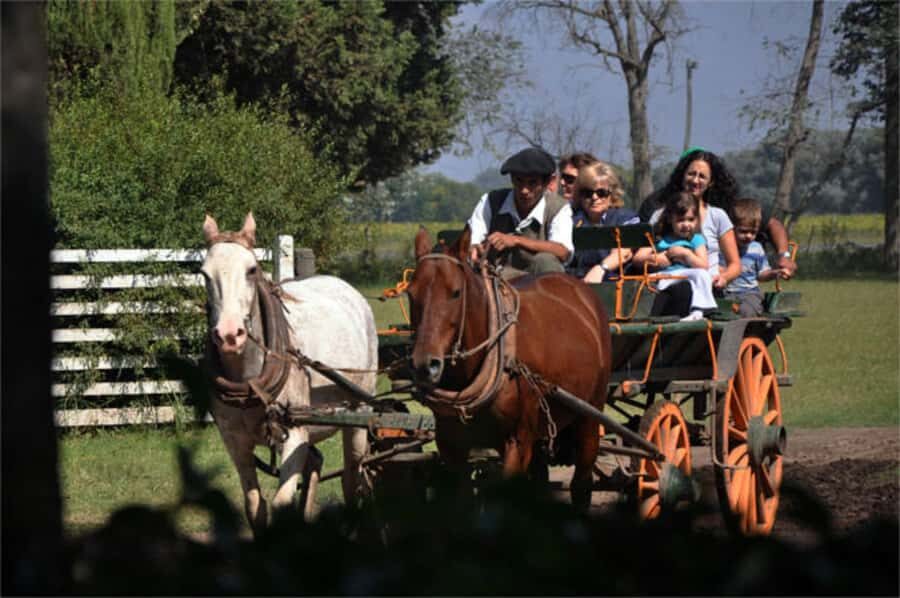
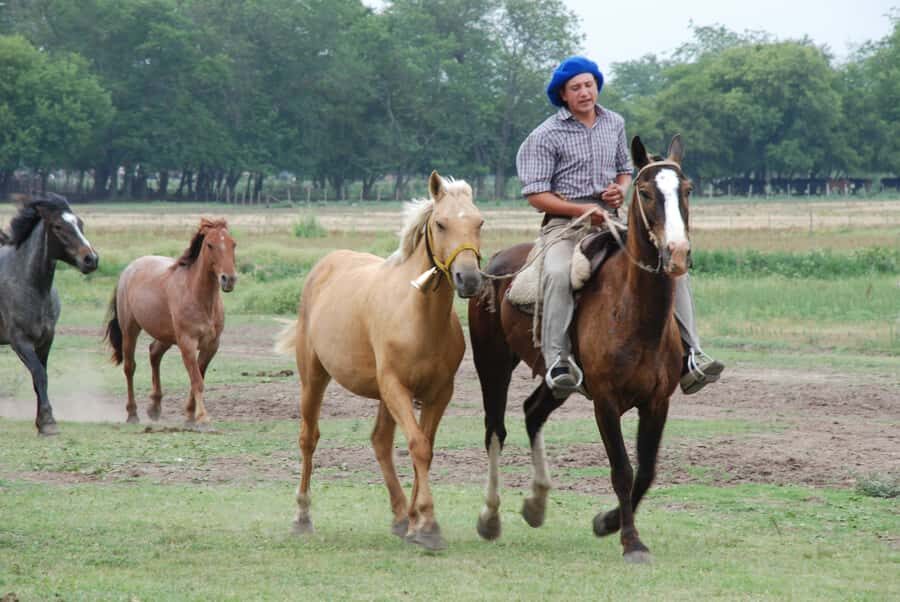
The tour is designed around a typical Argentine ranch feel, including Creole skills demonstrations and the carriages used by gauchos. These details matter because they show the aesthetics and the working identity together. It’s one thing to see decorations. It’s more interesting when the day explains how people lived and moved around the pampas.
One note to keep expectations realistic: this isn’t positioned as a long, deep ranch exploration. Some people look for more time in the facilities or extra activities. If you’re that type, plan to focus on what’s offered: a guided walkthrough, then entertainment and food.
The Creole roast lunch: the main event (and it’s a big one)
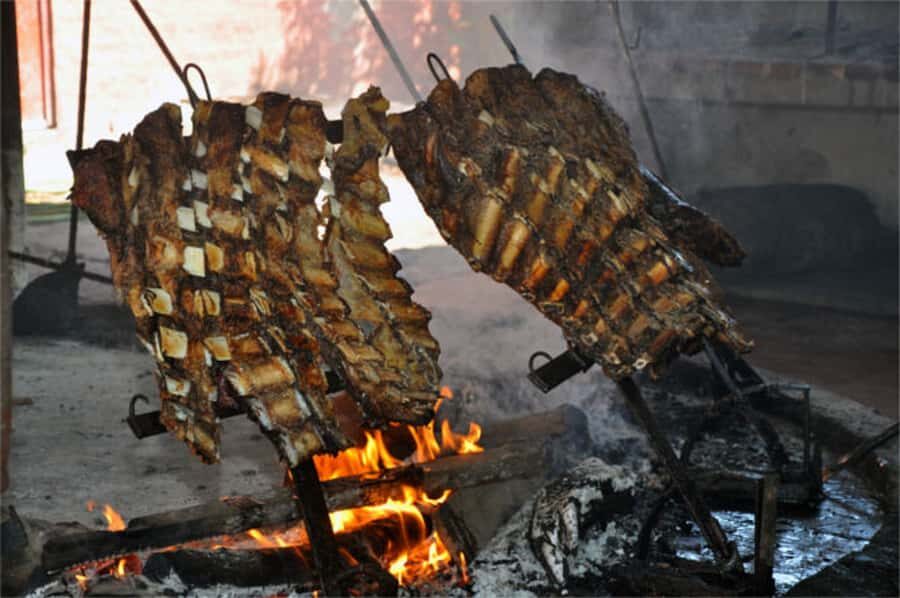
Lunch is the heart of the day. You’ll have a typical Creole lunch, centered on a roast with salads and dessert, and it lasts about two hours. This is not a light lunch stop. It’s an old-school ranch meal designed to feed you properly, and if you’ve had a full day of walking already back in the city, you’ll want to pace yourself.
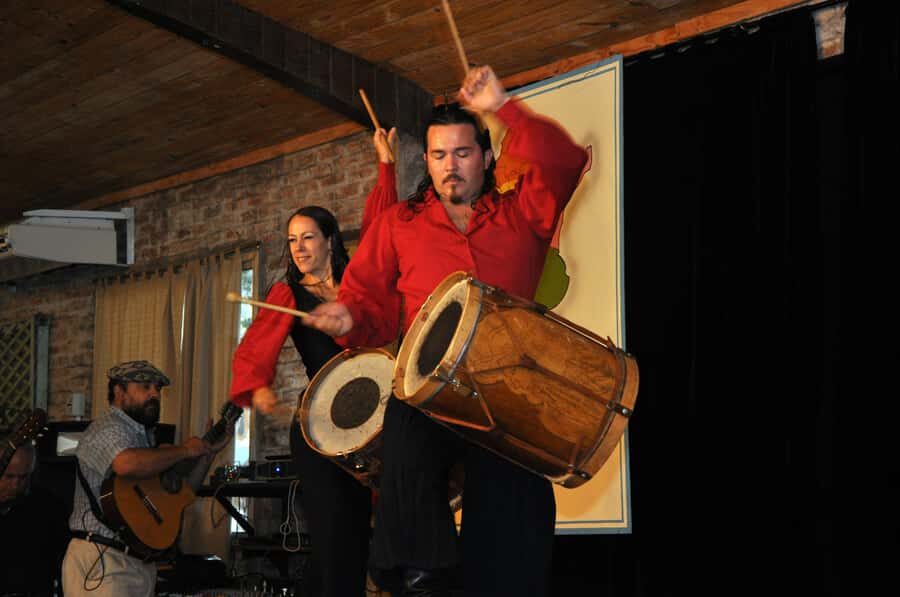
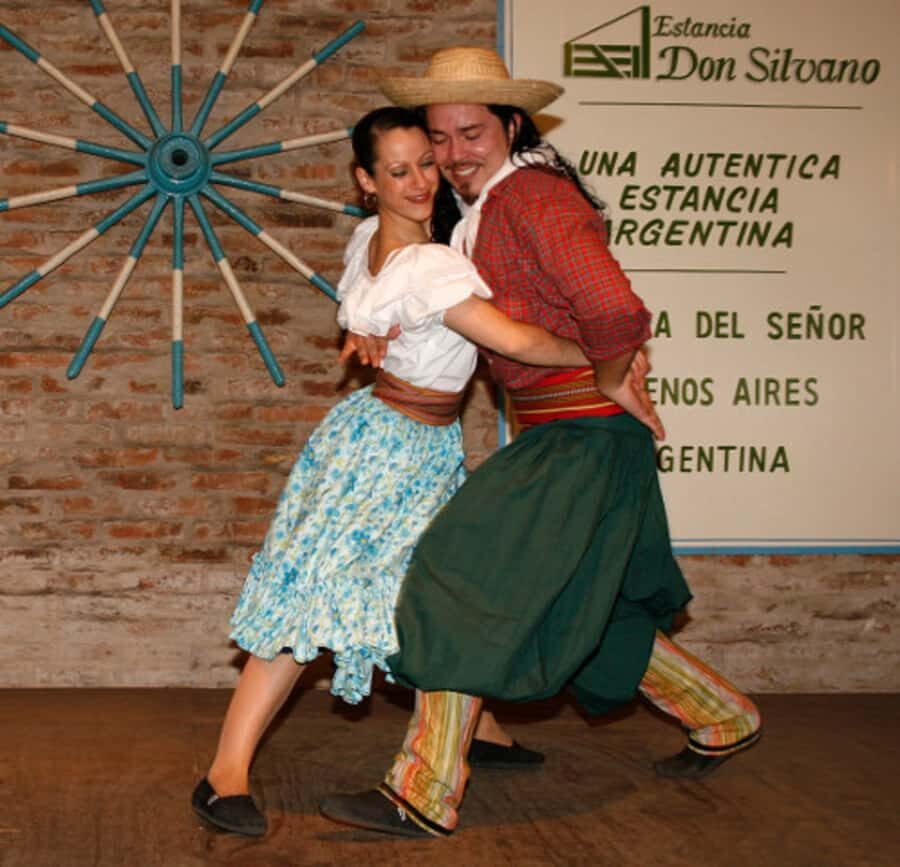
This meal is also when the show happens. You’ll enjoy a singing show and folkloric dances during lunch. That mix is a big reason the outing works for many people. Food is the constant, and the performance gives the lunch structure and energy.
If you care about the food side most, this is where the tour seems to win. The roast and the overall lunch experience are strong draws, and the entertainment is built so you don’t feel like you’re stuck waiting while everyone else eats.
One practical consideration: meal portions can be generous enough that you’ll likely feel like you received the full estancia treatment. Also, the day can include limitations on extra servings. If you’re a serious meat eater and you assume you can add an extra cut on demand, you might get surprised by how it’s handled.
A few more Buenos Aires tours and experiences worth a look




Folk dance show and gaucho performance: expect tradition, not a nightclub
After lunch, you get a traditional dance show about one hour long. This part is where you’ll see the ranch style of storytelling through movement—Creole dances tied to gaucho culture and the way rural communities celebrate identity.
The day’s theme stays consistent: roast lunch, singing, then dance. That matters. It keeps the outing from feeling like separate attractions pasted together. It’s one continuing show experience with breaks for meals and snacks.
From a value standpoint, this is also where you should judge your personal preferences. If you love folk performance and Argentine ranch culture, you’ll likely enjoy the tone and the time spent watching. If you’re looking for lots of physical activities or lots of time exploring machinery and barns, you may want to keep your expectations on the more performance-and-food side.
Creole skill demonstrations and gaucho carriages: where photos and context meet
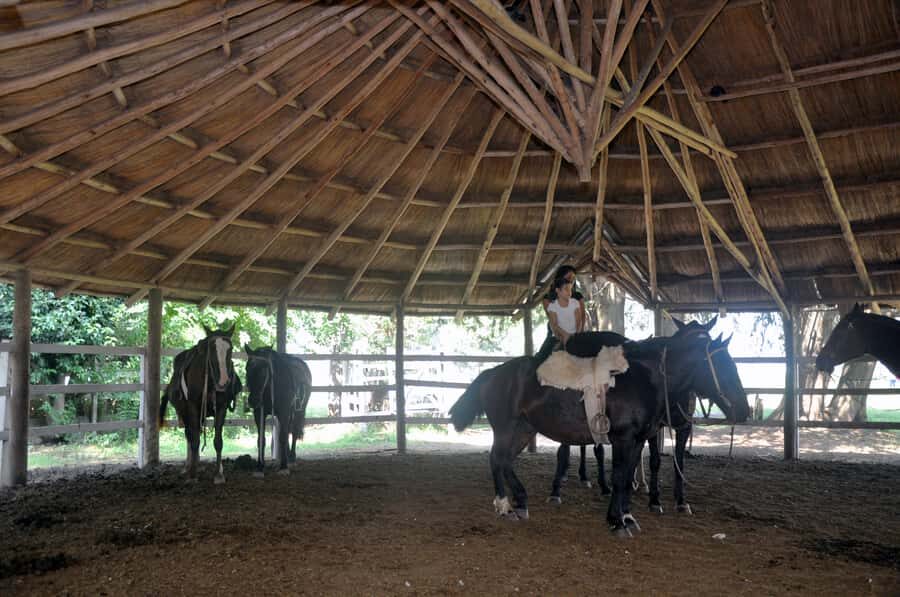
The ranch presentation includes demonstrations of Creole skills and attention to the typical carriages used by gauchos. These moments are often the best balance between “what it looks like” and “why it matters.”
I recommend keeping a simple photo strategy:
- Take a few wide shots of the ranch setting for context.
- Then get close-ups of carriage details and any skill demonstration tools.
- Finally, catch one “whole group” photo so you can remember the scene, not just objects.
Even if you’re not a history nerd, these elements help you connect the dance and roast to a place where gaucho life actually mattered. Without that context, a folk show can feel like entertainment alone. With it, it feels like tradition carried forward.
Tea and local snacks: a sweet finish to the ranch pacing
The afternoon ends with tea or infusion and local snacks, including cakes and fried cake, for about one hour. This part is perfect if you want something warm after the day’s performances and travel time.
I like this final snack block because it rounds out the ranch hosting. The day doesn’t cut off abruptly after the show. It slows down a bit, lets you chat, and gives you one more taste of the local sweet comfort style that shows up in lots of Argentine rural hospitality.
It’s also a helpful reminder for your own planning: you’ll likely eat more than you expect across the whole day. If you tend to snack often in the city, go easy beforehand.
What the day feels like in practice: the pacing and expectations tradeoff
Here’s the practical reality: you’re spending a good chunk of your day in transit, then you’re in a set ranch sequence—welcome, guided tour, lunch with show, dance, then snacks, then back to the city.
That pacing is exactly what makes the tour work for people who want a confident, low-stress day out. It’s also why it can feel short in certain areas for people who want a longer ranch experience or more hands-on moments.
In fact, some visitors come away wishing they had more time or more variety beyond the core roast-and-performance package. If you’re okay with that tradeoff, you’ll probably feel satisfied because the central elements land: food, singing, and folkloric dance.
And yes, there can be variation in the details. For example, wine quality may not be consistent, and extra meal requests might be handled with limits. If your goal is maximum flexibility for eating choices, plan to be flexible on-site too.
Price and value check: is $165 a fair deal?
At $165 per person for an 8-hour outing, the value comes down to what you’re buying.
You’re paying for:
- Central Buenos Aires pickup in multiple neighborhoods
- A full guided ranch visit
- A Creole roast lunch with salads and dessert
- Singing and folkloric dance integrated into the lunch portion
- An afternoon infusion/snack stop
If your priority is a cultural ranch performance plus a satisfying meal, the package can feel like a solid use of time. The lunch and show combination is the core strength, and it’s the part most likely to satisfy your expectations.
If your priority is extensive ranch exploration, long activities, and lots of hands-on gaucho training, you may want to look for something more activity-heavy. Based on how the day is structured, this one is tuned more toward tradition-as-performance than toward adventure.
Who should book this tour (and who should skip it)
This tour is a good fit if you:
- Want a classic Buenos Aires countryside day trip with a ranch identity
- Like folkloric dancing and singing as part of the cultural experience
- Care most about a well-executed Creole lunch
- Prefer a scheduled experience with pickup and a clear return route
You might skip or compare other options if you:
- Expect a long, deep ranch visit with lots of extra activities
- Want lots of time for independent exploring after the guided portion
- Need the ability to add extra main items on demand
For many people, it lands in that sweet spot: it’s not pretend-cowboy cosplay for an hour, and it’s not a full-day adventure. It’s a ranch-hosted cultural meal day.
Should you book the Estancia Don Silvano Tour with Lunch?
I’d book it if you want the ranch experience to focus on Creole food and performance. The roast lunch plus the singing and folkloric dances are the heart of the day, and that’s where the tour’s strengths show clearly.
I’d think twice if you’re chasing maximum variety or lots of extra activities. The ranch time is structured and the schedule is fixed, so your enjoyment will depend on whether you’re genuinely into the show-and-meal rhythm.
If you want a safe bet for a memorable, traditional Argentine ranch-style afternoon out of Buenos Aires, this one is worth putting on your shortlist.
FAQ
How long is the Estancia Don Silvano tour with lunch?
The tour lasts about 8 hours total, including pickup, travel time by van, the ranch visit, lunch, a dance show, and an afternoon snack.
Where does pickup happen in Buenos Aires?
Pickup is available from hotel areas in San Telmo, San Nicolás, Puerto Madero, Recoleta, and Retiro.
What do you get for lunch?
Lunch is a typical Creole roast with salads and dessert.
Is there entertainment during the tour?
Yes. There’s a singing show and folkloric dance presentation during lunch, plus a traditional dance show afterward.
What is included after the dance show?
You’ll have tea or infusion with local snacks, including cakes and fried cake.
What is the tour’s meeting and drop-off pattern?
You’re picked up from your selected Buenos Aires area and dropped off at important tourist points in the city, with the tour finishing near Obelisco.