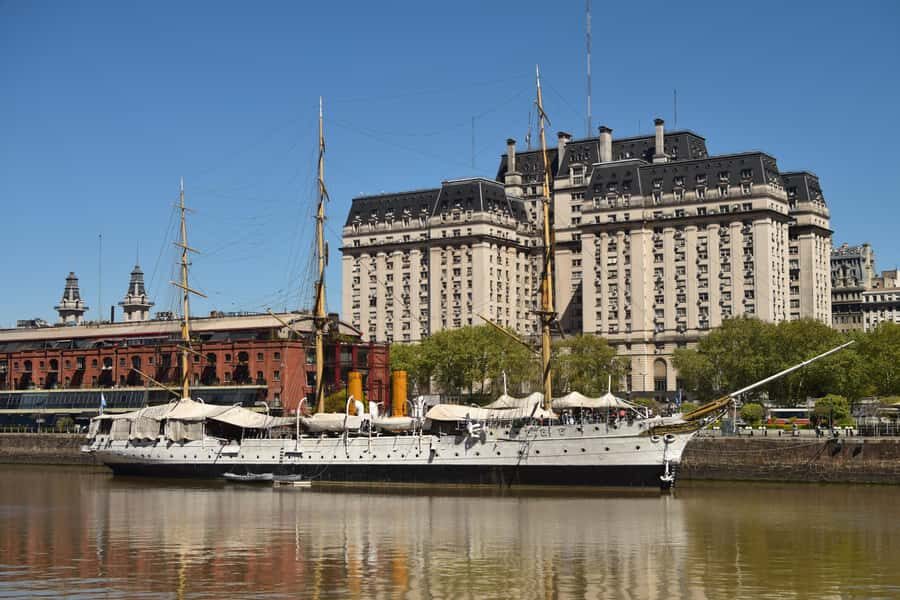
REVIEW · BUENOS AIRES
From Colonialism to Eclecticism, Buenos Aires arquitectonica
Book on GetYourGuide →Operated by Viajes de Juani tours · Bookable on GetYourGuide
Buenos Aires hides in plain sight. This walking tour turns the city’s big-name sights into a real lesson in how Buenos Aires went from colonial roots to eclectic mashups—and you do it on foot, stopping for facts you won’t get from the usual postcard route.
I also love the human touch: the guides share stories in a way that makes the buildings feel personal, not just historic. And the mate tasting plus a traditional snack is a genuinely Argentine pause that fits the theme of the day—city life, not museum life. The only catch: this is mostly an exterior-style walk, and Teatro Colón interior access isn’t included, so you’ll need to plan for that option separately.
In This Review
- Key highlights you’ll feel during the 3 hours
- Why Plaza de Mayo is the perfect start
- Cabildo, Catedral, Casa Rosada, and Banco Nación: the “official Buenos Aires” layer
- Practical tip
- Reconquista Street and the Banco Hipotecario Brutalist facade: the curveball that makes the tour memorable
- Microcentro’s mixed architects: the lesson behind the mess
- CCK and the old Post and Telegraph Palace: when function becomes face
- Corrientes Avenue: where nightlife energy meets two theater icons
- Why you’ll appreciate this section
- Obelisco and Plaza de la República: politics, identity, and a strong silhouette
- Diagonal Norte panoramic views: a quick photo payoff with real perspective
- Plaza Lavalle: Courts Palace and the Julio Argentino Roca School
- The mate tasting: the culture break that fits the theme
- What to expect from mate
- Finishing at Teatro Colón (and the optional interior visit)
- Price and value: what you get for around $25
- Who this tour is best for
- Should you book this Buenos Aires architectonica walk?
Key highlights you’ll feel during the 3 hours
- Small group (up to 4): easier questions, slower pace, more attention to details
- Mate tasting included: you get the drink ritual, not just a sip
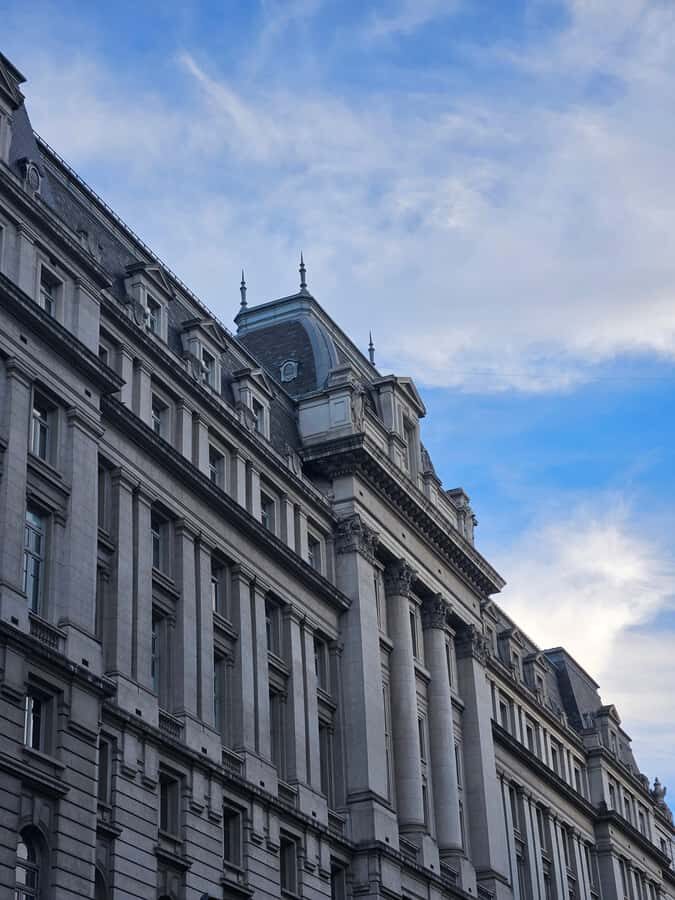
- Architecture across eras: from Plaza de Mayo institutions to Brutalist Banco Hipotecario
- Classic + off-circuit stops: Corrientes icons plus quieter corners in Microcentro
- Photo breaks built in: Obelisco and major intersections give you time to frame shots
Why Plaza de Mayo is the perfect start
You start in the center of the action at the Plaza de Mayo intersection—right where Bolivar meets Av. De Mayo. From the first block, you’re not just looking up. You’re learning how Buenos Aires projects power, faith, and identity through architecture.
What makes this tour work is the pacing. You move through a tight loop of sights, but the guide keeps tying each stop to the bigger shift: changing tastes, new materials, new political eras, and new ideas about what a city should look like.
Other Buenos Aires tours we've reviewed in Buenos Aires


Cabildo, Catedral, Casa Rosada, and Banco Nación: the “official Buenos Aires” layer
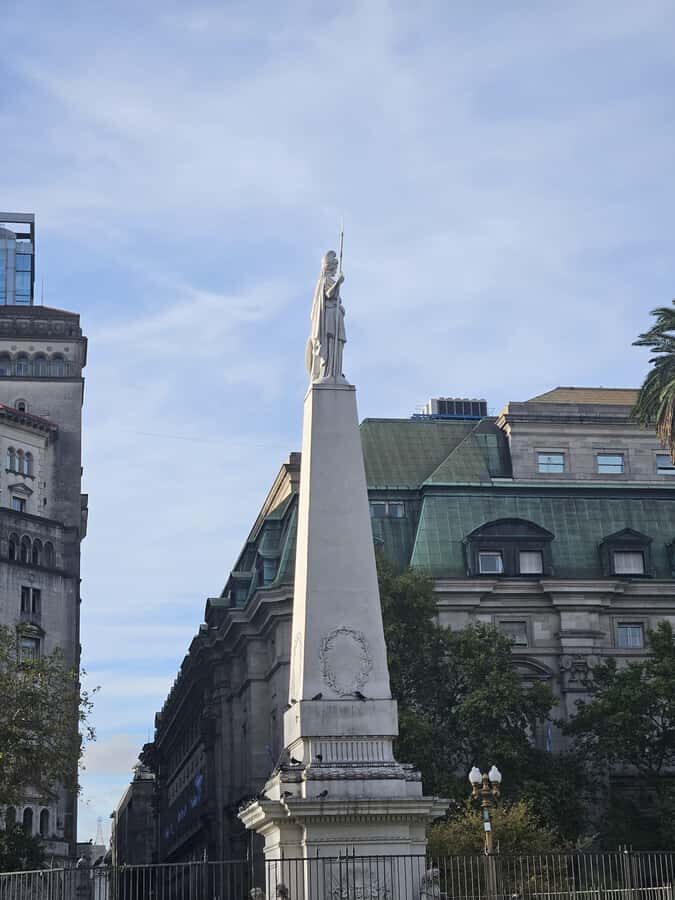
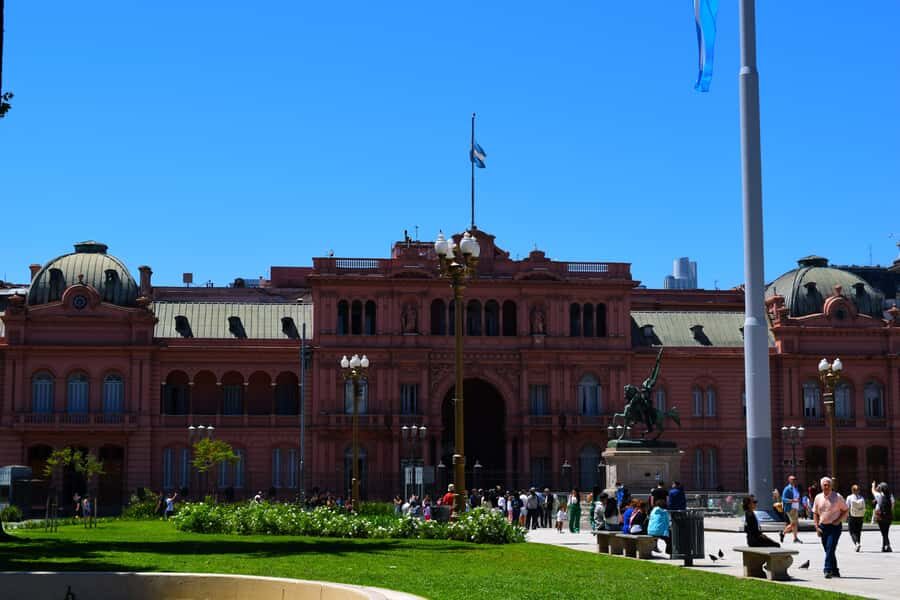
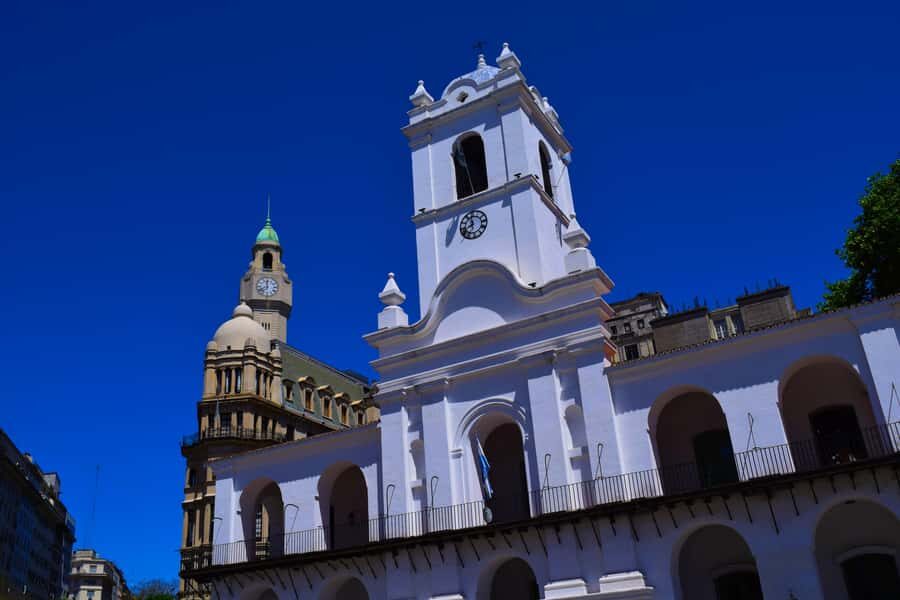
The morning kicks off with the buildings that set the tone for the city. You’ll see the Cabildo, the Metropolitan Cathedral, Casa Rosada, and Banco Nación—core landmarks that most people recognize quickly, but that you can understand much better once someone explains the why behind the look.
This part matters because it gives you a baseline. Once you understand the role these institutions played, the later stops feel like a timeline you can walk through. The buildings aren’t only pretty. They’re arguments in stone—about governance, religion, and the financial heart of the city.
Practical tip
If you like taking photos, arrive with a little patience. Plaza de Mayo is busy, and you’ll want a calm moment to frame facades without rushing. Comfortable shoes help here more than you’d think.
Reconquista Street and the Banco Hipotecario Brutalist facade: the curveball that makes the tour memorable
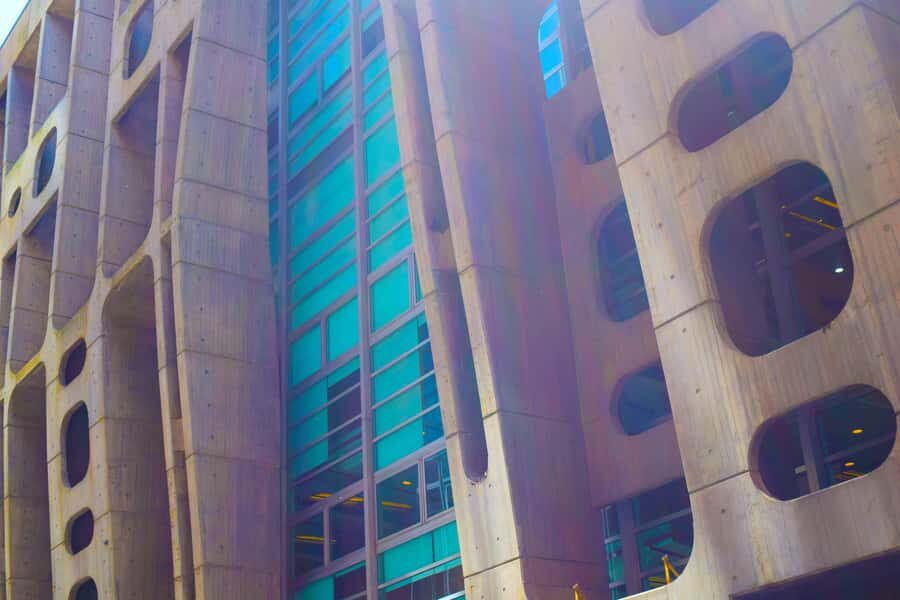
Then the tour heads north through Reconquista Street, into Microcentro, where architectural styles can feel like they’re sharing the same street without asking permission. This is where I love the tour’s off-circuit spirit: you don’t just follow the famous route—you get the building that surprises people.
The stop at the headquarters of Banco Hipotecario is the key moment. You’ll see its Brutalist facade, a style that feels far less “official” than the Plaza de Mayo institutions. It’s a sharp contrast—almost like Buenos Aires saying: we can be modern and experimental too.
And here’s the payoff for you: once you’ve got Brutalism in your head, the rest of Microcentro starts making sense. You begin spotting where the city adapted, where it changed course, and where it kept older signals while still adding new ones.
Microcentro’s mixed architects: the lesson behind the mess
Microcentro can look chaotic if you’re only scanning for landmarks. On this tour, it becomes structured. You’ll walk past a mix of architects and styles, and the guide gives the context so that you can actually “read” what you’re seeing.
Small-group size (limited to 4) helps a lot here. You can ask questions when something catches your eye, instead of waiting your turn. And when someone connects design choices to the era, you start noticing patterns—like changes in proportion, materials, and how facades signal status.




CCK and the old Post and Telegraph Palace: when function becomes face
Next up is the Centro Cultural Kirchner, tied to the former Palacio de Correos y Telégrafos (Post and Telegraph Palace). You’ll pause to see the facade and hear the building’s story.
This stop is a good reminder that architecture isn’t always about monuments. Some buildings were built for logistics and communication—then later kept or repurposed when the city’s needs changed. That’s why this kind of stop works so well for you: you get the “before and after” story without needing to book separate museum tickets.
Corrientes Avenue: where nightlife energy meets two theater icons
After that, you climb mythical Corrientes Avenue—center of culture and nightlife in Buenos Aires. The tour takes you past two big names of the street: the Gran Rex and the Opera (both known for their heyday and for still being major places where people gather for shows).
You’re not going inside here as part of the standard flow, but you still get plenty of value. The guide frames these theaters as social magnets. They’re part of how the city “performs” itself—public life, not just art life.
Why you’ll appreciate this section
If you’re the type who likes cities with character, Corrientes is where Buenos Aires stops feeling like a lesson and starts feeling like a place you’d actually hang out. Even if you’re mostly walking, the street gives you atmosphere on the move.
Obelisco and Plaza de la República: politics, identity, and a strong silhouette
The first major chunk ends with the Obelisco and Plaza de la República. You’ll learn why the Obelisk matters for political and social life. This is one of those buildings that looks simple until you understand what it represents.
You’ll also stop at the Obelisco again briefly along the way, including a pause at the Obelisco staircase. That’s a smart move for your photos and your orientation—because the city’s grid can be confusing until you’ve seen it from the right angle.
Diagonal Norte panoramic views: a quick photo payoff with real perspective
From there, the tour moves along Diagonal Norte to a panoramic viewpoint. This is aimed at one of the busiest intersections you’ll want to “get” visually: Av. 9 de Julio and Corrientes.
This stop is short, but it does something useful. It helps you see how the monumental pieces line up with the street geometry. Once you’ve got that in your mind, the walking route feels more intentional and less random.
Plaza Lavalle: Courts Palace and the Julio Argentino Roca School
In the last part, you reach Plaza Lavalle. Here you’ll see two notable buildings: the Courts Palace and, in front of it, the Julio Argentino Roca School.
This section adds variety to the day. You move beyond theaters and civic plazas into the architecture of law and education—two pillars that shape how a city functions day to day. It’s a good reminder that Buenos Aires isn’t only about grand ceremonies. It’s also about institutions that train citizens and administer society.
The mate tasting: the culture break that fits the theme
Then you get mate tasting, with an explanation of its history and tradition in Argentine culture. This is one of the best parts of the experience because it’s not staged as a random snack stop. It’s timed to the walk, when your attention is high and your legs are ready for a pause.
You’ll also get a traditional Argentine snack alongside the water provided. I like this approach because it keeps you fed without slowing the architecture momentum too much.
What to expect from mate
Mate is both a drink and a ritual. The guide walks you through the significance, so you understand what you’re holding—not just how it tastes.
Finishing at Teatro Colón (and the optional interior visit)
The tour ends at Teatro Colón, where you’ll wrap up with the chance to stay for a guided visit inside the theater. Entrance to the interior isn’t included, but the option is there, which is a nice setup if you want to connect the outside facade with what’s happening inside.
This ending works emotionally. You finish at one of the most recognizable cultural icons in Buenos Aires, so the day’s theme lands on art, performance, and public life.
And yes, the tour wrap still brings you back toward the central meeting area—so you’re not left guessing how to get home after a 3-hour walk.
Price and value: what you get for around $25
At about $25 per person for a 3-hour small-group walking tour, the value is about more than the sightseeing list. You’re paying for three things that add up fast:
- Guided interpretation (the “why” behind the buildings, not just dates on a plaque)
- Included refreshments (water, a traditional snack, and mate)
- A small group format (up to 4 participants) that makes Q&A realistic
If you usually skip smaller tours because you think you’ll spend half the time waiting in groups of strangers, this one is built to avoid that. The pace stays manageable, and you can focus on what you care about—architecture styles, city history context, or the cultural parts like mate.
Who this tour is best for
This is a strong pick if you:
- like architecture but don’t want a lecture-only vibe
- enjoy learning patterns across eras (colonial → modern → eclectic)
- want a short, focused Buenos Aires introduction without committing to a half-day bus tour
- care about culture details as much as buildings
It’s less ideal if you:
- expect guaranteed inside access to Teatro Colón as part of the base price
- want lots of long indoor museum time
- hate walking in sun (bring hat, sunglasses, and sunscreen—seriously)
Should you book this Buenos Aires architectonica walk?
I’d book it if you want Buenos Aires to feel readable. The mix of Plaza de Mayo institutions, Microcentro’s style collisions, Brutalist Banco Hipotecario, and the theater corridor along Corrientes gives you a balanced picture of the city’s evolution.
The big reason to choose it is the guide-led storytelling—especially the mate culture moment and the way the route connects buildings to daily Argentine identity. If you’re hoping for a city “just seen,” choose something else. If you want a city understood, this one is a good bet.