REVIEW · BUENOS AIRES
Pachamama – Argentine Cooking Experience in Buenos Aires
Book on GetYourGuide →Operated by Pachamama - Argentine Cooking Experience · Bookable on GetYourGuide
Your hands get involved fast. This Argentine cooking class feels like a warm home kitchen plus a professional chef, where you go from chatting about food to chopping, mixing, shaping, and finally eating what you made. Two things I especially like: the hands-on cooking (not just watching), and the pairing with Mendoza Durigutti wines in an easygoing, sit-down setup.
I also like how the pace keeps moving: you start with a welcome picada, learn the basics of key flavors like mate and chimichurri, then cook a full menu without turning it into a stressful demo. One possible drawback to consider is that, depending on the class flow, you might work on dishes more as a group effort than doing every step solo.
In This Review
- Key points to know before you go
- Pachamama’s home-kitchen vibe in Buenos Aires
- What you get for the $75 price in real terms
- Welcome picada: the fastest way to understand the menu
- The cooking flow: from prep to plating without the chaos
- Chipá and the sauces that define the moment
- Beef empanadas and chimichurri sauce
- Humita stew gratin: comfort with a cooking lesson
- Dessert that ends with limoncello
- The wine pairing: Durigutti Las Compuertas with your courses
- Group size and language: small class energy, real participation
- Diet needs: what adaptations are actually offered
- What makes Franco’s team work well
- Time length and what to expect from the schedule
- Practical tips so the afternoon stays easy
- Buenos Aires add-ons you’ll actually appreciate later
- Should you book Pachamama? My straight answer
- FAQ
- How long is the Pachamama Argentine Cooking Experience?
- Where does it take place?
- How much does it cost?
- What’s included in the menu and drinks?
- What wine is served?
- Do they offer vegetarian or dietary alternatives?
- What language is the class taught in?
- What group size should I expect?
- Is hotel pickup included?
- FAQ (continued)
- Can I cancel for free?
Key points to know before you go
- 4 recipes from scratch plus a full meal structure, not a quick tasting
- Durigutti wines from Las Compuertas paired with your courses
- Franco and the team keep things tight, friendly, and fun in a small group setup
- Picada + chimichurri culture early in the experience, so you understand the food before cooking
- Vegetarian, gluten free, and lactose free adaptations are available
- Recipe PDFs and photos via QR code so you can recreate it later
Pachamama’s home-kitchen vibe in Buenos Aires
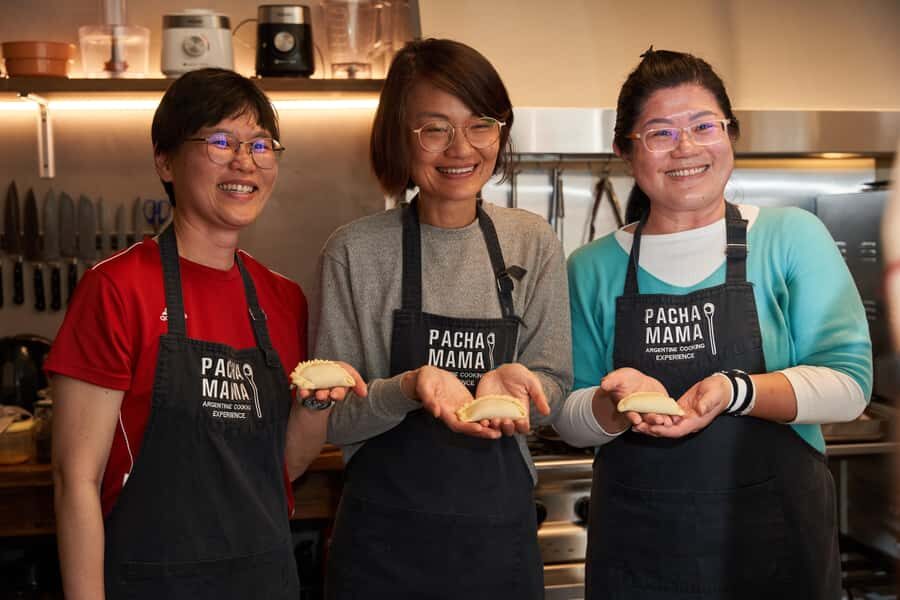
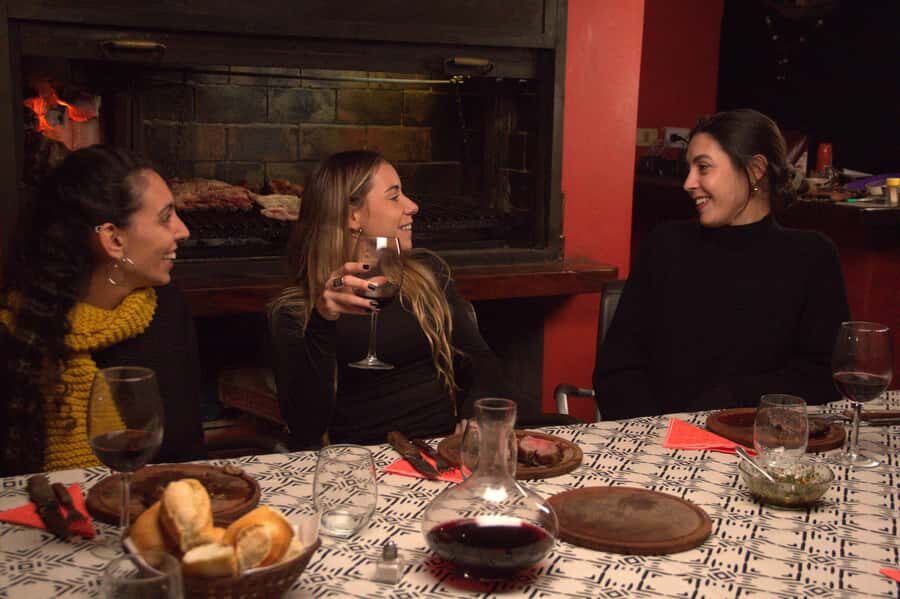
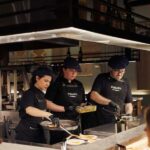
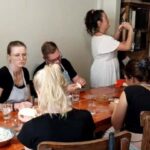
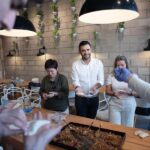
This is the kind of cooking experience that doesn’t feel like a studio class. The setting is cozy and homey, and the whole rhythm is built around comfort: taste first, then roll up your sleeves, then sit down together. The result is that you actually learn the food, not just the steps.
The experience also has a clear theme: Argentine cuisine as something personal and traditional. You’ll talk about how dishes developed, why they show up at table, and what makes them taste like Argentina instead of just like food in general. That context matters because it helps you cook with judgment, not just follow a checklist.
And yes, you’ll drink while you cook. The wine pairing is part of the design, so you’re not waiting until the end to enjoy the meal. It makes the class feel like an afternoon with friends, even with a structured menu.
Other Buenos Aires tours we've reviewed in Buenos Aires

What you get for the $75 price in real terms
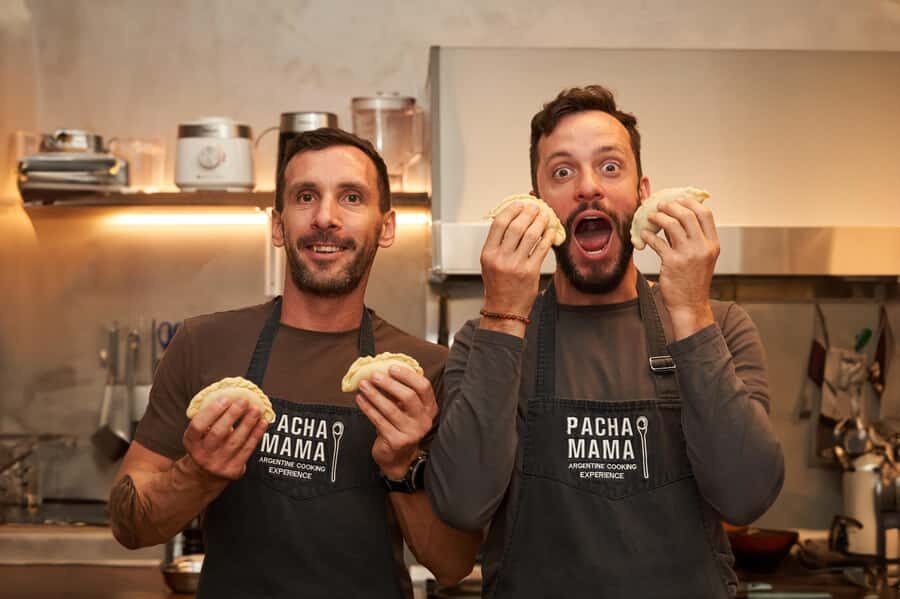
At $75 per person, you’re paying for more than a “cooking show.” You’re getting a 5-step menu paired with Durigutti wines, plus multiple drink options like vermouth, water, and homemade lemonade. You also get the ingredients and the coaching to make several items from scratch, which is where the value really shows.
Let’s translate the included meal into what you’ll actually experience:
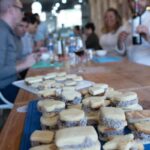
- A welcome picada with homemade preserves, pickles, and local bread
- A vermouth cocktail as part of that first tasting
- Chipá with BBQ sauce and a fermented spicy sauce
- Beef empanadas with chimichurri
- Humita stew gratin as a warm, comforting main element
- Flamed dulce de leche crepes with ice cream and homemade limoncello
That’s a lot of food for one afternoon, and it’s not just one course. The structure matters because it gives you variety across Argentina’s salty, savory, and sweet sides.
Also, you leave with tools: recipe books in PDF format via QR code and class pictures. That’s a practical detail. Next time you’re shopping for ingredients, you’re not relying on memory.
Welcome picada: the fastest way to understand the menu
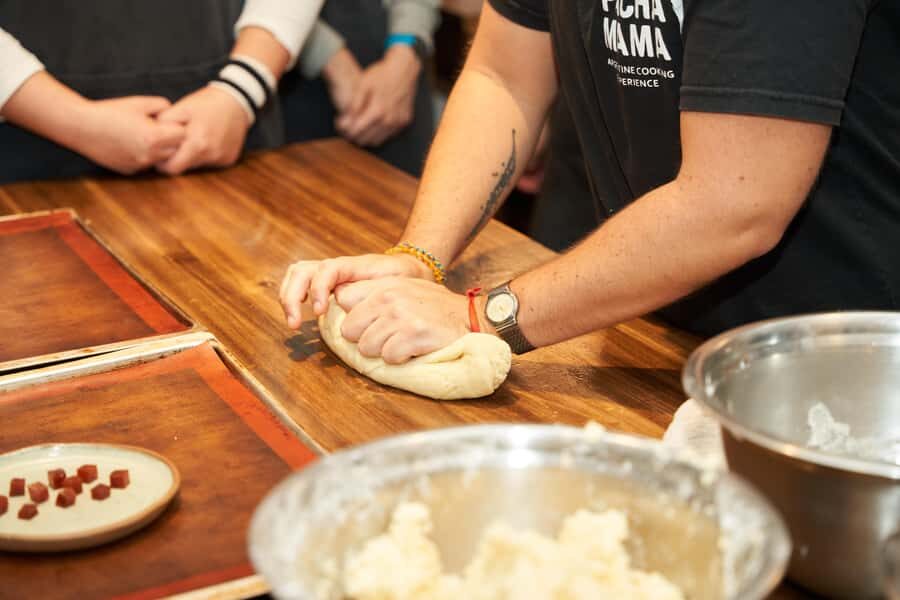
The experience kicks off with a welcome picada, which is a smart move. Instead of jumping into cooking immediately, you taste a spread that sets expectations for the flavors you’ll build later in the kitchen.
You’ll see the table-ready elements up close: homemade preserves, pickles, and local bread. Then there’s the drink component, including a vermouth cocktail, plus vermouth options, water, and homemade lemonade. It all helps you get into Argentine rhythm quickly.
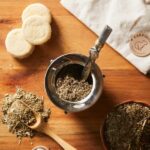
Before you start cooking, you also get a quick tour of Argentine cuisine through conversation and history. You’ll hear about staples like mate and how chimichurri fits into the broader idea of flavor in Argentina. Even if you already know the words, the tasting gives you context for what you’ll be making and why it tastes the way it does.
The cooking flow: from prep to plating without the chaos
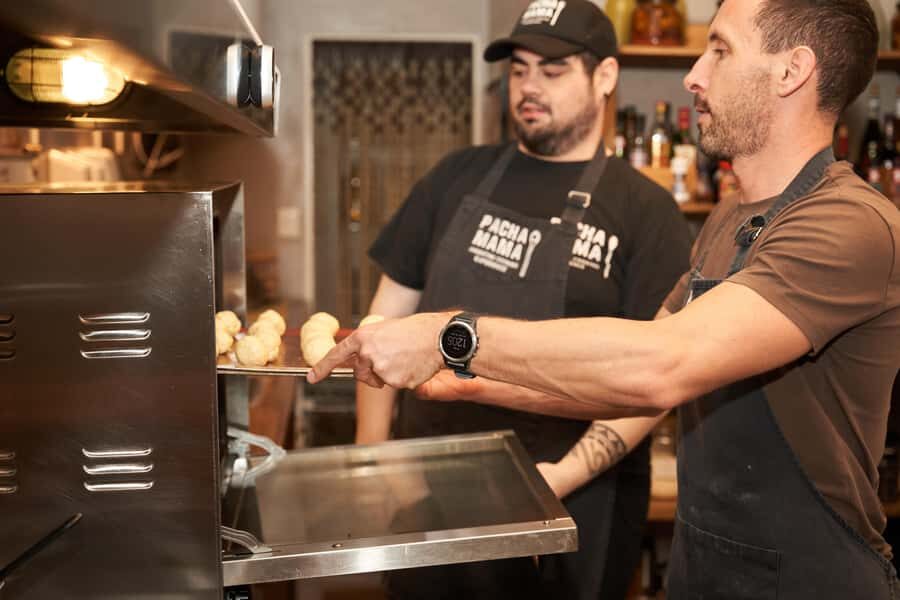
This class is built around doing. You cook from scratch across four different recipes, with guidance from the chef. Expect turns at tasks and coaching at key points, so you keep busy without needing advanced cooking skills.
One helpful signal from the experience design: the class is structured like a real meal service. You’re not just making one item; you’re moving through snack, appetizer, main elements, and dessert. That means your kitchen work makes sense in the larger picture.
Chipá and the sauces that define the moment
One of the first cooking items you’ll tackle is chipá with BBQ sauce and a fermented spicy sauce. Chipá is the kind of bread that carries its own identity, and pairing it with sauces helps you taste the balance right away: savory with tang, plus heat from the spicy fermented option.
Why I like this part for beginners: you get immediate feedback. If the texture or flavor balance needs adjustment, the chef can steer you in the moment.
Other cooking classes in Buenos Aires
Beef empanadas and chimichurri sauce
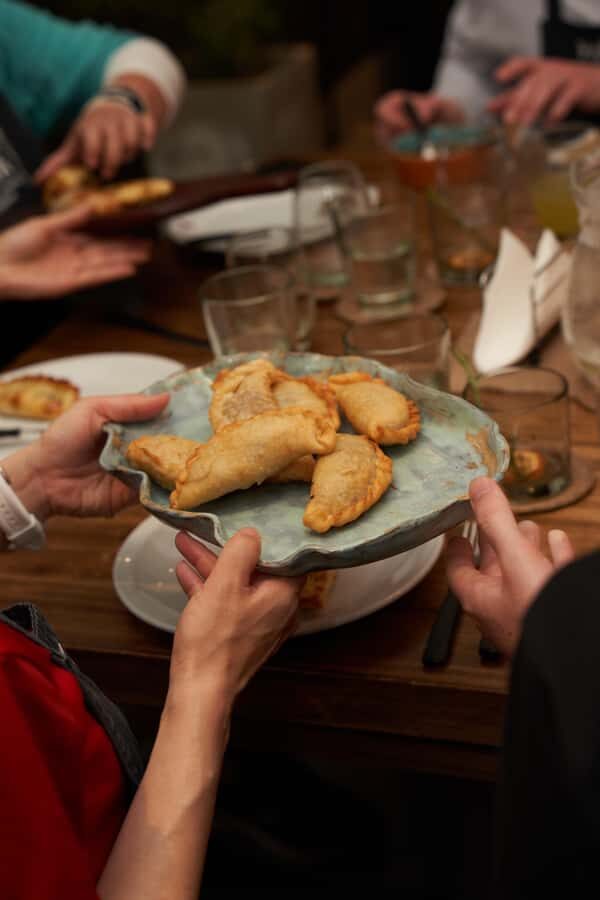
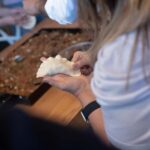
Then comes beef empanadas plus chimichurri. This is where the class gets truly Argentine. The empanadas are hands-on, and the chimichurri makes the whole plate feel like it belongs in Buenos Aires and not just on a menu.
Chimichurri is also a great learning tool. It teaches you that the sauce is part of the cooking, not an afterthought. You can taste how acidity, herbs, and seasoning work together, and then you’ll understand why Argentines treat it as essential.
Humita stew gratin: comfort with a cooking lesson
For the main-course style element, you’ll make humita stew gratin. Humita is a classic ingredient-driven comfort food, and the gratin part adds a layer of texture and finish.
This course is valuable because it shows a different side of Argentine cooking than empanadas and sauces. You shift from hand-shaped, portable foods to something warm and spoonable, which makes the meal feel complete.
Dessert that ends with limoncello
Finally you’ll cook and finish with flamed dulce de leche crepes with ice cream and homemade limoncello. Dulce de leche desserts are famous for a reason, but the way this is served keeps it playful and festive.
Flaming dessert also adds theater, and the homemade limoncello gives it a brighter finish. It’s a good reminder that Argentine sweets often balance richness with citrusy lift.
The wine pairing: Durigutti Las Compuertas with your courses
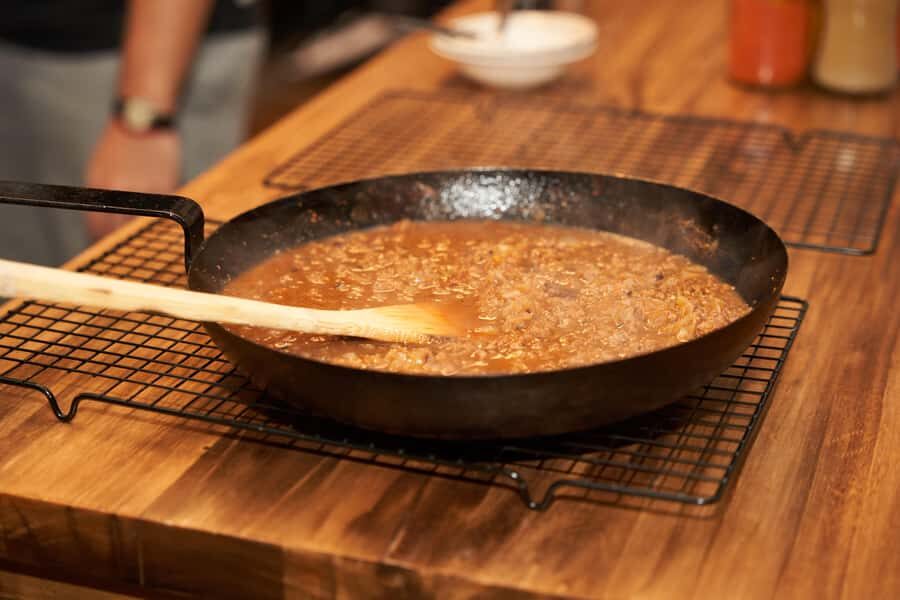
Wine pairing is often the part that gets vague in cooking classes. Here, it’s part of the actual structure. You’re paired with Mendoza Durigutti wines, specifically Las Compuertas, and you’ll drink as you taste and cook through the meal.
The best practical point: the pairing is designed to be enjoyed during the experience, not saved for later. That keeps your attention on both the food and how flavors interact. It also makes the afternoon feel like more than a class. It’s a meal with instruction attached.
If you’re a wine person, you’ll likely enjoy the fact that the pairing is intentional and not random. If you’re not, you can still treat it like part of the local experience and rely on the food itself to do most of the heavy lifting.
Group size and language: small class energy, real participation
This is a small group experience, limited to a maximum of 10 participants. You’ll still find a relaxed, social mood, because after cooking you all sit down together and share the meal as a group.
The provider also notes capacity up to 14, so if you’re traveling with a bigger group, you might want to confirm the exact group size for your date. Either way, the class is small enough that you’re not lost in a crowd.
Language is English for the standard experience. If you book a private group, it can be held in Spanish. For many travelers, that matters more than you’d think, because cooking instruction works best when you can follow quickly and ask simple questions.
And yes, it’s listed as wheelchair accessible, so you can plan without having to guess whether the setup will work for your needs.
Diet needs: what adaptations are actually offered
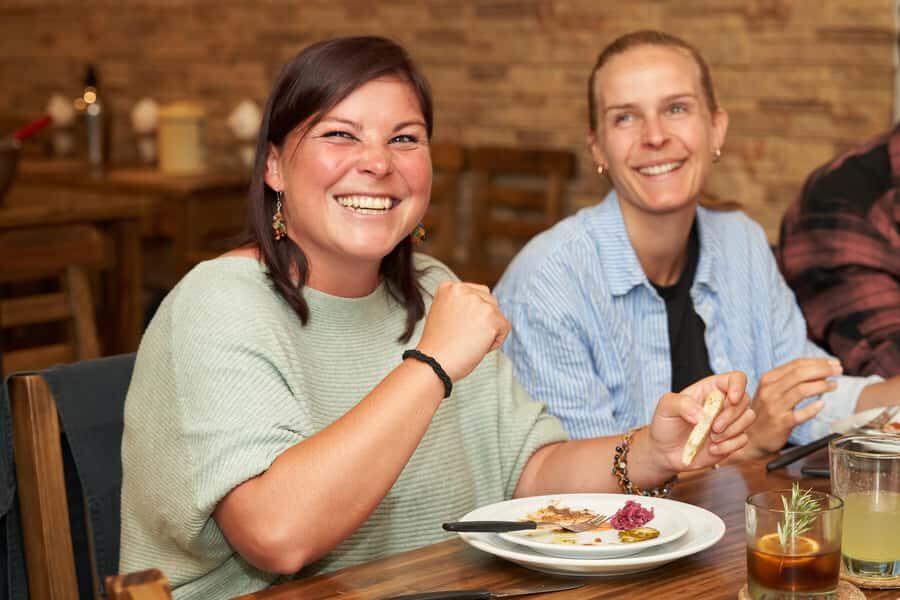
If you eat vegetarian, gluten free, or lactose free, this is not one of those “sort of possible” situations. The experience can be adapted for vegetarian, gluten free, and lactose free diets.
That’s a big deal because cooking classes live or die on ingredient decisions. The fact that adaptations are explicitly offered means you can focus on learning and enjoying, instead of worrying that you’ll be handed bread and a sad salad.
If you have allergies beyond those categories, you’ll want to confirm details in advance. The tour data only specifies those dietary needs, so it’s worth checking for anything more specific.
What makes Franco’s team work well
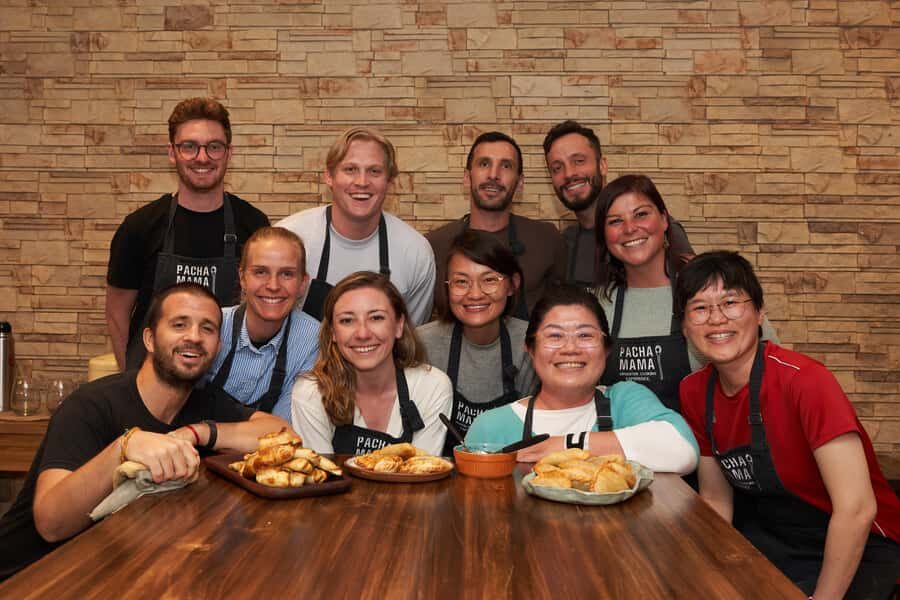
A highlight across the experience is how smoothly it runs. I’ve seen multiple mentions of good organization, rehearsal, and a team that keeps the class fun while still staying on track. Franco is named as the host in at least one booking, and the impression is consistent: friendly, professional, and ready to help you succeed.
That balance is rare. Cooking classes either feel too loose to be useful, or too strict to be enjoyable. Here, the pacing seems designed to keep you involved without leaving you behind.
You’ll also notice the teaching approach: clear explanations, time for questions, and step-by-step guidance so you can actually make the recipes. That turns the experience into something you can repeat later at home.
Time length and what to expect from the schedule
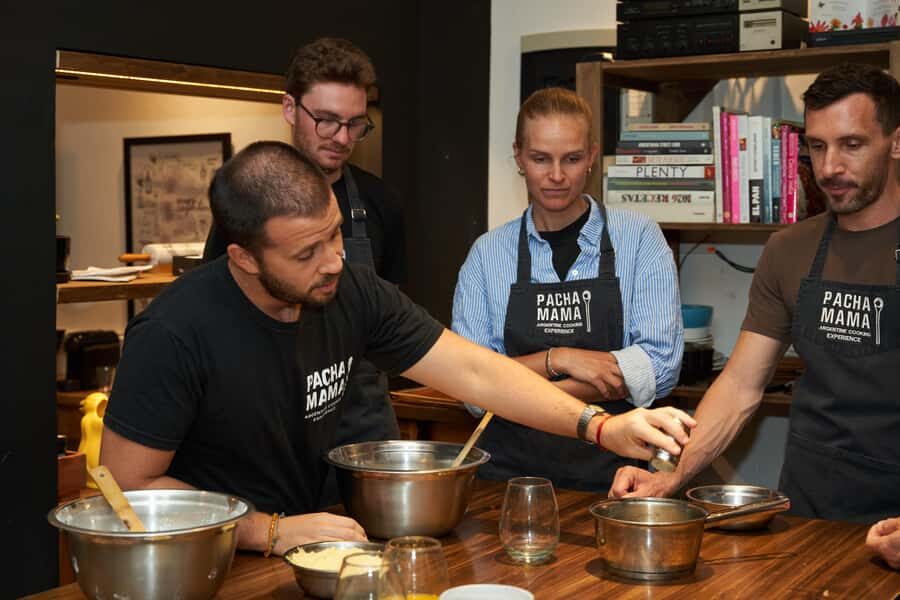
The experience runs about 3 hours, and it’s also described as an approximately 3.5-hour experience. For private groups, it can be adapted to around 2.5 hours.
That timing matters because it shapes what you’ll feel afterward. This is long enough to feel like a full meal and a real activity day, not a quick stop. If you have dinner plans the same evening, you’ll probably still be good, because you’ll eat enough to feel satisfied.
Practical tips so the afternoon stays easy
You don’t need special culinary skills, but you do need basic travel sense.
Wear comfortable clothes you don’t mind getting splashes on. You’ll be moving around during cooking. Keep your phone ready for photos if the class includes them (it does provide class pictures, but it’s still nice to capture your own moments).
If you’re the type who likes to learn by asking questions, do it early. The first courses and sauce lessons are the best time to clarify anything, since those flavors repeat later in the meal.
And if you’re coming from farther across Buenos Aires, remember that hotel pickup and drop-off are not included. Plan your route so you arrive relaxed instead of rushing.
Buenos Aires add-ons you’ll actually appreciate later
One of the quietly smart details is that you’ll receive Buenos Aires recommendations and class recipes along with class pictures. That turns the class into something slightly bigger than cooking.
At minimum, you’ll walk away with a few leads for what to do next, plus recipe guidance you can use at home. It’s also a nice touch when you’re still figuring out neighborhoods and where to find ingredients after an intense day.
Should you book Pachamama? My straight answer
Book it if you want a hands-on Argentine cooking experience that ends with a real meal, not a snack and a quick demo. It’s a strong pick for couples, small groups of friends, and solo travelers because the format makes it easy to connect during cooking and then again at the table.
It’s also a good choice if you care about food basics. You’ll learn how chimichurri and other key flavors fit into Argentine cuisine, and you’ll cook multiple recipes from scratch.
Skip it if you’re expecting hotel pickup, a solo cooking-by-yourself class, or a very quick hit. The experience is designed as a shared, guided afternoon. That group energy is the point, but it may feel less personal if you hoped to make every dish entirely on your own.
If you want value for your afternoon in Buenos Aires, $75 for five courses paired with Durigutti wines plus recipe PDFs is the kind of deal that adds up fast. It’s not just something to do. It’s something you can bring home.
FAQ
How long is the Pachamama Argentine Cooking Experience?
It’s listed as a 3-hour experience, and it’s also described as about 3.5 hours. For private groups, it can be adapted to about 2.5 hours.
Where does it take place?
It takes place in the Buenos Aires Province area of Argentina, in Buenos Aires.
How much does it cost?
The price is $75 per person.
What’s included in the menu and drinks?
You get a 5-step menu paired with Durigutti wines (Las Compuertas), plus vermouth, water, and homemade lemonade. The experience also includes a picada, chipá, beef empanadas with chimichurri, humita stew gratin, and flamed dulce de leche crepes with ice cream and homemade limoncello.
What wine is served?
The pairing is with Mendoza Durigutti wines from Las Compuertas.
Do they offer vegetarian or dietary alternatives?
Yes. The class can be adapted for vegetarian, gluten free, and lactose free diets.
What language is the class taught in?
The experience is in English. For private groups, it can be held in Spanish.
What group size should I expect?
It’s a small group experience. It’s limited to 10 participants.
Is hotel pickup included?
No, hotel pickup and drop-off are not included.
FAQ (continued)
Can I cancel for free?
Yes. Free cancellation is available up to 24 hours in advance for a full refund.