REVIEW · BUENOS AIRES
Palermo SoHo for curious people
Book on GetYourGuide →Operated by Social&Cultural · Bookable on GetYourGuide
Palermo SoHo has a second story. This walking tour uses an anthropologist’s lens to help you read the neighborhood like a living social project, not a checklist. I love the interactive format—you’re encouraged to chat, ask questions, and compare past vs present vs future while you walk through Palermo SoHo. I also like the focused topics, especially the way the guide ties everyday street scenes to big ideas like gentrification and migration.
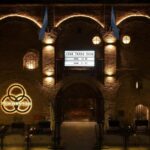
One heads-up: the meeting point can be a little tricky to find if you arrive late or without checking your map. If you’re the type who hates guessing, arrive a few minutes early by the amphitheater at Distrito Arcos, right next to the Montagne store, and you’ll stay stress-free.
In This Review
- Key things you will actually get out of Palermo SoHo
- What makes this Palermo SoHo tour feel different
- Price and timing: good value for a conversation-heavy 2 hours
- Meeting point reality check (Distrito Arcos near Montagne)
- The route, stop by stop: what each part adds to the story
- Montagne to Puente Pacífico: a walk that starts with infrastructure
- Polo Cientifico Tecnológico: tech energy in the middle of neighborhood change
- Pasaje Emilio Zola: why small streets matter
- The Ukrainian cultural association (PROSVITA): culture, community, and continuity
- El Preferido de Palermo, Don Julio Parrilla, and Klub Polaco: food and identity in quick hits
- ACILBA pass-by: seeing the institutions behind the noise
- Plaza Inmigrantes de Armenia: the immigration-history pivot
- Helados Italia break: a real pause that keeps you human
- Pasaje Russel: the final thread before Plaza Serrano
- Finish at Plaza Serrano: where the neighborhood’s mood shows
- The big topics: gentrification, money shifts, and the SoHo rebrand
- Who this tour fits best (and who should choose something else)
- The guide experience: what past tours suggest about quality
- Should you book Palermo SoHo for curious people?
- FAQ
- How long is the Palermo SoHo for curious people tour?
- Where do I meet the guide?
- What language options are available?
- What does the tour include?
- Is the tour wheelchair accessible?
- How much does it cost?
- What is the cancellation policy?
Key things you will actually get out of Palermo SoHo
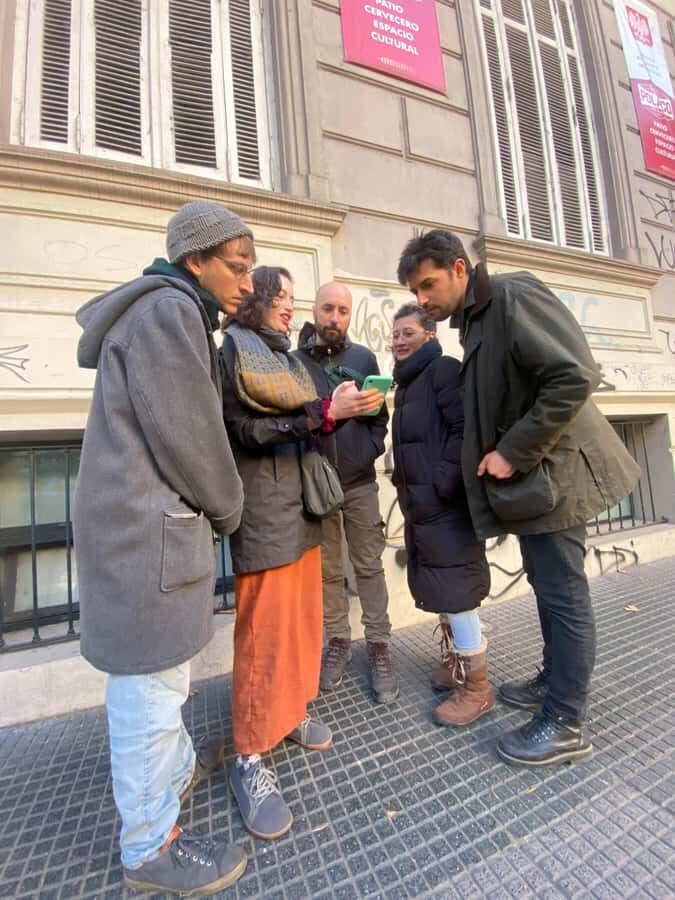
- An anthropologist-style walk where conversation matters as much as the route
- SoHo origin questions answered on the ground (train/tram links, early inhabitants, how the name took off)
- Gentrification explained with real money talk like real estate speculation and the Argentine peso devaluation, including the idea of two exchange rates
- Immigration history you can see in the streets with stops like Plaza Inmigrantes de Armenia and cultural associations
- A practical 2-hour loop from Distrito Arcos to Plaza Serrano, so you’re not stuck in a half-day maze
- A guide who makes it feel alive—Nico has led tours with a mix of humor, professionalism, and clear explanations
What makes this Palermo SoHo tour feel different
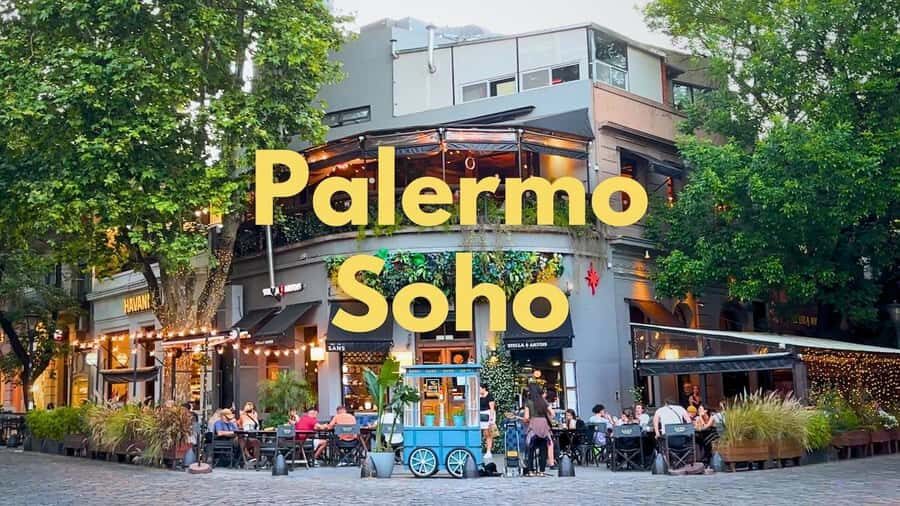
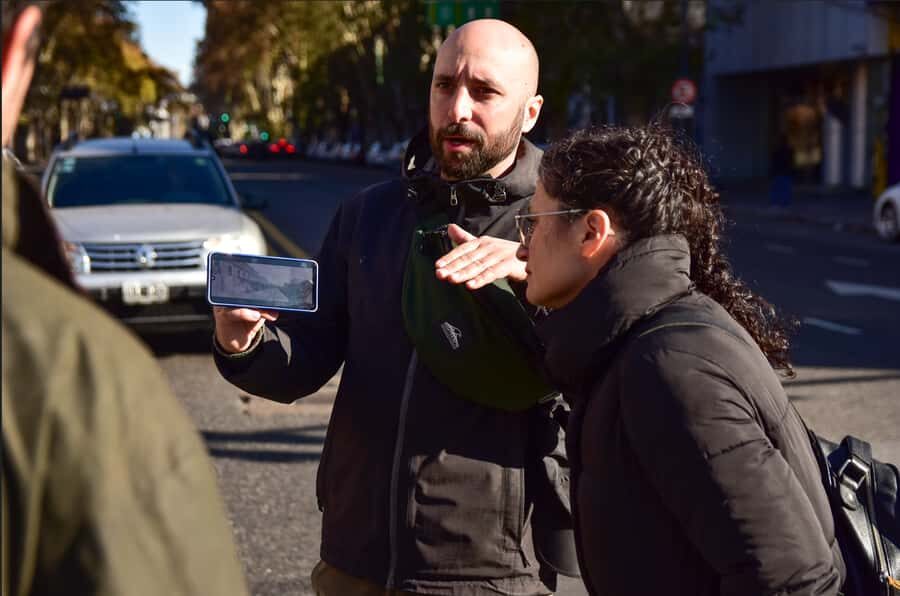
This isn’t a passive walk-and-listen tour where you just collect facts and move on. The whole point is that Palermo SoHo is a neighborhood with layers, and the guide uses those layers to spark discussion. Expect questions like what turned Palermo into SoHo, why tourists show up when they do, and how economic shifts show up in rent, storefronts, and who gets pushed out.
I especially like that the tour treats the neighborhood as a social system. You’re not just seeing trendy corners. You’re looking at how people, policies, and prices change the vibe of a block over time.
And yes, there’s room for humor. The route includes the kinds of details you’d normally ignore—passages, cultural spaces, small stops—and the guide uses them to connect the dots in a way that feels human, not academic.
Other Palermo tours we've reviewed in Buenos Aires
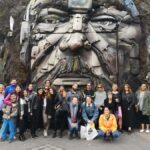

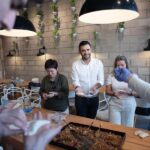
Price and timing: good value for a conversation-heavy 2 hours
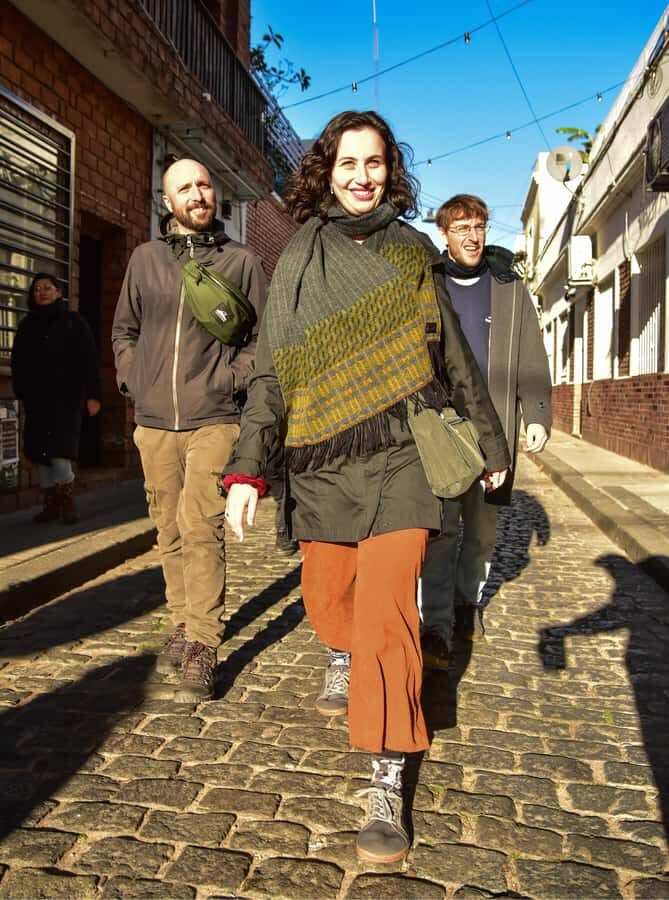
At $25 per person for 2 hours, this is priced like a smart add-on to your Buenos Aires day—not a “once in a lifetime” splurge. For the cost, you’re getting a guided walk plus discussion with a university-degree guide, and you’re also getting access to a point of view you can’t easily recreate on your own.
The time matters. Two hours is long enough to cover multiple parts of Palermo SoHo and finish with your bearings near Plaza Serrano. It’s also short enough that you can still eat, stroll, or do something else later without the day getting swallowed.
If you want a tour that feels like a conversation with a local thinker—rather than a slideshow—this timing and price make a lot of sense.
Meeting point reality check (Distrito Arcos near Montagne)
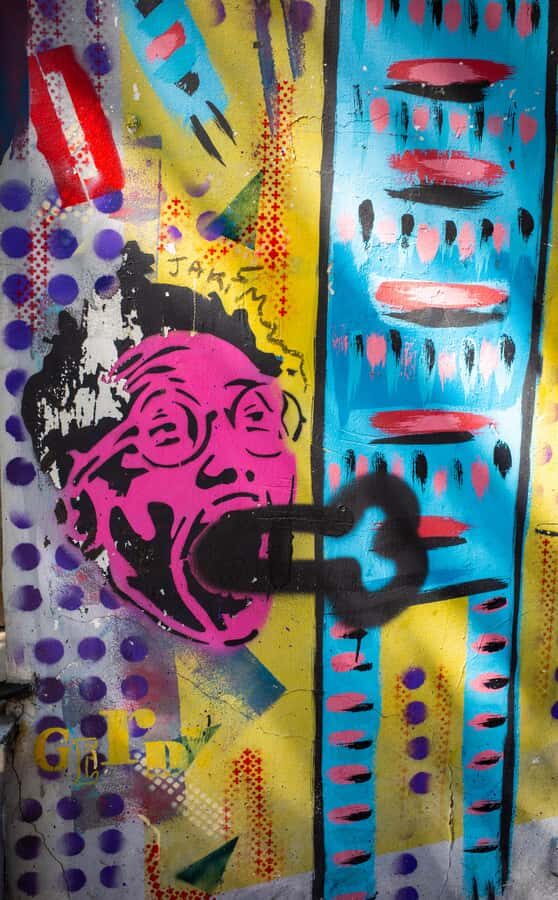
The tour starts by the amphitheater of Distrito Arcos, right next to the Montagne store. That detail sounds simple, but it’s the kind of meeting point where people can lose time if they arrive late or wander around looking at the wrong building entrance.
My practical advice: pull up the meeting-point pin before you leave your hotel, then plan to be there early. One of the nicest things about the experience is that the guide has been accommodating when someone had a hard time finding the spot—so don’t panic if you’re a few minutes behind, but do your best to start on time.
The route, stop by stop: what each part adds to the story
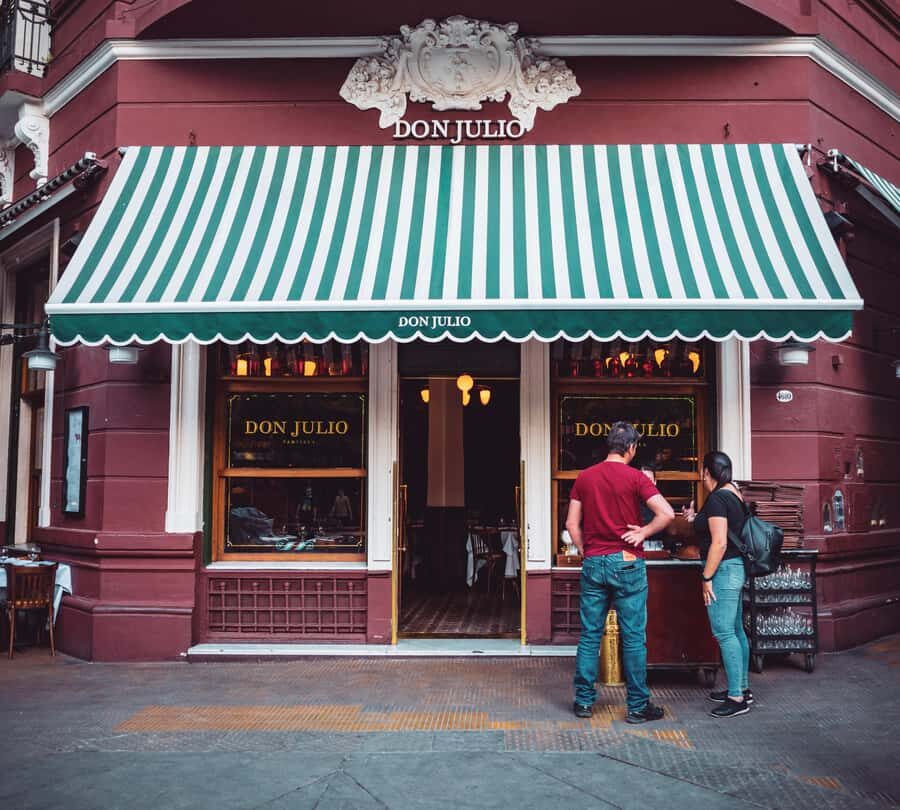
This walk runs from the Distrito Arcos area to Plaza Serrano, with a mix of quick guided stops, short visits, and one planned break for ice cream.
Montagne to Puente Pacífico: a walk that starts with infrastructure
You begin at Montagne at Distrito Arcos. From there, the tour heads toward Puente Pacífico for a short guided stop. It’s a classic way to start: talk about how movement and connection shape neighborhoods. Even if you don’t think about infrastructure much, the guide does—because later, the conversation loops back to how trains and the tram connect to the origin story of the area.
What I like here is that you don’t start with trendy facades. You start with the logic underneath why certain places develop the way they do.




Polo Cientifico Tecnológico: tech energy in the middle of neighborhood change
Next is Polo Cientifico Tecnologico with a longer guided segment. This part helps you understand how new identity forms when different “types” of activity arrive—work, research, students, and the service ecosystem that follows.
You’ll also be primed for the tour’s bigger theme: how Palermo becomes fashionable, and then how the neighborhood’s economics start pushing and pulling who lives there.
A small consideration: if you’re hoping for only old-world architecture stories, this stop keeps things more social and modern than that.
Pasaje Emilio Zola: why small streets matter
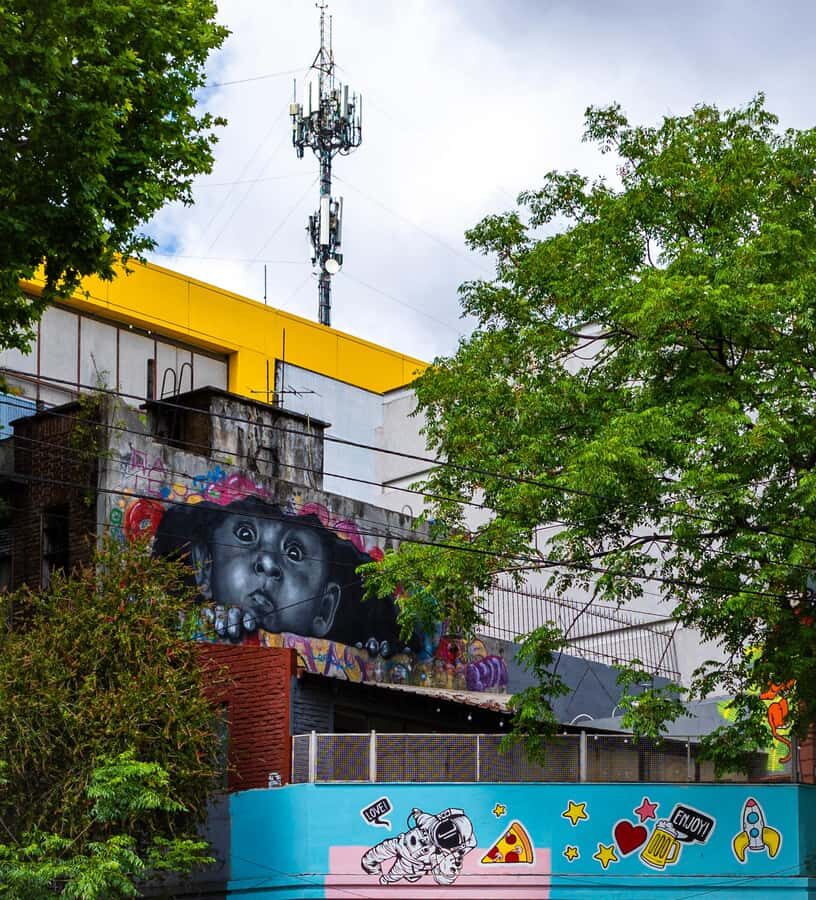
Then you visit Pasaje Emilio Zola. These passageways aren’t just cute connectors. They’re perfect for the tour’s approach: the guide can point at how a neighborhood changes scale—how something narrow can still reflect money, taste, and who’s in control of the narrative.
This stop also sets you up for later comparisons between the past and the present, especially the moment Palermo turns into a destination for tourists and the kinds of café culture that often come with that.
The Ukrainian cultural association (PROSVITA): culture, community, and continuity
You’ll have a guided stop at Asociación Ucrania de Cultura PROSVITA en la Republica Argentina (УКТ ПPОСВІТА). This is one of the tour’s key proof points that Palermo SoHo isn’t only about hip bars and modern dining. It’s also about communities with roots and institutions that keep traditions visible.
And because the tour is anthropological, the discussion doesn’t stay at surface-level. You’ll be pushed to think about how cultural organizations survive, change, or get impacted when a neighborhood becomes more expensive.
El Preferido de Palermo, Don Julio Parrilla, and Klub Polaco: food and identity in quick hits
The tour then strings together a few short visits: El Preferido de Palermo, Don Julio Parrilla, and Klub Polaco. These are brief stops, but they matter because they connect everyday public life—where people eat, meet, and belong—to the larger economic story unfolding around them.
Expect quick guided framing rather than long lectures here. It works because you’re walking, so you get just enough context without losing momentum.
If you’re food-motivated, you’ll probably like this part. If you’re strictly museum-minded, it can feel more street-level than you expected—but it still supports the theme.
ACILBA pass-by: seeing the institutions behind the noise
Next is a pass by at ACILBA. Even without a long stop, the point is clear: there are institutions involved in commerce and local business life, and those forces have a relationship to real estate, investment, and who benefits when areas go “upmarket.”
This is where the conversation starts leaning harder into why the tour’s gentrification topic isn’t just about feelings—it’s about money, incentives, and decision-making.
Plaza Inmigrantes de Armenia: the immigration-history pivot
You’ll stop at Plaza Inmigrantes de Armenia for a guided segment. This is one of the most important moments because it anchors the tour’s immigration-history theme in a place you can actually stand in.
What I like is how this stop gives you a counterweight to the “SoHo” storyline. It nudges you to ask: who was already here, who built networks, and what happens when a neighborhood gets rebranded through tourism and consumption.
Helados Italia break: a real pause that keeps you human
At Helados Italia, you get a break for 15 minutes. It’s timed well. After the guided talking stops, you need a breath, and a quick snack helps you digest what you just heard.
Practical tip: use the pause to review the themes in your head. If the tour has you thinking about prices, identity, and who gets displaced, take a moment during the break to connect those ideas to what you just saw.
Pasaje Russel: the final thread before Plaza Serrano
Then you visit Pasaje Russel for a guided segment. This stop works like a last stitch. It keeps the tour’s focus on how smaller urban spaces reflect larger social changes. It’s a good way to bring things full circle before you reach the finish.
Finish at Plaza Serrano: where the neighborhood’s mood shows
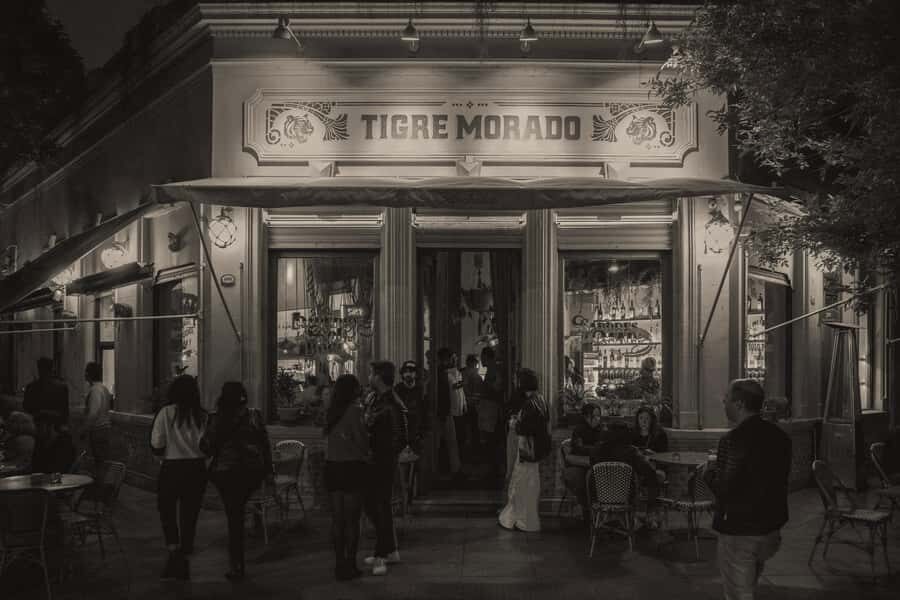
You finish at Plaza Serrano. This area is where Palermo SoHo’s public energy becomes obvious. Even after the conversations about gentrification and migration, you’ll still be able to watch how the neighborhood performs in the present—what’s being sold, what kind of crowd shows up, and how “hip” becomes a business model.
And because this tour ends here, you can keep walking or pivot to dinner without needing to backtrack.
The big topics: gentrification, money shifts, and the SoHo rebrand
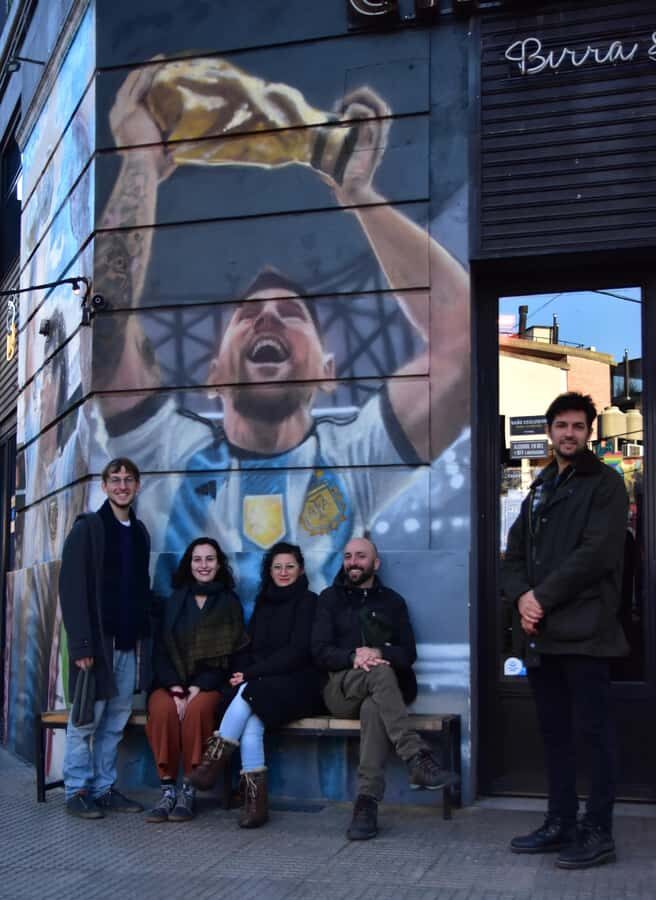
The tour’s center of gravity is how Palermo becomes Palermo SoHo. The guide tackles the origin questions (including the train and tram connection), then follows the neighborhood’s transformation: when it got filled with tourists and when chic bars and restaurants became part of the image. The tour also uses modern food-culture examples—like avocado toast and sourdough bakeries—as shorthand for a larger pattern: consumer trends arrive, and then prices follow.
What makes that conversation useful is that it’s not only about aesthetics. You also get talk about real estate speculation and how it connects to Argentine economic realities, including peso devaluation and the idea of two exchange rates.
I like how the tour treats these things as explainable, not mysterious. You don’t have to be a finance person to get the logic. The guide is there to translate what big shifts mean on the street level.
Who this tour fits best (and who should choose something else)
This tour is a great fit if you:
- like tours where you can ask questions and talk back
- enjoy anthropology-style perspectives on everyday life
- want to understand gentrification as a process, not just a slogan
- care about how immigration history shapes cities over time
It might be less ideal if you want a quiet, photo-only stroll with minimal discussion. The whole model is built for interaction, and you’ll get the most if you’re willing to chat and think as you walk.
The guide experience: what past tours suggest about quality
The experience is led by a university-degree guide, and the tone described by recent participants is consistent: Nico has been humorous, professional, and able to make the place feel real instead of just described. People also liked how Nico helps when logistics get messy, like someone having trouble finding the meeting point.
That combination matters. A good guide can be smart, but an excellent one makes the information usable—so you leave with better questions, not just more facts.
Should you book Palermo SoHo for curious people?
Yes, if you want Palermo SoHo with context. This is the kind of tour that helps you notice what’s happening beneath the trendy surface: the migration threads, the cultural institutions, and the economic pressure that changes who belongs.
I’d say book it especially if:
- you only have a short time in Palermo and want a tight, high-impact walk
- you like tours with real conversation
- you’re curious about how neighborhoods become brands—and who pays the bill
Skip it if you want a low-energy, silent walk or if you’re allergic to discussion. But if you’re genuinely curious, this tour hits a sweet spot: street-level walking with big-picture meaning, delivered in an easy, human way.
FAQ
How long is the Palermo SoHo for curious people tour?
It lasts 2 hours.
Where do I meet the guide?
You meet by the amphitheater of Distrito Arcos, right next to the Montagne store.
What language options are available?
The live guide offers Spanish, French, and English.
What does the tour include?
You get a guided walk through Palermo SoHo and discussion/interaction with a university-degree guide.
Is the tour wheelchair accessible?
Yes, it’s wheelchair accessible.
How much does it cost?
The price is $25 per person.
What is the cancellation policy?
You can cancel up to 24 hours in advance for a full refund.