REVIEW · BUENOS AIRES
Buenos Aires: Recoleta Neighborhood Walking Tour
Book on GetYourGuide →Operated by Signaturetours · Bookable on GetYourGuide
Recoleta feels like Buenos Aires in costume. In about two hours, you get an on-foot tour of Argentina’s most aristocratic pocket, with French-style façades, grand stonework, and the kind of city planning that makes you look up every few steps.
I love that the tour doesn’t just point at landmarks. It builds a story: you start at the Recoleta Cementery area, spend real time there, then shift into parks and Belle Époque architecture as you head north. One thing to consider: this is still a walking tour in a big city, so you’ll want good shoes and be ready for sidewalk time.
A second reason I like this tour is how it mixes art and architecture instead of staying stuck in one mood. You’ll touch major art stops, see major design features like Floralis Genérica, and finish near MALBA, which is a convenient spot to keep exploring after the guide leaves you.
In This Review
- Key things to know before you go
- Recoleta: why this neighborhood feels different
- Price and value: what $93 buys you in 2 hours
- Meeting at Recoleta Cementery: how the tour actually starts
- Recoleta Cemetery: Eva Perón’s crypt and the “marble city” lesson
- Law University and grand Belle Époque blocks: what you notice after the cemetery
- Floralis Genérica and Recoleta’s parks: a surprising design moment
- Art stops that keep the tour from feeling one-note
- Embassies and northward views: where power shows on the streets
- Ending at MALBA: what to do next with your extra time
- Who this tour fits best
- Should you book this Recoleta walking tour?
Key things to know before you go
- Meet right at Recoleta Cementery so you get oriented fast, without struggling through the neighborhood first
- Eva Perón’s crypt is a highlight, with time built in for a proper visit
- A tight 2-hour route that links cemetery, parks, landmark buildings, and art stops
- Floralis Genérica and campus-style architecture give you variety in a short walk
- MALBA makes a smart ending point if you want to continue on your own
- Guides like Anahi, Veronica, Micaela, Barbi, and Florencia are praised for clear English and adjusting to what the group wants
Recoleta: why this neighborhood feels different
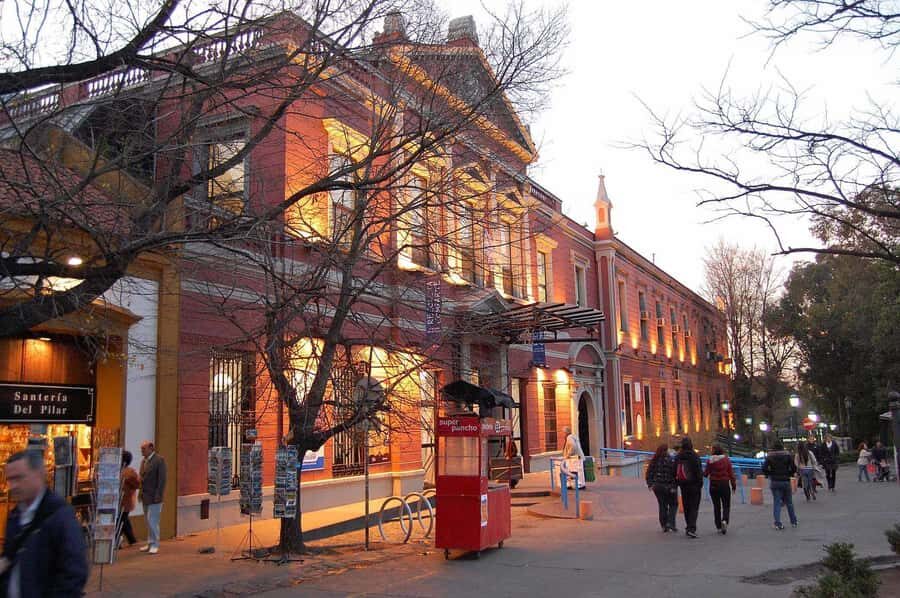
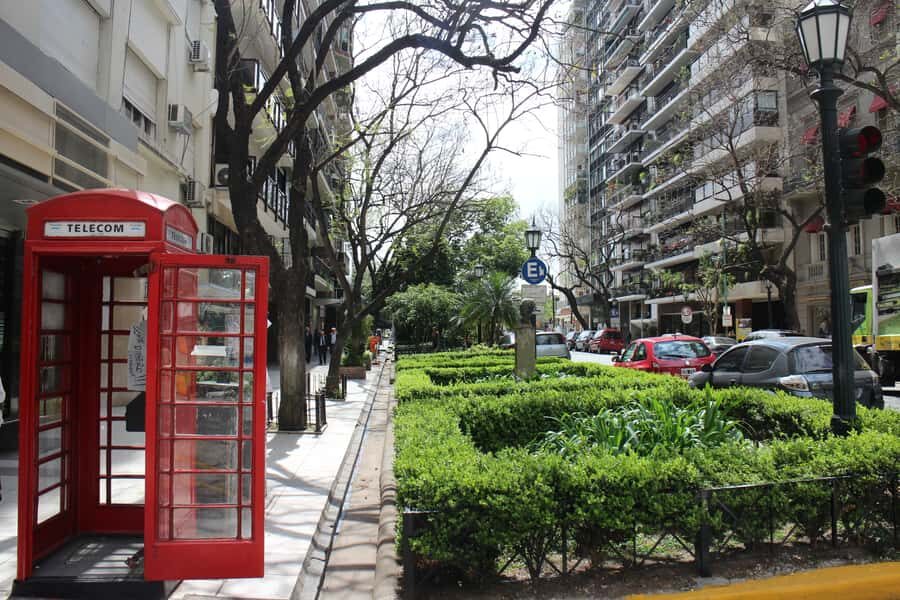
Recoleta is one of those places in Buenos Aires where the streets make a strong impression before you even read a sign. The area leans into grandeur—stone fronts, ornate details, and a skyline that feels choreographed. Even if you’ve only seen a few photos, walking here helps you understand why people call it the Paris-of-South-America vibe.
This tour is built for that feeling. It starts with the neighborhood’s most visual symbol: the cemetery’s “mini-marble city.” Then it expands outward into plazas, parks, and institutions that show how Recoleta’s status shaped where power, culture, and style landed.
Other Buenos Aires tours we've reviewed in Buenos Aires



Price and value: what $93 buys you in 2 hours
At $93 per person for a 2-hour guided walk, you’re paying for two things: a skilled guide and a route that uses time efficiently. In a city like Buenos Aires, that matters. You could wander Recoleta on your own, but you’d likely miss how the buildings, monuments, and even the cemetery connect into one neighborhood narrative.
The best value here is the combination of:
- A guided cemetery visit with time to take it in (not a quick pass)
- High-impact stops you can’t easily interpret without context, especially around monuments and major institutions
- An ending at a real cultural anchor (MALBA), which helps you keep momentum even after the tour
If you like walking tours that feel curated—but not rushed—this pricing makes sense.
Meeting at Recoleta Cementery: how the tour actually starts
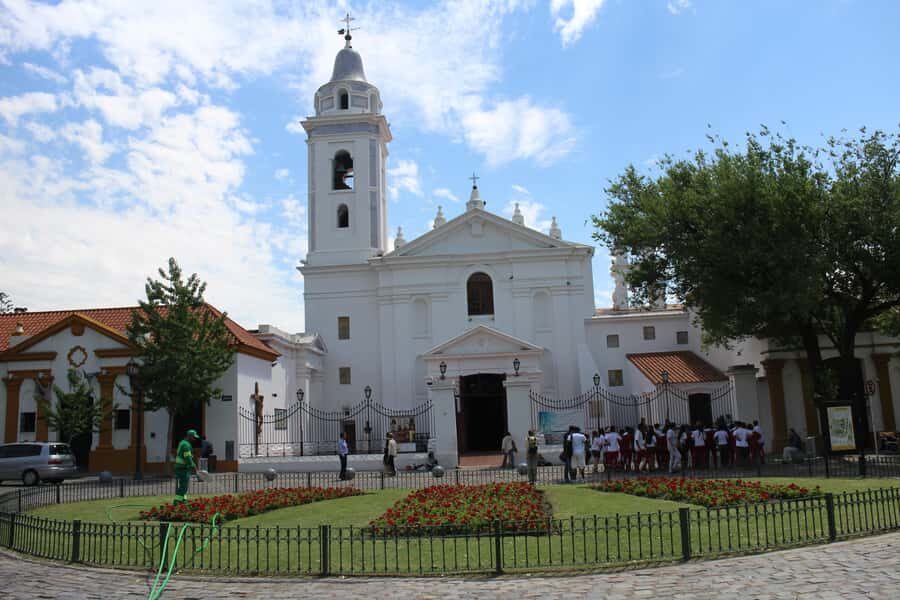
You meet ten minutes before the official start time, right in front of Cementerio de la Recoleta. That timing helps in two ways: you’ll be there before groups get thicker, and you won’t lose the first part of the tour to finding the meeting spot.
From there, the guide sets the scene with a short explanation. The goal is simple: you should understand what you’re about to see—why Recoleta’s elite identity is still visible in the streets and in the cemetery itself—before you step into the main sightseeing time.
The walk portion is not described as punishing. Reviews suggest it’s a manageable pace, which fits a typical visitor rhythm: stop often, look closely, and move at a city-walking tempo.
Recoleta Cemetery: Eva Perón’s crypt and the “marble city” lesson
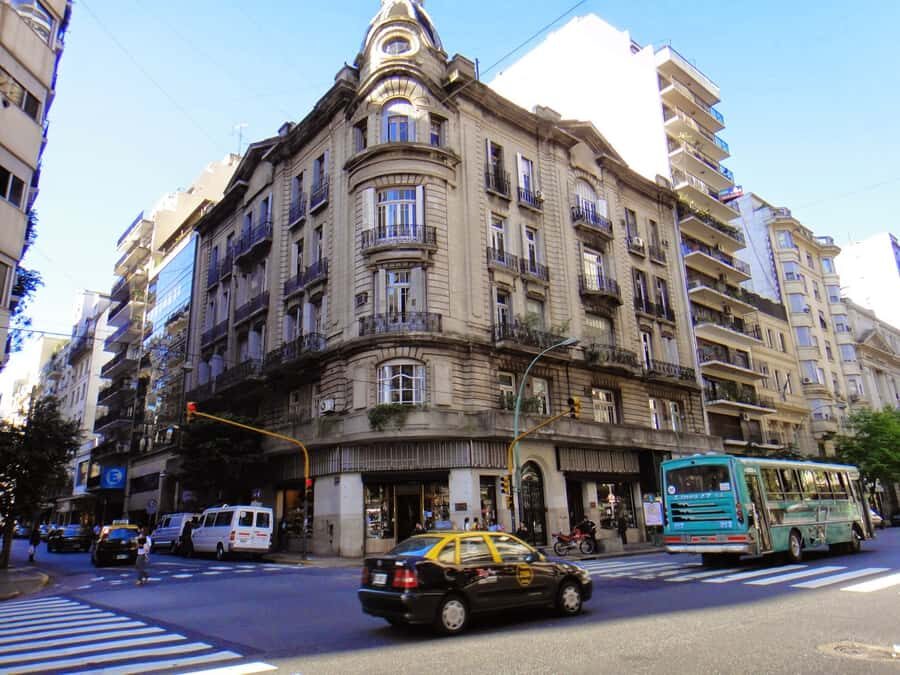
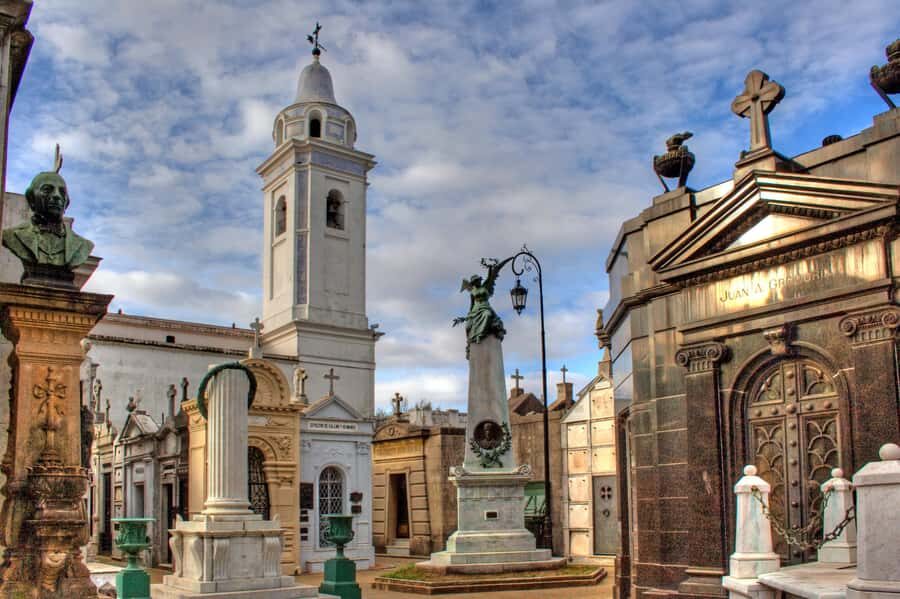
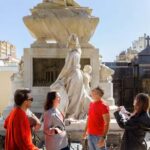
The heart of this experience is the cemetery, where the tour spends about 45 minutes. This is not a quick photo stop. You get a guided visit through the ornate world of family vaults and sculpted memorials, which can feel overwhelming if you go in cold.
The standout focal point is Eva Perón’s crypt. Having a guide here matters because the cemetery isn’t just about one famous person—it’s about how Buenos Aires’ upper classes wanted to be remembered, and how power and art show up in stone.
If you’ve ever visited cemeteries abroad and felt like you were just looking at dates, this is the kind of tour that helps the details click. You’ll come away understanding why the designs look the way they do and what they signal about status, belief, and identity.
Practical note: the cemetery visit is the big time block, so if you’re not interested in funerary art or the Perón story at all, you may want to consider a different Recoleta-style tour.
Law University and grand Belle Époque blocks: what you notice after the cemetery
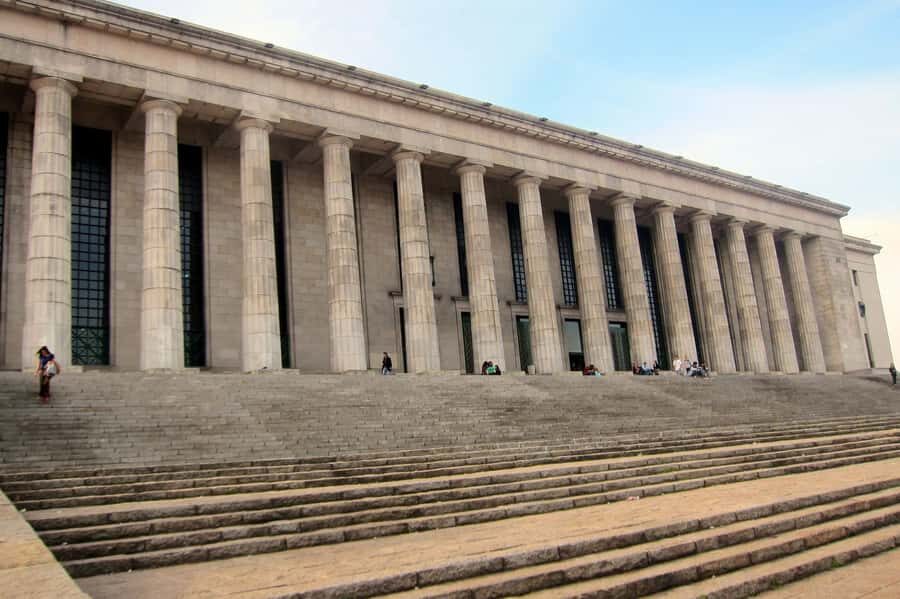
After the cemetery, the tour starts transitioning from “stone memorials” to “stone ambition.” The next stretch leans into big architecture and institutional buildings, including a stop at Facultad de Derecho (UBA).
This is where Recoleta starts to look like the neighborhood it’s famous for: official buildings, formal geometry, and a sense that the city planned its prestige. Seeing the cemetery first helps here. When you move from ornate tombs to grand public architecture, you get the bigger picture of how the elite shaped the physical city.
You’ll also notice more open views and park-adjacent scenery as the route continues north. The tour is designed so the shift doesn’t feel random; it feels like stepping from one chapter of Recoleta into the next.
Other La Recoleta Cemetery tours we've reviewed in Buenos Aires

Floralis Genérica and Recoleta’s parks: a surprising design moment
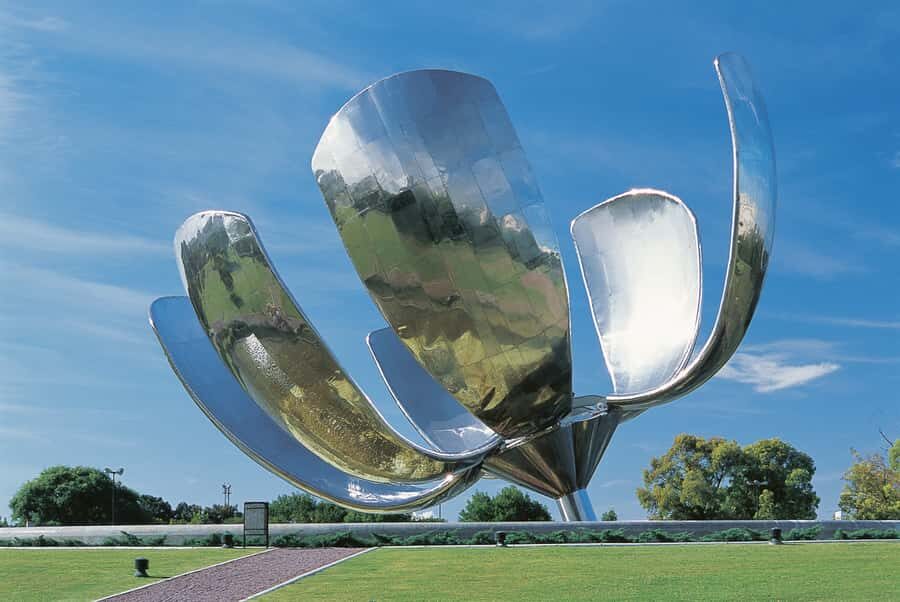
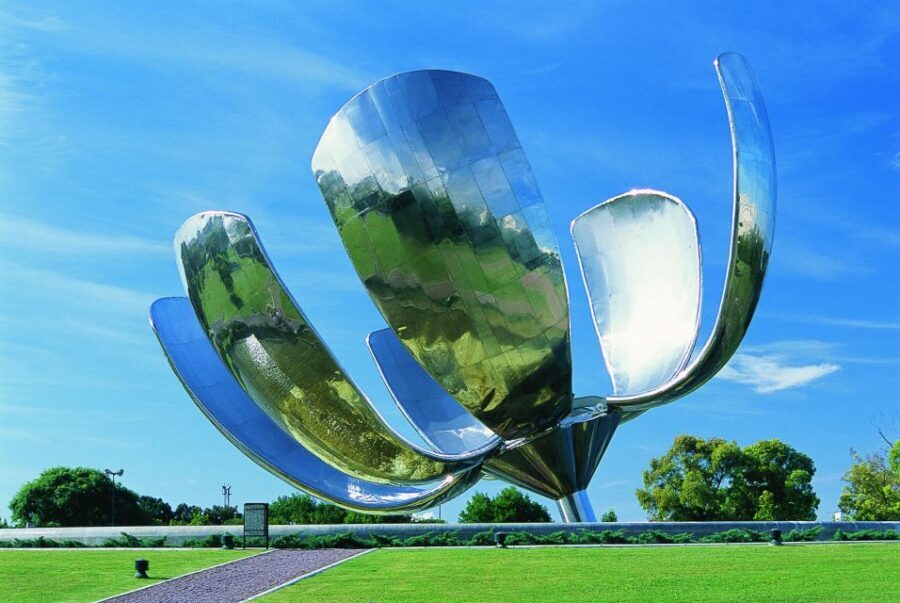
One of the best parts of this route is the stop for Floralis Genérica. In many cities, public art can feel like a detour. Here, it feels like a breath of fresh air after the cemetery—modern, sculptural, and instantly photo-friendly.
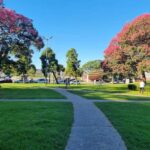
The tour includes time to walk and look around the area around the gardens and open spaces. That matters because Floralis Genérica is more interesting when you can see it from different angles, not just from one straight-on perspective.
Think of it like this: the cemetery teaches you how Recoleta remembers the past. Floralis Genérica shows how the neighborhood frames present-day identity through design and public space.
Art stops that keep the tour from feeling one-note
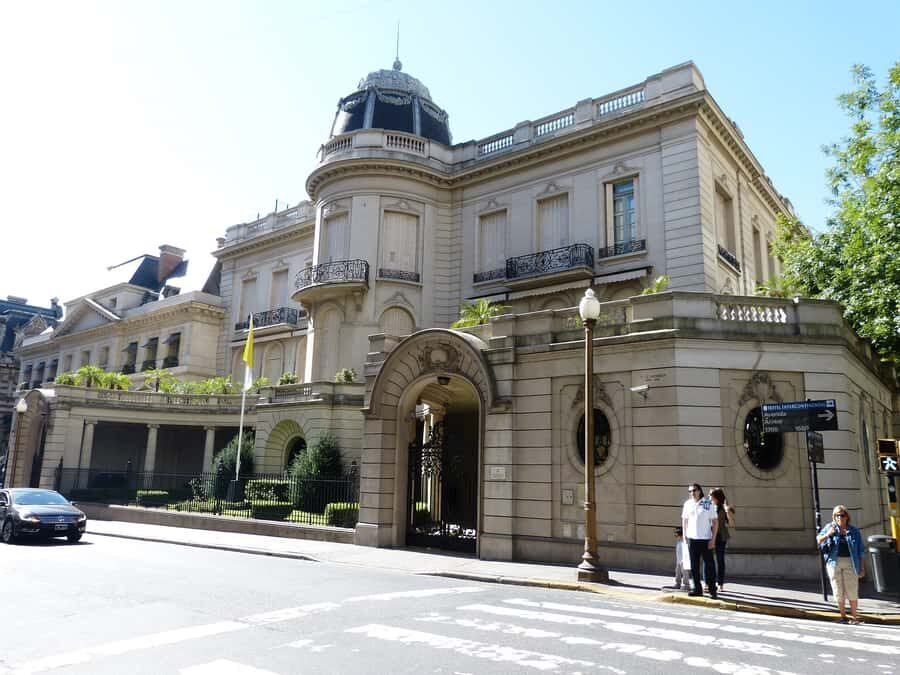
You get several art and culture hits in the middle of the walk, and the best trick is that they’re spaced so you don’t feel overloaded.
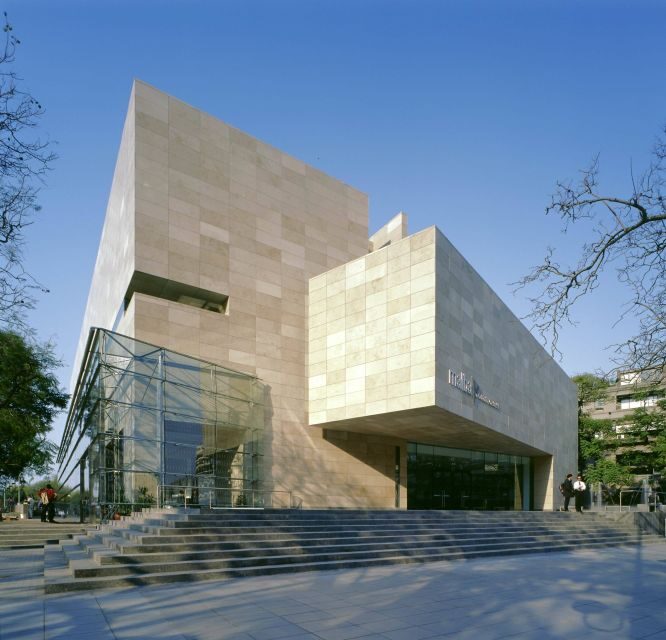
- Museum of Latin American Art of Buenos Aires (MALBA) appears as both a stop and the tour’s finishing point idea, which is handy if you want to keep going afterward.
- Museo Nacional de Bellas Artes adds a more traditional art museum vibe to the route, so your cultural experience isn’t only about modern design.
- Palais de Glace enters the mix as another landmark along the way, reinforcing that Recoleta isn’t just pretty streets—it’s packed with institutions and cultural buildings.
Short guided visits at multiple stops can feel like a lot, but here it works because the tour is aiming for orientation. You’re not trying to “see everything.” You’re learning what to look for and where the major cultural anchors are.
Embassies and northward views: where power shows on the streets
As you continue through the Recoleta area, you’ll get views and architectural details tied to official life, including where embassies are located. This is one of those moments where the tour connects the dots.
After the cemetery and major institutions, embassies make sense. They’re another layer of the neighborhood’s status. Even if you never visit inside, you get the feeling of how international connections and prestige shaped where buildings went up.
This segment also helps you understand the neighborhood layout. Instead of only seeing one pocket, you start to recognize patterns: which blocks look ceremonial, which streets feel civic, and where the bigger structures cluster.
Ending at MALBA: what to do next with your extra time
The tour ends at MALBA, and that’s a smart finish. Even if the guide wrap-up happens and you feel like you’ve “done your Recoleta,” MALBA gives you an immediate option to extend the day.
If you still have energy, you can linger in the area, continue exploring nearby streets, or pair the museum with another local stop you’ve spotted during the walk. Finishing at a known anchor also reduces stress; you don’t have to figure out where to go next as the tour ends.
Who this tour fits best
This is a great match if:
- You want an introduction to Recoleta’s identity fast, without getting lost
- Cemetery symbolism and Eva Perón’s crypt are on your must-see list
- You like walking routes that mix history, architecture, parks, and art
- You appreciate a guide who can adjust the route. The experience is praised for that kind of flexibility, including guides such as Anahi and Florencia, who are described as enthusiastic and ready to talk through what the group cares about
It may be less ideal if:
- You only care about modern city sights and don’t want a major block of time inside the cemetery
- You prefer long museum time over guided highlights across multiple stops
Should you book this Recoleta walking tour?
Yes—if you want a well-paced snapshot of Recoleta that explains what you’re looking at. The value comes from the time allocation: a meaningful cemetery visit, then a guided route through architecture, parks, and art landmarks that makes the neighborhood easier to navigate later on your own.
If your priorities are Eva Perón, grand Recoleta architecture, and a guided orientation that ends near MALBA, this is the kind of tour that saves you time and helps you see more with less guesswork. If you’d rather spend the entire day in one place, consider pairing this with a longer museum visit on your own afterward.