REVIEW · BUENOS AIRES
Buenos Aires for curious people
Book on GetYourGuide →Operated by Social&Cultural · Bookable on GetYourGuide
Buenos Aires can feel confusing fast.
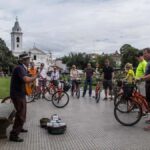
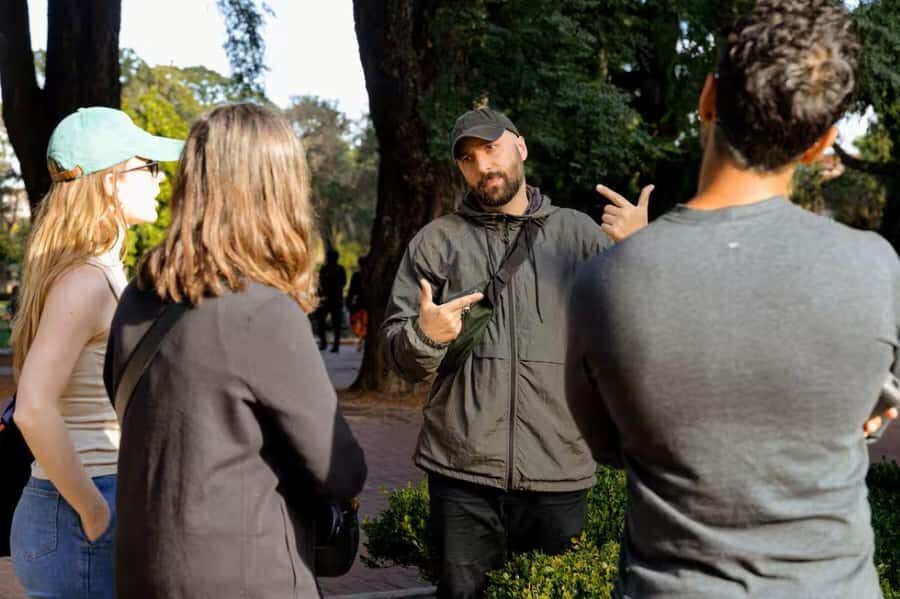
This tour turns the city into a guided conversation, the kind that makes you stop, look again, and connect old stories to what you see today. I like the anthropological lens that explains how people and power shaped the city, and I also like that the walk keeps moving from one meaningful site to the next instead of doing the usual quick photo stops. In my experience with guides on this route, Nicolás stands out for keeping things clear and answering questions without rushing you.
What I’d watch for is that this is a walk-and-talk itinerary. You’ll be on your feet for most of the three hours, and you’ll want comfortable shoes and water, especially with Buenos Aires weather doing its thing.
In This Review
- Key highlights you’ll actually feel
- Getting oriented: why this walk works better than a standard city tour
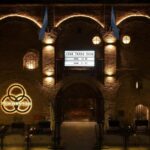
- Bar Británico: the start that sets the tone
- Parque Lezama: where the city’s past starts to show
- Russian Orthodox Church of the Holy Trinity: immigration shows up in stone
- Club Sueco Restaurante: European influence isn’t just a headline
- Espacio para la Memoria ex CCD Club Atlético: memory is part of the city
- Parroquia de San Pedro González Telmo: old religious Buenos Aires
- Plaza Dorrego and San Telmo Market: a quick beat of the neighborhood
- Facultad de Ingeniería and UCA Santa María de los Buenos Aires: institutions that shape tomorrow
- Puente de la Mujer: modern Buenos Aires, placed in context
- Ending at Museo Casa Rosada, Casa Rosada, Plaza de Mayo: the political spine
- Value for your time: is this $30 worth it?
- Who this tour fits best
- If you book: what to do before you go
- Should you book this Buenos Aires tour?
- FAQ
- Where do we meet for the tour?
- How long is the experience?
- How much does it cost?
- What’s included in the price?
- Are meals and drinks included?
- Is transportation to the starting point included?
- What languages is the live guide available in?
- Is the tour wheelchair accessible?
- What should I bring?
- Is there free cancellation?
Key highlights you’ll actually feel
- Lezama Park to Casa Rosada: a route that explains how Buenos Aires grew into its political center
- African-descendant and British influence: the conversation isn’t one-sided, and the questions are specific
- Espacio para la Memoria ex CCD Club Atlético: memory and politics are treated with care, not as trivia
- San Telmo Market break: a real pause to regroup in the middle of the story
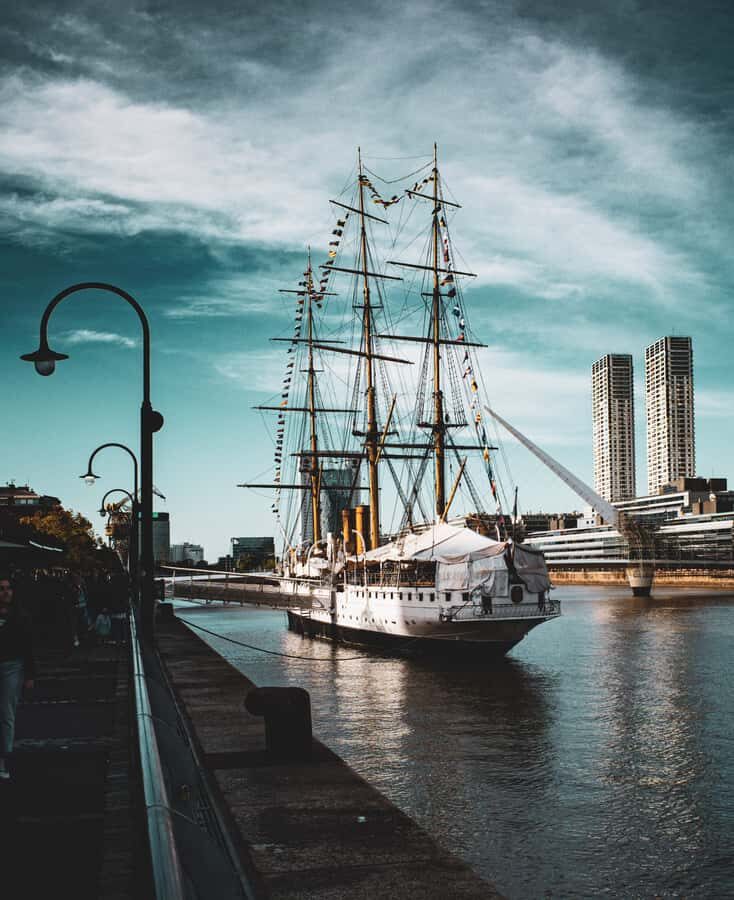
- Puente de la Mujer: a modern landmark placed in the city’s older layers
- Ask-everything format: you’re invited to talk, not just listen
Getting oriented: why this walk works better than a standard city tour
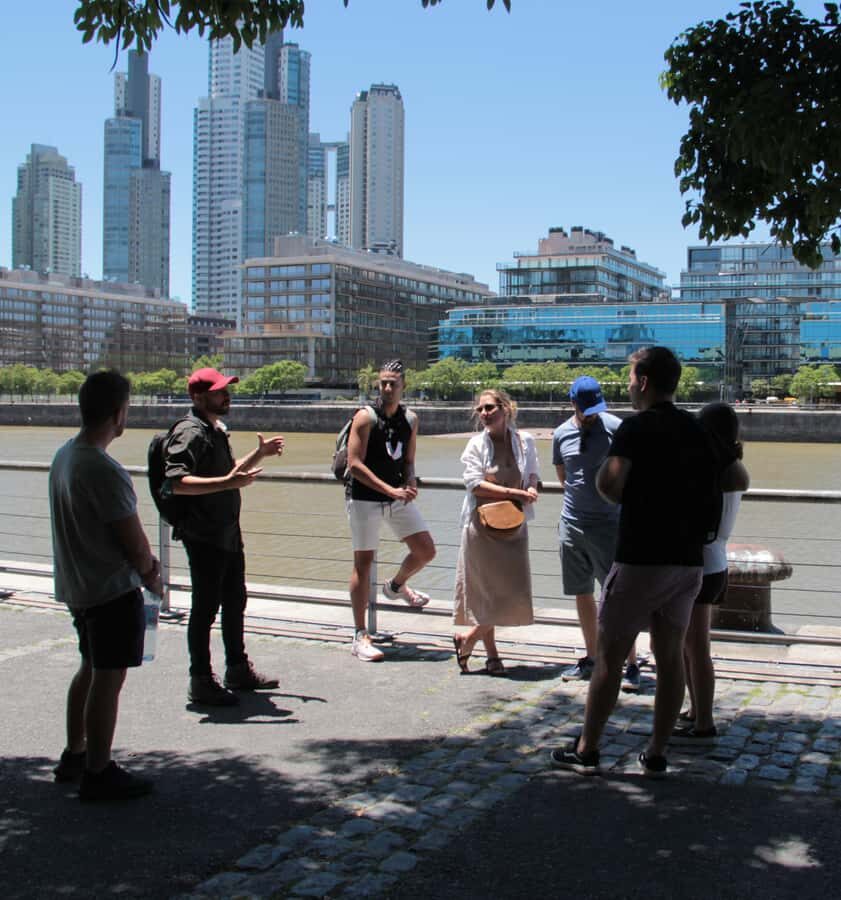
Buenos Aires is big on self-invention. One block you’re in a world of churches and old houses; the next you’re staring at institutions that still shape politics, culture, and daily life. This tour helps you understand why the city looks the way it does, using the city as your textbook.
The format matters. Instead of just listing dates, your guide focuses on cause-and-effect questions: who the first inhabitants were, why the British were so interested in these shores, what happened to the city’s African-descendant population, and how Argentina became a nation of immigrants. You’ll also talk about the political leaders tied to the modern state and how later trauma and remembrance still influence what people say and do.
At a cost of $30 per person for about three hours, you’re paying for a professional guide plus access to a route that hits a lot of meaning in a short time. It’s not a bargain in the sense of being “cheap no matter what,” but it is a good deal for anyone who wants a first, grounded understanding of Buenos Aires without wasting half a day.
Other Buenos Aires tours we've reviewed in Buenos Aires
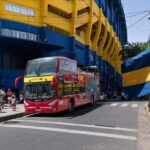
Bar Británico: the start that sets the tone
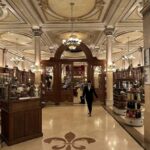
The meeting point is Bar Británico, which is a smart way to begin. Starting near a public, lived-in spot helps you immediately shift from tourist mode into neighborhood mode.
Right away, expect the conversation to frame what you’ll be seeing. You’re not just walking to landmarks—you’re building a set of ideas you’ll test against what the streets show. This is also where your guide can shape the discussion depending on your questions, and that’s a big reason the tour feels more personal than a scripted route.
If you’re the type who gets restless listening to facts with no chance to ask questions, you’ll probably like how the tour keeps giving you openings to talk.
Parque Lezama: where the city’s past starts to show
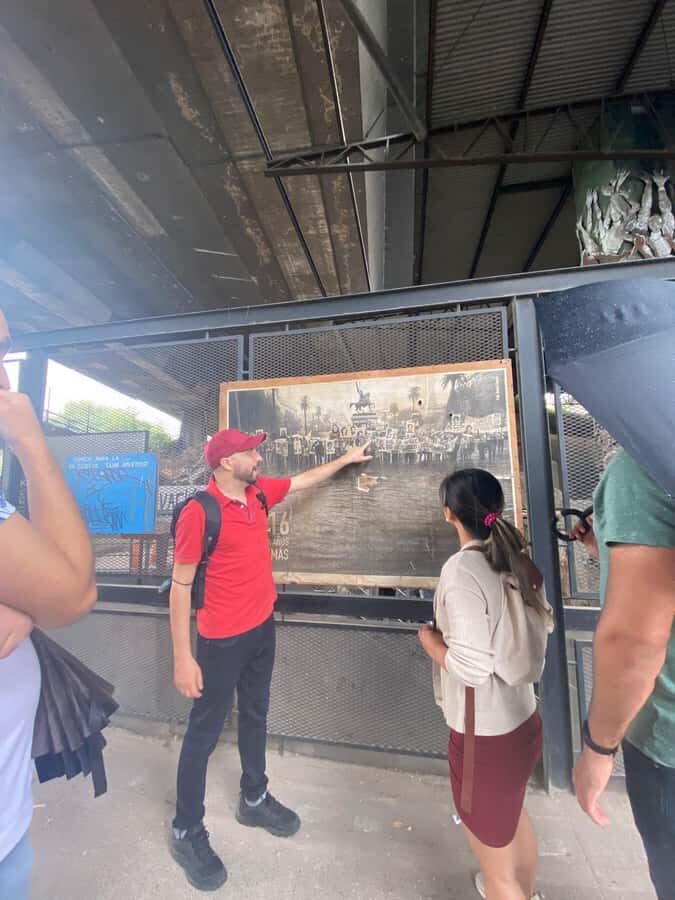
You begin with Parque Lezama (about 15 minutes). Parks in big cities can be “pretty and quiet,” but this one works as a launching pad for history. Your guide uses the area to explain early Buenos Aires from an anthropological perspective, focusing on how communities formed and what the city’s physical growth meant for daily life.
This is also a good first stop if you’re arriving with a lot of questions but no structure yet. The park gives you breathing room, and it’s early enough in the walk that you’ll still remember the key themes when you move into denser neighborhoods.
A small drawback: since it’s early, you may feel slightly more oriented “in your head” than “on the street.” That’s normal. You’ll feel the payoff more as the route continues.
Russian Orthodox Church of the Holy Trinity: immigration shows up in stone
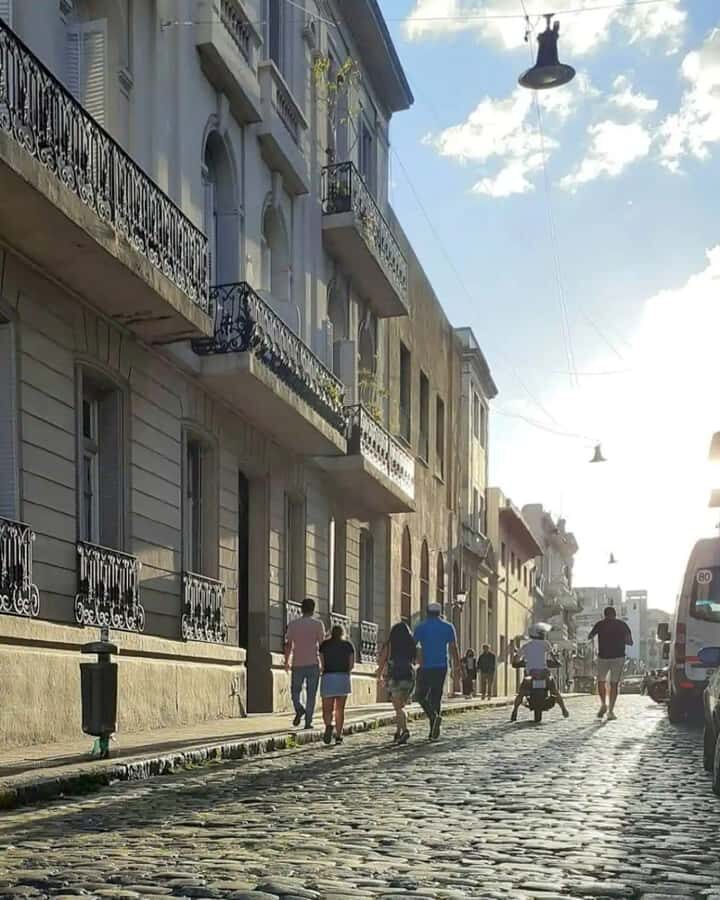
Next is the Russian Orthodox Church of the Holy Trinity (around 10 minutes). This stop is valuable because it proves that Buenos Aires wasn’t built only by one cultural wave. The city absorbed immigrants and communities in ways that are still visible in religious architecture.
Even if you’re not a church person, this is a strong kind of visual evidence. You’ll hear how immigrants and their institutions helped shape the city’s social fabric—part of the same story as the larger question your guide asks: how did Argentina become a nation of immigrants?
Tip for you: bring your phone or camera, but don’t just snap the building. Look at the details your guide points out, because those details usually connect to the bigger themes (identity, community, and public presence).
Club Sueco Restaurante: European influence isn’t just a headline
You then pass Club Sueco Restaurante (about 10 minutes). A “club” in Buenos Aires can be more than a restaurant sign. These spaces often represent the social infrastructure immigrant groups built—places to gather, build networks, and maintain culture while living in a different country.
This is where the tour’s discussion about the British interest in the city connects to the wider European involvement. It’s not only about invasion or politics. It’s also about trade, power, and the way foreign interests affected local growth.
One thing to consider: these stops are short. If you’re hoping for a long sit-down inside every site, this tour is not that. It’s a walking story, with brief stops designed to keep the momentum and link the next theme.

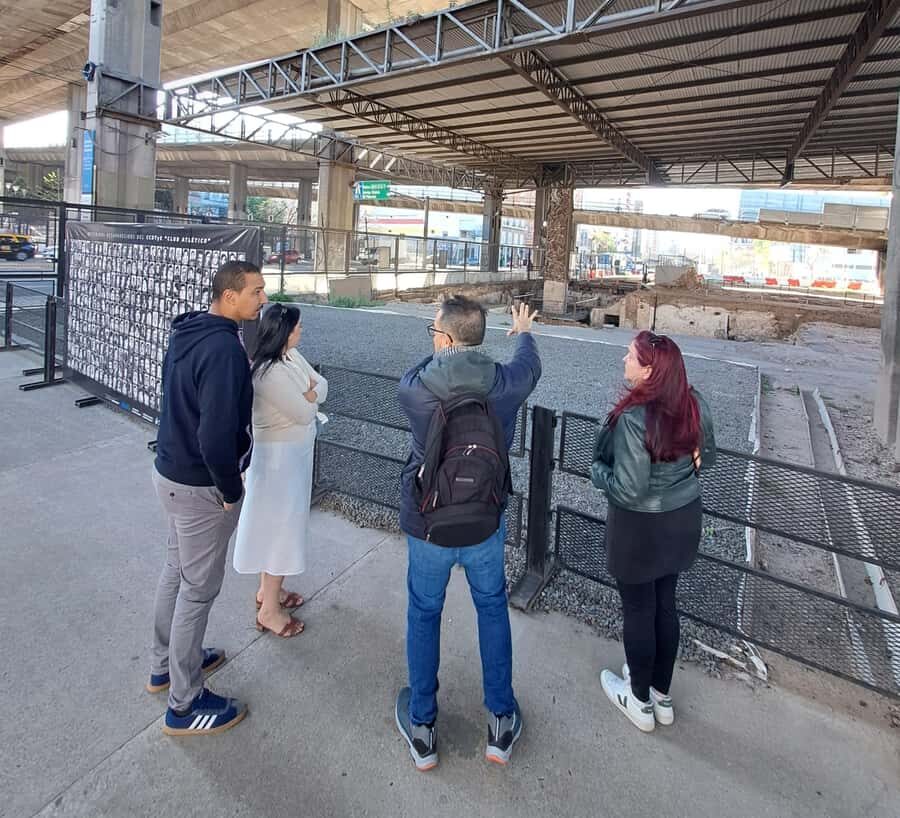
Espacio para la Memoria ex CCD Club Atlético: memory is part of the city
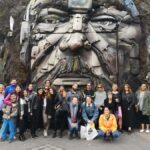
A heavier moment comes at Espacio para la Memoria ex CCD “Club Atlético” (about 10 minutes). This is one of those places where history isn’t behind glass. It’s part of how the present is understood, especially when you hear about the people who were disappeared and why that memory matters in modern Argentina.
This stop fits the tour’s bigger question about trauma and remembrance. You’re not being told to feel a certain way. You’re being given context for why memory shapes politics and identity here.
Practical note: expect a more serious tone. If you’re sensitive to this kind of subject matter, plan to take a breath after the stop and use the next walk to reset your head.
Parroquia de San Pedro González Telmo: old religious Buenos Aires
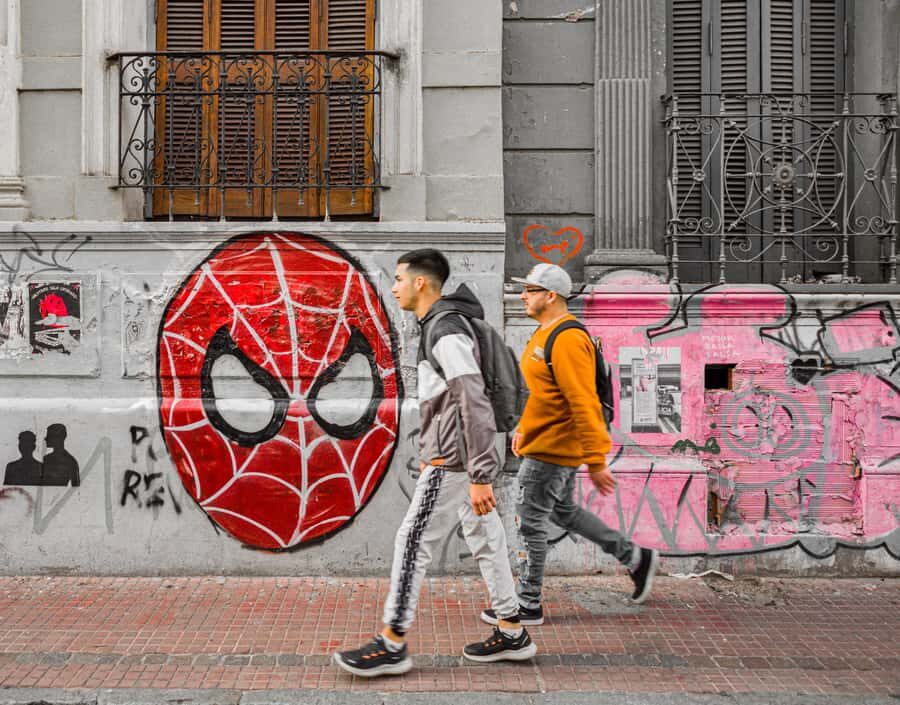
Next you visit Parroquia de San Pedro González Telmo (around 10 minutes). Telmo areas often bring you face to face with Buenos Aires as a place that keeps older layers visible. This church stop supports the tour’s theme of “past and present” as two things you can see at the same time.
It’s also a good place to think about how neighborhoods develop: the city isn’t only moved by presidents and major events. Religious and community institutions anchor life, and that changes what streets become over decades.
The drawback here is simple: you’re walking through an area that can be busy. Go at the pace your guide sets, and don’t try to sprint ahead for photos.
Plaza Dorrego and San Telmo Market: a quick beat of the neighborhood
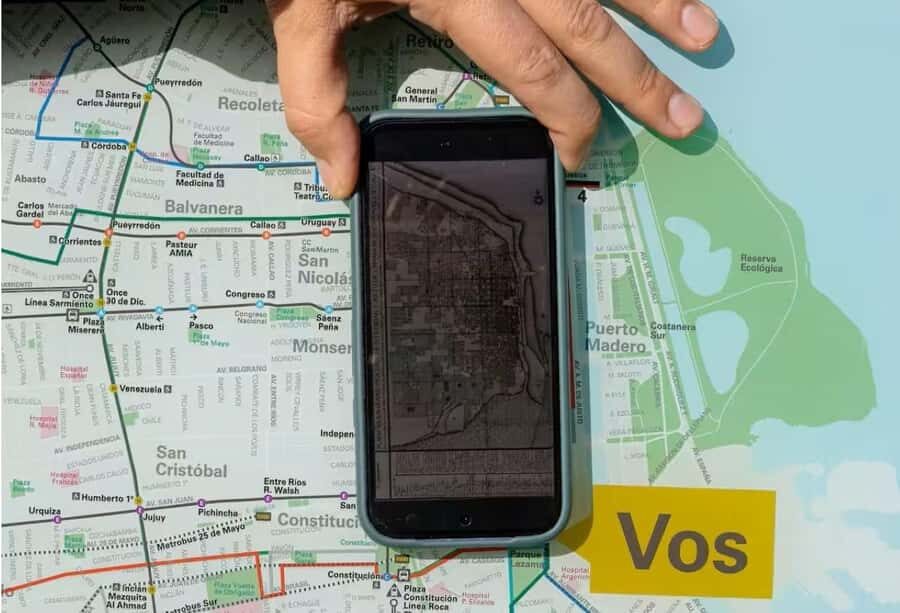
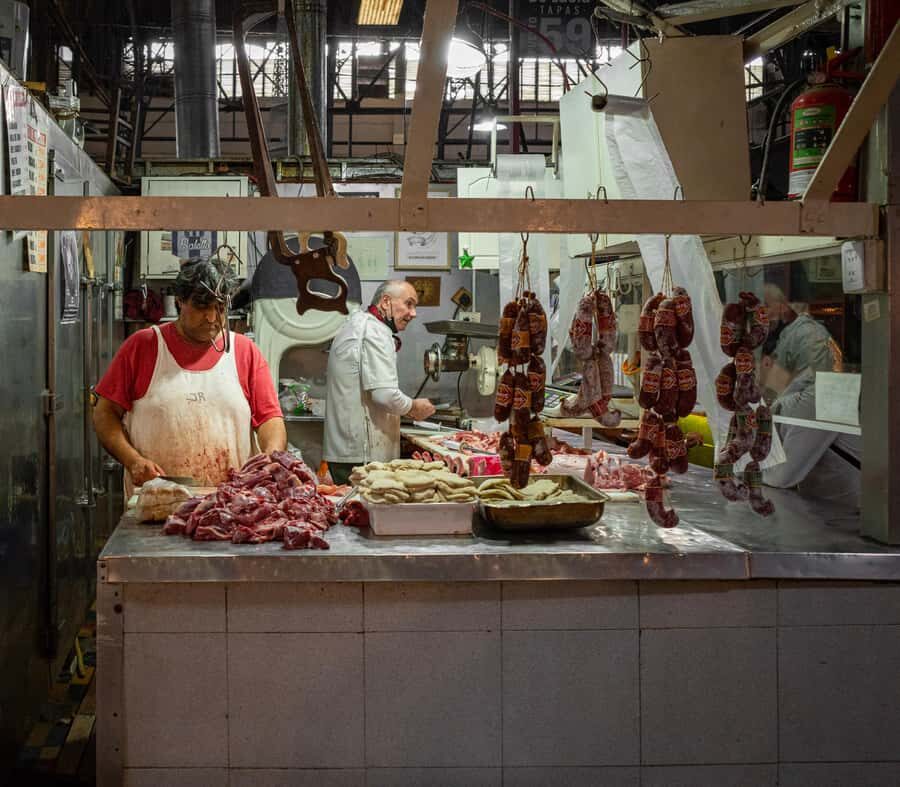
You’ll then reach Plaza Dorrego (about 5 minutes) and move into San Telmo Market (around 20 minutes) for a break.
This portion is smart because you get both: a small central square stop and then an actual chance to slow down. The market break isn’t just a snack break. It’s a chance to absorb the neighborhood feel while the guide’s themes are still fresh.
If you want a practical approach to the rest of the city, this is when you start. You’ll likely notice how the market area reflects the city’s mix of old and new—exactly the kind of contrast the tour uses to explain Buenos Aires as a changing organism.
Suggestion: use the break time to buy water if you need it, and don’t over-plan. Keep it simple. You’re here for context, not a shopping expedition.
Facultad de Ingeniería and UCA Santa María de los Buenos Aires: institutions that shape tomorrow
After the market, the walk continues to Facultad de Ingeniería (about 5 minutes) and then UCA Santa María de los Buenos Aires (around 10 minutes).
These short stops are easy to overlook on your own, but in this route they serve a clear purpose. Education and institutions are part of the story of how Argentina builds its future—and how politics, economics, and ideas spread through society.
This is a good time to ask questions if you’re curious about the direction of the country. Even without going into classroom-level detail, the guide’s framing helps you connect the dots between political events and long-term social change.
If you dislike school-campus vibes, just remember: you’re not here for a tour of buildings. You’re here for the meaning your guide attaches to what you see.
Puente de la Mujer: modern Buenos Aires, placed in context
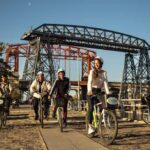
Next comes Puente de la Mujer (about 15 minutes). This is one of those modern structures that catches your eye, and it also helps the tour avoid the trap of living only in the past.
The value here is that the bridge becomes a visual punctuation mark. After serious and historic stops, you get a different kind of “city language”—one that hints at development, symbolism, and the way Buenos Aires keeps reinventing its image.
A practical tip: if it’s windy or bright, take a moment to adjust your pace. You’ll want clear photos, but you also don’t want to yank your attention away from the guide’s explanation.
Ending at Museo Casa Rosada, Casa Rosada, Plaza de Mayo: the political spine
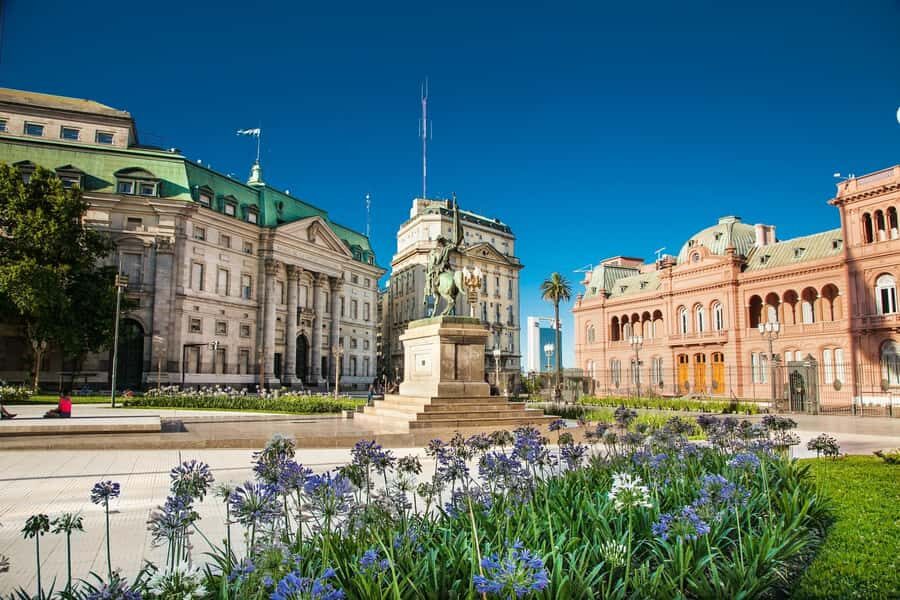
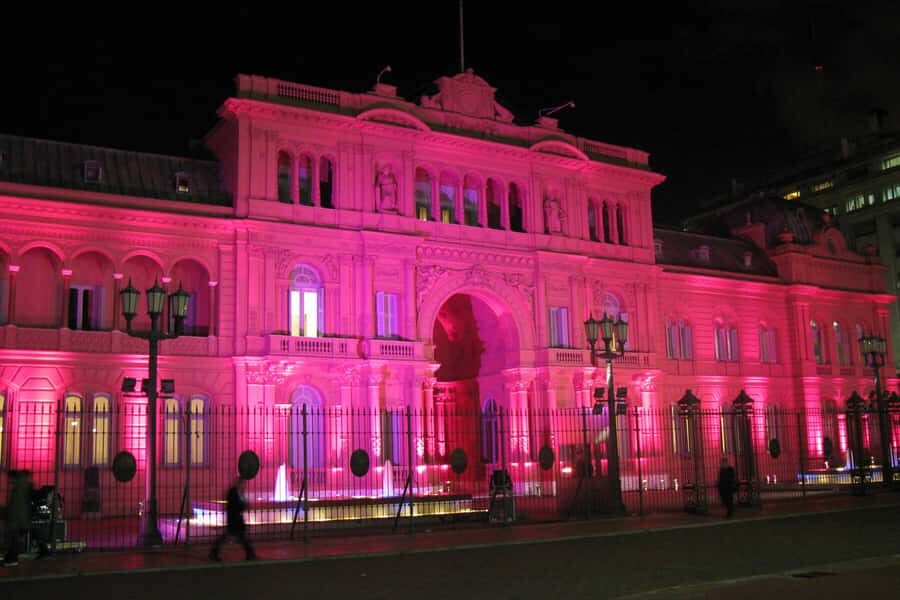
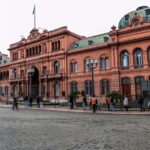
The tour finishes with Museo Casa Rosada, Casa Rosada, and Plaza de Mayo. Ending here is the right move because Casa Rosada isn’t just a building. It’s a symbol of government—of leaders, policies, and the long chain of decisions that shaped everyday life.
Your guide ties the ending back to earlier questions: who the political leaders were, how the country became what it is, and why the present can’t be separated from past power struggles. You’ll also hear how Argentina’s economic relationships affect daily choices—right down to the question of why the US dollar holds such power over the local economy.
If you’re trying to figure out what kind of Argentina you’ll experience after this tour—political conversations in cafés, debates about identity, and the way memory works socially—this ending helps you understand the baseline.
Value for your time: is this $30 worth it?
For $30 and roughly three hours, this is a solid value if you want meaning, not just a route. You’re paying for:
- A professional guide focused on history + politics + memory
- Frequent opportunities for discussion and debate
- A route that includes both older landmarks and modern symbols
- Clear “why” framing behind things you’d otherwise just walk past
It’s less valuable if you mostly want to tick off famous buildings with minimal talking. The tour’s strength is the Q&A style and the anthropological framing, so you’ll get more from it if you enjoy conversations.
Who this tour fits best
You’ll likely enjoy this walk if you:
- Want a first structured look at Buenos Aires that goes beyond guidebook facts
- Like connecting history to the present, especially around politics and memory
- Enjoy tours where you can ask questions and guide the pace with your curiosity
- Want an efficient use of time without joining a massive group
You might not love it as much if you prefer long stays inside museums or you don’t like walking and discussing topics that can get serious.
If you book: what to do before you go
Bring comfortable walking shoes—seriously. The route is designed for movement, and you’ll want your legs to feel good, not punished. Pack water, and if the sun is strong, add sunscreen. A camera helps, but you’ll get more out of the tour if you also listen closely and don’t spend every stop staring through a screen.
Try to come with a few questions you actually care about, like how immigration changed the country, why foreign powers showed interest, or how memory about disappeared people still affects modern life. The tour is built to answer those kinds of questions.
Should you book this Buenos Aires tour?
Yes—if you’re the curious type and you want Buenos Aires explained in a way that respects complexity. This isn’t a checklist tour. It’s a guided conversation that uses real places—parks, churches, markets, and the political heart of the city—to make you understand how Argentina got to where it is.
Skip it only if you strongly prefer quiet sightseeing, long museum time, or you don’t want to discuss heavy topics like the memory of disappeared people. Otherwise, for $30 you’re getting an efficient, thoughtful introduction that will make your later days in Buenos Aires feel more coherent.
FAQ
Where do we meet for the tour?
You meet by Bar Británico.
How long is the experience?
The tour lasts 3 hours.
How much does it cost?
The price is $30 per person.
What’s included in the price?
It includes a professional guide plus historical insights and time for discussion and debate.
Are meals and drinks included?
No, meals and drinks are not included.
Is transportation to the starting point included?
No. You’ll need to handle transportation to the meeting point on your own.
What languages is the live guide available in?
The guide offers Spanish, French, English, and Portuguese.
Is the tour wheelchair accessible?
Yes, it is wheelchair accessible.
What should I bring?
Bring comfortable shoes, a camera, sunscreen, and water.
Is there free cancellation?
Yes. You can cancel up to 24 hours in advance for a full refund.