REVIEW · BUENOS AIRES
Jewish Sites Buenos Aires Private Walking and Car Tour
Book on GetYourGuide →Operated by ROSOTRAVEL Argentina · Bookable on GetYourGuide
Memory has a street address.
This private Buenos Aires tour is built around Jewish heritage and remembrance, from Libertad Street to the AMIA bombing memorial. I like that you get a licensed private guide who can slow down or speed up based on what you care about, and you can hear the story in your chosen language.
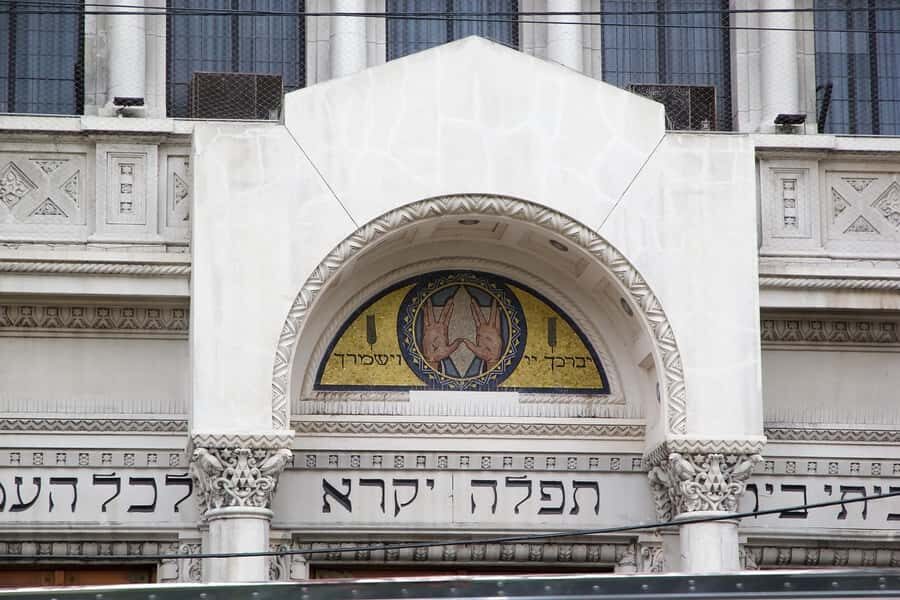
If you book the 3- or 4-hour option, I especially like the museum stop at the Salvador Kibrick Jewish Museum, where you’ll see ritual objects, photos, and documents that make the community’s story feel real. You also spend time on and around Templo Libertad, admired for its striking façade even though synagogue entry isn’t included.
The main trade-off is simple: you’ll look at synagogues from the outside. It’s still meaningful, but if you were hoping to go inside houses of worship, this isn’t that kind of tour.
In This Review
- Key things to know
- How the 2-, 3-, and 4-hour options work (and why you should care)
- Libertad Street and Templo Libertad: where the story starts
- Museo Judío de Buenos Aires and the Holocaust Museum: learning the context
- AMIA and the memory of the 1994 bombing
- Salvador Kibrick Museum entry (3- and 4-hour options): artifacts that answer questions
- Extra stops in the 4-hour car itinerary: major Buenos Aires landmarks with meaning
- Private guide, small group size, and how it changes the experience
- Price and value: is $129 per person fair?
- Practical logistics you should plan for
- Who this tour is best for
- Should you book this Jewish heritage tour?
- FAQ
- What’s the duration of the Jewish Sites Buenos Aires private tour?
- Is this a private tour or a shared group tour?
- Which language options are available for the guide?
- Do I get entry into synagogues during the tour?
- Is entry to the Salvador Kibrick Museum included?
- Do I need my passport or ID for the museum?
- Do I get pickup from my accommodation?
Key things to know

- Flexible pacing with a licensed guide who adjusts to your group and language choice (English, Spanish, French, Italian, Portuguese).
- Templo Libertad on Libertad Street plus nearby Jewish sites tied to Buenos Aires’ early Jewish roots.
- AMIA bombing remembrance with a stop that ties tragedy to community resilience and ongoing memory.
- Holocaust Museum context on Argentina’s role during and after WWII, including survivor stories who rebuilt life in the city.
- Salvador Kibrick Museum entry (3- and 4-hour options) to see rare artifacts and historical materials.
- 4-hour version adds car comfort plus extra major landmarks like 9 de Julio Avenue and the Israeli Embassy Memorial.
How the 2-, 3-, and 4-hour options work (and why you should care)
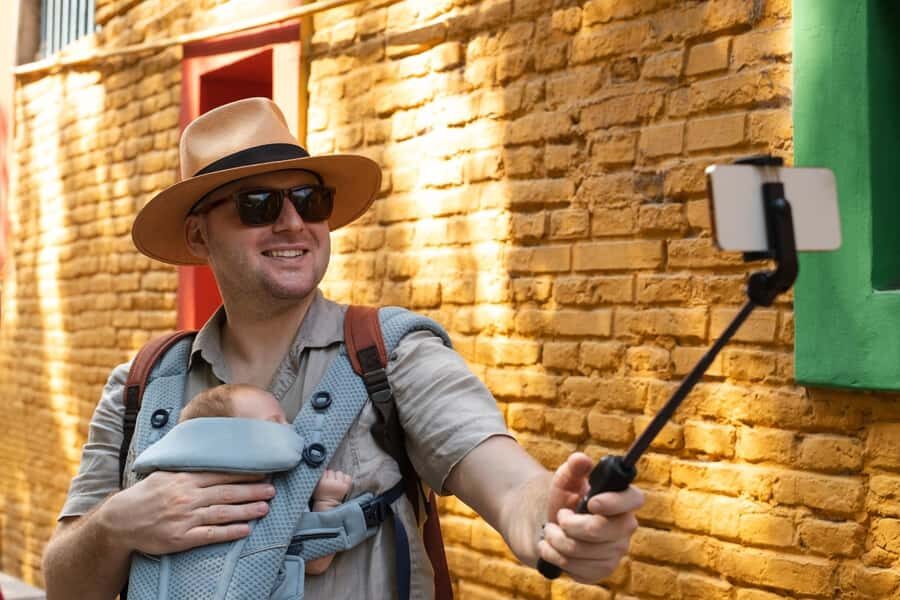
This tour comes in three time lengths, and the differences matter. The 2-hour and 3-hour options focus on a walking route through Buenos Aires’ older Jewish quarter, with about 25–30 minutes on foot. The route can include uneven surfaces or steps, so comfortable shoes help, even if you’re only walking for a short stretch.
The 4-hour option adds two things that change the feel: private car transport and a fuller set of stops. You’ll cover more ground without turning the day into a long slog. If you’re short on time, juggling heat, or just want to sit back while the guide points out key locations, the car option is the easiest way to get more out of the same story.
One more practical detail: the tour runs rain or shine. So bring a light rain layer or umbrella you can manage, and don’t plan on getting a weather reset halfway through.
Other Buenos Aires tours we've reviewed in Buenos Aires
Libertad Street and Templo Libertad: where the story starts
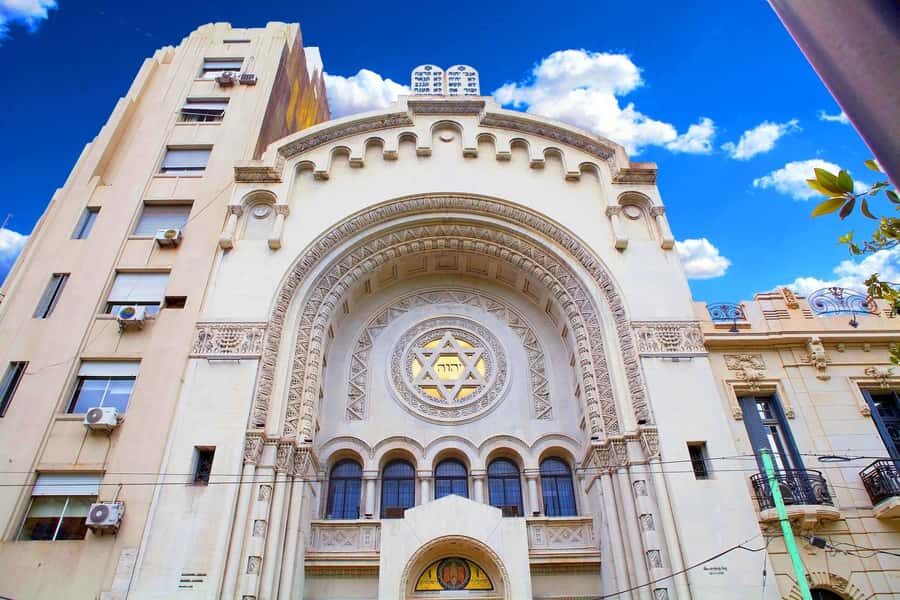
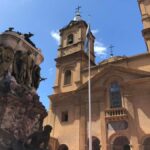
Libertad Street is the opening scene for this tour, and it’s a strong one. Your guide leads you to the imposing Templo Libertad, described as Argentina’s first synagogue. Even if you’re not going inside (entry to synagogues isn’t included), the façade is the point: it signals pride, permanence, and a community that put down roots.
Here’s what I think makes this stop more than a photo-op. Early Jewish life in Buenos Aires isn’t just a timeline. It’s a pattern you can still read in the streets: immigration, community building, and the way religious and cultural identity show up in architecture.
From there, you’ll move through the nearby area where the guide connects dots between early roots and later chapters of remembrance. It’s a guided walk that helps you avoid the common problem in big cities: seeing impressive landmarks without understanding why they’re there.
Museo Judío de Buenos Aires and the Holocaust Museum: learning the context
After Templo Libertad, you’ll pass the Museo Judío de Buenos Aires. This isn’t treated like a random museum detour. The idea is to show you how immigration and integration shaped Jewish life in the city, and how collections and even the building itself can teach you about identity.
Then comes the Holocaust Museum stop. The guide explains Argentina’s role during and after WWII and highlights survivor stories—people who faced unimaginable loss and still managed to rebuild their lives in Buenos Aires.
I like this sequence because it moves from community beginnings to historic trauma without losing the human scale. It’s also a useful reality check: Buenos Aires’ Jewish story isn’t only about heritage celebrations. It also includes survival, survival’s aftermath, and how memory gets carried forward.
One note for expectations: there’s no promise of a gentle pace here. The topics are heavy, and the best tours are the ones where your guide gives you the time and framing to process what you’re seeing.
AMIA and the memory of the 1994 bombing
The tour culminates at AMIA, the Asociación Mutual Israelita Argentina. It’s presented as a symbol of cultural unity and tragedy, and your guide will talk about the 1994 bombing and its lasting impact on both the community and the nation.
This is the stop where the tour stops feeling like a walking checklist. By the time you arrive, you’ve already seen the physical markers of Jewish Buenos Aires and the WWII context. Now you see a modern reminder that identity and safety are never abstract topics.
If you want a practical tip: ask your guide how the story connects to what you’re seeing today. The strongest part of a private format is that you can tailor your questions. One memorable example from past participants: a guide named Richard Shpuntoff stood out for being warm and open, and for sharing personal and familial stories that helped people connect Argentina’s current political climate to this history.
Salvador Kibrick Museum entry (3- and 4-hour options): artifacts that answer questions
Only the 3-hour and 4-hour versions include entry to the Salvador Kibrick Jewish Museum. That matters because you’ll be spending less time outside and more time inside the collection, where you can see rare artifacts, photographs, and historical documents.
This is where the tour becomes less about place names and more about objects. Ritual objects and archival materials are the kind of details that help you understand daily life, not just big events. If you’re the type who likes to leave a city with something you can point to and remember, this museum stop is a big value add.
There’s also an ID requirement for museum entry. For security reasons, foreigners must present the original passport. Argentinian citizens must present their national identity card. Bring the original document, not a photo copy.
Other walking tours we've reviewed in Buenos Aires

Extra stops in the 4-hour car itinerary: major Buenos Aires landmarks with meaning
The 4-hour option includes private transfer with pickup and drop-off at your accommodation in Buenos Aires. It also expands the route with additional landmarks that provide broader city context while staying connected to the Jewish story.
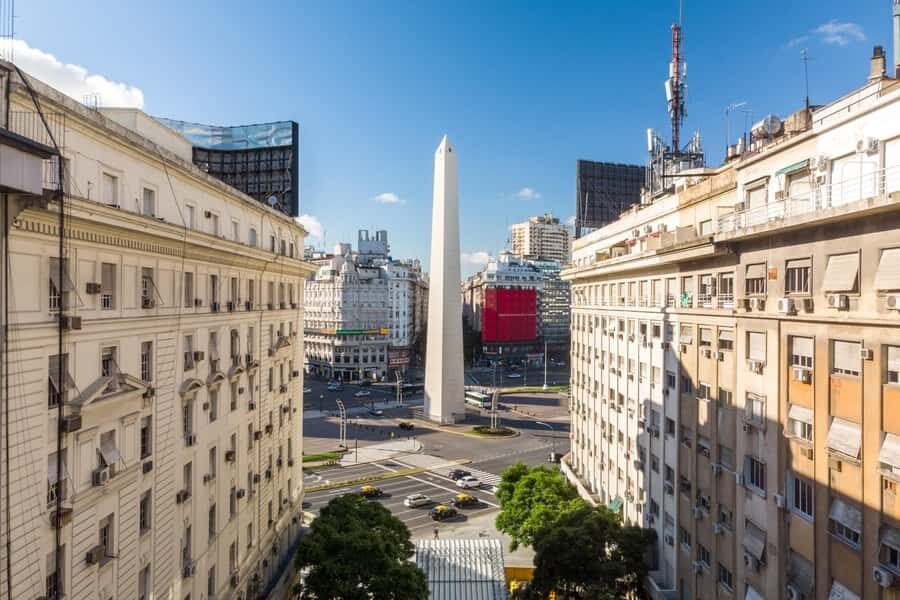
You’ll visit Plaza Libertad, described as a quieter square with meaningful architectural surroundings. You’ll also pass or stop near 9 de Julio Avenue, known for being one of the widest boulevards in the world, which gives you a sense of the scale of the city around these historic sites.
Another important stop is the Israeli Embassy Memorial, presented as a solemn site commemorating the 1992 attack. You’ll also see Plaza General San Martín, tied to Argentina’s military and immigrant history. The point of these additions isn’t to turn this into a general sightseeing tour. It’s to show how Jewish history sits inside the broader story of Buenos Aires.
For me, this is the biggest advantage of choosing the car option: you get comfort and added context in the same outing, without feeling like you’re doing separate tours back-to-back.
Private guide, small group size, and how it changes the experience
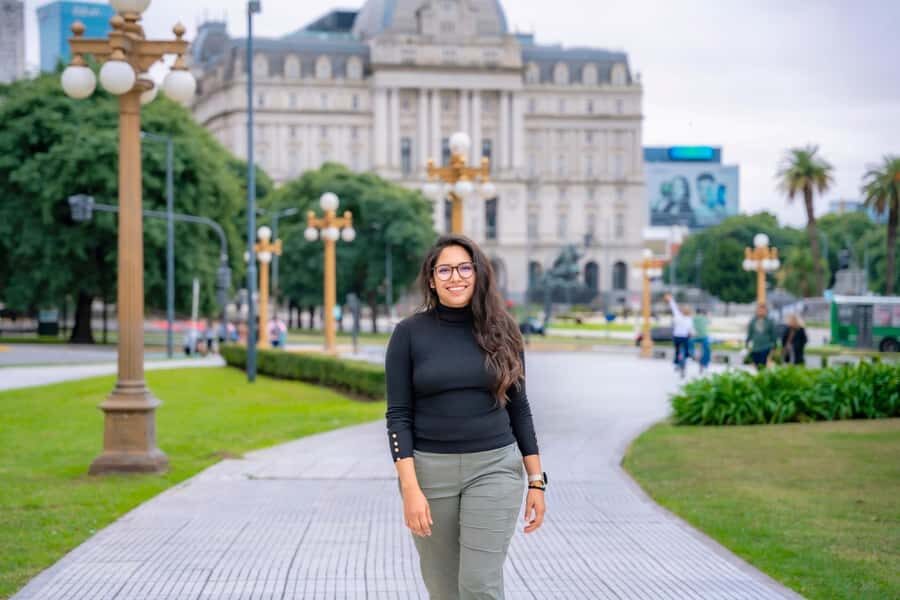
This is a private group tour, and your guide is the real engine. You’ll get a licensed guide fluent in your chosen language, and the guide adjusts pace to match your group.
The group size limit is also a plus: up to 1–25 guests per guide, with additional guides arranged if the group is larger. That’s how you keep the commentary clear and avoid the problem of hearing half a story while craning your neck.
One small but smart habit: check your email the day before your tour for important details from the operator. It’s where you’ll get the practical notes that help you start smoothly.
Price and value: is $129 per person fair?

At $129 per person for a private 2–4 hour experience, the value depends on which option you choose.
The 2-hour option gives you the core story route without extra museum entry, so it’s best if you want the main beats and don’t need additional indoor time. The 3-hour option adds Salvador Kibrick Museum entry, which is usually the difference between a tour that feels like sightseeing and one that feels like learning.
The 4-hour option is where the price starts to feel most “efficient.” You’re paying for private guide time plus car transport and museum entry, and you also get more landmark stops like 9 de Julio Avenue and the Israeli Embassy Memorial. If pickup and extra comfort matter to you, that option just makes life easier.
Also remember what isn’t included: food and drinks aren’t part of the price, and entry to synagogues isn’t included. Build in time for a snack break outside the tour window so you can stay focused.
Practical logistics you should plan for
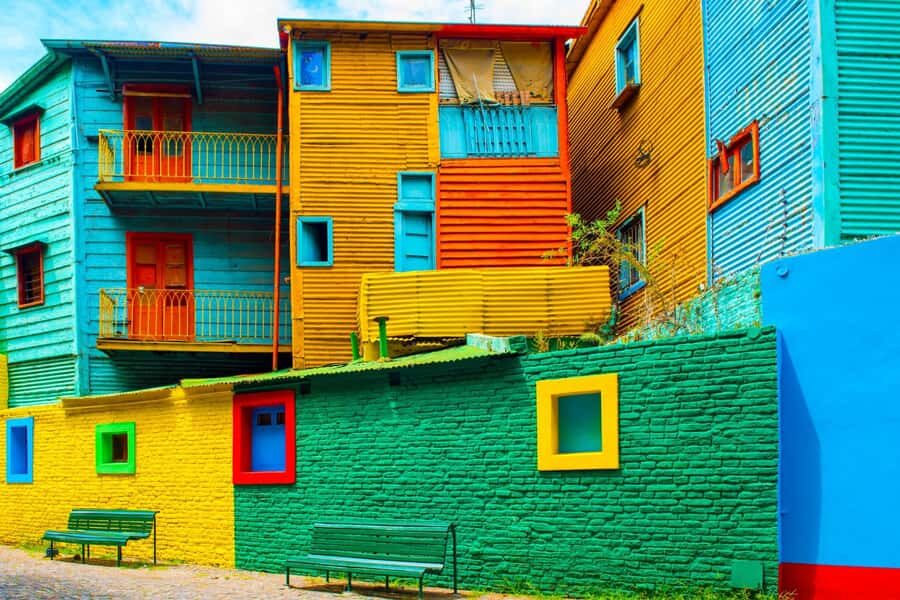
Meet your guide in front of Hotel Presidente, Cerrito 850, C1010 Cdad. Autónoma de Buenos Aires, Argentina. Don’t enter the hotel; it’s only the meeting point, and the staff isn’t informed about the tour.
Language options include English, Spanish, French, Italian, and Portuguese. That matters because the story covers sensitive history, and you’ll want to understand the nuance.
For the 2- and 3-hour routes, expect uneven surfaces or steps during the time on foot. For weather, the tour runs rain or shine, so plan accordingly.
Who this tour is best for
This experience fits best if you want something more meaningful than a standard Buenos Aires highlights walk. If you’re interested in Jewish history, remembrance, and how modern Argentina holds these stories in public spaces, you’ll get a lot out of the route.
It also works well for couples, families with older teens, or small groups who can discuss history together and appreciate a guide who can answer questions. If you need more comfort and less walking, the 4-hour car option is the better match.
If you’re only hoping for synagogue interiors, adjust your expectations now. The tour is designed around landmarks and memorials, not inside-the-sanctuary access.
Should you book this Jewish heritage tour?
Book it if you want a private, licensed guide-led route through major Jewish Buenos Aires sites, with strong remembrance stops at Holocaust-related context and AMIA. Choose the 3- or 4-hour version if you want museum entry at the Salvador Kibrick Museum and want artifacts and documents, not just streets and façades.
Skip (or reconsider) if you specifically want synagogue interior visits or you’re very sensitive to history tied to violence and bombing. The topics are serious, and the tour treats them that way.
If you’re on the fence, I’d choose the option that matches your energy. Short on time or mobility? Go 4 hours. Want the core story with a lighter schedule? Go 2 hours.
FAQ
What’s the duration of the Jewish Sites Buenos Aires private tour?
The tour runs 2 to 4 hours, depending on which option you choose. The available durations are 2-hour, 3-hour, and 4-hour.
Is this a private tour or a shared group tour?
It’s a private group tour with a licensed guide. Group sizes are limited to 1–25 guests per guide, and additional guides are arranged if the group is larger.
Which language options are available for the guide?
The live guide is available in English, Spanish, French, Italian, and Portuguese.
Do I get entry into synagogues during the tour?
No. Entry to synagogues isn’t included, so you’ll typically see important places from the outside.
Is entry to the Salvador Kibrick Museum included?
Yes, but only for the 3-hour and 4-hour options. The 2-hour option does not include Salvador Kibrick Museum entry.
Do I need my passport or ID for the museum?
Yes. For security reasons, foreigners must present their original passport, and Argentinian citizens must present their national identity card to enter the museum.
Do I get pickup from my accommodation?
Pickup and drop-off at your accommodation is included only with the 4-hour option. The 2-hour and 3-hour options do not include private transfer.