REVIEW · BUENOS AIRES
From Buenos Aires: Temaiken Zoo Tour with Ticket Included
Book on GetYourGuide →Operated by Gray Line Argentina · Bookable on GetYourGuide
A zoo day trip can be surprisingly smart. This one at Temaikén Biopark blends hands-on animal moments with real science-style storytelling—so you’re not just walking past cages. I love the giant aviary for its open, visitor-friendly bird paths, and I love the aquarium because you see how Argentina’s water habitats differ. One possible drawback: it’s a packed 6-hour schedule, and on some days certain areas may be closed, so you’ll want to stay flexible.
What makes it feel like more than a typical outing is the mix: aquatic life, birds, and then a rural break at La Chacra with farm animals. I also like that the park uses paths and outdoor viewpoints instead of pushing you into animal areas, which helps you focus on animals rather than crowding. Still, plan for no food included, so you’ll want to bring a snack strategy (or be ready to buy something if that’s available onsite).
Before you go, keep logistics simple: you’ll get roundtrip transfers from downtown Buenos Aires, but the exact pickup spot can vary and gets reconfirmed. Also, you need a copy of your passport to board the bus—small detail, big deal.
In This Review
- Key highlights I’d prioritize before you book
- Getting from Buenos Aires to Temaikén Biopark (and staying sane in 6 hours)
- The aquarium’s three-water-worlds: tidal pool, freshwater, and ocean
- The giant aviary: birds from many continents, designed for human viewing
- La Chacra rural stop: calves, farm birds, and goat-and-sheep interaction
- The 360-degree cinema: why it matters between animal encounters
- Guides make the difference: what I’d look for in your group
- Price and value: is $135 fair for a guided day at Temaikén?
- Who this Temaikén tour suits best (and who should consider a different plan)
- Should you book this Temaikén Biopark tour from Buenos Aires?
- FAQ
- How long is the Temaikén Zoo Tour from Buenos Aires?
- Is roundtrip transportation included?
- Where is the meeting point?
- Is the Temaikén Biopark ticket included?
- What areas of the park are included?
- Is food included?
- What languages are the guides?
- Do I need to bring a passport?
- What’s the cancellation policy?
Key highlights I’d prioritize before you book
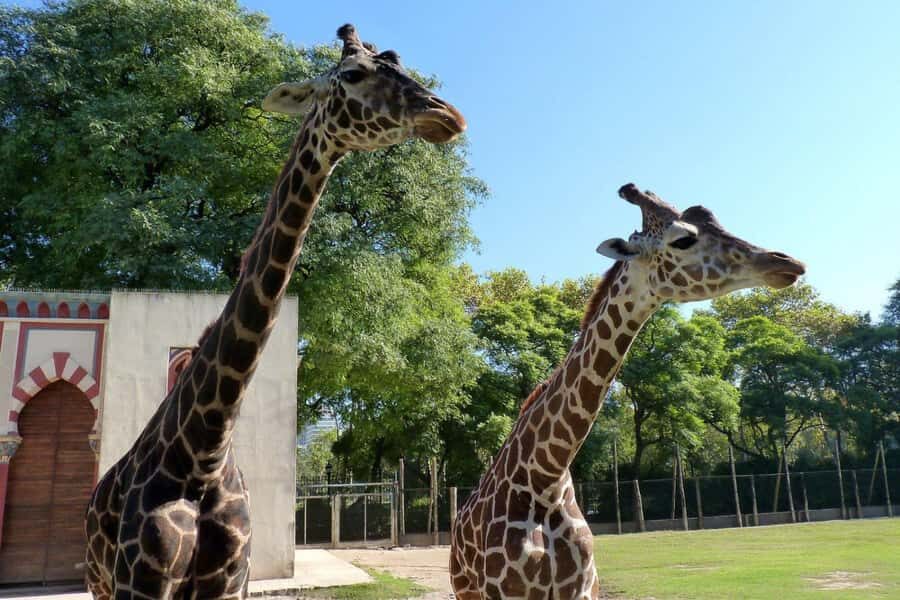
- Largest aviary in South America with bird viewing designed for visitors (not just spectators).
- Life in the Water aquarium experience with three Argentina-linked water environments.
- La Chacra farm time where you can meet calves and interact with goats and sheep.
- 360-degree cinema that explains nature and Earth’s biological story.
- A guided visit with a Spanish, English, or Portuguese-speaking guide and skip-the-line ticketing.
Getting from Buenos Aires to Temaikén Biopark (and staying sane in 6 hours)
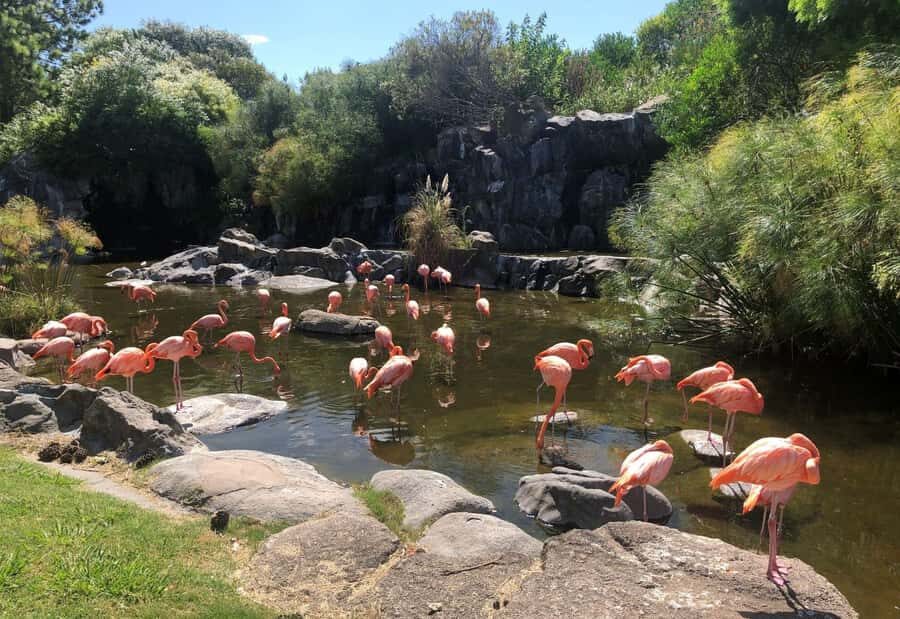
This is a proper day trip: you leave the city and head out to Buenos Aires Province for about 6 hours total. The tour includes roundtrip transfers from a meeting point in downtown Buenos Aires, and the provider will confirm where to meet you 24 hours before. If your hotel isn’t on their pickup routes, you’ll be pointed to the closest option—so don’t assume your hotel entrance is the default.
I like that you’re not stuck figuring out transport or entry times. Even better, the ticket is included and you can skip the ticket line, which saves time for actual park moments. Still, the day is timed, so build in a calm mindset: you’ll see a lot, but you won’t have hours and hours to wander at your own pace.
One more “do it now” item: bring a passport copy for boarding. It’s required, and it’s easy to forget in the last rush of packing.
If you’re the kind of person who likes a plan but hates feeling rushed, this is usually a good sweet spot. If you love long, independent museum-style wandering, you might find 6 hours a little short—especially if you’re photographing a lot or traveling with kids.
Other Buenos Aires tours we've reviewed in Buenos Aires



The aquarium’s three-water-worlds: tidal pool, freshwater, and ocean
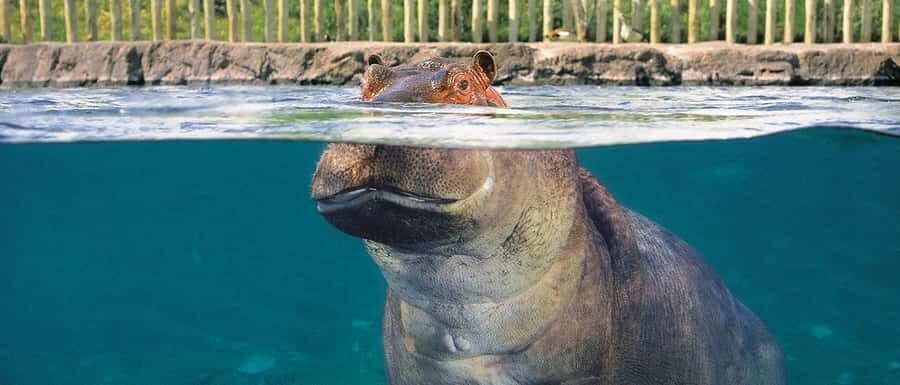
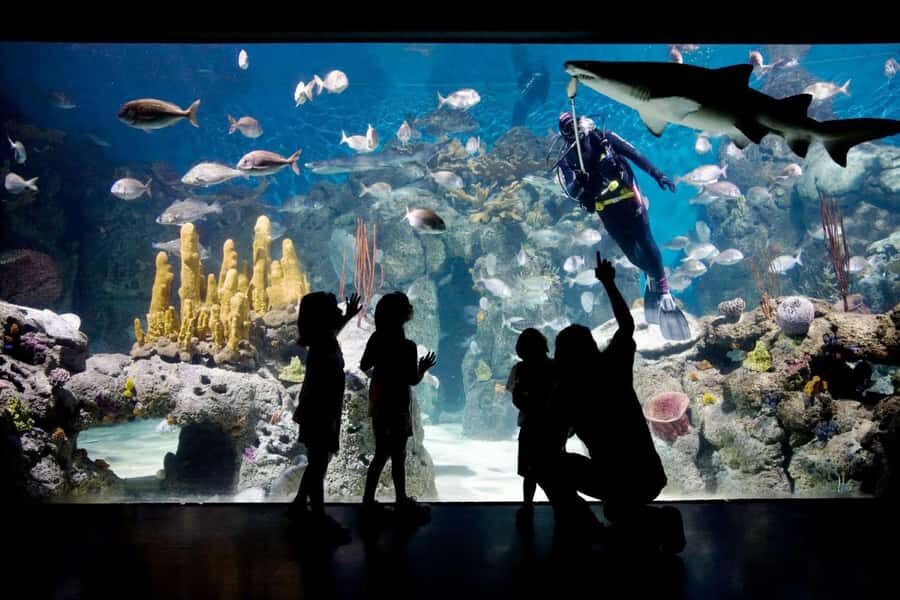
The best part about the aquarium concept is that it doesn’t feel random. Instead, you’re moving through different “worlds” that match Argentina’s water habitats, and the park describes everything as part of a recreated system: one million liters of Argentine sea, plus separate environments tied to how species live.
You can expect three main sectors:
- Tidal Pool
- Freshwater sector
- Ocean
I like how this setup helps you read what you’re seeing. You’re not just looking at fish. You’re noticing differences in water type and how that affects what lives there.
Important practical note: the experience is arranged with paths and outdoor viewpoints, avoiding animal-environment immersion. Translation: you don’t get to walk right into the animal zones (which is good for animal welfare), but it also keeps the viewing more comfortable and easier to manage.
For your visit, this is what to do:
- Give yourself time for the transitions between water types. The contrast is the point.
- Pause more than you think during the freshwater areas. Those scenes often require slower looking.
- If you’re traveling with kids, turn it into a game: which creatures you think would live in each water type.
If you’re hoping for a “hands-on” aquarium experience, adjust expectations. The value here is observational and educational, paired with a guided narrative.
The giant aviary: birds from many continents, designed for human viewing
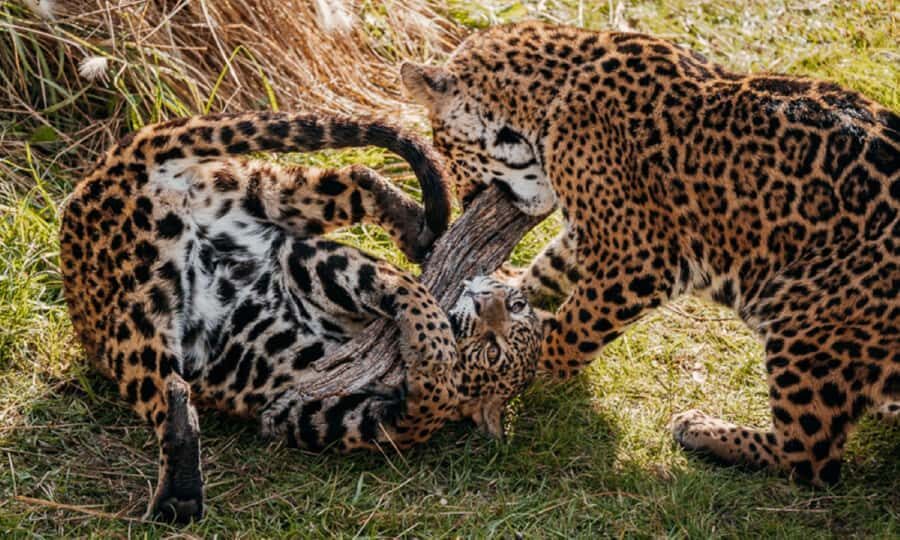
Then comes the birds, and the park really leans into it. The giant aviary is described as the largest aviary in South America, and it’s built so visitors can have a close-up, real-feeling encounter—without turning it into chaos.
You’ll see birds from all continents, according to the park description. That detail matters because it gives the aviary a global feel. Instead of a single-region bird collection, it’s a mix that turns the aviary into a living map of what’s out there.
Since you’re staying on visitor paths and viewpoints, you’ll likely get your best bird moments through:
- patient watching (birds don’t follow your schedule),
- scanning for movement across open areas,
- and timing your photos when you notice a flock change position.
One nice thing: the aviary layout is meant for visitor experience rather than a “stand in front of bars” feeling. That makes it easier to enjoy even if you’re not a hardcore bird person. And if you are a bird person, you’ll probably love how the environment is set up for you to keep looking without constantly moving rooms.
A small reality check: if your priority is maximum bird-face time, go slower here. This is where the day can either feel magical or feel rushed depending on how you pace yourself.
La Chacra rural stop: calves, farm birds, and goat-and-sheep interaction
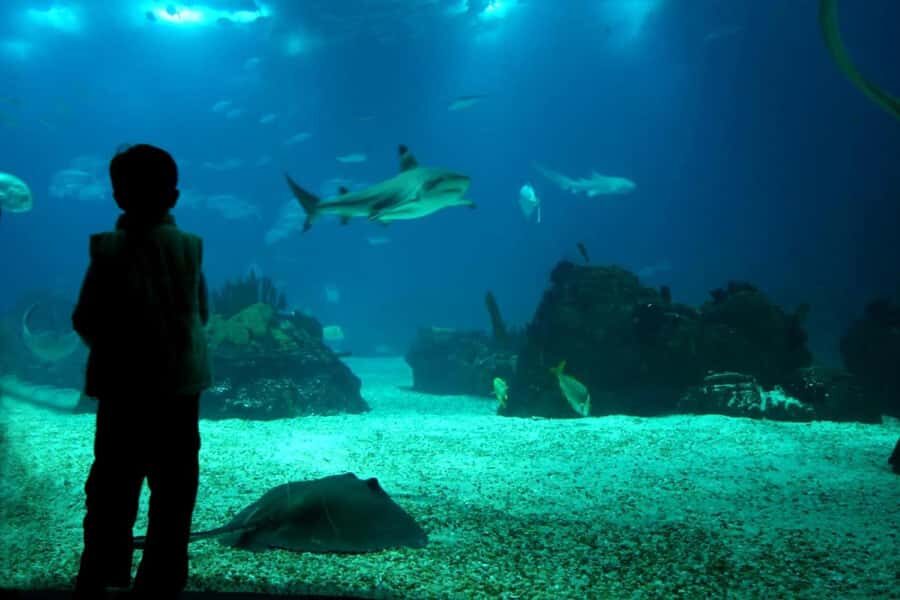
After the water and birds, La Chacra is the change of scenery your brain needs. This rural section is meant to feel like Argentina’s countryside, with domestic animals and a place to learn about plants.
Here’s what you can expect:
- meeting calves
- seeing farm birds
- interacting with goats and sheep
- and a garden where you can learn about vegetables
I like this part because it feels more personal. It’s not just watching from a distance. You’re in a space where animals are part of a working-style farm setting, and the interaction with goats and sheep is the kind of moment kids usually remember for a long time.
A practical tip: keep your hands and expectations calm. When animals are nearby, they respond to behavior. If the guide offers any rules for how to interact, follow them. This is also where the guided part really helps—your guide can nudge you to the right areas and timing.
If you’re traveling with a family, La Chacra is often the “everyone had fun” stop. If you’re traveling solo, it breaks up the more enclosed-feeling wildlife viewing with something warmer and more grounded.
The 360-degree cinema: why it matters between animal encounters
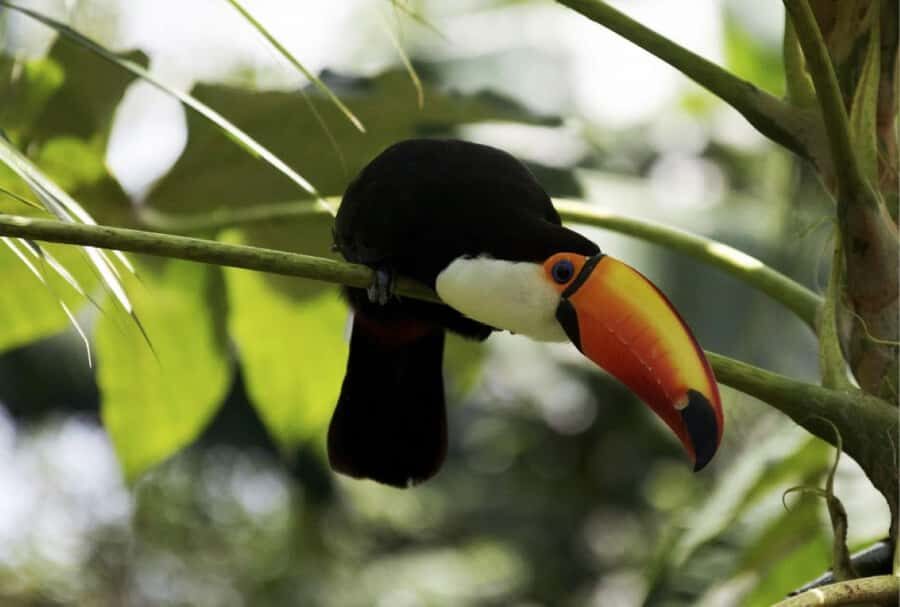
A zoo day can turn into a blur. The park’s 360-degree cinema helps reset your brain and gives context. The description frames it as a way to tell secrets of nature and the biological history of our planet.
Even if you’re not the biggest fan of cinema, this is usually a smart pause:
- It gives your feet a break.
- It connects the animals you’re seeing to bigger ideas (adaptation, habitats, evolution-style thinking—at least in broad terms).
- It helps the rest of the walk feel more intentional.
Don’t treat it like filler. It’s part of the ticket experience, and it’s often the moment that turns a “good day at a park” into a more memorable one.
A few more Buenos Aires tours and experiences worth a look




Guides make the difference: what I’d look for in your group

This tour includes a live guide in Spanish, English, or Portuguese, and the quality of the guiding shows up in real ways. People have highlighted that guides such as Juan Carlos can be patient, funny, and kind, and other groups may be led by Mariano, described as excellent.
That matters because the park is big enough that interpretation improves everything. With a good guide, you stop just photographing and start understanding what you’re seeing—why certain species belong in certain water types, what the bird environment is designed to do, and why La Chacra is laid out the way it is.
So when you choose your day, you’re not only buying access. You’re buying a translator for animal life—someone who can keep your questions from turning into confusion.
Price and value: is $135 fair for a guided day at Temaikén?
At $135 per person, this isn’t the cheapest day trip from Buenos Aires. But it’s not just an entry ticket either. You’re paying for a package that includes:
- roundtrip transfers from downtown Buenos Aires
- admission ticket
- a live guide
- and skip-the-ticket-line access
For value, those pieces matter. The cost of transport alone in a city like Buenos Aires can add up quickly, and buying the ticket plus arranging guide time on your own often turns into time loss. Here, the rhythm is handled for you, and the day is built to fit into a single morning-to-afternoon block.
So the question becomes: do you want structure and explanation, or do you want full independence? If you want a guided experience where you can focus on animals and not logistics, $135 starts looking reasonable. If you’d rather wander freely for longer, then this might feel expensive for a shorter window.
One more caution: because some activities can close at certain times, you may not always get every single moment exactly as planned. That doesn’t make it bad—it just means you should book with flexibility.
Who this Temaikén tour suits best (and who should consider a different plan)
I’d point you toward this tour if you:
- want a one-day wildlife fix without planning transport,
- enjoy learning while you look (aquarium + birds + farm stop + cinema),
- and like guided pacing, especially if you’re traveling with kids.
You might rethink it if you:
- need lots of downtime and hate time pressure,
- prefer fully independent exploring with no schedule,
- or are visiting specifically for one single section and want hours there on your own.
Should you book this Temaikén Biopark tour from Buenos Aires?
If you want a guided day trip that mixes aquarium ecosystems, the largest aviary in South America, and the calmer farm atmosphere of La Chacra, this is a strong match. The best reason to book is the “package effect”: transfers, ticket, guide, and skip-the-line access wrapped into a tight 6-hour schedule.
I’d book it if your goal is: see a lot, learn as you go, and get a smooth day without transport headaches. I’d hesitate only if you know you’ll want extra hours for a single area or if you’re sensitive to schedule changes.
FAQ
How long is the Temaikén Zoo Tour from Buenos Aires?
The tour duration is 6 hours.
Is roundtrip transportation included?
Yes. Roundtrip transfers from a meeting point in downtown Buenos Aires are included. Pickup hotels may vary, and some hotels might not be on the route.
Where is the meeting point?
The pickup point can vary. It will be reconfirmed 24 hours before your excursion.
Is the Temaikén Biopark ticket included?
Yes. Admission to Temaikén Biopark is included, and you can skip the ticket line.
What areas of the park are included?
You’ll see the aquarium (Life in the Water), the giant aviary, and La Chacra, including farm animal time and the vegetable garden. There is also a 360-degree cinema.
Is food included?
No. Food and drinks are not included.
What languages are the guides?
The guide is available in Spanish, English, or Portuguese.
Do I need to bring a passport?
A copy of your passport is required on board.
What’s the cancellation policy?
Free cancellation is available up to 24 hours in advance for a full refund.