REVIEW · BUENOS AIRES
Maradona Tour: Murals, Chapel, Stadium, Museum, Casa D10S
Book on GetYourGuide →Operated by Vamos Boca · Bookable on GetYourGuide
Maradona’s story hits harder in person. This one-day Maradona tour in Buenos Aires Province strings together the places that shaped him, with a guided look at the museum, the stadium, murals in La Paternal, the chapel, a stop at Maradona café, and La Casa D10S, all with hotel pickup and drop-off.
Two things I really like: the convenience of hotel pickup/drop-off at your preferred time, and the fact that you get the main Maradona stops in a single day rather than playing taxi roulette across town.
One drawback to plan around: it’s not set up for wheelchair users, and it may be tough for people with visual impairments. Also, food and drinks aren’t included, so you’ll want to budget for lunch snacks.
In This Review
- Key things to know before you go
- Maradona in one day: how pickup and pacing make it work
- Museum Diego Armando Maradona: where the story gets organized
- What to watch for
- Estadio Diego Armando Maradona: the matchday feeling, minus the chaos
- The drawback of stadium tours (and how to handle it)
- La Paternal murals, the chapel, and a quick café pause
- A practical tip
- La Casa de D10S: the roots behind the legend
- Who will love this stop most
- Price and what $162 really buys you
- Guides matter: what great explaining feels like
- Who should book this Maradona tour (and who should skip it)
- Should you book the Maradona Tour?
- FAQ
- How long is the Maradona tour?
- How much does the tour cost?
- Do I get hotel pickup and drop-off?
- What stops are included on the tour?
- Are museum and stadium entrances included?
- Is the tour guided?
- Is food included?
- Is it suitable for wheelchair users or visually impaired people?
Key things to know before you go
- Hotel pickup and drop-off at a time you choose, so the day stays low-stress
- Guided museum + stadium visits that add context beyond photos and plaques
- La Paternal murals and the Maradona chapel for the emotional side of the story
- La Casa D10S to see where the legend began—away from the lights
- A private group format with an English/Spanish-speaking guide
Maradona in one day: how pickup and pacing make it work
This tour is built for people who want the big Maradona landmarks without turning Buenos Aires into a full-time logistics project. The day starts with pickup from your hotel or another location you prefer, and you choose the start time. That matters because it lets you avoid the most chaotic parts of the city and match your energy level to the route.
I also like the pacing because it’s not just a checklist. You’ll move from the story (museum) to the stage (stadium) and then to the human side (chapel, murals, and especially La Casa D10S). The route keeps momentum, but it’s paced with guided time at the big stops, not endless hurry-up transitions.
One practical note: you’re covering multiple locations in one day, so wear comfortable shoes. Even if you’re not walking miles, you’ll still be on your feet long enough that tired feet can make the museum feel like a chore instead of a highlight.
Other museum experiences in Buenos Aires


Museum Diego Armando Maradona: where the story gets organized
The first major stop is the Museum Diego Armando Maradona, with a guided visit. This is usually where you start understanding why people treat Maradona like more than an athlete in Argentina. A good museum visit does two jobs: it gives you dates and milestones, and it helps you connect what you’re seeing later (like the stadium and the neighborhood murals) to the bigger picture.
In a guided format, you’re not just reading labels. You get explanations that help you follow the arc of his life—from beginnings to peak years—so when you look at artifacts or themed displays, they land with meaning. The guide language is English or Spanish, so you can fully follow the story instead of relying on spotty self-guided translations.
Time matters here. The museum stop is about one hour, which is long enough to get the main themes without dragging. If you tend to love museums, you might wish you had more time; if you prefer shorter visits, this length is about right.
What to watch for
- Pay attention to the elements that connect his football style to his personal journey. Those connections tend to make later stops hit harder.
- Keep your questions for the guide. The stadium visit especially benefits from having context first.
Estadio Diego Armando Maradona: the matchday feeling, minus the chaos
Next comes the Estadio Diego Armando Maradona guided tour, about 1.5 hours. Stadium tours can be hit-or-miss: sometimes they feel like a quick walk past empty spaces. Here, the value is in the guide’s storytelling. When you hear the right context while standing where players once were, the whole place becomes more than concrete and seats.
A stadium tour also changes how you see the surrounding neighborhood. You start spotting how the stadium functions as a focal point for local pride. And if you’ve ever watched Maradona play, this is where the memories stop being video-only and start becoming physical: sight lines, tunnel moments, and the feeling of scale.
You’ll also appreciate the “arrive, see, learn” format. The tour includes entrance to the stadium and skips the ticket line, so you spend more time inside and less time waiting around.
The drawback of stadium tours (and how to handle it)
You’ll likely be around crowds at certain times, and stadium logistics can feel brisk. If you’re someone who needs slow museum-style wandering, plan to lean on the guide’s pacing and take small breaks when possible. The key is to listen first, then look. That keeps the visit from turning into random sightseeing.






La Paternal murals, the chapel, and a quick café pause
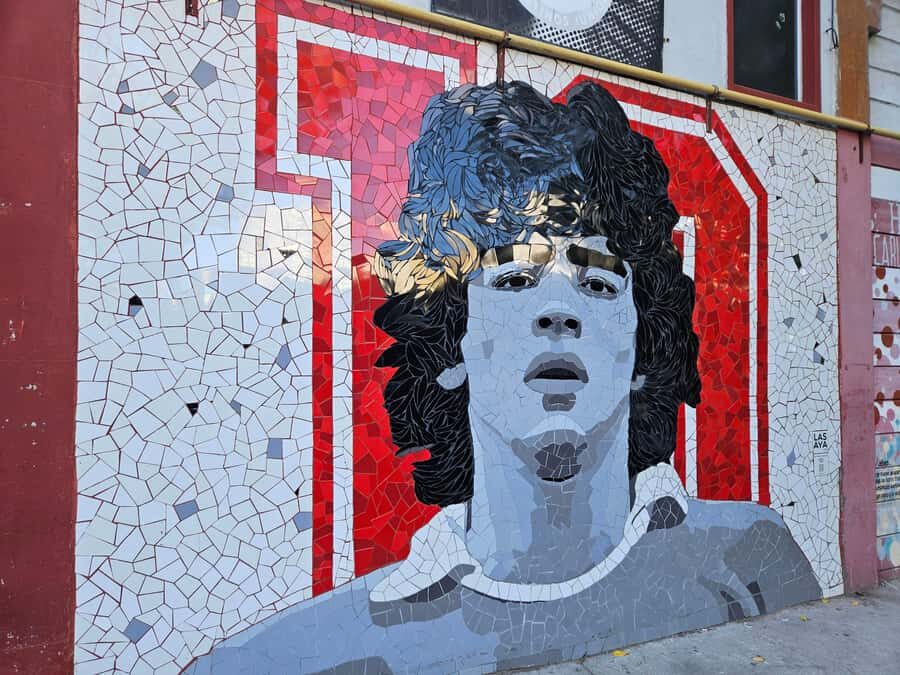
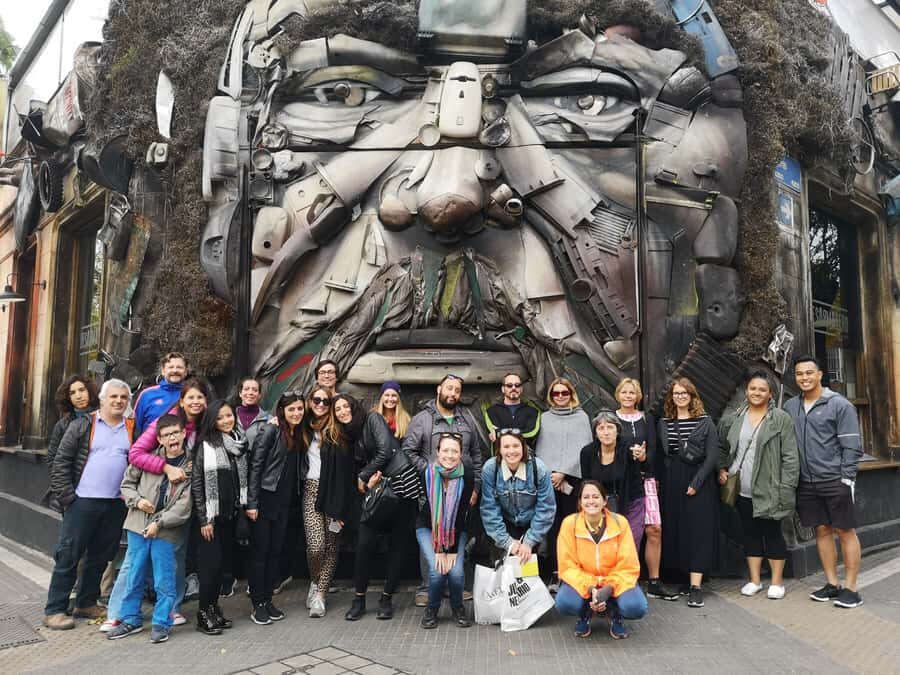
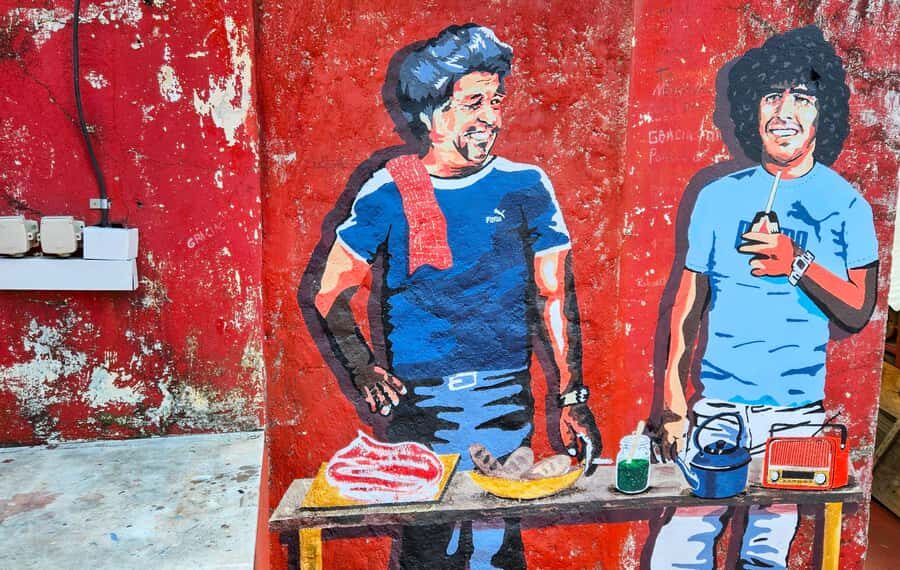
One of the most memorable parts of this day is the neighborhood side of the Maradona story, especially La Paternal, where you’ll see murals celebrating his legacy. This is the part that often gets overlooked on the “stadium only” approach. Murals turn public space into a living timeline, and they make the emotional connection immediate.
You’ll also visit the Maradona chapel. This stop is less about football details and more about the way people keep his memory close. It’s a quiet counterpoint to the stadium’s scale and the museum’s structure. Even if you’re not the type to get emotional on tours, the chapel tends to give you a different kind of understanding—one that’s harder to get from facts alone.
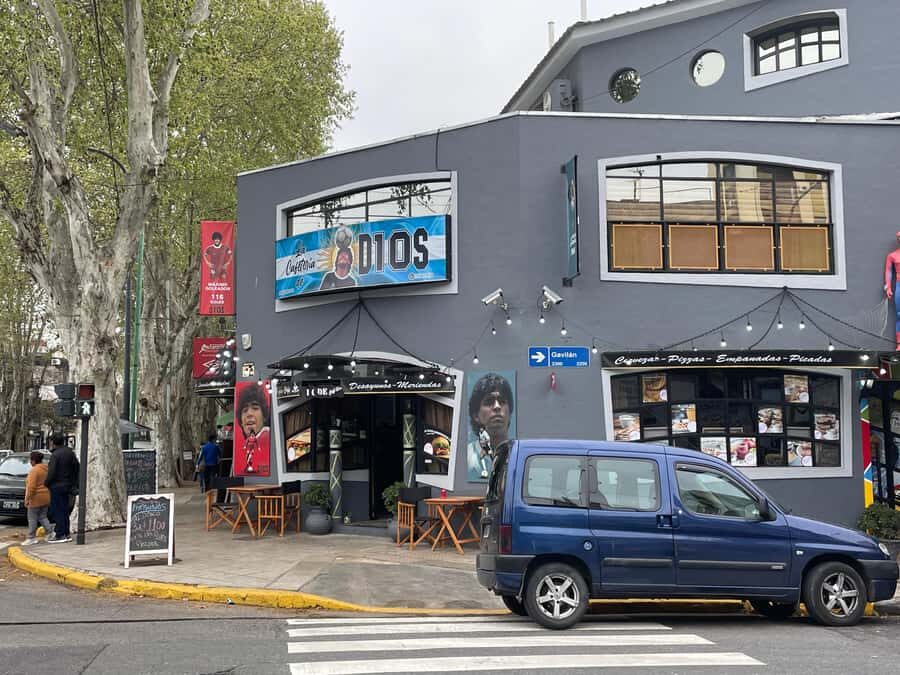
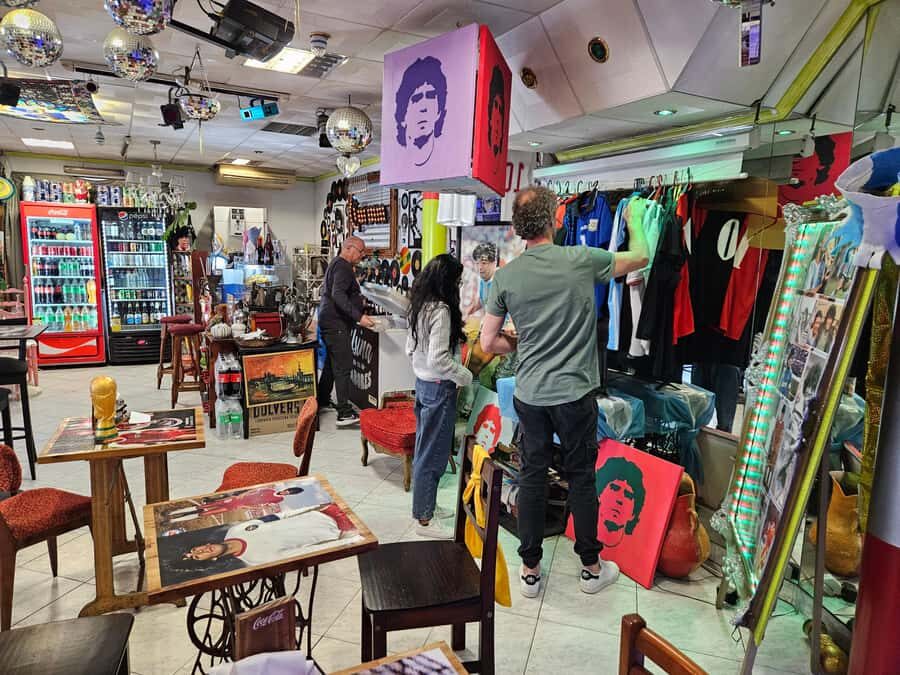
Then there’s a break at the Maradonna café. Food and drinks aren’t included, but having a built-in pause helps you recharge without searching for somewhere open and close. It’s also a good moment to regroup if you want to review what you’ve learned so far and decide what questions you still have for the guide.
A practical tip
Bring water or plan to buy it during your café stop. With a one-day route and multiple stops, hydration matters more than you’d think.
La Casa de D10S: the roots behind the legend
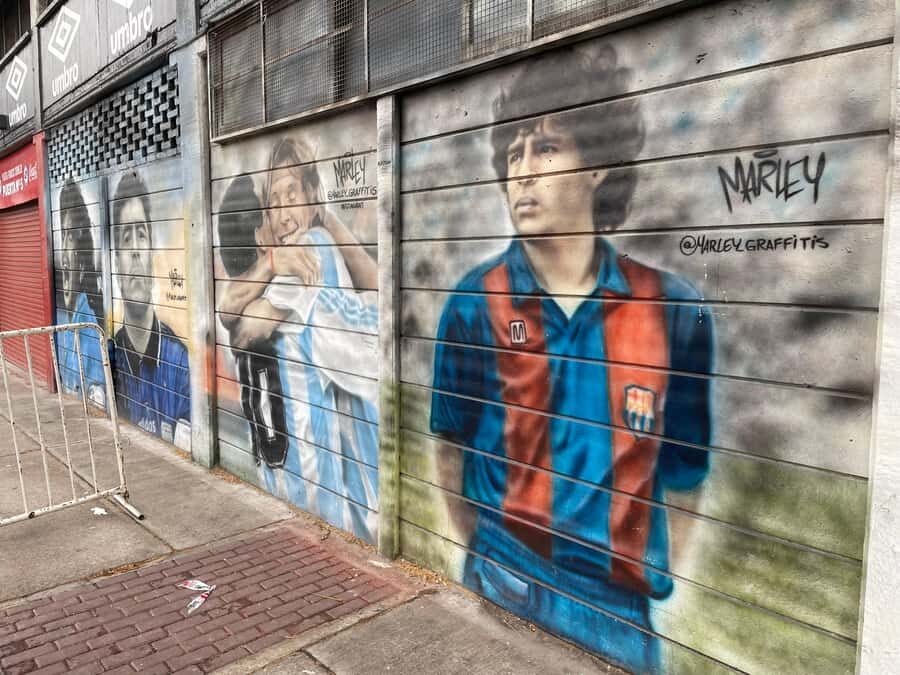
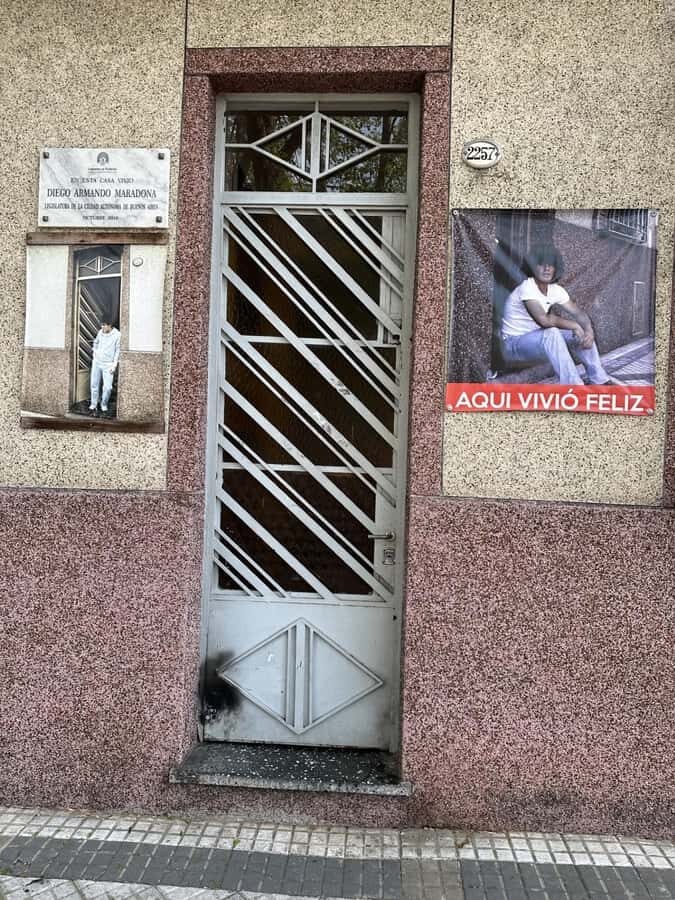
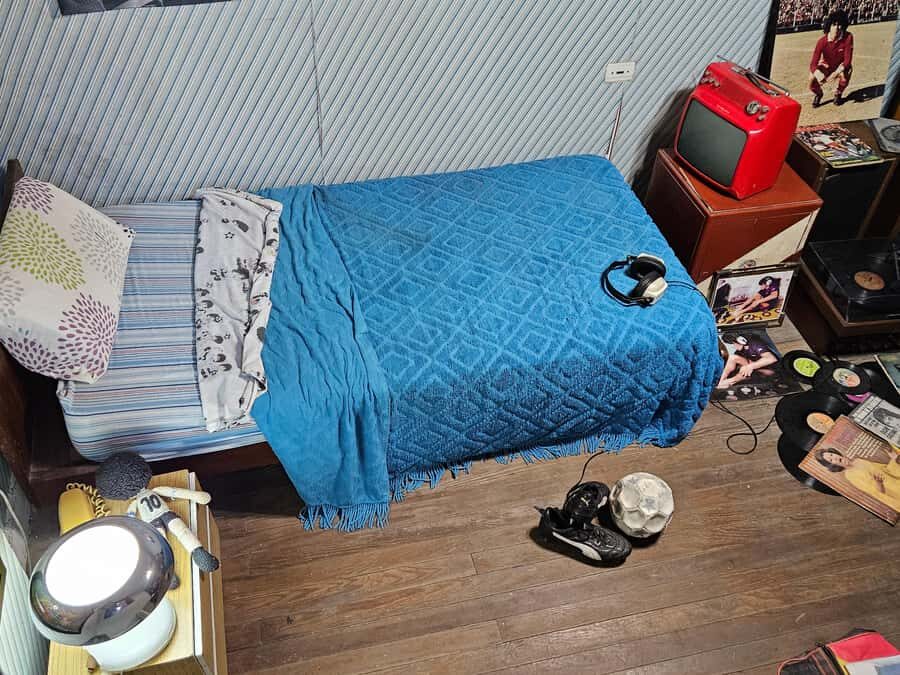
The final major guided highlight is La Casa D10S, Maradona’s childhood home. This visit is about one hour, which is a thoughtful length: long enough for a guided look at how humble beginnings connect to later greatness, but not so long that it becomes repetitive.
There’s something powerful about seeing a famous life starting in ordinary surroundings. Even if you already know the headline story, visiting a childhood home reframes the legend. It turns Maradona from a distant icon into someone with a real starting point—family, neighborhood influence, and early life circumstances that shaped him before fame.
And because the tour includes museum and stadium earlier, La Casa D10S becomes more than a photo stop. It closes the loop. You see the “before” after you’ve seen the “stage” and the “story,” so everything feels connected rather than scattered.
Who will love this stop most
If you like human-scale history—stories about upbringing, community, and the path to talent—this is the part you’ll probably remember longest.
Price and what $162 really buys you
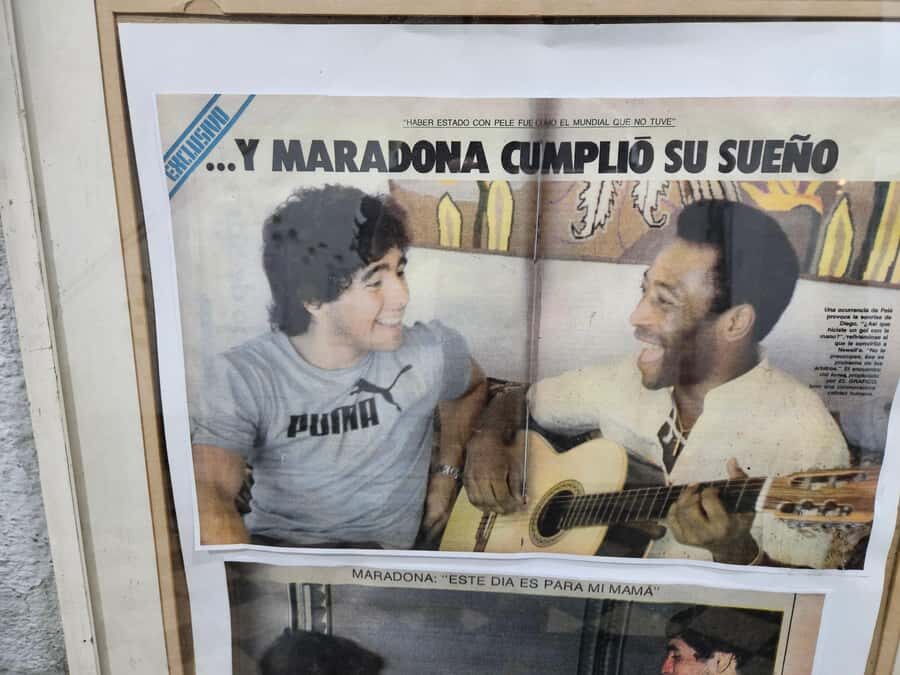
At $162 per person for a one-day tour, the question is simple: does this feel like good value for the time and access you’re getting?
Here’s what you’re paying for, clearly:
- Hotel pickup and drop-off (a real time-saver in Buenos Aires)
- Guided access to the museum, stadium, and house
- Entrance included for those key stops
- A guide in English or Spanish
- A private group format
- Skip-the-ticket-line benefits for the stops where that matters
When you add those together, it starts to look less like a random sightseeing day and more like a structured day with access and interpretation. The private group format can also be worth it if you want your questions answered without feeling like you’re sharing the guide’s time with a crowd.
The only “cost” you should mentally budget for is food and drinks, since those aren’t included. But if you’re paying for a guided day with entrances and pickup, it’s fair that lunch isn’t bundled.
Guides matter: what great explaining feels like
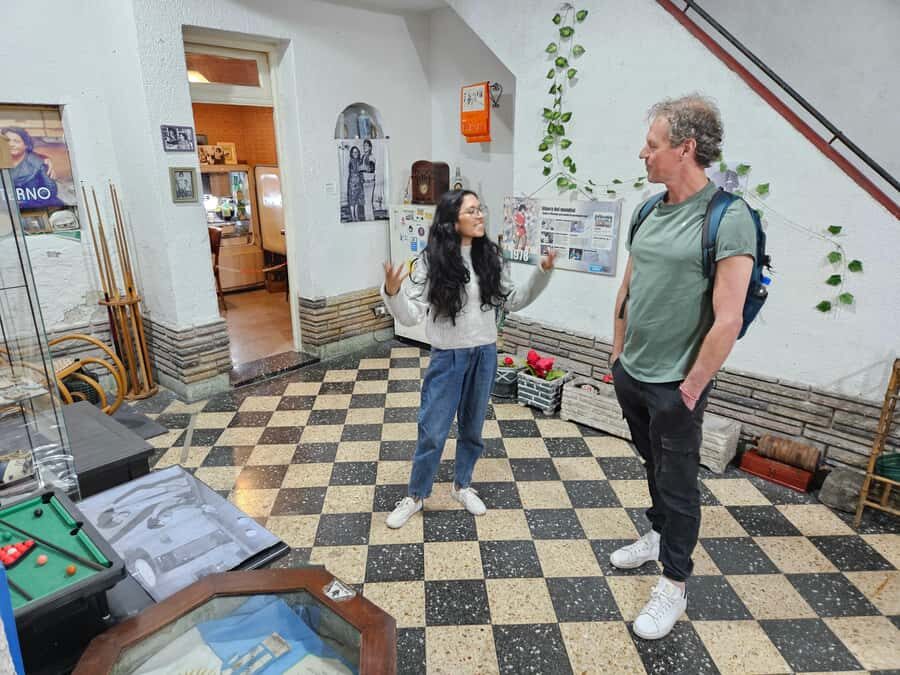
This tour really depends on the guide’s ability to make Maradona’s life coherent across very different places. And the guiding style shows up in how the day flows: clear explanations, good mobility between stops, and enough time for you to actually look.
In particular, guides such as Sofía Ruiz and Juan are known for providing strong explanations and keeping the pacing relaxed enough that you’re not constantly rushing to the next photo. That kind of guide presence can change everything—museum facts stick better, and the stadium tour feels less like a corridor walk and more like a story.
So when you book, think about your own style. If you love asking questions and want context, this guided setup is a big win. If you prefer silent wandering, you might feel like the guide is talking most of the time. Still, the structure keeps you from missing key points.
Who should book this Maradona tour (and who should skip it)
You’ll probably love this tour if:
- You want the main Maradona landmarks in one day
- You like guided history that connects “where” to “why”
- You’re a football fan who wants context, not just access
- You value hotel convenience in Buenos Aires
You might reconsider if:
- You need wheelchair access (it’s not suitable)
- You rely heavily on accessibility support for visual impairments (it’s not suitable)
- You’re expecting food to be included (it isn’t)
- You don’t enjoy guided time and prefer self-paced exploring
Also, keep your expectations realistic for a one-day route. You’ll see a lot, but you won’t have a full “stay and stare” day in any one place. The payoff is the connections between stops.
Should you book the Maradona Tour?
Book it if you want a focused, well-structured Maradona day with real interpretation—museum, stadium, murals, chapel, and La Casa D10S—plus hotel pickup and drop-off that keeps your day from turning into transportation stress.
Skip it (or at least weigh alternatives) if accessibility needs you can’t meet, or if you want long independent time with no guidance. And if you’re the type who needs a fully catered day, remember: food and drinks aren’t included, so plan your meals.
If your goal is to understand Maradona as a person and a symbol—not just as a highlight reel—this one-day route is an efficient way to get there.
FAQ
How long is the Maradona tour?
It lasts 1 day.
How much does the tour cost?
The price is listed as $162 per person.
Do I get hotel pickup and drop-off?
Yes. Pickup and drop-off are included at your hotel, or at any place you prefer, at your chosen time.
What stops are included on the tour?
You visit the Diego Armando Maradona Museum, the Diego Armando Maradona Stadium, Maradona’s childhood home (La Casa D10S), and you also include key Maradona locations such as the chapel and the La Paternal murals area. There’s also a break at Maradona café.
Are museum and stadium entrances included?
Yes. Entrance to the stadium and museum is included, along with entrance to La Casa D10S.
Is the tour guided?
Yes. You’ll have a live guide speaking English or Spanish.
Is food included?
No. Food and drinks aren’t included.
Is it suitable for wheelchair users or visually impaired people?
No. It’s not suitable for wheelchair users or visually impaired people.