REVIEW · BUENOS AIRES
Nazis in Buenos Aires: a historical walking tour
Book on GetYourGuide →Operated by Klio Tours · Bookable on GetYourGuide
Nazis in Buenos Aires is a history walk with teeth. It tackles a disputed question: how much Argentina really knew, and how much it enabled, after 1945. You’ll move through iconic streets in Recoleta, Retiro, and Microcentro while hearing the names, debates, and flashpoints that connect World War II to local Jewish life.
Two things I really like about this tour are the way Max explains hard material in clear English and the fact that every stop feels anchored to specific places you can actually see. I also like that the approach is not just dates and slogans; it’s built to handle the uncomfortable gray areas, including the role of political figures and the evidence behind claims.
One drawback to consider: this is serious content, and the route is a real walking experience for about 2.5 hours. If you want a light, casual stroll or you’re uncomfortable with Holocaust-related and terrorism-related topics, you may find it heavy.
In This Review
- Key highlights to look forward to
- The Nazi-after-1945 question you can’t dodge in Buenos Aires
- Max’s street-seminar approach: evidence, nuance, real debate
- Your 2.5-hour walking route: what the stops reveal
- Price, pacing, and what to bring to get the most
- Should you book this tour?
- FAQ
- FAQ
- How much does Nazis in Buenos Aires cost?
- How long is the tour?
- Is the tour offered in English?
- Where does the tour start and where does it end?
- Do I need prior knowledge of World War II and the Holocaust?
- What should I bring, and is there a break?
- Is it suitable for children?
- Is wheelchair access available?
- What admissions are included?
- Can I get a refund if plans change?
Key highlights to look forward to
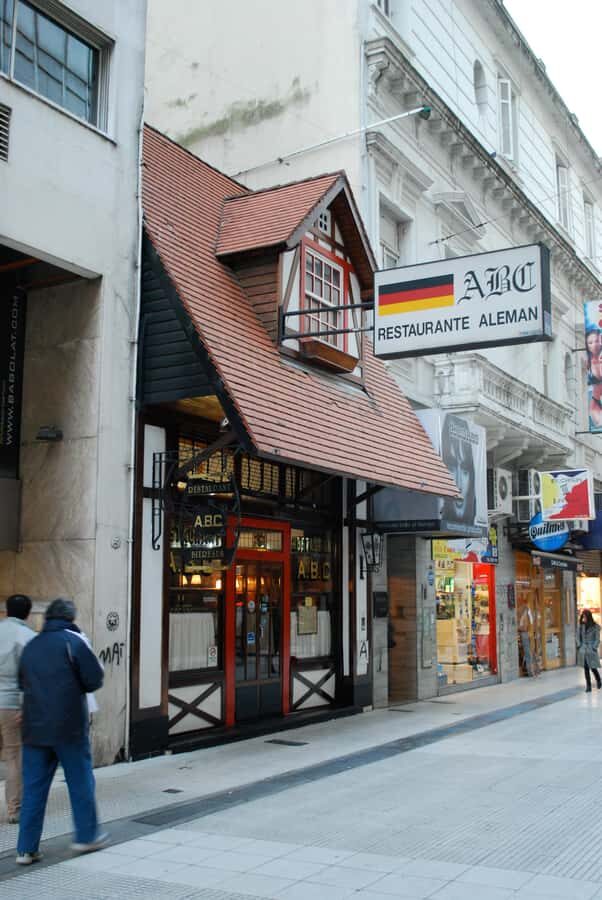
- Eichmann’s coffee connection at ABC Restaurant, tied to his capture story
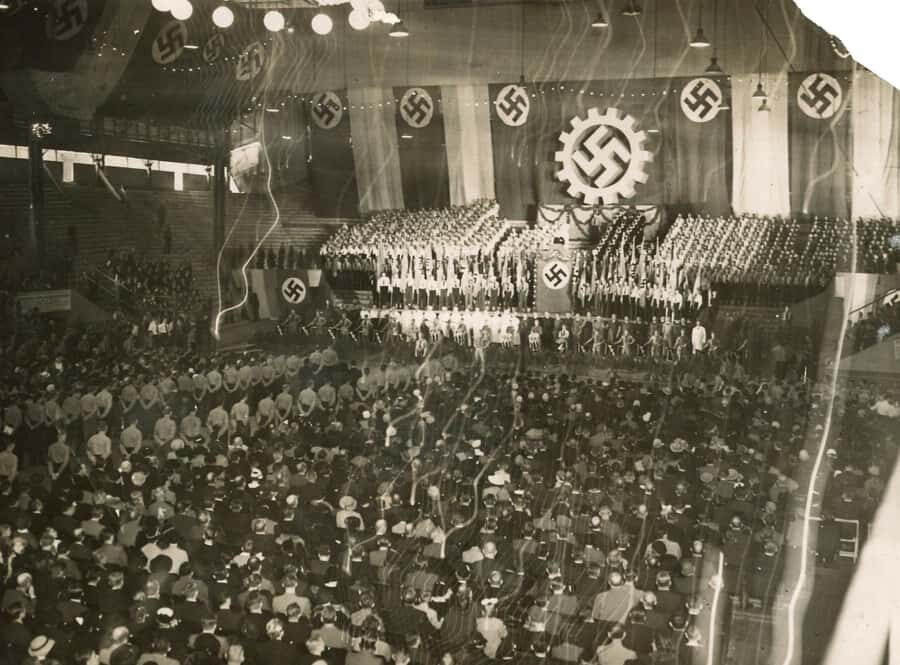
- Luna Park’s Nazi-era moment, including a 15,000-seat meeting tied to Nazi activity
- A memorial linked to the worst terrorist attack in Latin America, at the former Israeli embassy site
- Recoleta-to-Microcentro routes that connect WWII and postwar migration debates in Argentina
- A university-teacher style guide (Max) who welcomes questions and admits uncertainty when it’s warranted
The Nazi-after-1945 question you can’t dodge in Buenos Aires
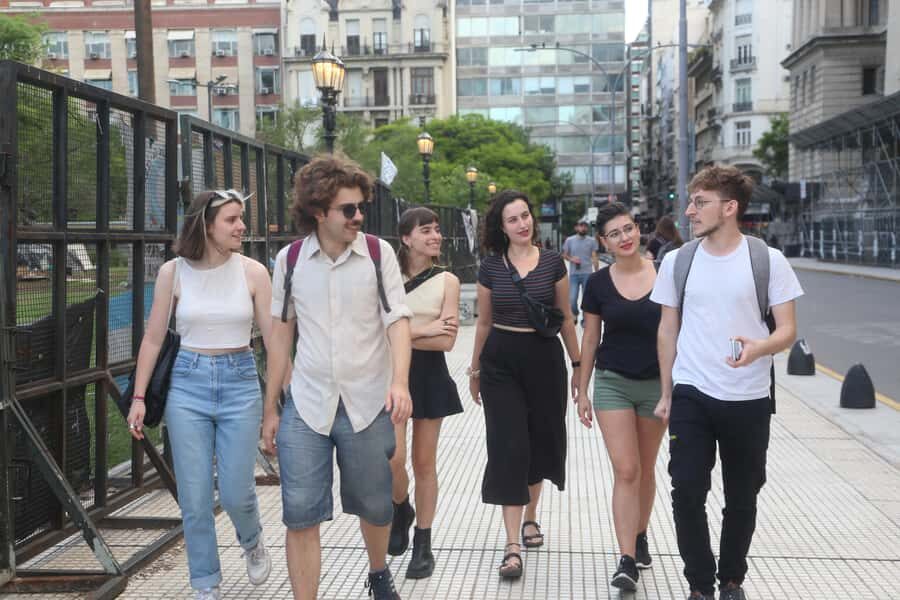
Buenos Aires has a way of making history feel close. This tour leans into one of the most controversial topics to come out of World War II: the claim that some Nazi war criminals found refuge in Argentina after 1945.
What makes it compelling is that it doesn’t treat the story as one clean villain-and-hero script. You’ll hear about Nazi figures who immigrated, then tackle the wider debate: was that migration known, and was it even promoted by Argentine authorities. You’ll also connect the dots to the fate of the Jewish community in Buenos Aires, which is described as the second largest in all of the continent—so this isn’t just an abstract global topic.
Other Buenos Aires tours we've reviewed in Buenos Aires
Max’s street-seminar approach: evidence, nuance, real debate
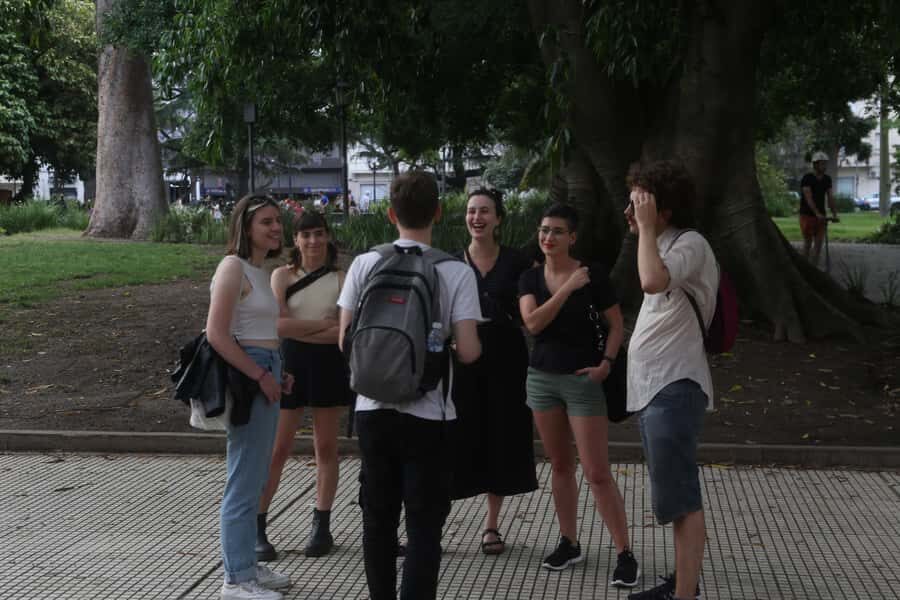
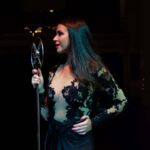
The guide, Max, is presented as a history teacher tied to the University of Buenos Aires. That matters, because the tour is designed like a guided class rather than a quick “point and go” walk.
Max’s teaching style is a big part of the value. You get a clear structure, and the tour uses graphics and/or relevant pictures at stops to support the stories being told. The best part is the balance: he encourages discussion while aiming to stay evidence-based, and he’s comfortable saying when something is not certain.
If you like tours that actually answer the why behind the headlines—without flattening complex politics into one-sided talking points—this is the kind of walk that will keep your attention. Also, it’s explicitly in English, and the format is built for questions, including ones about Nazism, Judaism, World War II, and Argentine history.
Your 2.5-hour walking route: what the stops reveal
The tour runs about 2.5 hours, with a 10-minute pause for a restroom break. It starts at the Monumento a Juana Azurduy in front of Palacio Libertad (formerly the CCK) and ends at the Memorial site connected to the former embassy of Israel, at Plaza Embajada de Israel.
You’ll cover key areas in Recoleta, Retiro, and Microcentro. The pacing is meant to let you see each location clearly, not just rush past it. And while the tour description says it’s preferred to have a basic background in WWII and the Holocaust, Max will still handle questions if you want to fill in gaps on the fly.
Stop 1: Monumento a Juana Azurduy (start by Palacio Libertad / CCK)
You begin at a monument tied to Juana Azurduy, with the Palacio Libertad building nearby—an opening that helps set context in a meaningful Buenos Aires way. This start matters because the subject is controversial, and the guide uses the first minutes to frame how the debate will work on the street.
Expect the tour to set the stage slowly, then gradually connect the wider Argentine story to individual case studies. If you came with only a vague sense of the topic, this is where you’ll get your bearings fast.
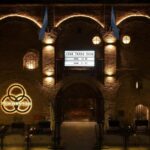
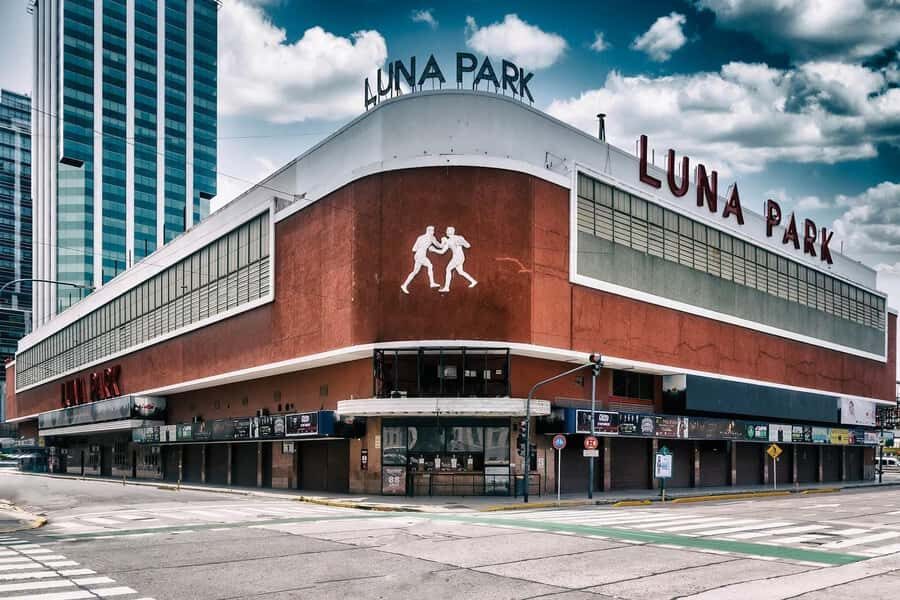
Stop 2: Luna Park Stadium
This is one of the tour’s most visually dramatic stops, because it’s linked to a meeting tied to Nazi activity and described as a 15,000-seat gathering. Luna Park is still operational, so the location forces a different kind of thinking: history isn’t only in museums here.
You’ll spend about 20 minutes at the stadium area, using that setting to discuss how local public life intersects with extremist movements. Even if you already know the broad outlines of WWII, the goal is to show what postwar and local politics could make possible.
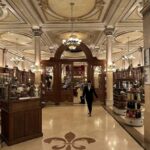
Stop 3: ABC Restaurant (Adolf Eichmann’s coffee connection)
This stop is built around a chilling, human detail: the account that Adolf Eichmann sat for a cup of coffee at ABC Restaurant. The tour uses that clue-like setting to move into the spy-style narrative of Eichmann’s identification and capture.
It’s the kind of detail that sticks because it’s specific. You’re not just hearing that someone existed; you’re hearing how the story of his capture became possible and why it mattered for accountability.
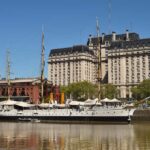
Stop 4: Museo de Armas de La Nación Tte. Gral. Pablo Riccheri
Arms and power are never far from Argentina’s 20th-century politics, and the tour uses this museum stop to connect the dots between state capability, conflict, and the postwar era. You’ll get about 20 minutes here, likely focused on how weapons, institutions, and political transitions can shape what happens next.
This is also where the tour’s theme of debate becomes important. You’ll hear about migration after 1945, and you’ll be asked (implicitly and sometimes explicitly) to consider how much governments knew or enabled, not just what individuals did.
Stop 5: Palacio San Martín (Perón-related context)
Juan Domingo Perón is described as arguably the most important political figure in Argentina’s 20th century, and this stop is used to tackle debates about him. You’ll spend about 20 minutes here, using the surrounding grandeur of the area to talk about politics, narratives, and the ways governments can shift meaning depending on who’s telling the story.
The tour’s value isn’t that it gives you a single verdict. It gives you the competing angles and pushes you to understand why historians argue about these issues in the first place.
Stop 6: Italian Circle of Buenos Aires
This stop is part of the route’s “from public to ideological” progression. It’s also where the tour includes a reference to a neo-Nazi attack in the 1960s, showing that extremist ideas didn’t simply vanish after the war ended.
You’ll get roughly 20 minutes at this location. For me, it’s an important reminder: even when events are decades old, the mechanisms behind hate—organization, recruitment, and intimidation—can keep reappearing unless people actively confront them.
Stop 7: Plaza Embajada de Israel (former embassy memorial)
The ending is heavy on purpose. The tour visits a memorial site connected to the former embassy of Israel, tied to what’s described as the worst terrorist attack in the history of Latin America. This is where the tour connects the story of war criminals and postwar migration debates to the direct, local impact on Jewish life and community safety.
It’s also where you’re meant to feel the urgency. The stories don’t end with WWII; they land in real suffering, and the ending drives home why the history matters now, not just then.
Price, pacing, and what to bring to get the most
At $25 per person, this tour is strong value for the amount of subject matter packed into roughly 2.5 hours. You’re paying for a guided, English-language teaching style focused on evidence, debate, and specific sites tied to big historical claims—not just a walk-by photo tour.
The tradeoff is that the tour is not about comfort. Bring comfortable shoes and water, because it’s a continuous walking experience across central neighborhoods. There’s a short restroom pause built in, but you still want to start the walk feeling prepared.
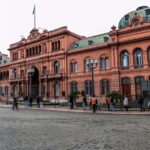
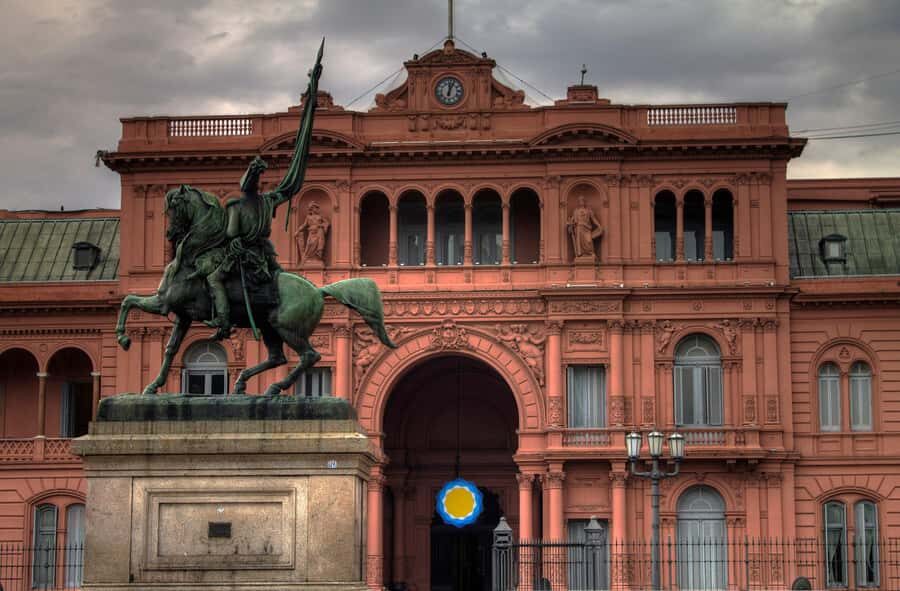
Also note what’s not included: entry to places like the Casa Rosada, the Libertad Synagogue, and Luna Park Stadium. That doesn’t make the tour weak; it keeps the focus on the route and the stories tied to the visible public spaces. If you want museum tickets or inside access as part of your plan, you’ll likely need separate visits.
Should you book this tour?
If you want a Buenos Aires history tour that treats controversy seriously, not like entertainment, I’d book it. Max’s teaching approach—clear explanations, supported visuals, willingness to answer questions, and the habit of admitting uncertainty when needed—makes a hard topic feel structured rather than chaotic.
Book it if you like learning from specific locations and you’re ready for a walk that ends with real weight. Skip it if you’re looking for a light, family-friendly outing under 10 or you need wheelchair-friendly access, since the tour isn’t suitable for wheelchair users and isn’t recommended for younger children.
Other walking tours we've reviewed in Buenos Aires
FAQ
FAQ
How much does Nazis in Buenos Aires cost?
It costs $25 per person.
How long is the tour?
The tour is listed as 2.5 hours, with a walking tour portion described as two hours.
Is the tour offered in English?
Yes, the guide gives a live tour in English.
Where does the tour start and where does it end?
It starts near the Monumento a Juana Azurduy, by the benches facing Palacio Libertad (formerly the CCK). It ends at Plaza Embajada de Israel at the memorial site of the former embassy of Israel.
Do I need prior knowledge of World War II and the Holocaust?
Basic knowledge is preferred, but the guide is happy to answer questions about Nazism, Judaism, World War II, and Argentine history.
What should I bring, and is there a break?
Bring comfortable shoes and water. There’s a 10-minute pause for the restroom.
Is it suitable for children?
It’s not suitable for children under 10.
Is wheelchair access available?
No, it’s not suitable for wheelchair users.
What admissions are included?
The tour includes a guided walking tour, but entry is not included for the Casa Rosada, the Libertad Synagogue, or Luna Park Stadium.
Can I get a refund if plans change?
Yes. Free cancellation is available up to 24 hours in advance for a full refund. You can also reserve now and pay later.