REVIEW · BUENOS AIRES
Buenos Aires: Historic District Private Guided Walking Tour
Book on GetYourGuide →Operated by BUENOS AIRES PASS · Bookable on GetYourGuide
Buenos Aires history is right outside the door. This private walking tour threads you through the city’s most recognizable political and colonial sights, with a guide explaining how Argentina’s independence, traditions, and big personalities connect to the places you’re standing in. You’ll start outside Café Tortoni, then walk into the heart of the historic district.
I especially love two things: you get real architectural variety in a short time, from the colonial-era feel around the square to the Metropolitan Cathedral’s unusual neoclassical look. And the guide focus is practical—history is explained clearly, so you’re not just looking at buildings, you’re understanding why they matter.
One thing to consider: there’s no hotel pickup, and the meeting point is fixed outside Café Tortoni. If you rely on a phone app or messaging to find your guide, bring reliable internet so you can confirm details on the day.
In This Review
- Key highlights at a glance
- Walking into Plaza de Mayo, the city’s founding square
- Casa Rosada and the politics you can see
- The Cabildo: where colonial government happened
- The Metropolitan Cathedral’s unusual neoclassical presence
- The subway story you can spot near the cathedral
- The walking rhythm: what 2 hours feels like in practice
- Value for the money: is $52 worth it?
- Who this tour suits best
- Heads-up from the guide experience: clear English and real professionalism
- Should you book this Buenos Aires Historic District private tour?
- FAQ
- Where does the tour meet?
- How long is the Buenos Aires Historic District private walking tour?
- What’s included in the price?
- Do I need tickets for the cathedral and Cabildo?
- Are there hotel pickup or drop-off services?
- What languages are available for the live guide?
- Is this tour wheelchair accessible?
- What should I bring for the tour?
Key highlights at a glance
- Café Tortoni meeting point keeps things simple in the center of town.
- Plaza de Mayo in 1580 context helps you connect the square to Buenos Aires’ founding.
- Skip-the-line entry to the Metropolitan Cathedral and the Cabildo saves time.
- Neoclassical Metropolitan Cathedral is visually memorable and easy to appreciate up close.
- A quick peek at the Plaza de Mayo subway station shows how the city’s transit story began.
- Private group format makes it easier to ask questions and set your own pace.
Walking into Plaza de Mayo, the city’s founding square
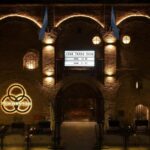
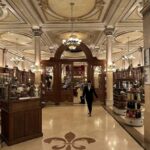
Your tour starts outside Café Tortoni, one of those Buenos Aires landmarks that has always been more than just coffee. It’s a logical place to begin: you’re already in the center, and you’ll get your bearings fast before walking into the bigger “set pieces” of the city. The guide also sets the mood by talking about famous Argentines who used this area as a meeting point, which is a great trick. It makes the walking feel like a story with characters instead of a checklist.
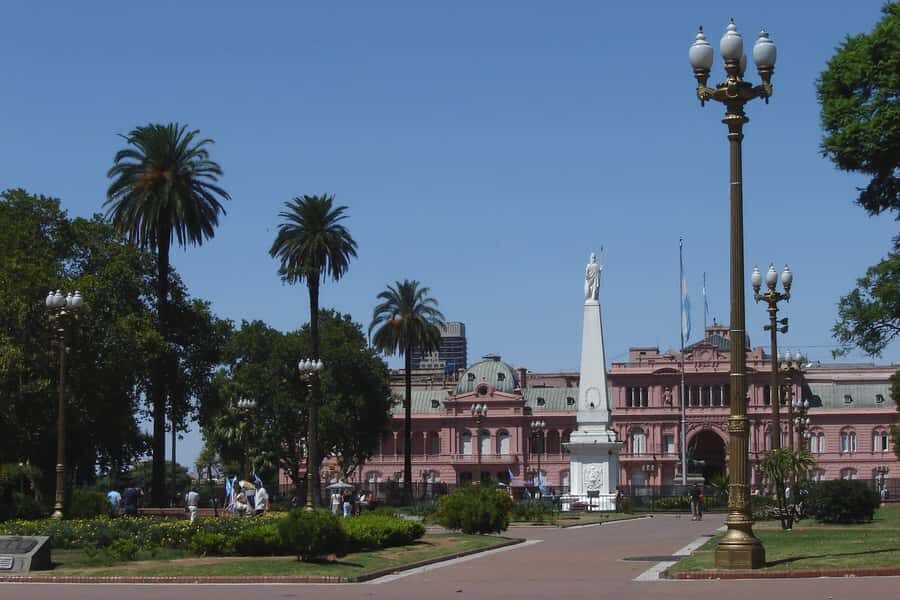
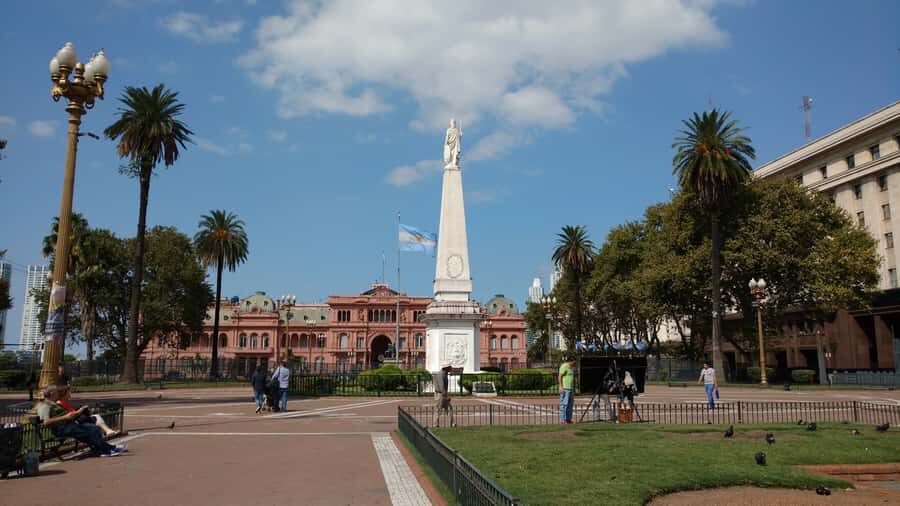
From there, you head to Plaza de Mayo, where Buenos Aires was founded in 1580. That detail matters because it changes how you read the space. The plaza isn’t just a pretty focal point. It’s the stage for centuries of civic life, and the guide helps you connect that to what you’re seeing around you: power, public space, and the way the city organizes itself.
If you like history that’s tied to everyday places, this stop is where the tour clicks. You’ll stand in the middle of one of Latin America’s most important squares and learn the “why” behind what’s built around it. It’s also a strong photo moment, especially when you can see the surrounding facades clearly without needing to hunt.
Other Buenos Aires tours we've reviewed in Buenos Aires

Casa Rosada and the politics you can see
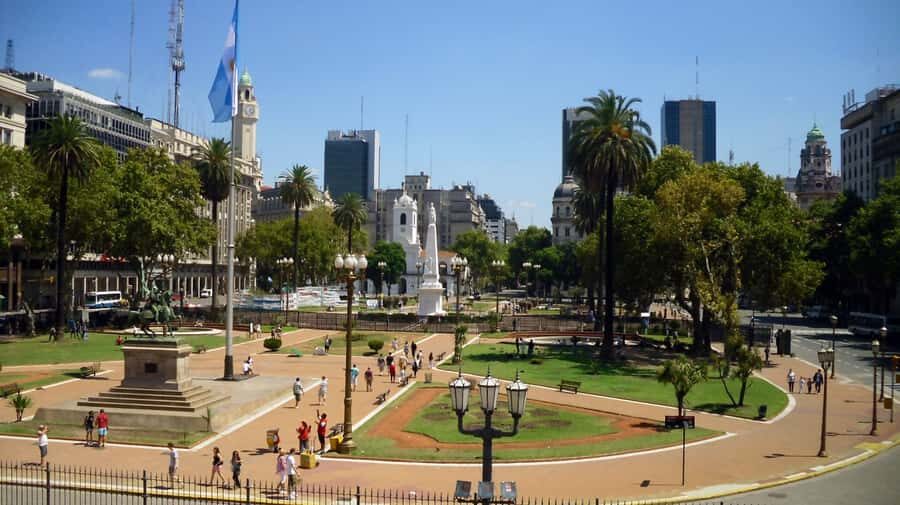
After you orient in the plaza, the tour moves past Casa Rosada, the presidential office. Even if you’re not a politics person, it’s hard not to feel something standing there. This isn’t an abstract idea of government; it’s government shown in a physical setting with a history you can point to.
The guide’s job here is to link institutions to the people and events that shaped independence and national identity. You’re not just reading facts—you’re hearing explanations in plain language while the building is right there. That’s the value of this format: it turns the central sights into living context.
A practical note: plazas can get busy and noisy. The tour is only 2 hours, so you’ll want to keep moving and stay attentive during the guide’s explanations. If you tend to wander off for photos, try to pace yourself so you don’t miss the historical framing that makes the architecture meaningful.
The Cabildo: where colonial government happened
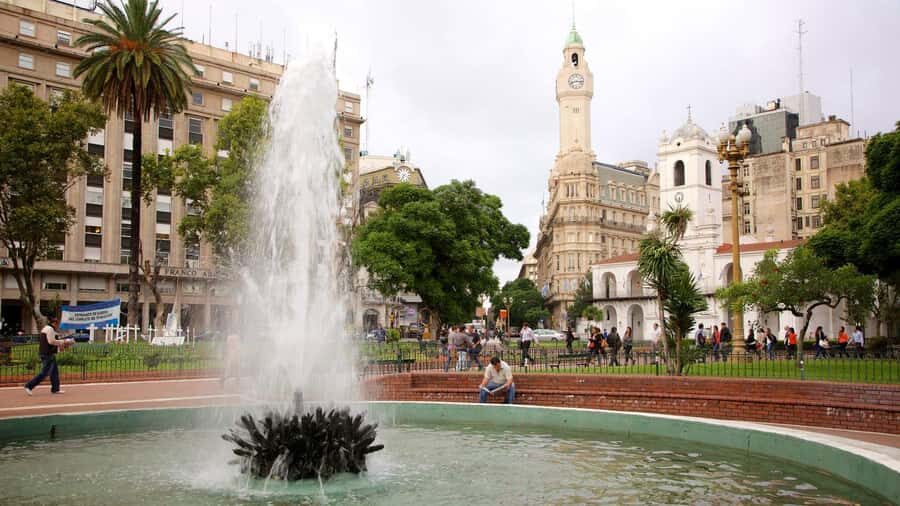
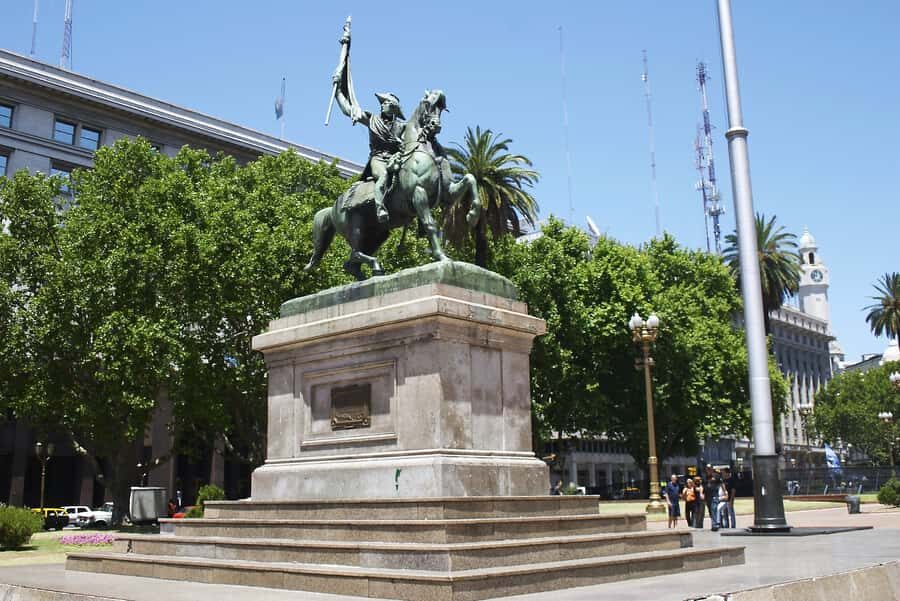
Next up is the Cabildo, a historic building that served as the seat of the town council during colonial times. This is one of my favorite stops on tours like this because it reminds you that local power structures existed long before modern departments and ministries.
What I like here is how the guide connects the building to the everyday mechanics of rule: decision-making, ceremony, and the public face of authority. Standing near this kind of structure, you can almost see how the city used to operate. It’s not only about independence as a big national event; it’s about governance at the ground level too.
You also get entrance included (so you’re not stuck outside wondering whether you should pay extra). And with skip-the-ticket-line access built in, you can spend more of your time actually inside and looking closely.
If you care about architecture, pay attention to how the Cabildo fits the surrounding historic district style. The contrasts between colonial forms and later civic designs help you understand how Buenos Aires grew into its modern identity.
The Metropolitan Cathedral’s unusual neoclassical presence
After the Cabildo area, you’ll head to the Metropolitan Cathedral, where the architecture is the star. This cathedral is unusual for the setting because of its neoclassical character. It’s one of those places where your eyes notice the style differences right away, even if you don’t know every term.
The guide helps you interpret what you’re seeing rather than leaving you to guess. That turns the stop from a quick look into something richer, especially if you’re the kind of person who wonders why a building looks the way it does.
A tip for getting more out of the visit: take a minute to look at the facade and then shift your focus to the details. Neoclassical buildings often reward that slow look. Since you’re on a short private walking tour, you don’t want to rush, but you also don’t need to stare forever. The goal is a clear sense of design and purpose.
Entrance is included, so you’re getting access without additional hassle. And because the tour is private, it’s easier to ask questions about the style and the period the guide is talking about.
The subway story you can spot near the cathedral
Near the cathedral you’ll notice the Plaza de Mayo subway station, where Buenos Aires’ subway system began. This is a small stop, but it’s a smart one because it adds a layer most walking tours skip: how the city modernized.
You’ll get a sense that Buenos Aires isn’t frozen in colonial time. It grew new systems around old spaces. Seeing that subway reference right near monumental civic buildings helps you understand how the city layers eras on top of each other.
Don’t expect a long transit lesson here. It’s more like a quick “oh, right” moment that broadens the tour beyond politics and architecture. But it’s exactly the kind of detail that makes a short tour feel more complete.
Other walking tours we've reviewed in Buenos Aires


The walking rhythm: what 2 hours feels like in practice
A 2-hour private walking tour is long enough to cover major landmarks and short enough to avoid fatigue. Still, plan for steady walking on uneven sidewalks at times, plus stopping frequently for photos and guide explanations.
Comfortable shoes matter. And because there’s no hotel pickup, you’ll need to be ready to meet on time and start from the center. I recommend giving yourself a little buffer to locate Café Tortoni confidently before the start.
Also, bring internet access. This isn’t a “must” for everyone, but it’s listed as what to bring, and it’s the kind of thing that helps if you need quick confirmation. On day-of tours, details can change, and internet is the best safety net.
Value for the money: is $52 worth it?
At $52 per person for a 2-hour private guided walk, the value comes from the combination of guide time plus included access. You’re not only hearing stories; you’re also getting entrance to both the Metropolitan Cathedral and the Cabildo, with skip-the-line benefits.
For me, that’s the difference between a “look at buildings” walk and a “learn what you’re seeing” tour. The guide’s explanations about independence, national traditions, and how people used these spaces make the central sights feel connected rather than random.
Private format also changes the experience. Even if you’re traveling with a small group, a private guide usually means you can ask the question you’re thinking of instead of waiting for it to be your turn in a larger crowd. That keeps the tour from feeling rushed, which is especially important for a compact 2-hour route.
Who this tour suits best
This tour is a strong fit if you want a focused introduction to the Buenos Aires Historic District without spending half your day bouncing between far-off areas. You’ll probably enjoy it most if you like:
- walking and architecture,
- history explained in plain language,
- seeing how politics and daily city life overlap.
It’s also a good choice for visitors who want to ask questions about Argentina’s independence and traditions while standing in the real public spaces where those stories played out.
Because the tour is marked wheelchair accessible, it should work for people who need accessibility planning, but you’ll still want to wear comfortable shoes and be ready for city sidewalks.
Heads-up from the guide experience: clear English and real professionalism
One of the best clues that this tour delivers is the way guides are described when they lead. In past experiences, guides such as Juan Manuel Sánchez and Juan Miguel have been praised for clear English and for giving confident, professional answers to questions. Another guide mentioned, Juan Manoel, was noted for making people comfortable and going beyond memorized talking points.
What that means for you: you’re likely to get explanations that make sense, not just a script. If you’re the kind of traveler who asks follow-up questions, this private format helps the guide answer you in context as you move from stop to stop.
Should you book this Buenos Aires Historic District private tour?
I’d book it if you want a tight, high-impact way to understand central Buenos Aires through Plaza de Mayo, the Cabildo, and the Metropolitan Cathedral—without wasting time buying tickets or waiting in lines. The price is reasonable for a guided private walk that also includes entrances, and the 2-hour length makes it easy to pair with other plans later the same day.
Skip it only if you hate walking, want a longer multi-neighborhood deep historical route, or you’re very sensitive to fixed meeting points with no pickup. If you can show up at Café Tortoni on time and keep your energy for a short walk, this is a smart way to see the city’s story in one focused loop.
FAQ
Where does the tour meet?
You meet outside Café Tortoni.
How long is the Buenos Aires Historic District private walking tour?
The duration is 2 hours.
What’s included in the price?
The tour includes the guide, the walking tour, and entrance to the Metropolitan Cathedral and the Cabildo.
Do I need tickets for the cathedral and Cabildo?
No extra ticket handling is required for entry, since the tour includes entrance and notes skip the ticket line.
Are there hotel pickup or drop-off services?
No. Hotel pickup and drop-off are not included.
What languages are available for the live guide?
Live tour guides are available in English, Portuguese, and Samoan.
Is this tour wheelchair accessible?
Yes, it is listed as wheelchair accessible.
What should I bring for the tour?
Bring comfortable shoes and internet access.
If you want, tell me your travel dates and whether you’ll be visiting in the morning or afternoon, and I can suggest how to pair this with a good next stop nearby.