REVIEW · BUENOS AIRES
SAN TELMO + CAMINITO THE LOCAL WALKING TOUR!
Book on GetYourGuide →Operated by Cachalote tours · Bookable on GetYourGuide
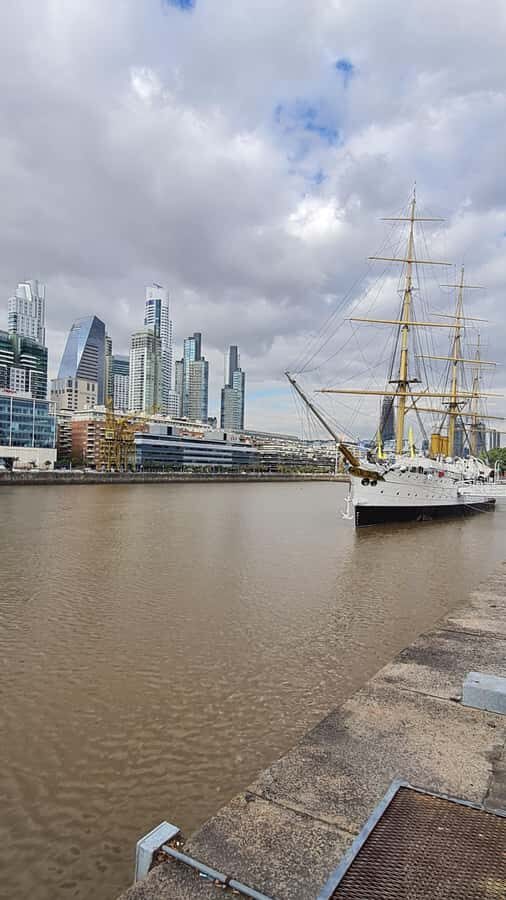
This walk connects old Buenos Aires to tango. You’ll move between San Telmo and Caminito in a way that feels like you’re reading the city with your feet, not just snapping pictures, with colonial streets, immigrant-era stories, and local rhythm along the way.
I love how the guide ties what you see to why it matters: Spanish-colonial style buildings that date back around 400 years, plus narrow streets where tango and artisan life show up in everyday details. I also love that the included mate ritual isn’t treated like a checkbox, it’s explained so you know what you’re looking at.
One thing to plan for: it’s mostly on foot, so bring comfortable shoes and expect a solid walking day. It’s also not listed as suitable for babies under 1 year or people over 70.
In This Review
- Key highlights to look for
- San Telmo + Caminito in one afternoon: the smart way to get oriented
- Starting at the Mafalda bench: a meeting point that actually helps
- San Telmo Market: a taste of street-level Buenos Aires
- Lezama Park: where the walking gets a breather
- Plaza Dorrego and the nearby street maze
- Churches along the route: when the route gives you more than shops
- The mate ritual: a cultural moment you can actually picture
- Caminito in La Boca: color blocks with tango roots
- Finishing with coffee in a conventillo: a calm landing after the walking
- Price and value: what you get for $35 (and what you need to budget separately)
- What impressed me most from real guide performance
- Who this tour fits best, and who should look at alternatives
- Should you book this San Telmo + Caminito walking tour?
- FAQ
- Where is the meeting point?
- How long is the tour?
- What’s included in the price?
- Are museum tickets included?
- Is food or lunch included?
- What language is the guide?
- How big is the group?
- What should I bring?
- Is it suitable for everyone?
Key highlights to look for
- Mafalda statue bench meeting point makes it easy to find where the tour starts
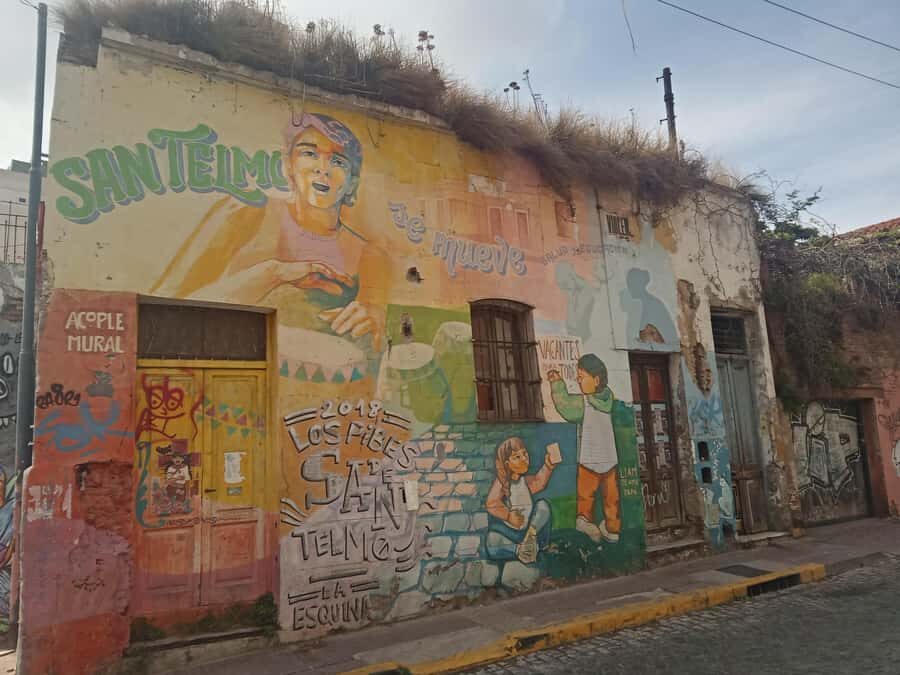
- San Telmo’s Spanish-colonial streets show a Buenos Aires that’s older than the usual postcard idea
- Mate ritual demonstration included so you get the meaning, not just the photo
- Dorrego Square and Lezama Park break up the walk with open-air moments
- Bus to Caminito saves time and keeps the experience focused on the best blocks
- Coffee in a conventillo wraps the tour in a historic setting
San Telmo + Caminito in one afternoon: the smart way to get oriented
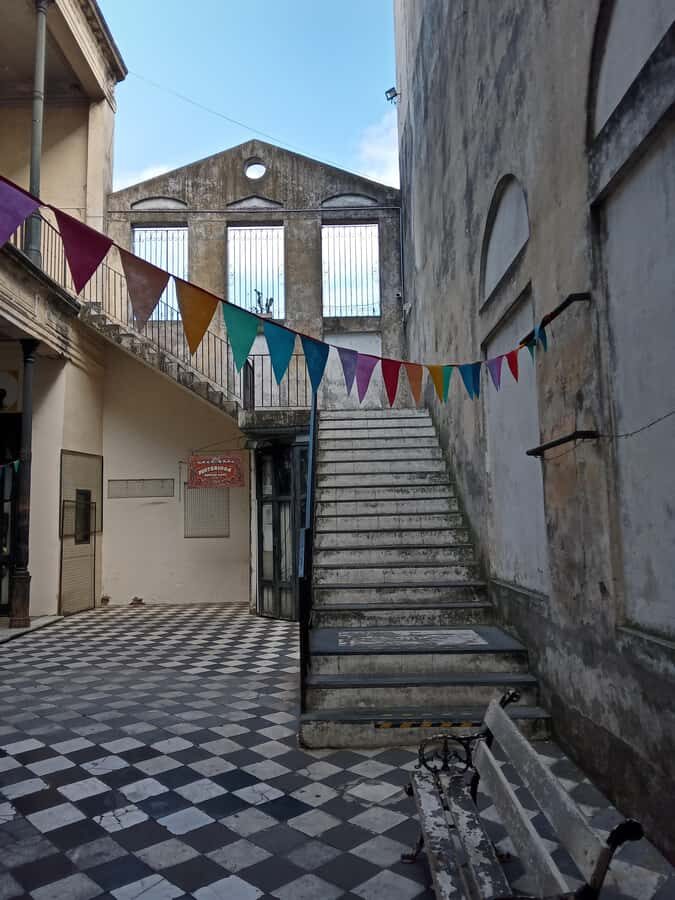
This is the kind of tour that helps you understand Buenos Aires fast. Instead of bouncing between random stops, you’ll get a clear contrast: San Telmo as the older spine of the city, and Caminito as the colorful, immigrant-driven neighborhood story where tango took shape at the end of the 1800s.
The tour runs as a small-group experience, limited to 10 participants, and that matters. In a group that size, your guide can actually point out details in the street level stuff, like architectural clues, not just talk at you from a distance. Plus, you’re walking through both areas in about 3 hours, with a bus segment that keeps you from spending the day figuring out transit.
At $35 per person with a guide in English or Spanish, plus bus tickets and the mate ritual demonstration, the value is mostly in the storytelling and navigation. This isn’t a museum day, and it’s not designed to hand you lunch on a tray. It’s built for learning the city through neighborhood rhythm.
Other walking tours we've reviewed in Buenos Aires


Starting at the Mafalda bench: a meeting point that actually helps
You’ll meet at the touristic bench from the Mafalda cartoon, right at the Estatua de Mafalda. I like meeting points like this because you don’t waste time hunting down a “nearby landmark” that could be anywhere. You can show up, regroup, and get started.
The tour typically includes a quick stop for photos and an intro guided talk (about 20 minutes). That first chunk is useful because it frames what you’re about to see. Buenos Aires has a lot of self-invented images floating around in people’s heads. Here, the guide pulls you back to the real contrast: San Telmo feels Spanish-colonial and older, so it doesn’t match the typical Paris-in-your-head version of the city.
San Telmo Market: a taste of street-level Buenos Aires
One of your early stops is the San Telmo Market for about 30 minutes. Even if you don’t plan to buy much, this is a great place for perspective. Markets tell you how locals shop, snack, and move through the day, and this one lines up with the tour’s theme: tradition with present-day life.
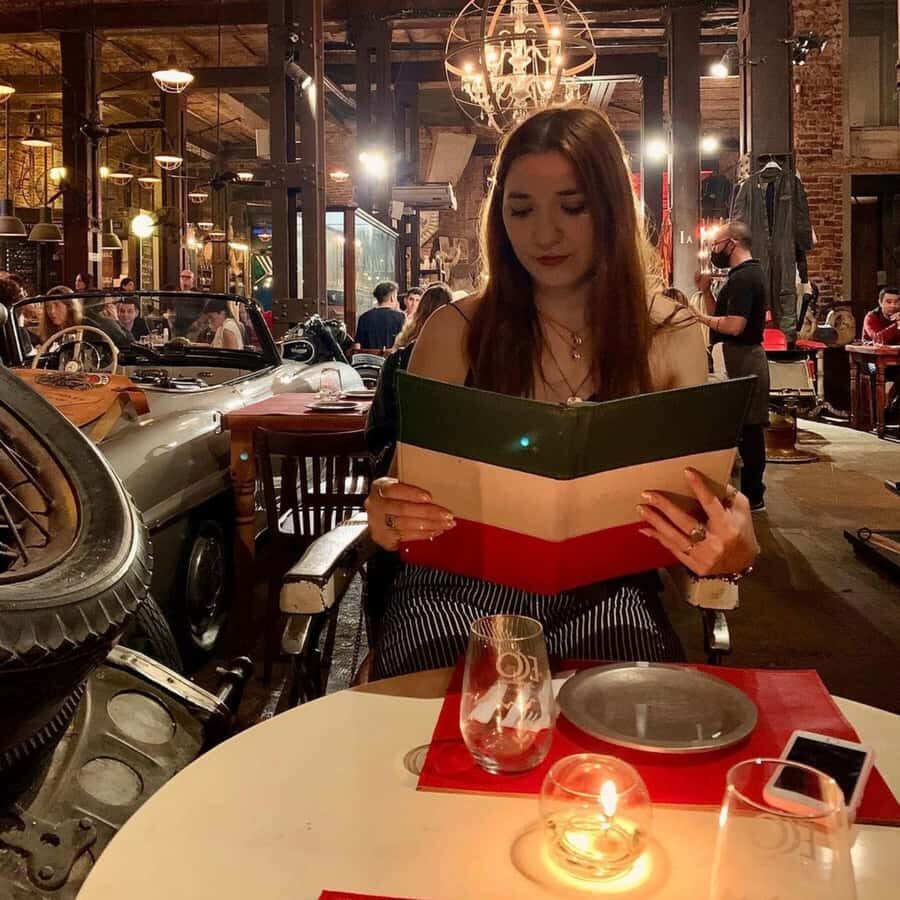
The tour includes time for you to explore and choose your own small bite. You can eat empanadas here, but food isn’t included, so think of this as your chance to try something local without turning it into a full meal. If you’ve ever felt annoyed on tours when every stop is “pay extra,” this one is at least honest about giving you a moment to eat if you want.
Practical tip: bring water, and if you get tempted by snacks, remember you’ll still have more walking and photos coming. I’d treat market food as a quick sampler, not a substitute for planning your day.
Lezama Park: where the walking gets a breather
After the market, you’ll head toward Parque Lezama for a guided moment and a walk of around 20 minutes. Parks are underrated on tours like this because they give your brain a reset. In a neighborhood with narrow streets and lots of visual detail, a short open-air stretch helps you absorb what you’ve just learned.
Lezama Park also supports the tour’s larger goal: understanding how San Telmo sits in the broader city fabric. You’re not only looking at buildings. You’re seeing how people move through spaces and where the open-air breaks exist.
Plaza Dorrego and the nearby street maze
Next comes Plaza Dorrego for about 15 minutes of sightseeing and walking. This stop is less about one single object and more about “place.” Squares help you map the neighborhood in your mind: where you are, what direction you’re heading, and why the street layout matters.
From here, the tour leans into the part most people come for: the narrow streets and the architectural contrast. The tour description calls out Spanish colonial style and houses that date back around 400 years, and that’s exactly the sort of detail that’s easy to miss when you’re wandering alone. A good guide keeps you from treating every old building like wallpaper.





Churches along the route: when the route gives you more than shops
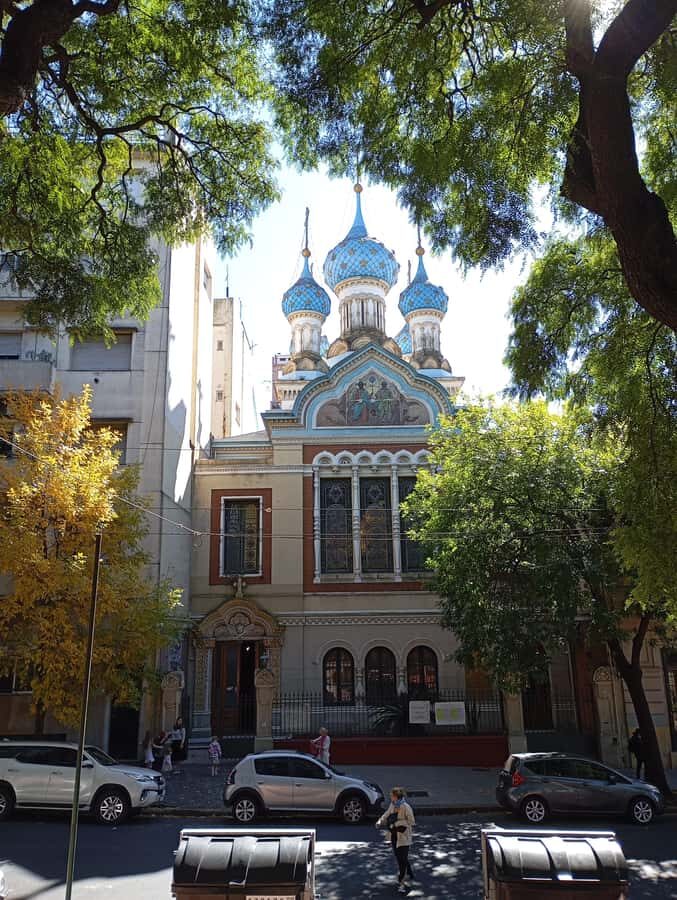
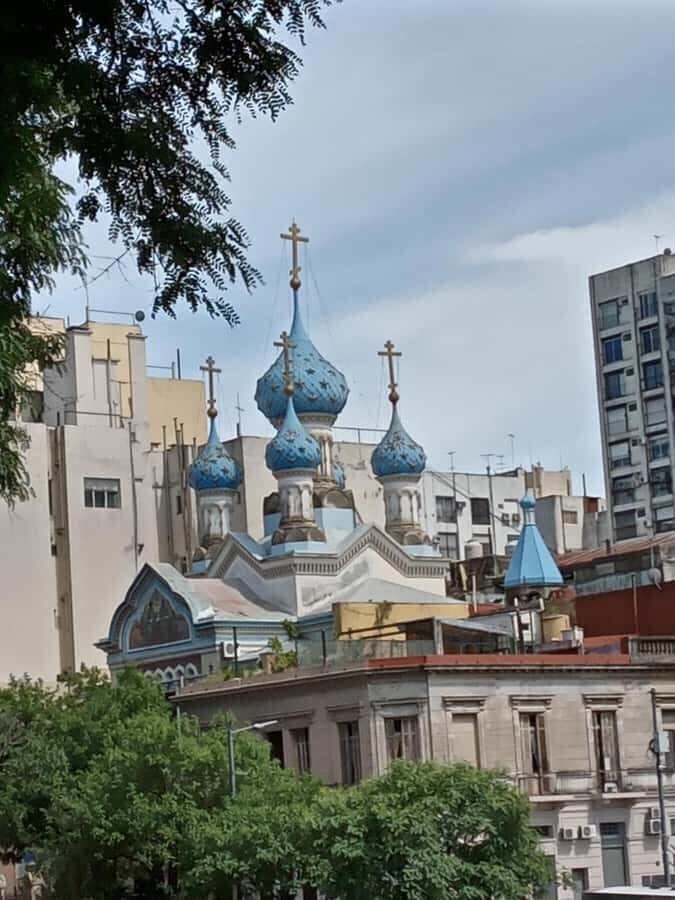
The tour notes that you can visit some churches in the area. I like this when it’s optional in the flow, because churches often add context in a way that street art and markets can’t. You get another layer of what the neighborhood has carried through time.
Just keep expectations practical. This is still a walking tour, so the church moments are likely short stops rather than museum-depth visits. If you’re the type who wants long interior time, you may need a separate plan afterward.
The mate ritual: a cultural moment you can actually picture
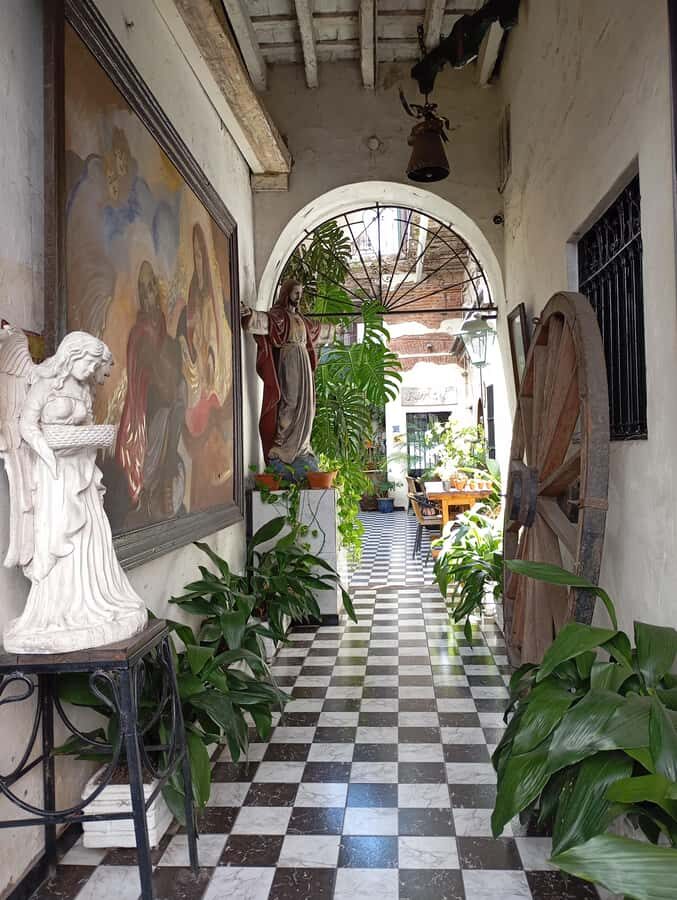
One of the included experiences is the mate (Argentinian tea) ritual demonstration. This is a rare kind of stop because it’s not just a lecture. You see how mate is prepared, and you learn it as a social ritual, not just as a drink.
Why I think this works well on a neighborhood tour: mate connects people. It’s something tied to daily life, and it matches the tour’s theme of being part of the local flow instead of only watching.
Even if you’re not a huge tea person, the ritual is worth your time because it gives you a concrete detail to remember when you’re later comparing San Telmo to Caminito. In both places, the tour is trying to show how communities formed and what they kept.
Caminito in La Boca: color blocks with tango roots

Then comes the shift. You’ll take the bus to Caminito, and that transition is part of the design. Instead of trying to cram travel into your feet, you get time on a bus with bus tickets included, and then you’re ready to focus when you arrive.
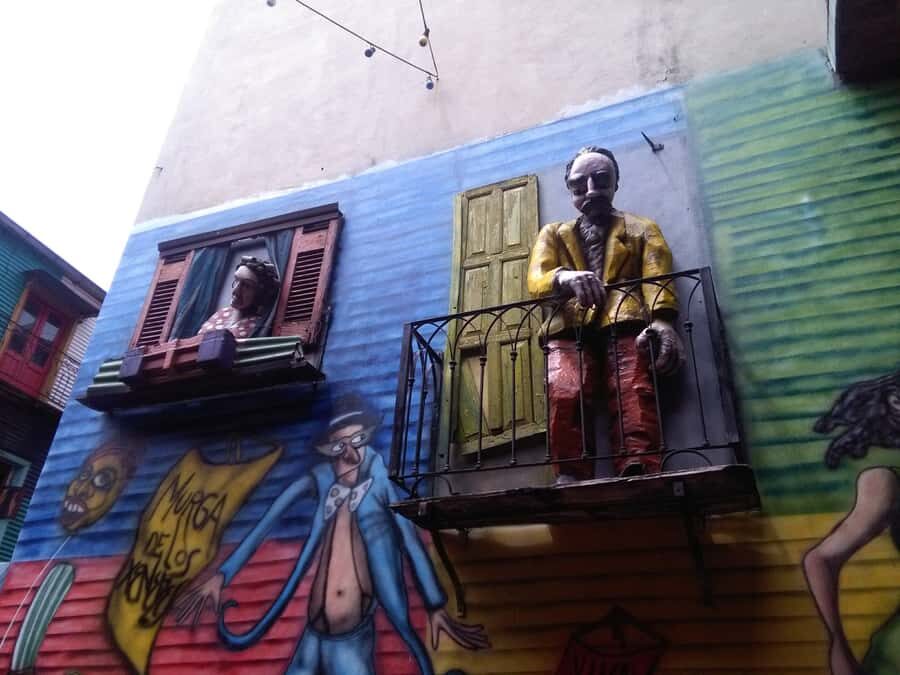
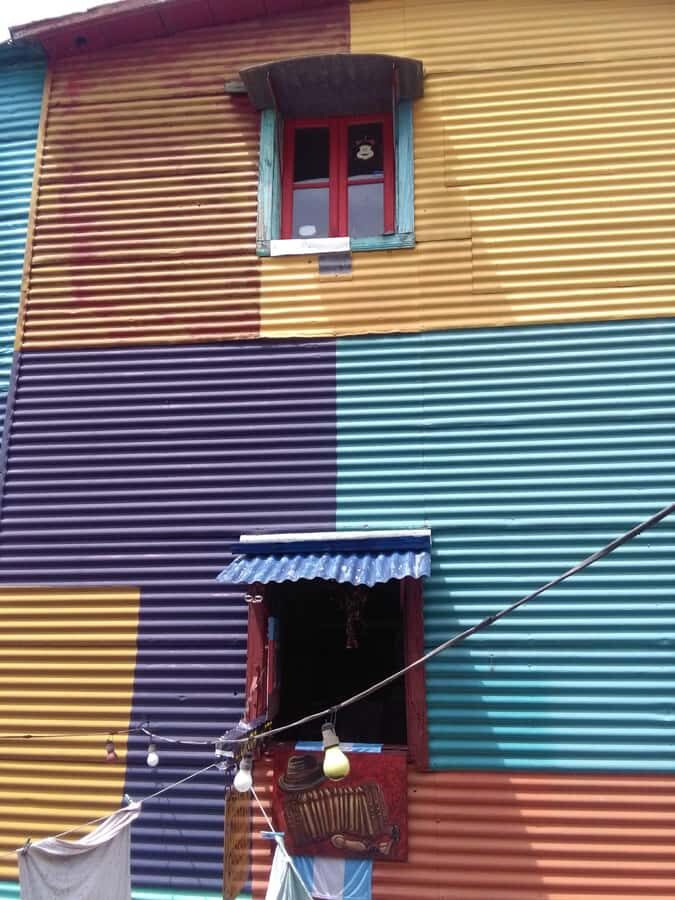
At Caminito, you’ll spend about 1 hour with a photo stop and guided tour. Caminito is described as a zone in the La Boca neighborhood with blocks full of color and traditions in the south of Buenos Aires, in the periphery. That phrase matters, because it helps you understand why this area feels different from the older center you’ve been walking.
Here’s the key story the guide will bring to life: tango is linked to Caminito, and the tour notes that tango was born there at the end of the 1800s. Just as important, European immigration started here in waves, with ships arriving from Italy, Spain, Portugal, and Poland. The neighborhood became a place where new dreams were born in a new country.
If you care about connections, this is where everything you saw earlier starts to click. San Telmo shows you old foundations. Caminito shows you transformation through migration and culture.
Photo tip: make time for the first few minutes without overthinking composition. The streets are designed for snapshots, and the guide’s timing helps you get pictures without rushing.
Finishing with coffee in a conventillo: a calm landing after the walking

The tour wraps up with a café inside a conventillo, described as a historic house. That ending makes sense. After all the movement and explanation, you’re finally in a slower moment where you can talk, ask questions, and let the neighborhood stories settle.
This also feels like a smart last step for value. You’re not just dropped back on the street and left to process everything alone. The tour notes that you’ll have indications about how to return to your place, which is helpful if you’re tired and trying to make your own way.
Price and value: what you get for $35 (and what you need to budget separately)
Let’s be plain about the money. At $35, you’re paying for a guided experience that includes:
- A guide in English or Spanish
- A mate ritual demonstration
- Bus tickets for the key neighborhood transfer
You’re also buying time. The tour strings together San Telmo and Caminito in a focused way, so you don’t need to assemble logistics, pick where to start, and guess what matters most. For many people, that alone makes the price feel fair.
What’s not included is equally important:
- Museum tickets (so museums would be extra if you want them)
- Lunch and general food
- Alcohol
- Any extra transport like taxis (you’re walking and using the included bus segment)
If you want to eat a full meal, plan for it. If you want a snack like empanadas at San Telmo Market, bring cash or card and treat it as part of your own choices, not a guarantee from the tour.
What impressed me most from real guide performance
This is a tour where the guide makes a visible difference. Recent feedback highlights a guide who is kind, enthusiastic, and very clear on the points that matter—history, architecture, and what to notice while you walk.
One name that comes up is Sebastian. In one case, he was patient with a group that was delayed by heavy traffic on the way to the meeting point. That kind of flexibility tells you something: the tour isn’t operated like a train you can’t miss.
Also, Sebastian’s English has been described as perfect, and his explanations as thorough and to the point. That’s huge in a neighborhood tour, because you don’t want to struggle through details when you’re standing in front of the very thing you came to understand.
Finally, there’s mention of personalized follow-up suggestions—so after the walk, you’re not just heading back with a blur. You get ideas based on what you like.
Who this tour fits best, and who should look at alternatives
This is best for you if you want:
- A street-level intro to Buenos Aires neighborhoods
- Clear explanations tied to what you see (not a lecture in a classroom)
- A mix of old colonial style streets in San Telmo and immigrant-era Caminito storytelling
- A small group pace where you can ask questions and actually hear the answers
It may be a poor match if:
- You need long museum visits, because museum tickets aren’t included
- You hate walking or want a very slow tour, because it’s mostly on foot
- You’re traveling with constraints that the activity lists as not suitable: babies under 1 year or people over 70 years
And one more practical note: the tour lists clear boundaries—no pets, no smoking or vaping, and no alcohol or drugs.
Should you book this San Telmo + Caminito walking tour?
I’d book it if you want a guided neighborhood snapshot that links tango, immigration, and colonial-era streets into a single coherent morning/afternoon. The mate ritual and the conventillo café ending add cultural texture that you won’t get from a quick self-guided stroll.
Skip it if your priority is museums, full meals included, or a low-movement day. Also, if you’re unsure about the walking time, treat that as the main decision point.
If you’re ready to walk, look closely, and learn the city’s “why” behind the scenery, this one is a solid value at $35 with a small group and real guide attention.
FAQ
Where is the meeting point?
You meet at the touristic bench from the Mafalda cartoon, at the Estatua de Mafalda.
How long is the tour?
The experience is listed as 1 day. It also specifies that you walk through San Telmo and Caminito in about 3 hours.
What’s included in the price?
It includes an English or Spanish tour guide, a mate ritual demonstration, and bus tickets.
Are museum tickets included?
No. Museum tickets are not included.
Is food or lunch included?
No. Lunch and food are not included. The tour mentions you can eat empanadas at the San Telmo Market, but that would be on you.
What language is the guide?
The guide is available in English or Spanish.
How big is the group?
It’s a small group limited to 10 participants.
What should I bring?
Bring comfortable shoes, water, and comfortable clothes.
Is it suitable for everyone?
It’s not suitable for babies under 1 year and people over 70 years. Pets are not allowed either. Smoking and vaping are also not allowed.