REVIEW · BUENOS AIRES
100% History and architecture of Buenos Aires
Book on GetYourGuide →Operated by Swell Experiences · Bookable on GetYourGuide
Buenos Aires tells its story best in the streets. This short, guided walk connects Plaza de Mayo with the long architectural stretch of Avenida de Mayo, then finishes at the Congreso de la Nación Argentina. I like that it focuses on walkable, central sights and pairs politics-and-people history with real building facades you can look at up close. One possible drawback: the experience depends on the guide showing up on time at the exact meeting point, so I’d build in extra punctuality.
The best part is how the tour gives you a way to read what you’re seeing. You’ll spend serious time around the plazas (with a total guided chunk that centers Plaza de Mayo twice) and you’ll also catch major landmark stops like Cafe Tortoni and the Barolo Palace area as you move along Avenida de Mayo. I also like that it includes entrance to the Cathedral and Chapter, so it’s not only a street photo walk.
If you’re expecting a long, slow, museum-level experience, this probably won’t satisfy. It’s 2 hours total, so you need to keep your “look around” mode active while still letting the guide do the explaining.
In This Review
- Key things I’d focus on
- Plaza de Mayo: the city’s “main stage” in real life
- Avenida de Mayo: where European-style architecture meets Buenos Aires identity
- Plaza de Mayo again: a second look changes what you notice
- The final stop at Congreso de la Nación Argentina
- Included: Cathedral and Chapter entry (and what it adds to the tour)
- Price and time: what $12 buys in 2 hours
- Group style, language, and how to get the most out of it
- Who this is best for (and who might want something else)
- A small safety note about show-up timing
- Should you book this 2-hour Buenos Aires architecture walk?
- FAQ
- Where does the tour start?
- How long is the experience?
- How much does it cost?
- What language is the live guide?
- What’s included in the tour?
- Is the tour wheelchair accessible?
- Is it free to cancel and can I pay later?
Key things I’d focus on
- Plaza de Mayo first, then again: you get time for the main political center instead of a quick pass-through.
- Avenida de Mayo architecture: plan on paying attention to the street’s grand buildings, not just the scenery.
- Cathedral and Chapter access: included entry means less time hunting tickets on your own.
- Major icons along the route: Cafe Tortoni and Barolo Palace are part of the highlights list for a reason.
- End at the National Congress: you finish with a big, democratic-symbol stop at Congreso de la Nación Argentina.
Plaza de Mayo: the city’s “main stage” in real life
Plaza de Mayo is where Buenos Aires turns from “nice city” into “Argentina, right now.” Even if you don’t know the dates offhand, the space is built for public moments, and that’s exactly what you’re looking at during this tour.
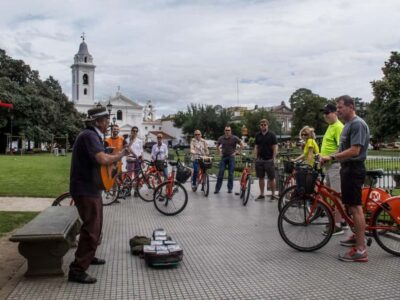
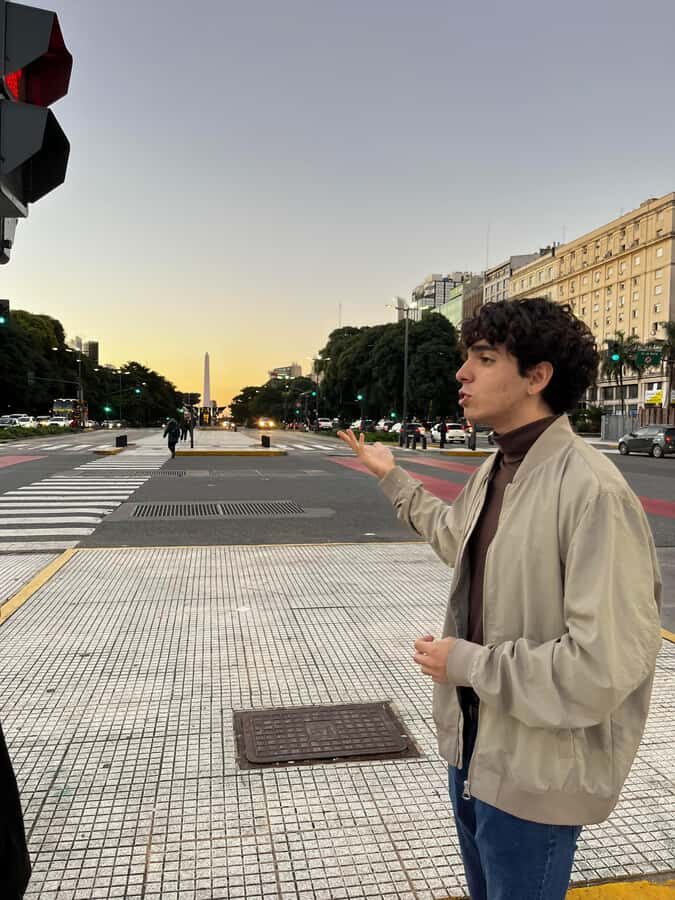
You start at Plaza de Mayo near the Pyramid of May (the meeting point is in front of the pyramid with a black umbrella). From there, the guide sets you up to see how power, religion, and national identity overlap in one compact area. It helps you notice details you might otherwise skip: the way prominent institutions anchor the square, and how the streets radiate outward like spokes from the center.
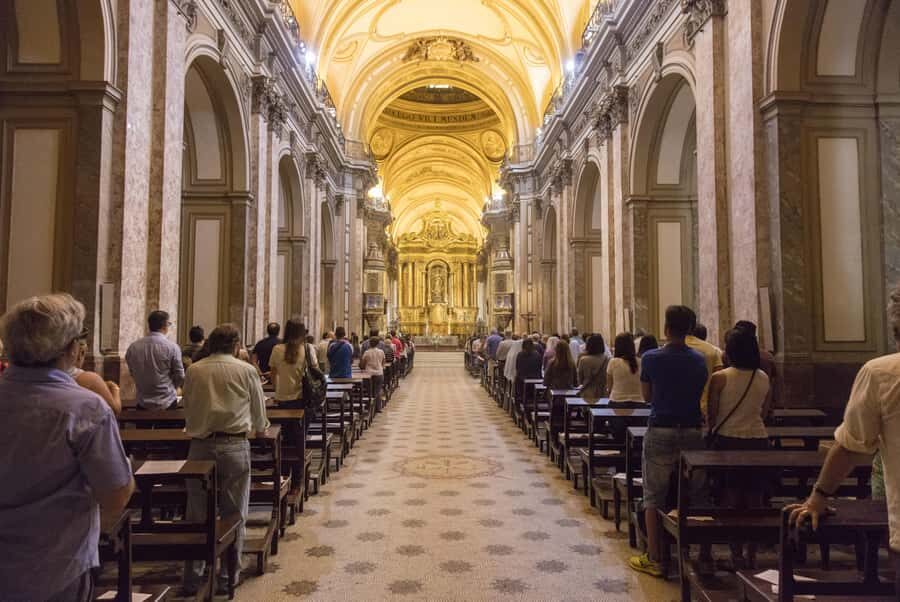
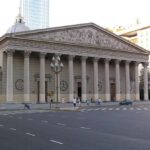
A big practical upside: you’re not stuck guessing what you’re looking at. The tour isn’t just wandering. It’s guided, and the included entry to the Cathedral and Chapter adds a layer that feels more grounded than a purely exterior stop.
What to watch for here:
- Look for the visual “roles” of major buildings around the square: what feels official, what feels ceremonial, and what feels like a public meeting place.
- Take a moment to orient yourself before you move on, because Avenida de Mayo is the next act and it’s easier when you know how the grid connects back to Plaza de Mayo.
Possible drawback: because Plaza de Mayo is a high-visibility area, it can feel a bit busy around the edges. If you like quiet, this won’t be that type of stop. It’s about significance, not serenity.
Other Buenos Aires tours we've reviewed in Buenos Aires

Avenida de Mayo: where European-style architecture meets Buenos Aires identity
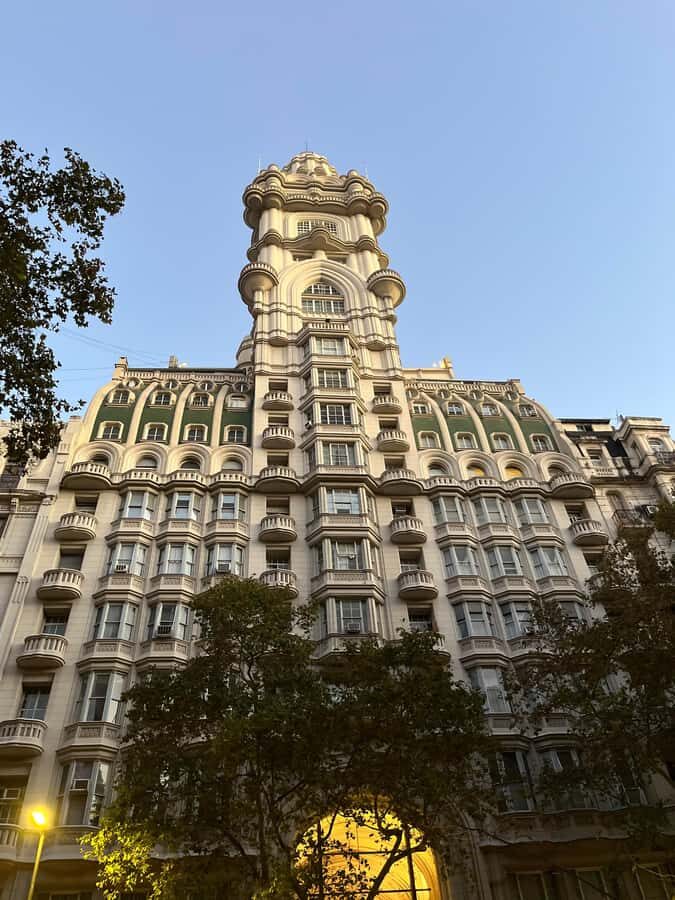
After Plaza de Mayo, you head into Avenida de Mayo, and this is where the architecture becomes the main event. The tour gives you about an hour of guided time here, which is long enough to actually absorb what makes this avenue special.
Avenida de Mayo is known for its grand, older-building feel, and you’ll see that “European charm” in the facades as you walk. The guide’s job is to connect those looks to stories, so you don’t just think: pretty buildings. You start thinking: why these forms, why this design, why this street.
Two landmarks are called out in the highlights, and they’re exactly the kinds of places that help you ground the architecture in everyday life:
- Cafe Tortoni: iconic café culture, the kind of place that turns a building into a social landmark.
- Barolo Palace: a famous-looking historic structure that makes the street feel like it has layers of ambition.
Even if your Spanish is basic, a visual guided walk helps. You’ll hear the names, the context, and what to notice as you move. This is where you should keep your camera ready, but also keep your eyes open. The best “wow” moments tend to be the ones you notice only after you’ve looked long enough at a façade, not when you’re rushing for the perfect shot.
Possible drawback: the time is set. If you’re the type who likes to stop every five minutes, you’ll need to balance curiosity with the flow. This is a 2-hour experience, so the guide moves at a pace meant to cover the core storyline.
Plaza de Mayo again: a second look changes what you notice
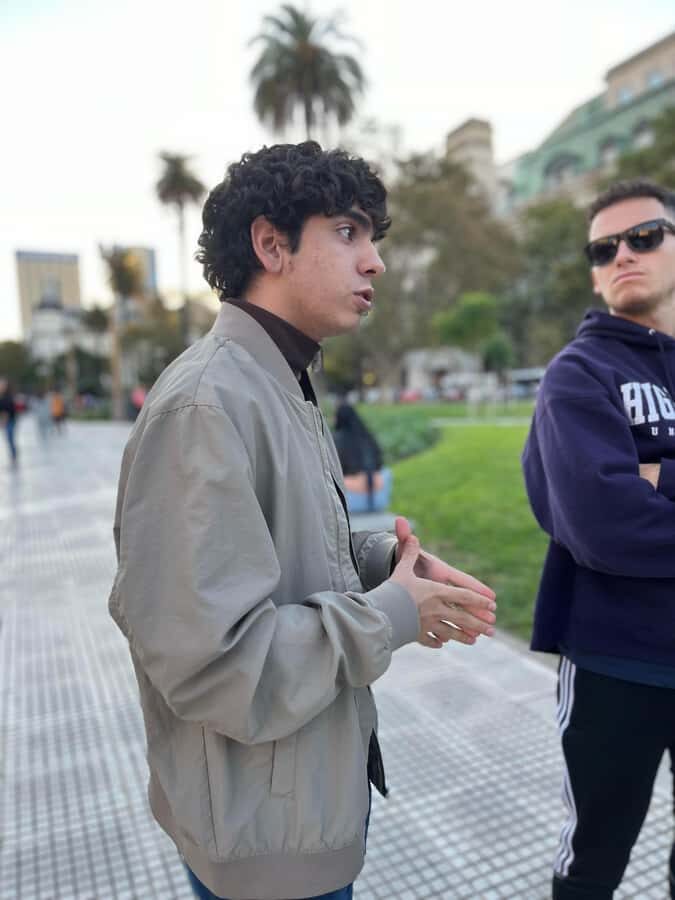
One hour of guided time brings you back to Plaza de Mayo as part of the flow. This isn’t wasted time. A second pass changes how you see the square, because you’ve already been walking through the architectural “language” of the city.
Now you’re in a better position to connect the dots. You can compare what you learned along Avenida de Mayo with what’s right in front of you at the plaza: the different kinds of power structures, and how national events and public life play out around major institutions.
Here’s how I’d use this second Plaza window:
- Re-check the orientation you set at the beginning.
- Notice how the cathedral area and the surrounding civic space feel different from the avenue’s more elongated, façade-driven vibe.
- Listen for what the guide emphasizes. In a guided tour like this, the guide usually points out the “why” behind what you might otherwise treat as scenery.
Included entry matters again in how you experience this segment. When you’ve already seen architectural context from the outside, the interior or institution access (Cathedral and Chapter) gives you a more complete view without adding extra cost.
Practical consideration: keep your shoes comfortable. Plaza de Mayo and the approach streets are central and walkable, but you’ll still want good traction and comfortable cushioning. This isn’t a “sit and watch” tour.
The final stop at Congreso de la Nación Argentina
You finish at the National Congress, Congreso de la Nación Argentina. This makes sense as a closing point: the tour starts in the public square tied to national life and ends at the seat of democracy.
By the time you arrive here, you’ve already learned how buildings and streets can carry political meaning, not just aesthetic value. So the Congress stop lands with more weight. Instead of treating it like a photo opportunity, you’re primed to read it as a national symbol.
What you’ll likely enjoy most at the end:
- The scale and presence of the building as a “conclusion” to the earlier city centers you saw.
- The sense that the story moves from square-level public life to government-level national structure.
Possible drawback: if your energy fades, it can be hard to appreciate the final stop. Plan to keep attention high through the last leg. This tour works best when you treat it like a guided walking lesson, not a checklist.
Included: Cathedral and Chapter entry (and what it adds to the tour)
This experience includes entrance to the Cathedral and the Chapter. That’s not a small detail. It changes the balance of the tour from exterior sight-seeing to something more layered.
Why it’s good for you:
- It reduces guesswork. You don’t need to decide on the spot if you want a separate ticketed stop.
- It gives you architectural contrast. You’ll see how styles and institutional design show up differently when you move from the street into an interior/institutional space.
What you should do:
- Go in with a mindset of noticing. Even if you don’t catch every word in Spanish, pay attention to the visual features and the guide’s explanations. That’s where the time becomes valuable.
Other historical tours in Buenos Aires



Price and time: what $12 buys in 2 hours
The price is listed at $12 per person for a duration of 2 hours. That’s a low price for a guided walk that covers a central storyline and includes entries.
Here’s the practical value math I’d use:
- Guiding: you’re getting a live guide (Spanish) who helps you interpret what you see.
- Time coverage: the tour is short, which matters in Buenos Aires where transit and wandering can eat time fast.
- Included admissions: Cathedral and Chapter entry are part of the package.
- Central locations: you’re not commuting across the city to see the “best of” list.
The private group element also matters. A private group can feel calmer and more conversational, even if the tour still runs on a set route and timeframe. It’s wheelchair accessible too, which is helpful if mobility is a factor.
One realistic consideration: because it’s only 2 hours, the tour is designed to hit key points rather than linger deeply at every single building. If you love slow gallery-style pacing, consider pairing this with self-guided time after to revisit whichever stop grabbed you most.
Group style, language, and how to get the most out of it
The tour is guided live in Spanish, and the format is a private group. That combination affects how you’ll experience the explanations.
If you speak Spanish at least a little, you’ll catch more of the story behind the architecture and institutions. If your Spanish is limited, you can still benefit because the tour is built around visible landmarks and built environment cues. You’ll hear names, see key buildings, and learn what to focus on next.
Two small tips to maximize value:
- Ask quick, focused questions when you can. A good guide can often answer in a way that unlocks the next landmark for you.
- Keep your phone camera ready, but don’t let it steal all your attention. The best parts of a walking tour are the moments where you understand what you’re looking at.
Who this is best for (and who might want something else)
This tour fits well if you’re:
- visiting Buenos Aires for the first time and want a fast, guided orientation to the historic center
- interested in architecture tied to political and cultural meaning
- the type who likes walking through a city and learning as you go
It may feel less ideal if you’re:
- looking for a long, museum-heavy itinerary
- traveling with a group that wants to freestyle for most of the time
- expecting lots of off-route detours or extended indoor time beyond the Cathedral and Chapter
Also, the highlight set is very central: Plaza de Mayo, Avenida de Mayo, Cafe Tortoni, Barolo Palace, and then Congreso de la Nación Argentina. If you’re hoping for neighborhoods farther out, you’d want a different tour plan.
A small safety note about show-up timing
One rating issue in the feedback history points to a practical concern: a group reported arriving at the indicated time, waiting, and not finding anyone present, with no immediate notice of cancellation. I can’t tell you why that happened from the information provided. But I can tell you what I’d do to protect your time.
Before you head out, confirm the meeting details for your specific start time, and plan to arrive a little early at the Pyramid of May (black umbrella). If you’re coordinating with other bookings, don’t schedule something too tight immediately after the tour’s end.
Should you book this 2-hour Buenos Aires architecture walk?
If you want a compact, guided introduction to Buenos Aires’s historic center, I think this is a sensible pick. The pricing is reasonable for a guided route with Cathedral and Chapter entry, and the focus on Plaza de Mayo plus Avenida de Mayo gives you a clear “story arc” rather than scattered stops. It’s also wheelchair accessible and runs as a private group, which can make the experience feel easier to manage.
Skip it only if you need a lot of extra time at each site, or if your comfort level with a Spanish-language guide is low. And if show-up timing matters for your schedule, double-check the meeting point and start time so you’re not left waiting.
Given the rating (4 out of 5 from 5 ratings), it’s clearly landing well when it runs smoothly. Just be a bit proactive on day-of logistics, and you’ll likely get a lot out of your 2 hours in the city’s most important core.
FAQ
Where does the tour start?
It starts in front of the Pyramid of May, and the guide will be there with a black umbrella.
How long is the experience?
The duration is 2 hours.
How much does it cost?
The price is $12 per person.
What language is the live guide?
The tour is guided in Spanish.
What’s included in the tour?
It includes a guided tour and entrance to the Cathedral and Chapter.
Is the tour wheelchair accessible?
Yes, it is wheelchair accessible.
Is it free to cancel and can I pay later?
Yes. It offers free cancellation up to 24 hours in advance for a full refund, and you can reserve now & pay later.